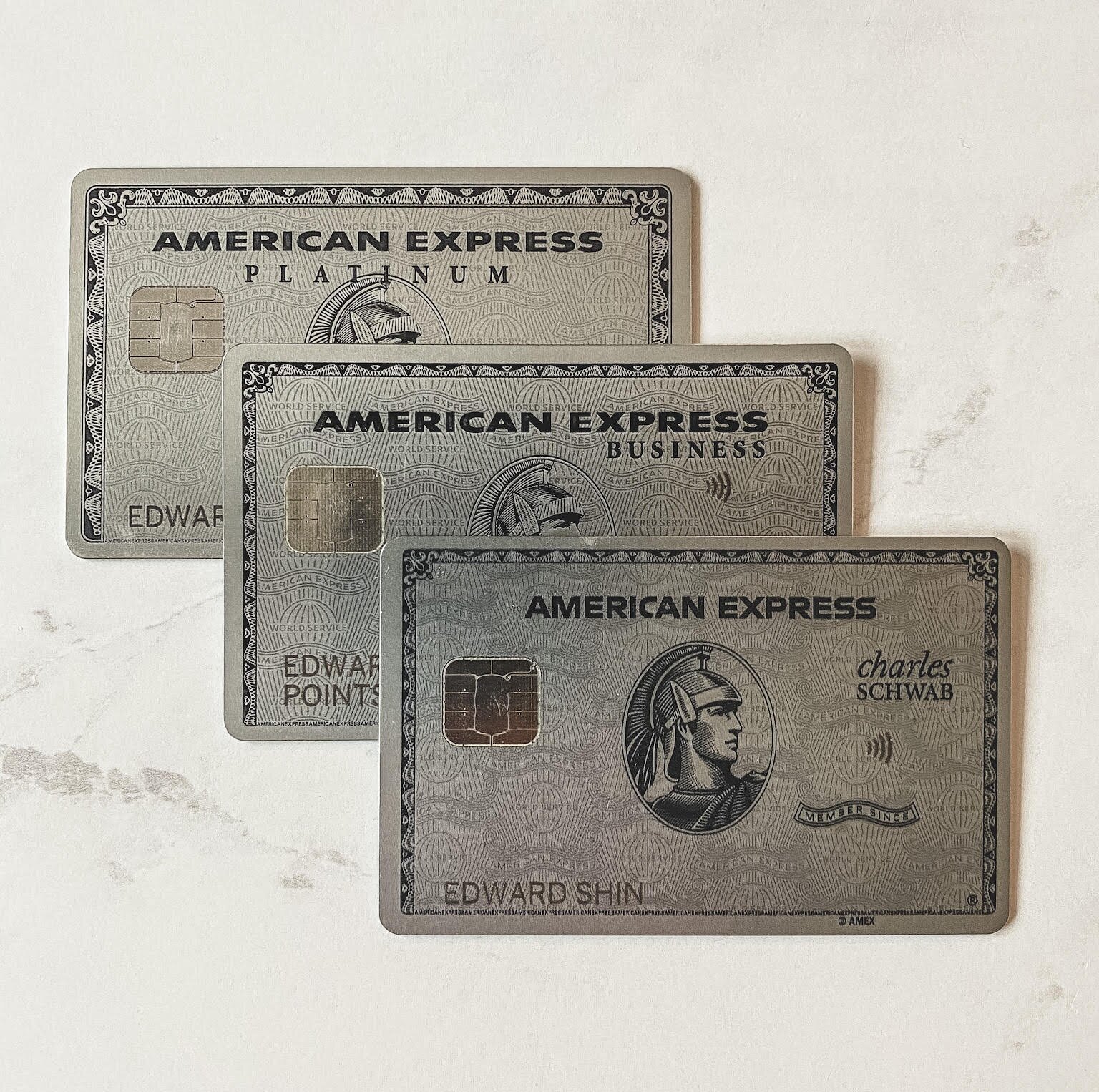
The annual fee for the American Express Centurion Card, widely known as the "Black Card," is currently $5,000. In addition to this recurring annual fee, new cardmembers must pay a one-time initiation fee of $10,000. These costs are in addition to any spending requirements and are among the highest in the consumer credit card market as of 2026.
Accessing the American Express Centurion Card remains one of the most exclusive milestones in personal finance. Unlike standard credit products, you cannot simply apply for this card; it is available only via a private invitation from American Express. Because the costs associated with the card are so significant—totaling $15,000 in the first year alone—prospective and current cardholders must carefully evaluate whether the lifestyle perks, travel benefits, and concierge services provide a mathematical or functional return on investment.
The Total Cost of Ownership: Fees and Charges
When evaluating the annual fee for the Amex Centurion Card, it is vital to distinguish between the various layers of costs. American Express structures the Centurion pricing to ensure that the card remains a product for high-net-worth individuals who prioritize service and status over fee-sensitivity.
The One-Time Initiation Fee
For those who receive the coveted invitation in 2026, the first hurdle is the initiation fee. This is a non-refundable, one-time charge of $10,000. This fee does not grant any "credit" toward future spending; it is essentially a "buy-in" for the privilege of holding the card. Historically, this fee has increased alongside the card's prestige, and in 2026, it remains a firm barrier to entry that filters for a specific tier of wealth.
The Recurring Annual Fee
The $5,000 annual fee is charged at the beginning of each cardmember year. This fee covers the primary cardholder’s access to the full suite of Centurion benefits. Unlike many mid-tier premium cards that offer "anniversary bonuses" to offset the fee, the Centurion Card relies on its ongoing service model and elite status grants to justify the cost.
Authorized User Fees
Adding a family member or partner to a Centurion account is also a significant financial commitment. As of 2026, the annual fee for an additional Centurion Card for an authorized user is typically $5,000 per card. While some accounts may allow for additional "Platinum" level cards at a lower cost, the full Centurion experience for a secondary user requires the same annual outlay as the primary cardholder, though the $10,000 initiation fee is usually waived for additional users on the same account.
| Fee Type | Amount (USD) | Frequency | Description |
|---|---|---|---|
| Initiation Fee | $10,000 | One-time | Required upon acceptance of the invitation. |
| Primary Annual Fee | $5,000 | Annual | Recurring fee for the main account holder. |
| Authorized User Fee | $5,000 | Annual | Per additional Centurion-level cardholder. |
| Late Payment Fee | Up to $40 | Per occurrence | Standard penalty for missed payment deadlines. |
| Foreign Transaction Fee | None | N/A | No fees charged on international purchases. |
Eligibility and the Path to Invitation
The annual fee is often considered secondary to the challenge of actually qualifying for the card. American Express does not publicly publish the exact criteria for a Centurion invitation, but industry data and cardmember reports in 2026 suggest several consistent prerequisites.
Spending Thresholds
To be considered for the Personal Centurion Card, an individual generally needs to spend and pay off between $250,000 and $500,000 across all their existing American Express accounts (typically the American Express Platinum Card) within a calendar year. For the Business Centurion Card, these spend requirements are often significantly higher, sometimes exceeding $1 million annually.
Relationship and Credit History
High spending alone is rarely enough. American Express looks for "lifestyle" spending that aligns with their luxury partners—think high-end travel, fine dining, and luxury retail. Furthermore, a pristine credit history and a long-standing relationship with the brand are essential. The company uses internal proprietary modeling to identify "Centurion-caliber" clients who are likely to remain loyal to the ecosystem despite the high annual fee.
Requesting an Invite
While the card is invitation-only, American Express maintains a dedicated portal where existing cardmembers can express interest in the Centurion Card. By visiting the official Centurion interest page, you can submit your information for review. This does not guarantee an invite, but it places your account on the radar of the Centurion recruitment team.
Tangible Benefits: Offsetting the $5,000 Annual Fee
For a card to cost $5,000 a year, the benefits must be substantial. While "status" is intangible, many of the card’s perks have a direct dollar value that can, in theory, zero out the annual fee for a frequent traveler or luxury consumer.
Equinox Destination Access Membership
One of the most significant perks in 2026 is the complimentary Equinox Destination Access membership. This membership provides access to over 100 Equinox clubs globally. In many major cities, this membership retails for over $3,500 annually. For an individual who already pays for a high-end gym membership, this single benefit covers roughly 70% of the Centurion’s annual fee.
Elite Travel Status
The Centurion Card grants automatic top-tier or near-top-tier status with several travel partners:
- Delta SkyMiles Platinum Medallion Status: This provides complimentary upgrades, priority boarding, and waived fees. For a frequent flier, the value of these upgrades can easily reach several thousand dollars.
- Hotel Elite Status: Cardholders receive Hilton Honors Diamond, Marriott Bonvoy Gold, and IHG One Rewards Platinum Elite status. Diamond status at Hilton, in particular, offers significant value through suite upgrades and breakfast credits.
- Hertz Platinum and Avis President’s Club: These car rental tiers provide skip-the-line service and frequent vehicle upgrades.
The Centurion Concierge
Unlike the standard concierge service available on the Platinum Card, the Centurion Concierge is a dedicated team—often a specific individual assigned to the account—who handles complex requests. This can range from securing "sold-out" restaurant reservations to sourcing rare luxury goods or managing emergency travel evacuations. For a busy executive, the time saved by this level of personal assistance is often worth more than the $5,000 fee.
CLEAR and Saks Credits
The card includes a $189 CLEAR Plus credit and up to $1,000 in annual Saks Fifth Avenue credits (typically distributed as $250 per quarter). While these are smaller compared to the gym membership, they represent $1,189 in direct "cash-back" value for services and goods the cardholder likely already uses.
Is the Centurion Card Better Than the Platinum Card?
Most Centurion cardholders migrate from the Amex Platinum Card, which has an annual fee of $695 in 2026. This raises the question: Is the Centurion Card worth roughly $4,300 more per year?
The answer depends on the frequency of travel and the need for personalized service. The Platinum Card provides excellent lounge access (Centurion Lounges, Delta Sky Clubs) and basic elite status. However, the Centurion Card offers a higher level of airport service, such as the Centurion International Arrival Services. At many international airports, a personal assistant meets the cardholder at the aircraft gate and fast-tracks them through customs and immigration. This "VIP" treatment is not available on the Platinum Card and is a primary driver for Centurion loyalty.
Furthermore, the Centurion Card is made of hand-polished titanium, offering a tactile distinction that many find valuable in professional and social settings. While the material doesn't change the interest rate, it reinforces the card’s branding as the ultimate financial tool.
Financial Considerations and Tax Implications
It is important to note that for most individuals, the annual fee for a personal credit card is not tax-deductible. However, for those holding the Business Centurion Card, the annual fee may be considered a deductible business expense if the card is used exclusively for business purposes. You should consult with a tax professional to determine how the $5,000 annual fee impacts your specific financial situation.
Additionally, the Centurion Card is a charge card, not a traditional credit card. This means the balance must typically be paid in full each month. While American Express offers "Pay Over Time" features for certain purchases, the primary utility of the card is as a high-limit (or no-preset-limit) transaction tool. The ability to put a $250,000 luxury vehicle or a $500,000 auction item on a single card without a pre-approval phone call is one of the "hidden" benefits that justifies the fee for the ultra-wealthy.
Common Myths About the Centurion Fee
There are several misconceptions regarding the "Black Card" that often circulate in financial forums:
- "The fee can be waived with high spend." This is false. Unlike some retail or lower-tier cards, American Express does not waive the $5,000 Centurion fee based on spending volume. Even those spending millions per year are expected to pay the fee.
- "The fee includes unlimited free flights." This is a myth. While you earn Membership Rewards points that can be redeemed for flights, the annual fee does not grant "free" travel, though it does offer a 50% points rebate on certain airline bookings made through Amex Travel.
- "Anyone with $10 million in the bank can get it." Wealth is a factor, but Amex prioritizes spending velocity over stagnant assets. A person with a $100 million net worth who rarely uses credit cards is less likely to receive an invite than a person with a $5 million net worth who spends $1 million annually on their Amex Platinum.
Frequently Asked Questions
Does the Amex Centurion annual fee increase every year?
No, the fee does not increase annually, but it is subject to periodic adjustments. The last major jump occurred several years ago when the fee moved from $2,500 to $5,000. American Express typically justifies these increases by adding new luxury partners or higher-value lifestyle credits, such as the Equinox membership.
What happens if I pay the $10,000 initiation fee and then cancel the card?
The initiation fee is generally non-refundable. If you cancel the card after the first year, you have effectively paid $15,000 for one year of service. If you decide to rejoin the Centurion program years later, you may be required to pay the initiation fee again, depending on the current terms and how long the account has been closed.
Are there any other hidden costs besides the annual fee?
Beyond the $5,000 annual fee and the $10,000 initiation fee, there are no "hidden" monthly service fees. However, standard charges apply for things like cash advances (if enabled) or late payments. The primary "cost" is the opportunity cost of not using a card with a higher cash-back percentage, as the Centurion Card generally earns 1 Membership Rewards point per dollar spent.
Can I pay the annual fee using Membership Rewards points?
Yes, American Express often allows cardmembers to use points to cover their annual fee through the "Invest with Points" or statement credit features. However, the redemption rate for this is often lower than 1 cent per point, making it a less-than-ideal use of points compared to high-value travel transfers.
Is the Business Centurion annual fee different from the Personal one?
In 2026, both the Business and Personal versions of the Centurion Card in the United States share the same $5,000 annual fee and $10,000 initiation fee. The Business version offers slightly different perks, such as 1.5x points on purchases over $5,000 and specific business-oriented software credits.
Final Recommendation
The annual fee for the Amex Centurion card is a steep $5,000, preceded by a $10,000 entry cost. For the average consumer, or even the high-earner who spends less than $250,000 annually, the card is mathematically impossible to justify. The American Express Platinum Card remains the more logical choice for 99% of travelers.
However, if you are an ultra-high-frequency traveler who values gate-to-curb airport assistance, or if you already maximize a high-end Equinox membership and shop frequently at Saks Fifth Avenue, the "effective" cost of the card drops significantly. For the elite tier of consumers who require a dedicated concierge to manage their lifestyle and a card that signals a specific level of financial achievement, the Centurion Card remains the gold standard in 2026. If you receive an invitation, the next action is to perform a "perk audit": list every benefit you would actually use and compare its retail cost to the $5,000 fee. If the gap is narrow, the prestige and service of the Black Card are likely worth the investment.