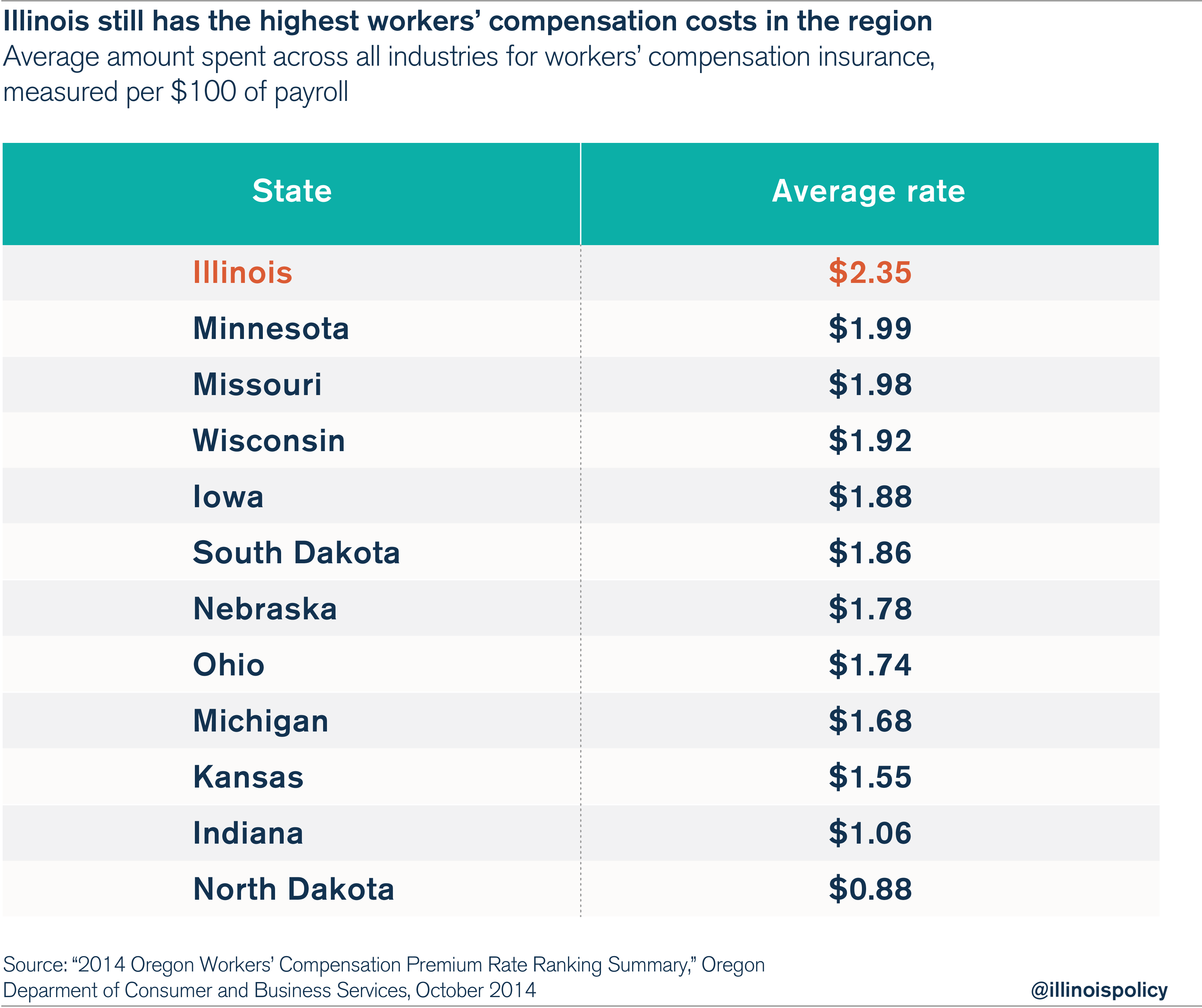
The annual cost of farm labor workers' compensation insurance in 2026 typically ranges from $4 to $12 per $100 of payroll, though high-risk operations can see rates exceeding $15. Total premiums depend on specific agricultural class codes, your state’s unique rate filings, your farm’s historical safety record (Experience Modification Rate), and the total gross wages paid to laborers.
Workers' compensation insurance is a fundamental operational expense for any agricultural enterprise employing labor. In 2026, the landscape of agricultural risk management has evolved to include more stringent heat-illness prevention standards and increased automation, both of which influence how insurance carriers calculate premiums. For a farm owner or labor contractor, understanding the components of these costs is essential for accurate budgeting and maintaining statutory compliance.
The Mathematical Foundation of Workers' Compensation Premiums
To understand your annual cost, you must first understand the standard industry formula used by almost every carrier in the United States. While administrative fees and taxes vary by state, the core calculation remains consistent:
** (Total Annual Payroll / 100) × Class Code Rate × Experience Modification Rate = Base Premium **
The Payroll Component
In the context of farm labor, "payroll" includes more than just hourly wages. It typically encompasses bonuses, commissions, holiday pay, and the value of board or lodging provided to workers, which is common in seasonal harvesting operations. If your farm utilizes H-2A visa workers, their entire compensation package must be factored into the estimate.
The Class Code Rate
Insurance companies categorize work activities by risk levels using numerical codes, most often defined by the National Council on Compensation Insurance (NCCI). For example, a worker picking berries (Code 0037) represents a different risk profile than a worker operating heavy machinery or specialized harvesting equipment (Code 0006). In 2026, the differentiation between manual labor and mechanized labor has become even more pronounced as machinery becomes more complex and potentially hazardous.
The Experience Modification Rate (Ex-Mod)
The Experience Modification Rate, or "Ex-Mod," is a multiplier that rewards safe farms and penalizes those with frequent claims. A "1.0" is considered the industry average. If your farm has a superior safety record over a three-year rolling period, your Ex-Mod might be 0.85, giving you a 15% discount. Conversely, a poor safety record could result in an Ex-Mod of 1.25, adding a 25% surcharge to your annual costs.
Primary Factors Influencing Farm Insurance Costs in 2026
The agricultural sector faces unique hazards that do not exist in standard office or retail environments. These variables are the primary drivers of the "rate per $100" assigned to your policy.
1. Geographic Location and State Mandates
Workers' compensation is regulated at the state level, not the federal level. Consequently, the annual cost of insuring a farm laborer in California or New York is significantly higher than in Texas or Nebraska.
- High-Cost States: Often have higher medical costs, more litigious environments, and broader benefit mandates (e.g., covering mental health or long-term repetitive strain).
- Low-Cost States: May have narrower definitions of "compensable injuries" or more restrictive benefit caps.
- Monopolistic States: In states like Washington or Ohio, you must purchase insurance through a state-run fund, which has its own fixed pricing structure.
2. Specific Agricultural Activities (The Risk Profile)
Not all farm work is created equal. A farm focused solely on field crops (wheat, corn) generally pays lower premiums than an orchard or a vineyard.
- Height Risks: Harvesting fruit from ladders significantly increases the frequency of falls, leading to higher rates for orchards.
- Animal Handling: Dairy farms and livestock operations face risks related to animal behavior, which often results in higher rates than vegetable row cropping.
- Chemical Exposure: Operations involving heavy pesticide or fertilizer application may see higher rates due to the long-term health risks associated with chemical handling.
3. Labor Force Composition
In 2026, the use of labor contractors versus direct hires significantly impacts cost. If you hire through a Farm Labor Contractor (FLC), the FLC is technically the employer and pays the workers' comp premium. However, the cost is passed back to the farmer in the contract rate. It is critical to verify that the FLC is maintaining active coverage, as many state laws hold the farmer "jointly liable" if the contractor lets their policy lapse.
Estimated 2026 Cost Comparison by Agricultural Class Code
The following table provides estimated rate ranges per $100 of payroll for common agricultural activities. These figures represent national averages; actual rates will fluctuate based on state-specific filings and the individual farm's Ex-Mod.
| NCCI Class Code | Activity Description | Estimated Rate (per $100 Payroll) | Risk Level |
|---|---|---|---|
| 0006 | General Farming / Machinery Operations | $6.50 – $9.50 | Moderate-High |
| 0016 | Orchard / Vineyard Work (Ladders used) | $8.00 – $13.00 | High |
| 0034 | Poultry Farming | $3.50 – $5.50 | Moderate |
| 0037 | Field Crops / Vegetable Harvesting | $4.50 – $7.50 | Moderate |
| 0083 | Dairy Farming | $5.00 – $8.50 | Moderate-High |
| 0005 | Nursery / Greenhouse Operations | $3.00 – $5.00 | Low-Moderate |
| 8810 | Clerical / Office Staff | $0.20 – $0.50 | Very Low |
The Impact of the Annual Audit
One of the most misunderstood aspects of farm labor insurance is the Annual Premium Audit. Because farm labor is often seasonal, your initial premium at the start of the year is merely an estimate based on your projected payroll.
At the end of the policy term, the insurance carrier will conduct an audit to verify your actual payroll records. If you had a more productive year than expected and hired more laborers, you will receive a "bill for additional premium." If you hired fewer people, you may receive a refund. To avoid massive year-end bills, many modern farms in 2026 have moved to "Pay-as-you-go" workers' comp programs, where premiums are calculated and paid in real-time based on actual payroll cycles.
2026 Regulatory Trends Affecting Premiums
Several emerging factors in 2026 are putting upward or downward pressure on agricultural insurance rates:
- Climate and Heat Standards: New federal and state OSHA guidelines regarding heat-illness prevention have become more rigorous. Farms that fail to provide adequate shade, water, and rest breaks face not only fines but also higher insurance premiums due to heat-related injury claims.
- Advanced Safety Technology: Some carriers in 2026 are offering "telematics" or "wearable tech" discounts. If your workers wear sensors that detect improper lifting or signs of heat exhaustion, insurers may provide a 5% to 10% credit on the premium.
- Medical Inflation: The rising cost of orthopedic surgeries and physical therapy continues to drive the "medical portion" of workers' comp claims upward. This is the primary reason why rates rarely decrease significantly year-over-year despite improved safety technology.
- Prescription Drug Monitoring: On a positive note, the stricter regulation of opioids has reduced long-term disability costs associated with workplace injuries, helping to stabilize rates in many jurisdictions.
Strategies to Reduce Farm Labor Insurance Costs
While you cannot control the base rates set by the state, you have significant control over your farm's specific modifiers.
Implement a Formal Safety Program
A written safety manual is often a prerequisite for the best insurance "tier" pricing. This should include specific protocols for tractor safety, ladder usage, and emergency response. Insurance companies are more likely to offer discretionary credits (schedule rating) to farms that demonstrate a proactive safety culture.
Utilize "Return to Work" Programs
The most expensive part of a workers' comp claim is often "indemnity" (lost wages) rather than medical care. By offering injured workers "light-duty" tasks—such as sedentary tool maintenance or clerical work—you can stop the payout of lost-wage benefits. This keeps the claim total low and prevents your Ex-Mod from skyrocketing.
Accurate Class Code Assignment
Review your payroll periodically to ensure employees are not misclassified. If a worker spends 90% of their time in the office but is classified under "General Farming," you are overpaying by hundreds or thousands of dollars annually. Splitting payroll between class codes is allowed in many states, provided you maintain meticulous time records.
Safety Training in the Workers' Native Language
In 2026, it is standard practice to provide all safety training in the primary language of your workforce. Failure to do so is increasingly viewed as negligence by insurance adjusters and state regulators, which can lead to higher claim settlements and subsequent premium increases.
Frequently Asked Questions
Is workers' compensation insurance mandatory for small farms?
In most states, workers' compensation is mandatory as soon as you hire your first non-family employee. However, some states provide exemptions for very small operations (e.g., those with fewer than three employees) or for certain types of seasonal labor. You should consult your state's Department of Labor or Workers' Compensation Board to verify local requirements, as 2026 regulations have narrowed many of these historical exemptions.
Does workers' comp cover family members working on the farm?
Generally, sole proprietors, partners, and corporate officers can choose to exclude themselves from coverage to save on premiums. However, if family members are paid as standard employees, it is often safer (and sometimes required) to include them. If they are excluded and get injured, your general liability policy will likely not cover their medical expenses, leaving the farm financially vulnerable.
What happens if I don't carry workers' comp for my farm labor?
The consequences are severe. First, you face significant statutory fines from the state, which can exceed $1,000 per day of non-compliance. Second, if a worker is injured, you lose the "exclusive remedy" protection of workers' comp. This means the worker can sue the farm for negligence in civil court, potentially leading to multi-million dollar judgments that could bankrupt the operation.
How do H-2A workers affect my annual insurance cost?
H-2A workers must be covered by workers' compensation insurance by federal law (20 CFR 655.122). Because these workers are often engaged in manual harvesting—a higher-risk category—their presence will increase your total payroll and thus your total premium. Furthermore, some carriers may charge slightly higher administrative fees for H-2A policies due to the complexity of managing medical care for workers who may return to their home country before a claim is fully resolved.
Can I get a discount if I use automated harvesting equipment?
Many insurance carriers in 2026 offer "modernization credits." If you transition from manual ladder-based picking to ground-level automated harvesting, your risk of fall injuries drops significantly. While the class code might remain the same, your underwriter may apply a "schedule credit" to reflect the reduced physical risk to the workers.
Practical Recommendation for Farm Owners
To manage the annual cost of farm labor workers' compensation insurance effectively, you should perform a mid-year payroll review. Waiting for the annual audit often leads to unpleasant financial surprises. By comparing your actual year-to-date payroll against your policy estimates in July or August, you can adjust your payments early and smooth out your cash flow.
Additionally, always request your Loss Run Reports from your agent annually. These reports show every claim filed against your policy over the last five years. Reviewing these allows you to identify patterns—such as a specific piece of equipment causing multiple minor injuries—allowing you to intervene before those small claims coalesce into a high Experience Modification Rate that could plague your budget for years.