An anniversary campaign is a strategic marketing initiative designed to celebrate a significant milestone in an organization’s history, such as a founding date or a product launch. These campaigns leverage brand heritage to build trust, re-engage existing customers, and drive growth by bridging past achievements with future innovations and organizational vision.
Why Anniversary Campaigns Are Vital for Modern Brand Equity
In the competitive landscape of 2026, where consumer attention is fragmented across emerging AI-driven platforms and traditional digital channels, an anniversary campaign serves as a powerful "trust signal." Longevity suggests stability, quality, and a proven track record. However, a successful campaign goes beyond mere self-congratulation. It functions as a strategic pivot point that can achieve several high-level objectives simultaneously.
First, these campaigns humanize the brand. By sharing the "origin story" and the challenges overcome during the company's lifespan, brands create an emotional resonance with their audience. This is particularly effective in an era where consumers prioritize authenticity and corporate values. Highlighting the people behind the products—from the original founders to the current staff—fosters a sense of community.
Second, anniversaries provide a legitimate reason to reach out to dormant customers. Unlike a standard seasonal sale, a milestone celebration is a unique event that justifies a high-impact communication strategy. It allows brands to offer exclusive "anniversary-only" rewards or products, creating a sense of urgency and scarcity.
Finally, the milestone serves as a platform for future-proofing. By reflecting on where the company has been, leadership can more effectively articulate where the company is going. In 2026, the most successful campaigns use the 10th, 25th, or 50th anniversary not just to look back, but to launch the "next generation" of products, sustainability initiatives, or brand identities.
Structuring the Planning Timeline: From Vision to Execution
A high-impact anniversary campaign requires a significantly longer lead time than a standard quarterly promotion. For major milestones (25 years or more), planning often begins 18 months in advance. For 5- or 10-year celebrations, a 6-to-12-month window is standard.
Phase 1: Discovery and Strategy (Month 12 to 9)
This phase involves internal audits and objective setting. Stakeholders must decide if the primary goal is revenue generation, brand awareness, or internal employee engagement.
- Archival Research: Dig into the company archives. Find old photos, original blueprints, founding documents, and early advertisements. This raw material is the fuel for nostalgia-driven content.
- Stakeholder Alignment: Ensure that the C-suite and the marketing team are aligned on the budget and the core message. Is the message "We are the established experts" or "We’ve been innovating for X years and we're just getting started"?
Phase 2: Creative Development (Month 8 to 4)
Once the strategy is set, the creative team begins building the visual and narrative assets.
- Commemorative Branding: Develop a temporary anniversary logo or visual style guide. This should complement, not replace, the existing brand identity.
- Content Pillars: Identify 3–5 key stories that will be told across social media, email, and video. These might include "The First Customer," "The Greatest Failure and How We Fixed It," or "Innovation Through the Decades."
Phase 3: Pre-Launch and Teasers (Month 3 to 1)
Start building anticipation without revealing the full scope of the celebration.
- Vague Countdowns: Use social media stories and email banners to hint at a big announcement.
- VIP Access: Provide long-term customers or "Founding Members" with a sneak peek or early access to anniversary-themed products.
Key Components of a Successful Anniversary Campaign
To resonate in 2026, a campaign must be multi-channel and multi-sensory. It should integrate traditional storytelling with modern technological touchpoints.
Visual Identity and Commemorative Branding
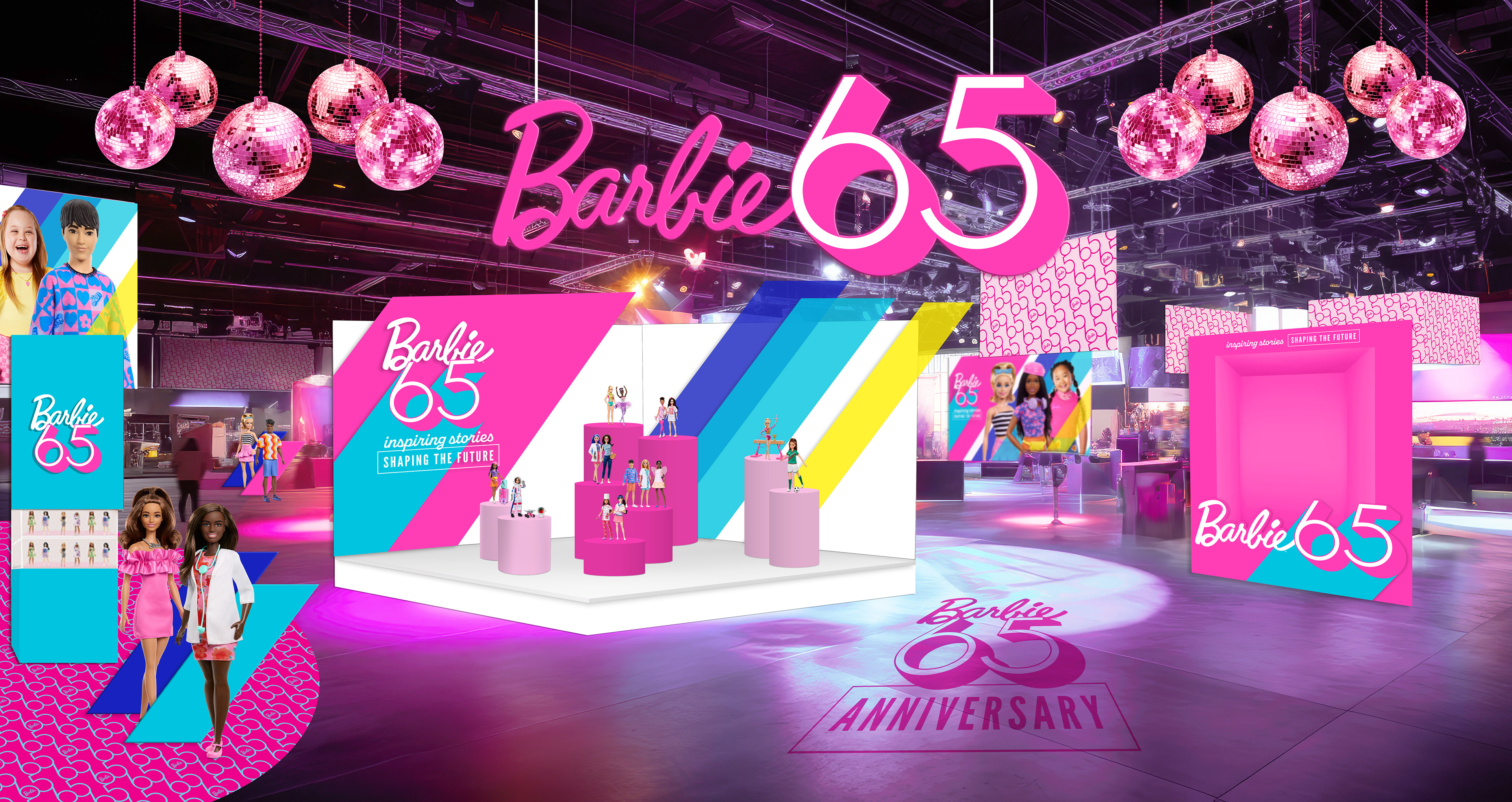
The visual element is the most immediate way to signal a milestone. A common mistake is over-designing the anniversary logo to the point where it obscures the brand. The best approach is a "lockup" where the existing logo is paired with a sophisticated typographic treatment of the milestone year.
In 2026, brands are increasingly using dynamic logos that change slightly depending on the platform—minimalist for mobile apps and more detailed for print or high-resolution video. This visual consistency across all touchpoints (from packaging to email footers) ensures that the anniversary message is reinforced every time a customer interacts with the brand.
Storytelling: Leveraging Heritage for Future Growth
Heritage marketing is not about being "old-fashioned"; it is about "legacy." The storytelling should follow a narrative arc:
- The Spark: Why the company was founded and what problem it aimed to solve.
- The Pivot: A major challenge that defined the company’s character.
- The Future: How the lessons from the past are driving current innovation.
Interactive timelines are a staple of this component. In a modern digital environment, these shouldn't be static images but immersive web experiences. Users should be able to click on a year and see video interviews, 3D models of early products, or interactive infographics showing the brand's growth.
Community and Customer Recognition Programs
The anniversary should be a celebration of the customer as much as it is of the company. Without the customer's support, the milestone wouldn't exist.
- Loyalty Tiers: Offer specific rewards for customers based on how long they have been with the brand. A "5-year customer" might receive a different perk than a "10-year customer."
- User-Generated Content (UGC): Run a contest asking customers to share their favorite memories associated with the brand. This provides the company with authentic testimonial material and increases social media engagement.
Comparison of Milestone Types and Strategic Focus
Not every anniversary should be treated the same. The frequency and intensity of the campaign should match the weight of the milestone.
| Milestone | Typical Duration | Primary Strategic Goal | Recommended Key Tactics |
|---|---|---|---|
| 1 Year | 1 Week | Retention & Momentum | "Thank You" emails, first-year data visualization, small discounts. |
| 5 Years | 1 Month | Growth & Validation | Limited edition product launch, community events, founder interviews. |
| 10 Years | 3-6 Months | Brand Authority | Major PR push, documentary-style video series, loyalty program overhaul. |
| 25 Years | 6-12 Months | Legacy & Trust | Commemorative book/site, charity partnership, rebranding or visual refresh. |
| 50+ Years | Full Year | Institutional Leadership | Museum-style archives, large-scale galas, significant innovation keynotes. |
Measuring the Impact: KPIs for 2026
Evaluating an anniversary campaign requires looking beyond simple sales figures. Because these campaigns are often brand-equity focused, the metrics should reflect long-term value.
1. Brand Sentiment and Share of Voice: Use social listening tools to measure how the brand's perception changes during the campaign. An increase in positive sentiment and "brand mentions" relative to competitors indicates that the heritage message is resonating.
2. Customer Lifetime Value (CLV) and Retention: Track whether the campaign successfully reactivated lapsed customers. Compare the retention rate of customers acquired during the anniversary year against those acquired in standard years.
3. Internal Employee Engagement: An often-overlooked metric is how the campaign affects the workforce. Use internal surveys to measure pride in the company and understanding of the brand's history. A motivated team is the most effective ambassador for an anniversary message.
4. Data Collection: Anniversary contests and "exclusive access" sign-ups are excellent for growing first-party data. In 2026, with the decline of third-party cookies, the volume of new email subscribers or app downloads generated by the campaign is a critical KPI.
Common Pitfalls to Avoid in Milestone Marketing
Even with a large budget, an anniversary campaign can fail if it falls into certain traps.
- Being Overly Self-Indulgent: If the campaign is only about "how great we are," the audience will tune out. Every piece of content must answer the question: "Why does this matter to the customer?"
- Lack of Consistency: If the anniversary logo is only on the website but not on the packaging or in-store signage, the impact is diluted. The celebration must feel like a company-wide event.
- Ignoring the Future: Focusing 100% on the past can make a brand look stagnant. The "heritage" should always be used as a springboard to discuss "what's next."
- Poor Timing: Launching an anniversary campaign during a major global crisis or a company PR scandal can seem tone-deaf. Flexibility in the rollout plan is essential.
Integrating Technology: AR and AI in 2026 Campaigns
In 2026, technology allows for more immersive celebrations than ever before. Augmented Reality (AR) can be used to let customers "see" what a product looked like in 1980 just by pointing their smartphone at the current packaging.
Artificial Intelligence (AI) can be used to personalize the anniversary experience. For example, a brand could send a personalized video to each customer showing their "journey" with the company—noting when they made their first purchase and how many times they’ve interacted with the brand over the years. This hyper-personalization turns a generic corporate milestone into a personal celebration for the consumer.
Frequently Asked Questions
How early should a small business start planning a 10-year anniversary? For a small business, a six-month lead time is generally sufficient. This allows enough time to design a commemorative logo, plan a specific promotion, and coordinate any local events or social media collaborations without overwhelming daily operations.
Is it worth celebrating "odd" milestones like a 7th or 13th anniversary? Generally, it is better to stick to "round" numbers (5, 10, 20, 25, 50) to maintain the significance of the event. However, "disruptor" brands sometimes celebrate odd numbers to fit their quirky brand personality. If you do this, ensure the "why" behind the choice is clear to your audience.
What is the most effective way to involve employees in the campaign? Host an internal "launch party" before the public announcement. Give employees first access to anniversary merchandise and encourage them to share their own stories of working at the company. Employee-focused storytelling often feels more authentic to the public than polished corporate messaging.
Should we offer a discount for our anniversary? While discounts are effective for driving short-term sales, they shouldn't be the only part of the campaign. Pair a discount with a "limited edition" product or a "gift with purchase" to ensure the brand value isn't purely tied to being "cheaper" during the celebration.
How do we handle an anniversary if the company has recently rebranded? This is an excellent opportunity to explain the evolution. Use the anniversary campaign to show the thread of continuity between the "old" identity and the "new" vision. It reinforces that while the look has changed, the core values remain the same.
Strategic Recommendations for 2026
To ensure your anniversary campaign delivers a high return on investment, focus on the "Bridge Strategy." This involves using your history to validate your future. Start by identifying the single most important value that has remained constant since your founding. Build your narrative around that value, using archival assets to prove your legacy and AI-driven personalization to show how you are evolving for the modern customer.
For organizations approaching a major milestone in the next 18 months, the first step should be an "Archive Audit." Knowing exactly what historical assets you have—photos, testimonials, old product versions—will determine the creative boundaries of your campaign. If your archives are thin, shift your focus toward customer-centric storytelling and future-looking innovation.