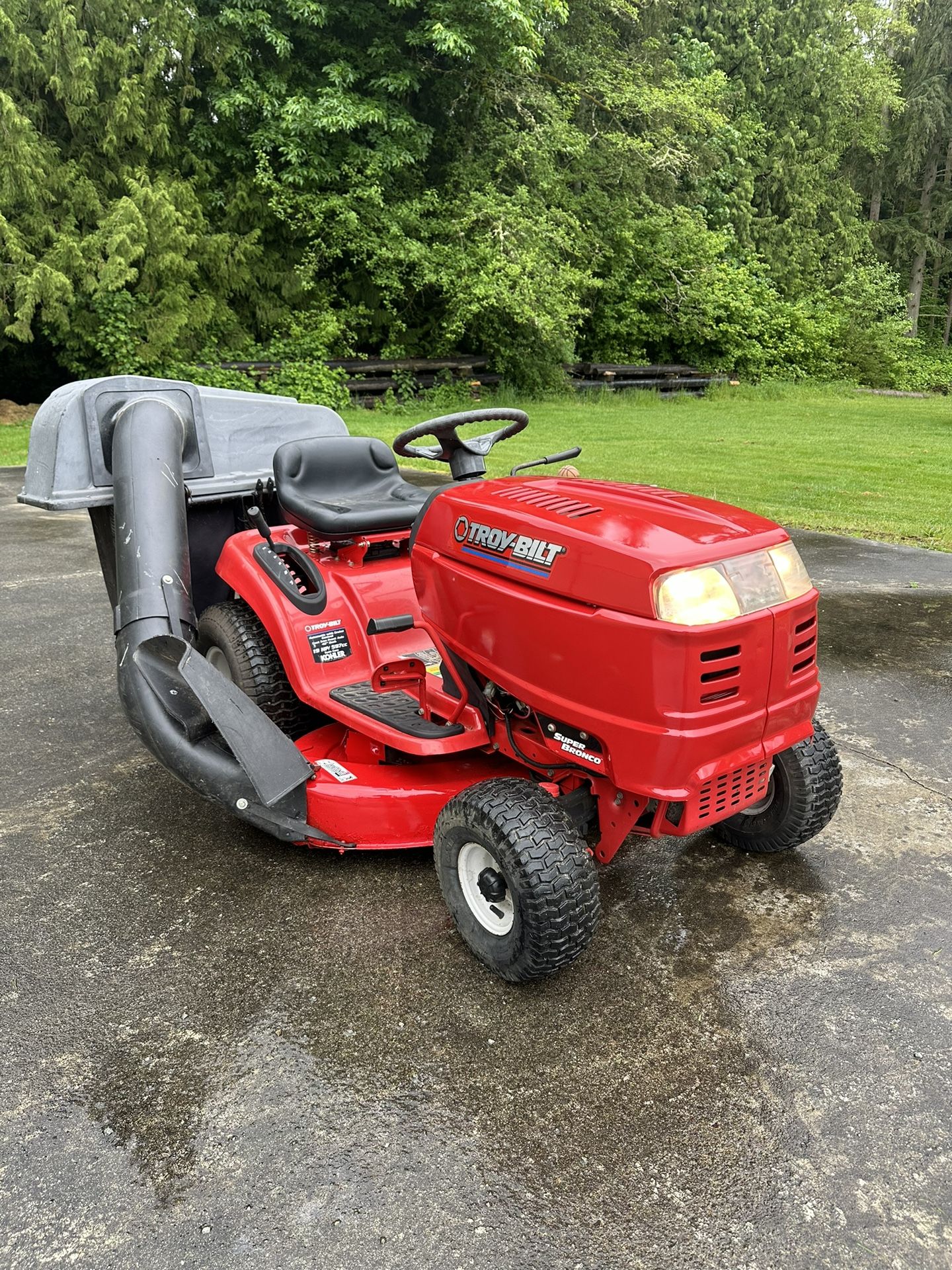
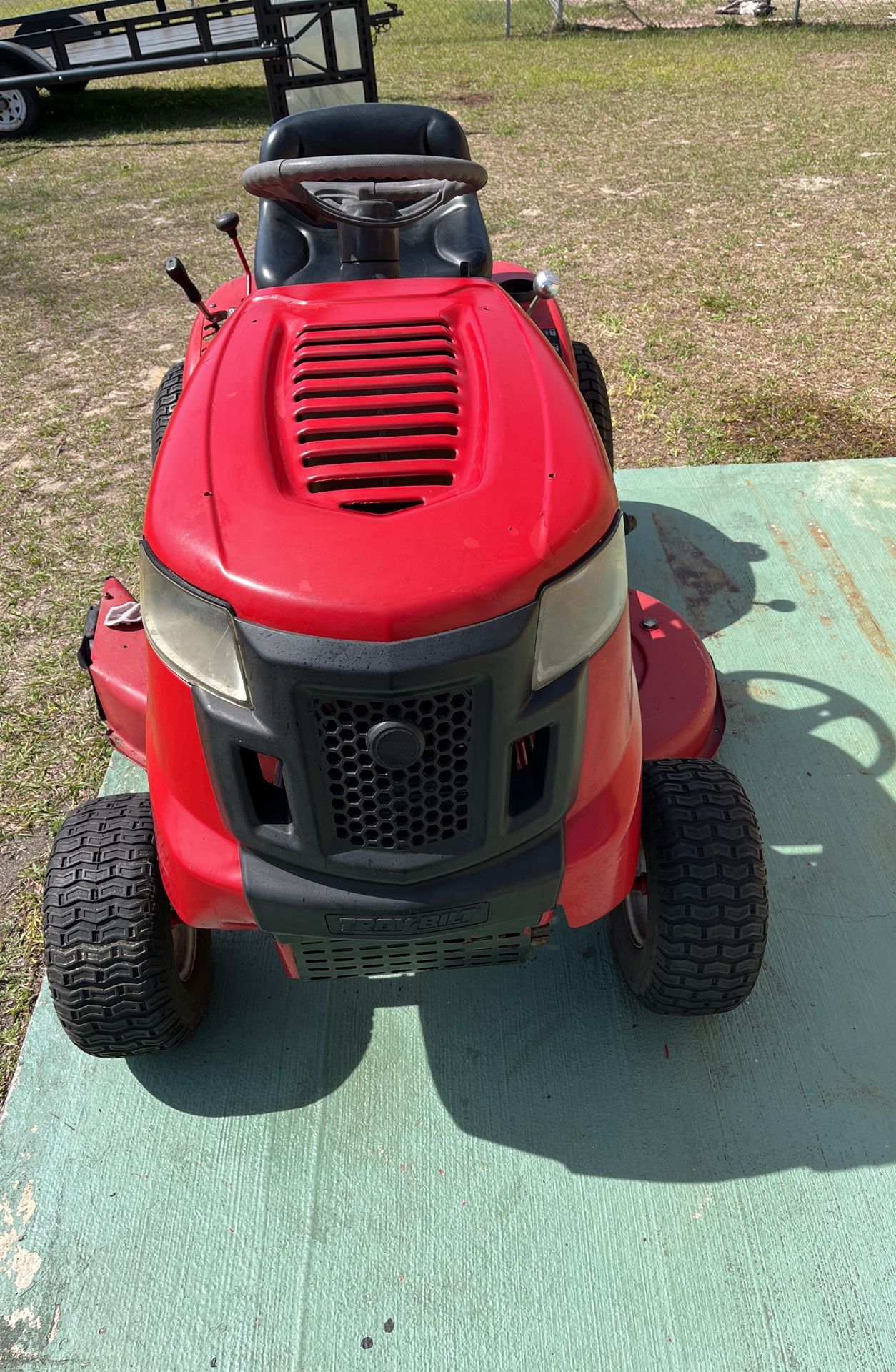
Troy-Bilt riding mowers are generally good for homeowners with medium to large yards who prioritize budget-friendly pricing, ease of use, and widespread access to replacement parts. They are designed for residential property maintenance rather than commercial landscaping, making them a practical, reliable option for routine lawn care when properly maintained.
Choosing the right lawn equipment requires balancing your property's specific demands against a machine's engineering limits. When evaluating lawn tractors and rear-engine riders, prospective buyers frequently ask whether Troy-Bilt models deliver sufficient long-term value, durability, and cutting performance. Understanding how these machines are constructed, where they excel, and where they fall short helps determine whether a Troy-Bilt mower aligns with your property maintenance goals.
Brand Identity and Market Positioning
Troy-Bilt, a brand with a long history in American outdoor power equipment, currently operates as a subsidiary of MTD Products (itself acquired by Stanley Black & Decker). The brand occupies a distinct space in the residential lawn care market, positioned primarily as an accessible, mid-tier option sold through major home improvement retailers like The Home Depot and Lowe’s, as well as independent dealers.
Unlike commercial-grade brands that feature heavy-gauge fabricated steel decks, robust hydraulic transmissions, and commercial powerplants designed for all-day daily operation, Troy-Bilt riding mowers target residential property owners. Their primary appeal lies in balancing affordability with features commonly found on more expensive tractors, such as hydrostatic transmissions, comfortable high-back seats, and compatibility with a wide array of towing attachments.
Understanding this market positioning is vital. Expecting a residential-grade Troy-Bilt tractor to withstand daily commercial mowing of overgrown municipal parks or rocky acreage will lead to premature mechanical failure. However, evaluating the brand based on its intended use—maintaining residential yards ranging from half an acre to three or four acres—reveals a very different picture of capability and value.
Product Lineup and Key Configurations
Troy-Bilt structures its riding mower catalog around distinct frame styles and cutting widths to accommodate different yard sizes and terrain types. Identifying the correct configuration is the first step toward determining if a specific model suits your needs.
Rear-Engine Riders
Rear-engine riders, such as the Troy-Bilt TB30 series, represent a middle ground between high-end push/self-propelled walk-behind mowers and bulky lawn tractors. Featuring a compact footprint, these machines typically sport a 30-inch cutting deck and a smaller engine (often around 382cc to 420cc).
- Best For: Yards between one-quarter and one acre with standard gate widths or limited storage space.
- Advantages: Excellent visibility of the cutting path, easy on-and-off access, and compact garage footprint.
- Limitations: Not designed for steep slopes, rough terrain, or heavy ground-engaging attachments like heavy tillers.
Lawn Tractors
Lawn tractors, including popular lines like the Troy-Bilt Bronco, Super Bronco, and Mustang (zero-turn options notwithstanding), feature front-mounted engines, traditional steering wheels, and cutting decks ranging from 42 inches to 54 inches. Powered by single- or twin-cylinder engines (such as Briggs & Stratton, Kohler, or Powermore), these machines handle larger residential workloads.
- Best For: Properties from one to three acres featuring gentle slopes and obstacles like trees and garden beds.
- Advantages: High versatility, ability to haul carts, aerators, and rollers, and faster mowing speeds due to wider cutting paths.
- Limitations: Larger footprint requires dedicated shed or garage storage; heavier weight can leave ruts in soggy soil.
Zero-Turn Mowers
While Troy-Bilt is best known for traditional steering wheel tractors, they also produce lap-bar controlled zero-turn mowers. These units provide exceptional maneuverability around landscaping features, drastically reducing mowing time on open turf. However, they demand a steeper learning curve for operation and require caution on inclines.
| Mower Type | Typical Deck Width | Ideal Yard Size | Transmission Type | Primary Strength |
|---|---|---|---|---|
| Rear-Engine Rider | 30 inches | 0.5 to 1 acre | Manual / Semi-Auto / Hydrostatic | Compact storage, high visibility |
| Lawn Tractor | 42 to 54 inches | 1 to 3 acres | Hydrostatic / Automatic | Versatility, attachment compatibility |
| Zero-Turn Mower | 42 to 60 inches | 2 to 4+ acres | Dual Hydro-Drive | Speed, tight maneuverability |
Performance, Cut Quality, and Handling
A riding mower's ultimate test is the quality of its cut and how comfortably it operates over a multi-hour mowing session. Troy-Bilt mowers utilize standard stamped steel decks equipped with multi-blade configurations.
Cut Consistency
On flat, well-maintained lawns, Troy-Bilt decks deliver a clean, even cut, particularly when paired with high-lift blades and maintained at proper leveling specifications. However, stamped steel decks are more susceptible to flexing than welded, fabricated steel decks. If your lawn features hidden rocks, thick roots, or uneven ground, a stamped deck can dent or twist slightly, leading to an uneven striping effect until adjusted.
Power and Transmissions
Modern Troy-Bilt riding mowers frequently utilize hydrostatic transmissions. Unlike older manual gear-shift systems, hydrostatic transmissions allow smooth, continuous speed adjustment via a foot pedal or hand lever, mirroring the operation of an automatic car.
Engine reliability depends heavily on the specific powerplant chosen for the model tier. Higher-end models utilize branded engines from Kohler or Briggs & Stratton, which have well-established parts networks and dependable performance histories. Entry-level models may feature proprietary or secondary-market engines that require strict adherence to maintenance schedules—such as regular oil changes, air filter cleaning, and fuel stabilization—to ensure longevity.
Evaluating Pros and Cons
To determine if a Troy-Bilt riding mower fits your specific situation, weigh these operational advantages and disadvantages against your property requirements:
Advantages
- Value Pricing: Generally priced lower than premium commercial brands (such as John Deere X-series, Kubota, or Hustler) while offering comparable basic features.
- Parts Availability: Because MTD manufactures components shared across multiple brands (including Cub Cadet and Craftsman), replacement belts, blades, and filters are widely stocked at hardware stores and online suppliers.
- Attachment Ecosystem: Most lawn tractor models accept standard universal sleeve hitches and tow-behind equipment like dump carts, thatchers, and spreaders.
- Ease of Operation: Intuitive controls, comfortable steering geometry, and adjustable high-back seats reduce operator fatigue during long mowing sessions.
Disadvantages
- Build Material Limitations: Use of lighter-gauge steel on decks and frames means components are more prone to rust and impact damage if neglected or heavily abused.
- Slope Limitations: Like most residential lawn tractors, Troy-Bilt mowers are rated for slopes up to 15 degrees. Operating on steeper inclines risks loss of traction, brake slippage, or dangerous rollovers.
- Plastic Components: Dashboards, chute deflectors, and minor trim pieces incorporate high-impact plastics that can fade, crack, or become brittle over years of direct ultraviolet exposure.
- Dealer vs. Big-Box Support: Units purchased through mass-retailers may lack the direct setup, inspection, and post-purchase service provided by specialized outdoor power equipment dealerships.
Maintenance Requirements and Long-Term Durability
The lifespan of a Troy-Bilt riding mower correlates directly with routine preventative maintenance. Owners who adhere strictly to service intervals often report getting 8 to 12 years or more of reliable service from their machines. Neglecting basic upkeep, conversely, can lead to premature belt failure, transmission overheating, or engine seizing.
Essential Maintenance Tasks
- Engine Care: Change the engine oil and oil filter annually or every 50 hours of operation. Clean foam pre-cleaners and replace paper air filters regularly to prevent dust ingestion.
- Deck Maintenance: Clean grass clippings from the underside of the deck after every few uses to prevent moisture accumulation and accelerated rust formation. Inspect and sharpen blades twice a season.
- Belt and Pulley Inspection: Check drive and deck belts annually for fraying, cracking, or stretching. Worn belts slip under load and generate excessive heat.
- Winterization: Drain fuel or add a quality fuel stabilizer before storing the machine for the winter months. Disconnect the battery and store it in a temperature-controlled environment to preserve charge.
Common Mistakes to Avoid
Choosing and operating a riding mower incorrectly can result in frustration, unnecessary repair bills, or safety hazards. Avoid these frequent pitfalls:
- Buying Insufficient Power for Tough Terrain: Attempting to mow heavy, wet, tall grass or steep hills with a low-horsepower rear-engine rider strains the transaxle and burns out belts prematurely. Match your machine's power directly to your terrain.
- Skipping Deck Leveling: Operating with an unlevel deck produces an uneven cut and places asymmetric load on the spindles. Check deck pitch seasonally using a simple deck-measuring gauge.
- Ignoring Tire Pressure: Uneven tire pressure causes uneven cutting heights. Maintain recommended PSI across all four tires to ensure the deck floats evenly over the turf.
- Failing to Inspect Shear Pins: Many mowers utilize shear pins or fuses to protect the transmission or deck spindles from sudden impacts. Always replace broken pins with manufacturer-approved parts rather than substituting standard bolts that lack engineered break points.
Frequently Asked Questions
Are Troy-Bilt riding mowers difficult to repair myself?
No. Troy-Bilt mowers are designed with the DIY homeowner in mind. Basic repairs—such as changing oil, replacing spark plugs, swapping drive belts, and changing blades—require standard hand tools and minimal mechanical experience. Detailed parts diagrams are readily available online through the manufacturer's portal.
Can I use a Troy-Bilt riding tractor for snow removal?
Yes, many lawn tractor models can be fitted with front snow blades or two-stage snow blowers, along with tire chains and wheel weights. However, verify that your specific model's transaxle is rated for heavy pushing loads, as continuous heavy snowplowing can strain light-duty residential transmissions.
How long do Troy-Bilt riding mowers typically last?
With proper maintenance, storage out of the elements, and moderate residential use (mowing 1 to 2 acres weekly), a Troy-Bilt riding mower typically lasts between 8 and 12 years. Commercial use or leaving the machine exposed to year-round weather drastically shortens this lifespan.
Are zero-turn models better than traditional lawn tractors?
Zero-turn mowers are significantly faster and excel at maneuvering around trees, flower beds, and fencing, cutting mowing time by up to 40%. However, traditional lawn tractors offer superior versatility for towing attachments, handle gentle slopes more predictably, and are generally easier for novice operators to control safely.
What engine brands power Troy-Bilt riding mowers?
Troy-Bilt utilizes several engine manufacturers depending on the model tier, including Kohler, Briggs & Stratton, and Powermore (MTD's proprietary engine line). Kohler and Briggs & Stratton engines generally offer robust aftermarket parts support and well-documented maintenance procedures.
Final Recommendation
Troy-Bilt riding mowers represent a sound, cost-effective investment for homeowners seeking reliable property maintenance without the steep financial commitment of commercial-grade equipment. If you own a residential yard up to three acres with standard terrain, maintain your machine diligently, and store it out of the elements, a Troy-Bilt mower will deliver dependable performance season after season. Prioritize matching the deck size and engine power directly to your specific lot size and topography to maximize both machine longevity and cutting satisfaction.