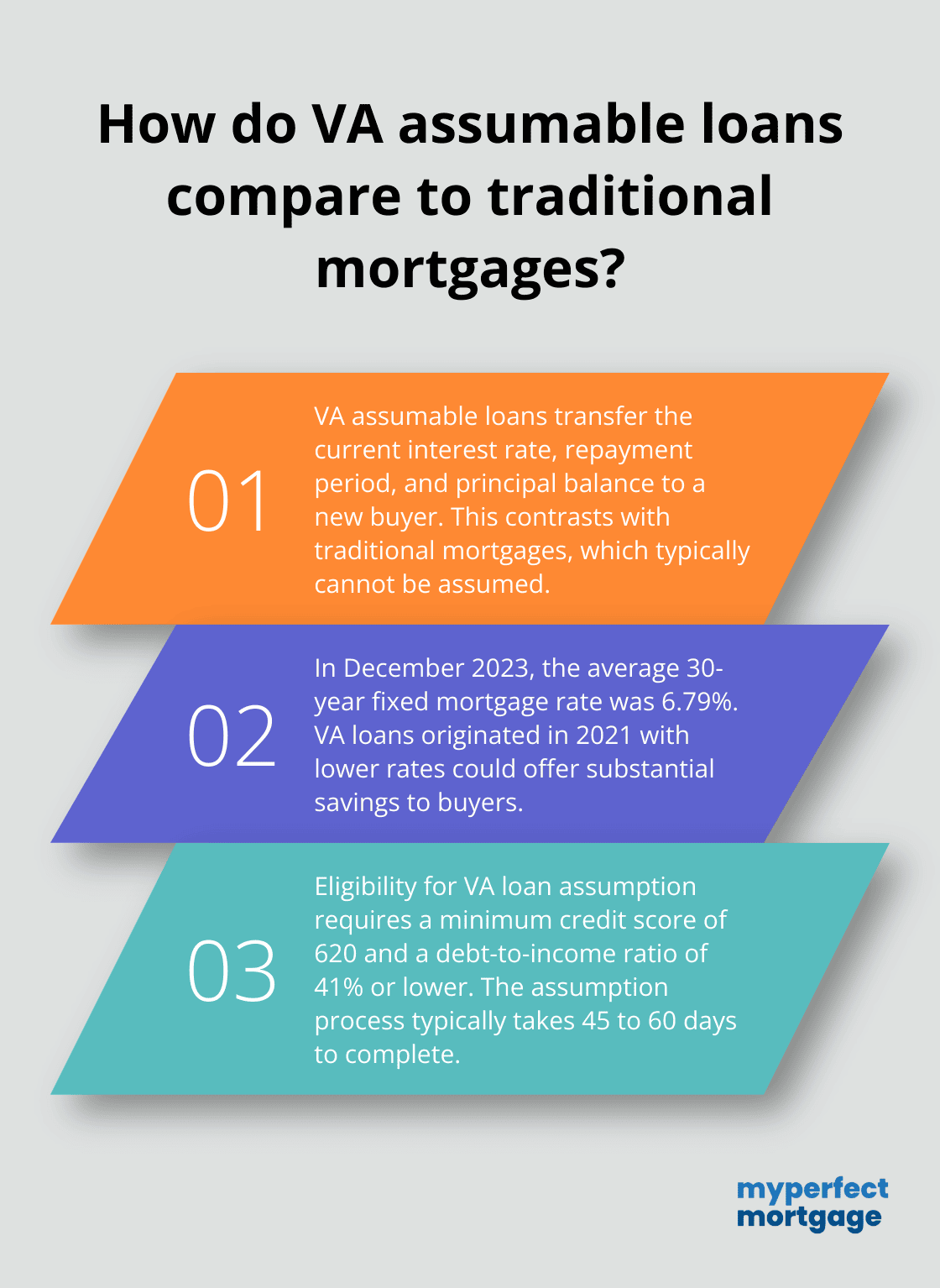
Yes, VA home loans are assumable, meaning a qualified buyer can take over the existing mortgage of a homeowner, including the historically low interest rate attached to it. This specialized financing provision allows eligible civilians and military members alike to step into a current Department of Veterans Affairs-backed loan, though the process requires careful navigation of lender approvals, funding fees, and entitlement transfers.
Understanding VA Loan Assumability
The short answer to whether VA loans are assumable is yes, but the mechanics behind an assumption involve specific guidelines established by the Department of Veterans Affairs. Under federal regulations, all VA-backed home loans are technically assumable, provided the lender or the servicing servicer approves the transaction. This means that a prospective homebuyer can take over the remaining balance, the repayment schedule, and, most importantly, the interest rate of the original borrower's mortgage.
In a real estate market characterized by fluctuating interest rates, an assumable mortgage represents a significant financial advantage. If a seller locked in a 3% interest rate several years ago, a buyer who assumes that loan inherits that exact 3% rate rather than securing a new loan at current market rates. However, this process is not automatic. It requires formal underwriting, administrative processing, and specific approvals from the mortgage servicer and, in some cases, the regional VA loan center.
Key Requirements and Eligibility for Buyers
While the loan itself is assumable, the person stepping into the mortgage must qualify for it. Unlike a traditional private assumption that might bypass strict financial checks, a VA loan assumption requires the new borrower to prove creditworthiness and financial stability to the loan servicer.
Credit and Income Standards
The mortgage servicer evaluates the assumptor using standard lending guidelines. While the VA itself does not set a hard minimum credit score for assumptions, individual lenders typically look for a stable credit history, adequate income, and a manageable debt-to-income (DTI) ratio. The buyer must demonstrate that they have the financial capacity to make the monthly mortgage payments on time.
Occupancy Requirements
Just like a standard VA purchase loan, an assumption requires the buyer to certify that they intend to occupy the property as their primary residence. Investment properties and secondary homes generally do not qualify for a VA loan assumption, ensuring that the program continues to serve its core purpose of supporting military and veteran housing.
Military Status and Entitlement
Interestingly, the person assuming a VA loan does not need to be a military service member, veteran, or eligible surviving spouse. Civilians can assume VA loans as long as they meet the lender's credit and income requirements. However, if a veteran does assume the loan and chooses to substitute their own VA entitlement for the seller's, specific rules apply regarding the preservation of future benefits.
The Assumption Process: Step-by-Step
Navigating a VA loan assumption requires patience, as the timeline is frequently longer than a standard real estate transaction. Because mortgage servicers process assumptions less frequently than traditional originations, administrative bottlenecks can occur.
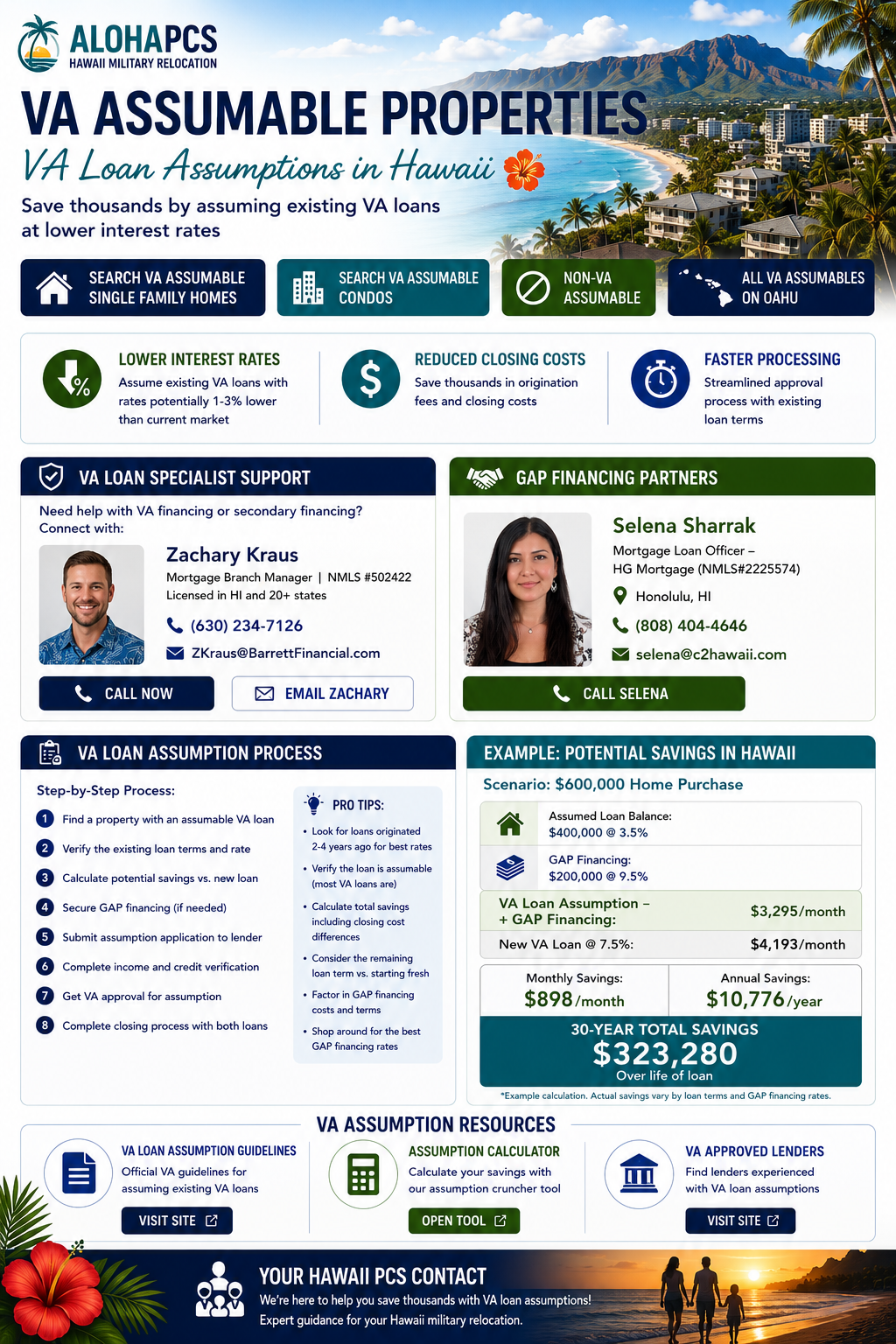
1. Initial Agreement: Buyer and seller agree on the sale and the assumption terms. 2. Servicer Application: The buyer submits financial and credit documents to the loan servicer. 3. Underwriting Review: The servicer evaluates credit, income, and debt-to-income ratios. 4. VA/Servicer Approval: Formal approval is granted, and processing fees are calculated. 5. Closing: Legal transfer of ownership and liability occurs via a formal assumption agreement.
The process begins when the seller and buyer enter into a purchase contract stipulating that the transaction is an assumption of the existing mortgage. The buyer then submits a formal application to the mortgage servicer, accompanied by documentation such as tax returns, pay stubs, and employment verification. Once the servicer underwrites and approves the application, the legal assumption documents are prepared and signed at closing, formally transferring the debt obligations.
Financial Considerations: Funding Fees, Equity, and Closing Costs
Taking over an existing loan does not mean walking away without upfront expenses. Buyers and sellers must account for several financial components during a VA assumption, particularly regarding the home's equity gap.
The Equity Gap and Down Payments
Over time, property values generally appreciate, and the original owner pays down the principal balance. The difference between the current market value of the home and the remaining balance of the VA loan is the equity gap. The buyer must pay this difference in cash, via secondary financing, or through a combination of both. For example, if a home is worth $400,000 and the remaining VA loan balance is $250,000, the buyer must bring $150,000 to the table to cover the equity owed to the seller.
The VA Funding Fee on Assumptions
VA loan assumptions carry a specific funding fee, which is typically 0.5% of the remaining loan balance at the time of the assumption. This fee helps offset the cost of the program. However, eligible veterans who would normally be exempt from the standard VA funding fee (such as those receiving VA disability compensation) are also exempt from the assumption funding fee, provided proper documentation is submitted.
Processing and Administrative Fees
Loan servicers charge administrative, processing, and transfer fees to handle an assumption. These costs cover the credit check, title search, and legal document preparation. While these fees are generally lower than the origination fees associated with a brand-new mortgage, buyers should budget for them ahead of time.
Impact on the Seller's VA Entitlement and Liability
One of the most critical aspects of a VA loan assumption—and one that frequently surprises sellers—involves the release of liability and the restoration of VA loan entitlement.
Release of Liability
When a buyer assumes a VA loan, the original borrower (the veteran) remains legally liable for the mortgage unless they formally obtain a Release of Liability from the loan servicer or the VA. If the new buyer eventually defaults on the loan and the seller never secured this release, the original veteran's credit score and financial standing can be severely damaged, and the government may pursue them for any losses. Securing a release of liability at the time of the assumption is non-negotiable for protecting the seller's financial future.
Entitlement Implications
VA loan entitlement determines how much a veteran can borrow without making a down payment. When a veteran sells a home via a VA assumption to a non-veteran (or a veteran who does not substitute their own entitlement), the original seller's entitlement remains tied up in that property. This means the seller cannot use their full remaining entitlement to buy another home until the assumed loan is fully paid off or refinanced.
If the buyer is an eligible veteran who agrees to substitute their own entitlement for the seller's, the original seller's entitlement can be fully restored, allowing them to utilize their VA loan benefits for their next real estate purchase.
Comparing VA Loan Assumptions to Traditional Sales
To understand whether an assumption is the right financial move, it helps to compare the mechanics and costs against a traditional property sale.
| Feature | VA Loan Assumption | Traditional Purchase Loan |
|---|---|---|
| Interest Rate | Inherits the seller's historical rate | Subject to current market rates |
| Eligibility | Open to civilians and veterans | Requires standard lender qualification |
| Funding Fee | 0.5% of the remaining loan balance | 1.25% to 3.3% of the total loan amount |
| Equity Requirement | Must cover the gap between price and loan balance | Down payment based on loan program guidelines |
| Processing Time | Often 45 to 90+ days (servicer dependent) | Typically 30 to 45 days |
| Entitlement Impact | May remain tied up unless substituted | Clears entirely upon sale and payoff |
Reviewing this breakdown highlights why assumptions are particularly attractive during periods of rising interest rates, even though they require navigating complex equity arrangements and longer closing timelines.
Frequently Asked Questions
Can anyone assume a VA loan, or do they have to be in the military?
Civilians can assume VA loans. There is no requirement for the buyer to be a veteran, active-duty service member, or military spouse. However, all buyers must still pass the lender's standard credit, income, and debt-to-income underwriting evaluations to ensure they can afford the monthly mortgage payments.
What happens to the seller's VA entitlement after an assumption?
If the buyer is a civilian, the seller's basic entitlement remains tied to that property until the loan is paid off or refinanced. This means the seller cannot purchase another home using a zero-down VA loan until that entitlement is freed up. If the buyer is an eligible veteran who substitutes their own entitlement, the seller's entitlement is fully restored.
How long does a VA loan assumption take to close?
VA loan assumptions typically take longer than traditional mortgage closings, often ranging from 45 to 90 days or more. Because mortgage servicers handle assumptions internally rather than through automated secondary market channels, administrative processing times can vary significantly between different financial institutions.
Is a home appraisal required for a VA loan assumption?
While the VA does not always mandate a formal appraisal for every assumption, the loan servicer or the parties involved may require one. An appraisal is frequently necessary to establish the current market value of the property, which dictates how much cash or secondary financing the buyer must bring to cover the equity gap.
Can a VA loan be assumed if the property is in foreclosure or default?
Generally, a VA loan can only be assumed if the mortgage is current and in good standing. If a loan is delinquent, the servicer will typically require the arrears to be paid in full before they will consider processing an assumption application, or they may deny the request entirely in favor of loss-mitigation options.
Conclusion and Next Actions
Assuming a VA home loan offers a powerful pathway to securing below-market interest rates and reducing upfront financing costs, but it demands careful planning from both buyers and sellers. Sellers must ensure they secure a formal release of liability to protect their credit and understand how the transaction affects their remaining VA entitlement. Buyers must prepare for the cash required to bridge any equity gaps and exercise patience with extended processing timelines.
To take the next step, contact the mortgage servicer currently holding the loan to request their specific assumption packet, review their financial requirements, and consult with a qualified real estate professional experienced in VA assumable transactions.