Vitamin C and calcium are entirely different substances with distinct chemical structures, biological functions, and sources. Vitamin C is a water-soluble organic compound essential for tissue repair and immune function, while calcium is a metallic chemical element and mineral crucial for building strong bones, enabling muscle contraction, and facilitating nerve signaling.
Introduction to Essential Micronutrients
When evaluating nutritional requirements and dietary supplements, people often encounter a wide array of vitamins, minerals, and compounds that sound equally important for daily health. Among these, vitamin C and calcium stand out as two of the most frequently discussed dietary components. However, a fundamental scientific distinction separates them: vitamin C is an organic vitamin, whereas calcium is an inorganic chemical element classified as a major dietary mineral.
Understanding whether vitamin C and calcium are the same requires looking beyond their shared presence in multivitamin formulations or fortified juices. They serve entirely different purposes within the human body, originate from different sources, and utilize distinct metabolic pathways. Confusing the two can lead to misconceptions about nutrition, dietary planning, and supplementation strategies. This comprehensive guide examines the chemical nature, biological functions, deficiency symptoms, dietary sources, and potential interactions of both nutrients to clarify why they are distinct pillars of human nutrition.
Defining Vitamin C: Chemical Properties and Biological Roles
Vitamin C, scientifically known as ascorbic acid, is a water-soluble micronutrient that humans cannot synthesize internally due to a genetic mutation in the gulonolactone oxidase enzyme pathway. Because the body neither manufactures nor stores vitamin C in significant quantities, it must be consumed regularly through the diet.
From a chemical perspective, vitamin C is a weak sugar acid structurally related to glucose. Its primary biological mechanism revolves around its potency as a reducing agent and antioxidant. By donating electrons, vitamin C neutralizes unstable free radicals—reactive oxygen species generated by normal metabolic processes and environmental exposures like UV radiation and pollution—thereby protecting cells from oxidative stress.
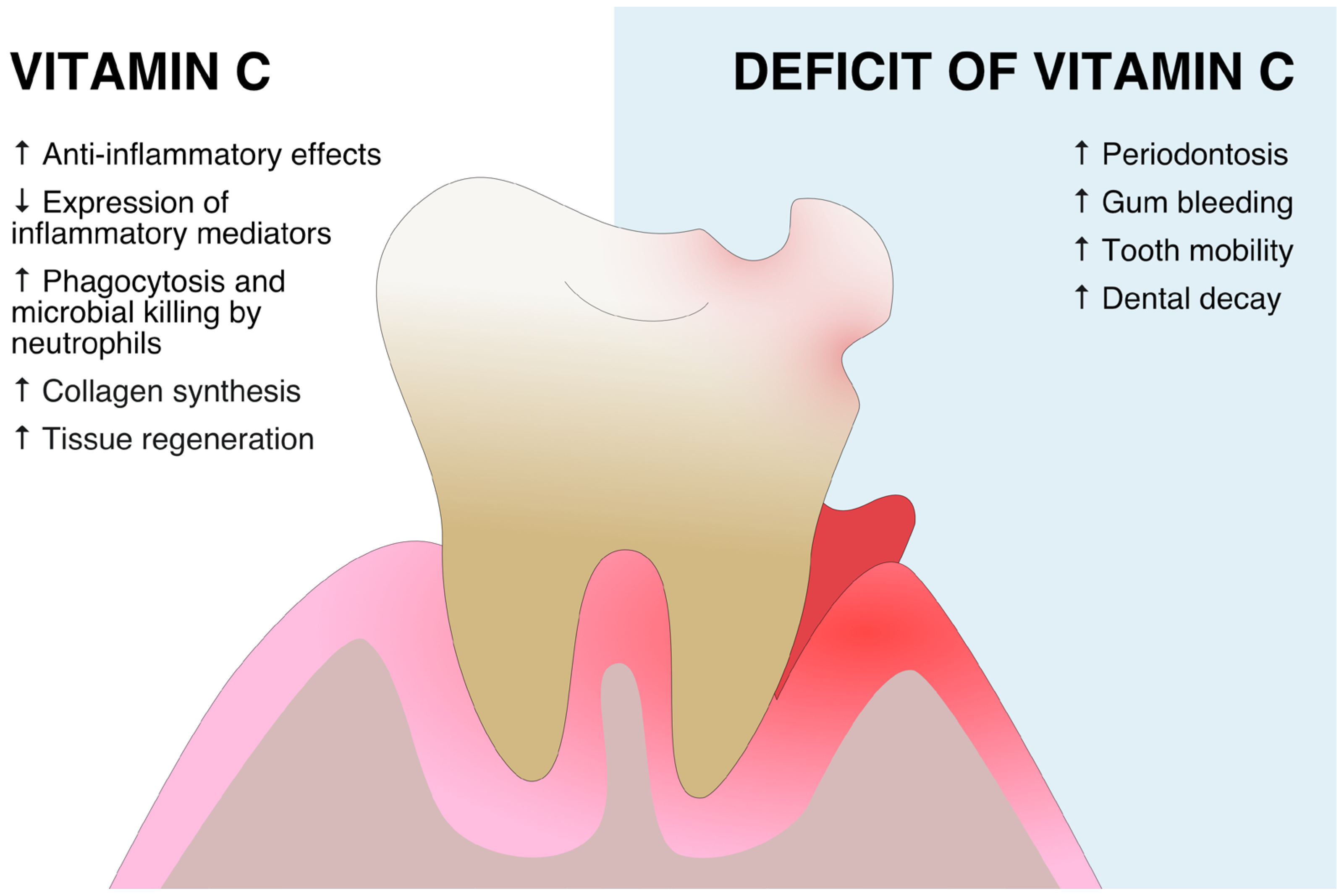
Beyond its antioxidant capacity, vitamin C plays a non-negotiable role in the synthesis of collagen, the most abundant structural protein in the body. Collagen forms the foundational matrix of skin, blood vessels, tendons, ligaments, cartilage, and bones. Without adequate vitamin C, the body cannot hydroxylate proline and lysine residues in collagen molecules, leading to defective structural integrity. Furthermore, vitamin C enhances the intestinal absorption of non-heme iron—the form of iron found in plant-based foods—by reducing ferric iron to ferrous iron, which is more soluble and readily absorbed by the digestive tract.
Common Sources and Deficiency of Vitamin C
Dietary sources of vitamin C are predominantly plant-based. Citrus fruits such as oranges, lemons, and grapefruits are well-known repositories, but bell peppers, strawberries, broccoli, Brussels sprouts, and kiwifruit often contain even higher concentrations per serving.
An acute, severe deficiency of vitamin C results in a condition known as scurvy. Characterized by fatigue, inflamed gums, petechiae (small red or purple spots on the skin), joint pain, and poor wound healing, scurvy occurs because the body fails to maintain adequate collagen synthesis. While overt scurvy is rare in modern developed nations, marginal deficiencies can still manifest as impaired immune response, delayed tissue recovery, and dry, rough skin.
Defining Calcium: Chemical Properties and Biological Roles
Calcium, denoted by the chemical symbol Ca and atomic number 20, is a metallic element belonging to the alkaline earth metals group on the periodic table. Unlike vitamins, which are complex organic molecules, calcium is a simple chemical element that cannot be broken down or synthesized by biological organisms.
In human biology, calcium is the most abundant mineral in the body. Approximately 99% of the body's total calcium resides within the skeleton and teeth, where it exists primarily in the form of hydroxyapatite crystals, providing structural rigidity and mechanical strength. The remaining 1% circulates in the blood, extracellular fluid, and soft tissues, where it performs vital regulatory functions.
Extracellular and intracellular calcium ions ($Ca^{2+}$) act as indispensable second messengers in cellular signaling cascades. When a motor nerve stimulates a muscle fiber, calcium ions are released from the sarcoplasmic reticulum, binding to troponin and initiating the sliding filament theory of muscle contraction. Calcium is also required for blood coagulation, functioning as a cofactor for several clotting factors in the coagulation cascade. Additionally, it regulates blood vessel contraction and dilation (vasomotor tone) and modulates the secretion of various hormones and neurotransmitters.
Common Sources and Homeostasis of Calcium
Dietary calcium is widely distributed across dairy products, including milk, cheese, and yogurt, which offer high bioavailability. Non-dairy sources include dark leafy greens (such as kale and bok choy), fortified plant milks, canned fish with bones (like sardines and salmon), and calcium-set tofu.
Unlike water-soluble vitamins, which the kidneys rapidly excrete when consumed in excess, calcium balance is tightly regulated by a complex endocrine feedback loop involving parathyroid hormone (PTH), calcitonin, and calcitriol (the active form of vitamin D). If dietary calcium intake drops, parathyroid hormone stimulates bone resorption to release calcium into the bloodstream, maintaining tight physiological ranges necessary for cardiac and neurological function. Over time, however, persistent dietary deficits force the body to continuously draw from skeletal reserves, increasing the risk of osteopenia and osteoporosis.
Direct Comparison of Vitamin C and Calcium
To clearly delineate the differences between these two vital nutrients, the following table compares their core characteristics, classifications, and primary biological functions.
| Feature | Vitamin C (Ascorbic Acid) | Calcium |
|---|---|---|
| Nutrient Classification | Water-soluble organic vitamin | Major dietary mineral (chemical element) |
| Primary Chemical Nature | C6H8O6 (Sugar acid derivative) | Ca²⁺ (Metallic chemical element) |
| Primary Storage Site | Minimal storage; active tissues and fluids | 99% stored in bones and teeth |
| Main Biological Function | Collagen synthesis, antioxidant defense, iron absorption | Bone/tooth structure, muscle contraction, nerve signaling |
| Deficiency Condition | Scurvy | Osteoporosis, tetany, hypocalcemia |
| Primary Dietary Sources | Citrus fruits, bell peppers, berries, cruciferous vegetables | Dairy products, fortified foods, leafy greens, small fish with bones |
Dietary Interactions and Combined Supplementation
Although vitamin C and calcium are distinct entities, they frequently interact within human nutrition and supplementation practices. One notable intersection involves mineral absorption and gastrointestinal tolerance.
Calcium supplements are often manufactured in different chemical forms, such as calcium carbonate or calcium citrate. Calcium citrate is water-soluble and does not strictly require stomach acid for optimal absorption, making it suitable for individuals with hypochlorhydria or those taking acid-reducing medications. Conversely, calcium carbonate requires an acidic gastric environment to dissociate efficiently. When individuals take combined formulations or consume acidic foods containing vitamin C alongside calcium, the localized acidic environment can enhance the ionization and subsequent uptake of certain minerals.
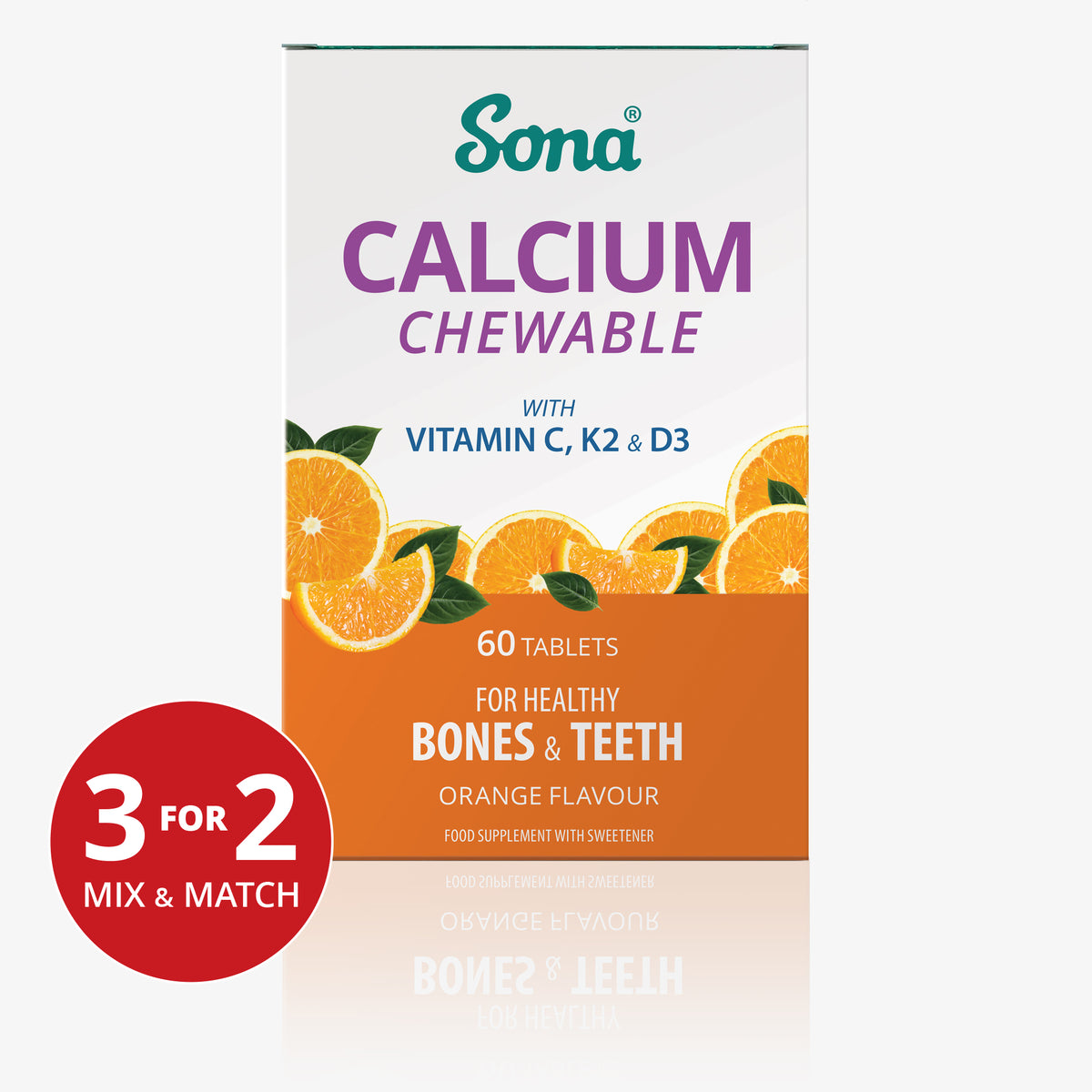
Furthermore, pharmaceutical manufacturers frequently combine vitamin C and calcium in effervescent tablets or multivitamin powders. In these products, vitamin C is present as ascorbic acid or mineral ascorbates (such as calcium ascorbate). Calcium ascorbate is a buffered form of vitamin C where ascorbic acid is reacted with calcium carbonate, yielding a compound that delivers both vitamin C and calcium while neutralizing the inherent acidity of pure ascorbic acid. This formulation reduces gastrointestinal irritation for individuals with sensitive stomachs who require high doses of vitamin C.
Safety, Toxicity, and Tolerable Upper Intake Levels
Both nutrients possess established safety profiles set by regulatory bodies such as the Food and Nutrition Board of the National Academies of Sciences, Engineering, and Medicine, though their toxicity profiles differ significantly.
Excess vitamin C intake via natural foods poses virtually no risk because the kidneys efficiently filter and excrete unabsorbed amounts. However, megadoses of vitamin C supplements (exceeding 2,000 milligrams per day) can cause gastrointestinal distress, osmotic diarrhea, and abdominal cramps. In rare cases, high levels of ascorbic acid metabolism can increase urinary oxalate excretion, potentially elevating the risk of kidney stone formation in susceptible individuals.
Excess calcium intake, particularly from high-dose supplements rather than dietary sources, carries distinct physiological risks. Consuming excessive calcium can lead to hypercalcemia (abnormally high blood calcium levels), which causes symptoms such as nausea, frequent urination, muscle weakness, and confusion. Chronic excessive calcium supplementation has also been associated with soft tissue calcification, kidney stones, and potential interference with the absorption of other essential minerals, such as iron, zinc, and magnesium, due to competitive binding in the intestinal tract.
Frequently Asked Questions
Can vitamin C help the body absorb calcium?
While vitamin C dramatically enhances the intestinal absorption of iron, its direct impact on calcium absorption is less pronounced. However, maintaining adequate overall micronutrient status ensures optimal physiological function. In specific supplement formulations like calcium ascorbate, vitamin C is chemically bound to calcium to buffer acidity and deliver both compounds simultaneously.
Are vitamin C and calcium both destroyed during cooking?
Vitamin C is heat-sensitive and water-soluble, meaning prolonged boiling or high-heat cooking can leach the vitamin into cooking water or degrade its chemical structure. In contrast, calcium is an elemental mineral and cannot be destroyed by heat, light, or oxygen during cooking, though it can leach into cooking liquids if boiling vegetables.
Do multivitamins combine vitamin C and calcium effectively?
Many comprehensive multivitamins include both nutrients, but formulation challenges exist. Because calcium is a bulky mineral requiring significant physical space in a tablet, standard daily multivitamins rarely contain 100% of the recommended daily allowance for calcium, as pills would become impractically large. Vitamin C is much easier to include in high percentages within standard capsule sizes.
Can I get enough vitamin C and calcium on a plant-based diet?
Yes, a well-planned plant-based diet easily provides adequate vitamin C through fruits and vegetables. Securing enough calcium requires intentional focus on calcium-set tofu, fortified plant milks, almonds, and dark leafy greens, as eliminating dairy removes the most concentrated conventional source of dietary calcium.
Practical Next Steps for Nutritional Planning
Ensuring a balanced intake of both vitamin C and calcium supports long-term musculoskeletal and metabolic health. Reviewing current dietary patterns is the most effective starting point; individuals should incorporate a diverse array of colorful vegetables and citrus fruits to meet vitamin C needs while including dairy, fortified foods, or dark greens for calcium.
Anyone considering high-dose supplementation for either nutrient should consult a qualified healthcare professional or registered dietitian. Blood tests and clinical evaluations can accurately determine baseline nutrient status, prevent antagonistic interactions with prescription medications, and guide safe supplementation strategies tailored to individual health requirements.