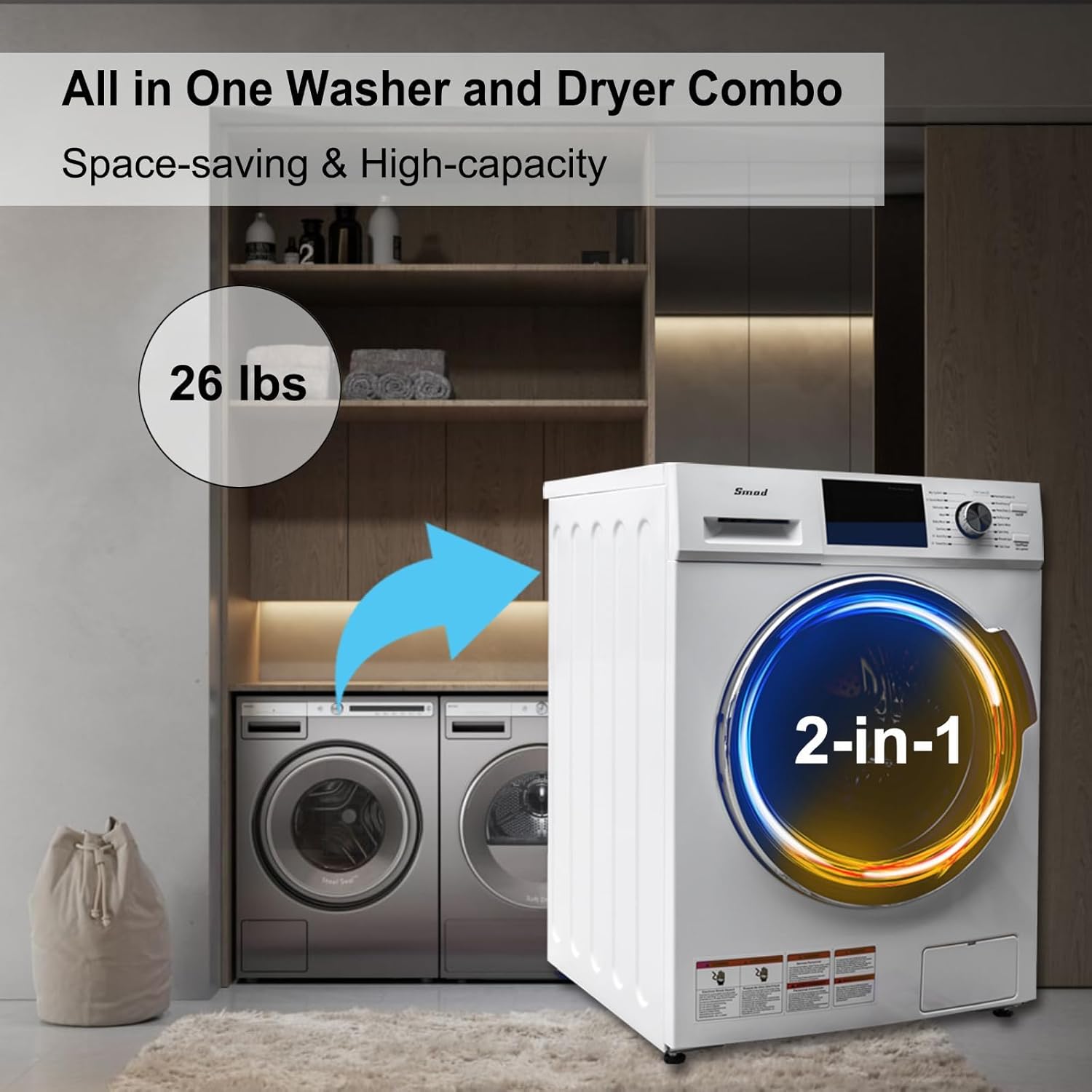
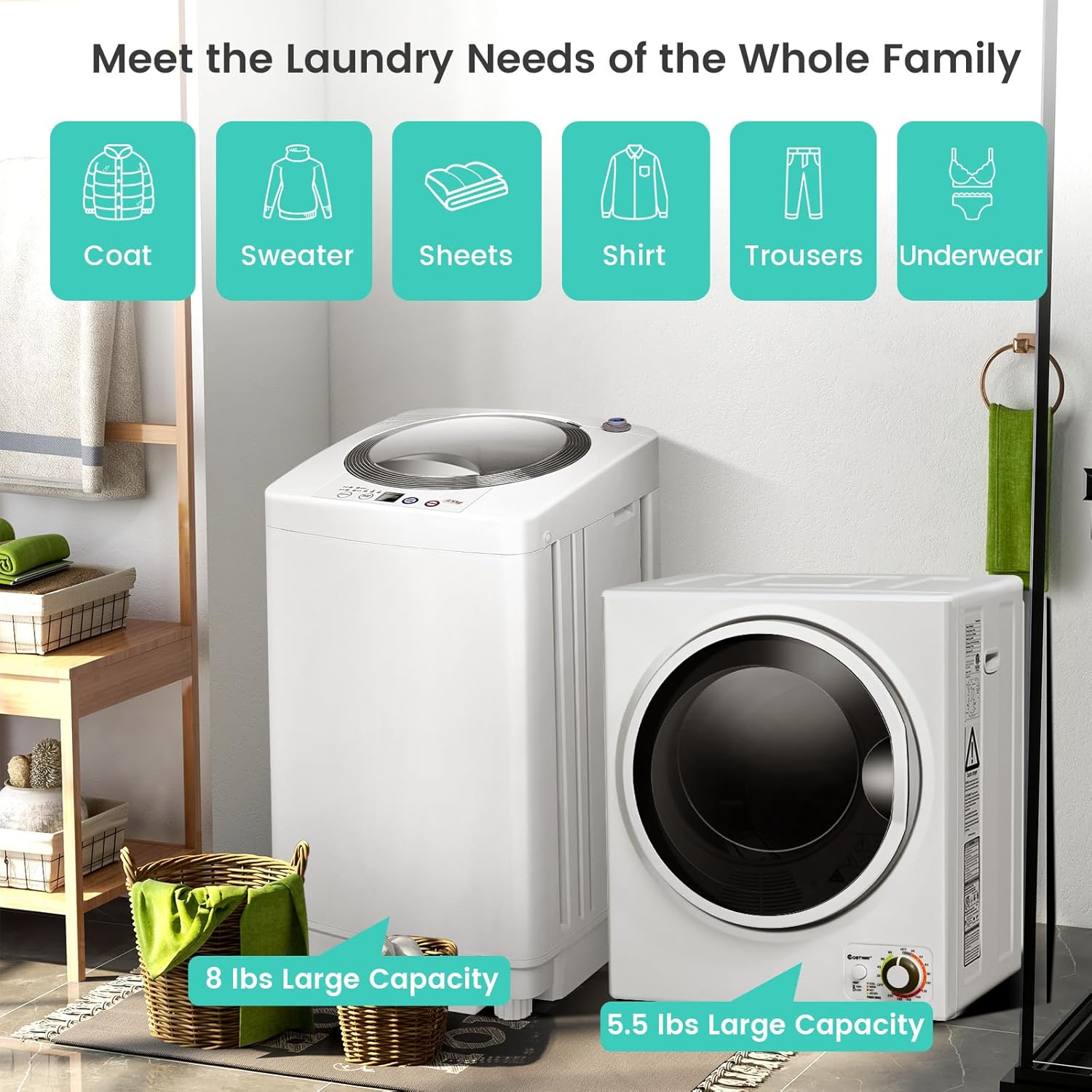
Washer dryer combos are worth it if you have strict space limitations, lack access to external dryer venting, or prefer the convenience of setting a single machine to wash and dry clothes continuously. However, they are generally not worth it if you have large laundry volumes, require fast cycle times, or expect traditional dryer performance.
The modern laundry appliance market offers a compelling solution for urban apartments, tiny homes, vacation properties, and utility rooms where square footage is at a premium: the washer dryer combo. Also known as all-in-one laundry centers, these appliances combine a front-load washing machine and an electric clothes dryer into a single chassis. While popular in Europe and parts of Asia for decades, these units have evolved significantly in North American and global markets through advanced heat pump technology and smart features. Deciding whether a combination unit is a wise investment requires examining how they operate, their real-world pros and cons, installation realities, and how they compare to traditional side-by-side setups.
Understanding How Washer Dryer Combos Work
To determine if a combination laundry unit fits your lifestyle, you must first understand the mechanics behind them. Unlike a traditional setup where you transfer wet clothes from a washer to a separate dryer tumbler, a combo unit handles both processes in a single drum.
The Washing Phase
During the wash cycle, a washer dryer combo functions much like any standard front-load washing machine. Water enters the drum, detergent is dispensed, and the clothes are tumbled back and forth to loosen dirt and stains. High-speed spin cycles then extract the bulk of the water from the fabrics using centrifugal force.
The Drying Phase
The drying phase is where these appliances differ drastically from conventional electric or gas dryers. Traditional dryers blow heated air through tumbling clothes and vent the moist air outside your home. Most washer dryer combos use one of two internal systems:
- Vented Models: Increasingly rare, these units require a standard exhaust vent to expel hot, humid air outside, much like a conventional dryer.
- Condenser and Heat Pump Models: The vast majority of modern all-in-one units are ventless. Ventless condenser models use cold water to condense moisture out of the air inside the drum, draining the water away. Advanced heat pump models recycle air through a closed-loop refrigeration system, pulling moisture from the air while conserving energy and operating at lower temperatures. Because they do not require an exterior wall exhaust duct, they can be installed virtually anywhere with a water supply, drain, and standard electrical outlet.
Practical Advantages: Why People Choose Combo Units
Washer dryer combos offer distinct benefits that make them indispensable for certain households. For many buyers, the spatial and operational advantages easily outweigh their limitations.
Space-Saving Footprint
The most prominent advantage of a washer dryer combo is its compact footprint. Traditional laundry setups require space for two large side-by-side appliances or vertical stacking kits, often demanding a dedicated laundry room or a wide closet. A combination unit fits into a narrow hallway alcove, beneath a kitchen counter, inside a bathroom closet, or within studio apartments where every square inch counts.
True Ventless Installation
Traditional dryers require an exhaust duct leading to the outside of the building to prevent indoor humidity, mold growth, and lint accumulation. Installing exterior venting in high-rise condominiums, historic homes, or rented spaces is often impossible, expensive, or prohibited by building codes. Because modern heat pump combos are entirely ventless, they require only a standard 120-volt or 240-volt electrical connection, a water inlet, and a standard standpipe or sink drain.
Set-It-and-Forget-It Convenience
One of the most praised features of an all-in-one machine is the ability to load dirty clothes, add detergent, program the cycle, and return hours later to clean, dry laundry. You never have to worry about missing the window to switch damp clothes from the washer to the dryer, eliminating the sour, musty odors that develop when wet laundry sits unattended.
Gentle Fabric Care
Heat pump washer dryer combos dry clothes at significantly lower temperatures than conventional electric resistance dryers. This gentler drying process reduces fabric wear, prevents excessive shrinkage, and extends the lifespan of delicate garments, activewear, and everyday apparel.
The Drawbacks: Why Some Buyers Regret Their Purchase
Despite their innovative design, washer dryer combos come with specific performance trade-offs that frustrate unprepared buyers. Understanding these limitations is crucial to avoiding buyer's remorse.
Extended Cycle Times
The most common complaint regarding washer dryer combos is the length of time required to complete a full wash-and-dry cycle. Because drying takes place in the same drum using lower thermal energy, a combined cycle can easily take anywhere from three to six hours depending on load size and fabric type. If you have large families or generate mountains of laundry that require back-to-back loads, a single combo unit will struggle to keep up.
Smaller Capacity Limitations
While a combination machine may hold a large amount of laundry for washing, it can only dry about half to two-thirds of that wet volume effectively. If you pack the drum to maximum washing capacity, you must remove half the clothes before starting the dry cycle, or split the load in half from the start. Overloading the drying phase results in damp clothes and excessively long drying times.
Maintenance and Lint Management
Traditional dryers capture lint in an easily accessible trap after every load. Many washer dryer combos lack a simple, accessible manual lint filter for the drying cycle. Instead, lint is often rinsed away automatically during subsequent wash cycles or collects in internal condensers. This requires periodic manual cleaning of internal components or running specialized tub-cleaning cycles to prevent lint buildup, odors, and reduced drying efficiency.
Repair Complexity and Cost
Because washer and dryer mechanisms are housed within a single chassis, these appliances are mechanically complex. If a component fails—such as the heating element, water pump, or electronic control board—diagnosing and repairing the unit can require specialized technical knowledge. Replacement parts can be expensive, and finding a local technician experienced in repairing high-end ventless combo units can occasionally prove challenging.
Comparing Laundry Solutions
To help clarify your decision, examine how washer dryer combos compare across key performance and installation metrics against traditional setups and stackable units.
| Feature | Washer Dryer Combo (Ventless) | Traditional Side-by-Side | Stackable Washer & Dryer |
|---|---|---|---|
| Space Required | Minimal (Single footprint) | Large (Double footprint) | Moderate (Vertical footprint) |
| Venting Needed | None | Required (Dryer exhaust) | Required (Dryer exhaust) |
| Electrical Needs | Often 120V or 240V | 240V for dryer + 120V for washer | 240V for dryer + 120V for washer |
| Cycle Duration | Long (3 to 6 hours total) | Fast (1 to 2 hours parallel loads) | Fast (1 to 2 hours parallel loads) |
| Capacity | Smaller drying capacity | Large capacity | Moderate to large capacity |
| Convenience | Single-load automation | Manual transfer required | Manual transfer required |
Who Should Buy a Washer Dryer Combo?
Evaluating whether a combo unit is worth your money depends entirely on your living situation, daily routine, and spatial constraints.
Ideal Candidates
- Urban Dwellers and Renters: Individuals living in apartments, condos, or tiny homes where space is limited and exterior venting is absent.
- Small Households: Single professionals, couples, or empty nesters who generate moderate weekly laundry volumes and prefer doing smaller, frequent loads.
- Busy Schedules: People who value automation and want to load laundry before leaving for work, returning home to clean and dry garments without manual intervention.
- Eco-Conscious Consumers: Homeowners seeking energy-efficient appliances, as modern heat pump combos consume significantly less electricity than traditional electric dryers.
Who Should Avoid Them
- Large Families: Households with children, athletes, or frequent heavy laundry demands that require running multiple large loads back-to-back every day.
- Impatient Users: Individuals who need clothes washed and dried rapidly on demand.
- Budget-Centric Shoppers: Buyers looking for the lowest upfront appliance cost combined with inexpensive, straightforward maintenance.
Frequently Asked Questions
Do washer dryer combos shrink clothes more than regular dryers?
No, they generally shrink clothes less. Because ventless heat pump combo units utilize lower drying temperatures than conventional electric resistance dryers, they are gentler on fabrics and reduce thermal shock, lowering the likelihood of unexpected garment shrinkage.
Can you wash a full load and dry a full load at the same time?
No. A combo unit can wash a larger volume of clothes than it can dry efficiently. To achieve proper airflow and drying performance, you must either reduce the size of the initial wash load or remove half of the wet laundry before initiating the drying cycle.
Do washer dryer combos require special plumbing?
Standard plumbing is sufficient. They connect to standard hot and cold water supply lines and discharge water through a standard drain hose into a standpipe, laundry tub, or drain connection, exactly like a standalone washing machine.
How much electricity do washer dryer combos use?
Modern heat pump washer dryer combos are exceptionally energy-efficient. Because they recycle heat through a closed-loop system rather than venting heated air outside, they can consume up to 50% less energy than traditional electric dryers, often plugging directly into standard 120-volt household outlets.
Do these machines smell or trap mold easily?
Like any front-load washing machine, moisture can become trapped in the rubber door gasket if the door is left closed between cycles. To prevent odors and mold growth, leave the door slightly ajar after use to allow the drum to air out completely.
Final Recommendation
Washer dryer combos represent a triumph of space-saving engineering, making laundry possible in homes that otherwise lack the space or infrastructure for traditional appliances. If your lifestyle accommodates longer cycle times and moderate laundry loads, the convenience, gentle fabric care, and flexible placement of a ventless combo unit make it a worthwhile investment. Assess your household size, spatial constraints, and patience for extended cycle times before purchasing to ensure the appliance aligns with your daily routine.