Generally, VA life insurance benefits are not taxable to the beneficiary. When a veteran passes away, the proceeds paid out from Department of Veterans Affairs life insurance programs—such as Servicemembers' Group Life Insurance, Veterans' Group Life Insurance, and related federal policies—pass to designated beneficiaries completely free from federal income tax.
Navigating the financial aftermath of a veteran’s passing involves sorting through various administrative duties, financial accounts, and government benefits. For families and loved ones designated as beneficiaries, understanding the tax implications of life insurance payouts is a critical concern during an already difficult time. While commercial life insurance policies carry specific rules regarding interest earnings and estate taxes, Department of Veterans Affairs (VA) life insurance programs operate under unique federal guidelines.
This comprehensive guide examines how VA life insurance policies are treated under federal and state tax laws, what exceptions or special circumstances might apply, how these funds interact with estate administration, and the practical steps beneficiaries must take when filing claims in 2026.
Understanding VA Life Insurance Programs and Payout Structures
The Department of Veterans Affairs administers several distinct life insurance programs tailored to active-duty service members, National Guard and Reserve members, veterans, and their families. To understand the tax treatment of these payouts, it is helpful to look at the primary policies managed through the Office of Servicemembers' Group Life Insurance (OSGLI) and the VA.
The core programs include:
- Servicemembers' Group Life Insurance (SGLI): A low-cost group term life insurance program for eligible active-duty service members, reservists, and members of the National Guard.
- Veterans' Group Life Insurance (VGLI): Allows veterans to convert their SGLI coverage into a lifetime renewable term insurance policy after leaving service.
- Family Servicemembers' Group Life Insurance (FSGLI): Extends term life insurance coverage to spouses and dependent children of active-duty or reservist service members covered by SGLI.
- Service-Disabled Veterans Life Insurance (S-DVI): Designed for veterans with service-connected disabilities, offering traditional life insurance options (though closed to new applications, existing policyholders maintain coverage).
- Veterans Affairs Life Insurance (VALife): Introduced to provide guaranteed acceptance whole life insurance coverage to any veteran age 80 or under with a service-connected disability rated from 0% to 100%.
Regardless of which specific program issued the policy, the lump-sum death benefit distributed to the named beneficiary is treated consistently under federal tax law. The underlying philosophy of these government-backed programs is to provide unencumbered financial support to surviving dependents without diminishing the payout through federal tax levies.
Federal Income Tax Treatment of VA Life Insurance Payouts
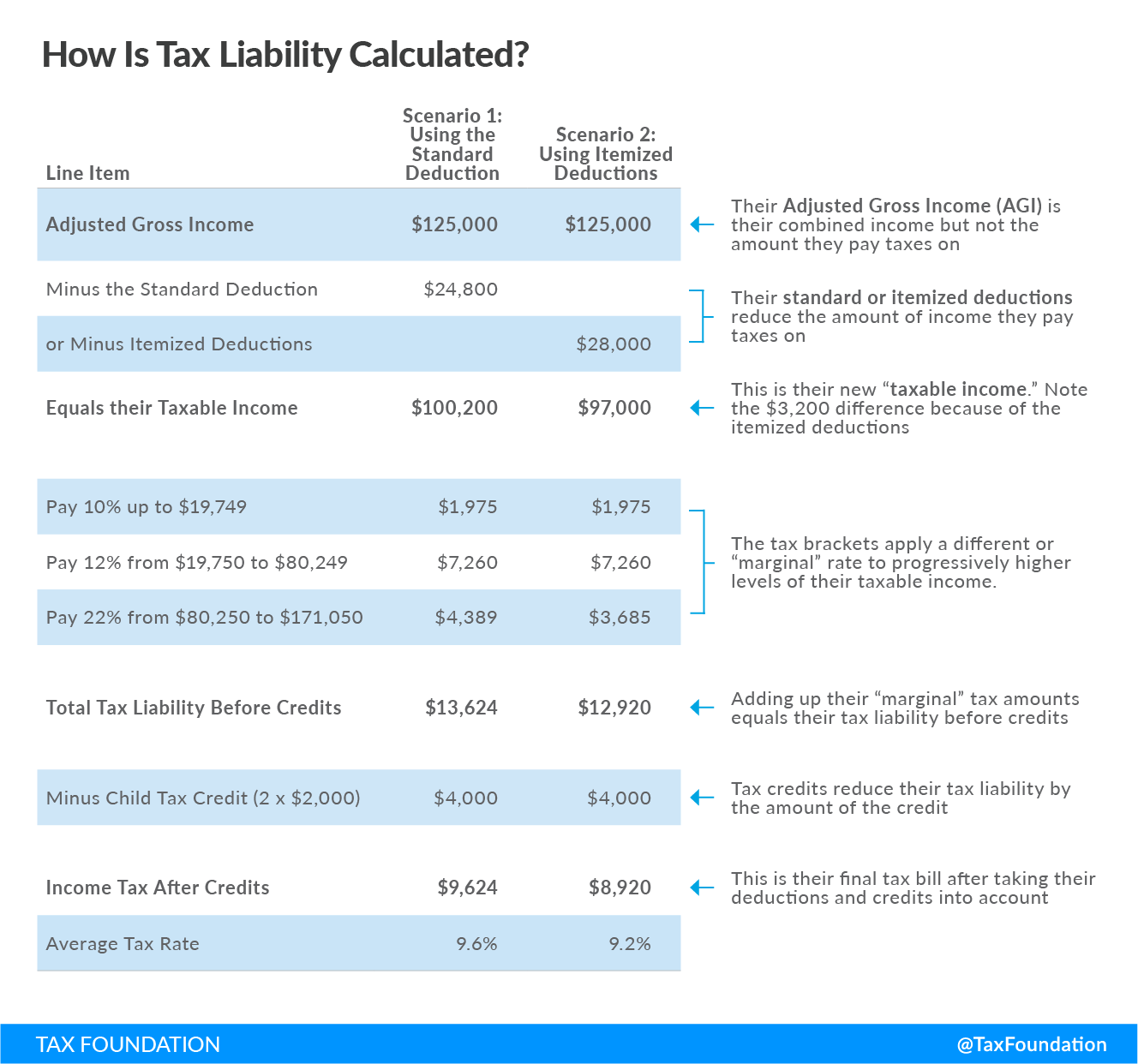
Under the United States Internal Revenue Code (IRC), life insurance proceeds paid out due to the death of the insured are generally excluded from gross income. Specifically, Internal Revenue Code Section 101(a)(1) dictates that gross income does not include amounts received under a life insurance contract, if such amounts are paid-by reason of the death of the insured.
Because VA life insurance policies fall under federal statutes governing government insurance programs, this exclusion applies fully. When a beneficiary receives a lump-sum death benefit from SGLI, VGLI, VALife, or S-DVI, that money is considered tax-free. The beneficiary is not required to report the payout as taxable income on their federal individual income tax return (IRS Form 1040), and the payment does not increase their adjusted gross income (AGI).
The Exception: Interest Earned on Delayed Payouts
While the principal death benefit is entirely tax-free, a crucial nuance exists regarding interest. If the VA or the insurance administrator holds the death benefit funds for a period before distribution—or if the beneficiary chooses to receive the payout in installments rather than a single lump sum—any interest earned on that principal amount is taxable.
- Lump-Sum Payouts: If the beneficiary receives the total face value of the policy immediately upon claim approval, no interest accumulates, and the entire amount remains tax-free.
- Retained Asset Accounts or Installments: If the funds sit in an interest-bearing account or are paid out over a multi-year schedule with added interest, the interest portion of those payments must be reported as taxable interest income. The administrator will issue an IRS Form 1099-INT detailing the exact interest earned for that tax year.
State Tax Considerations for VA Life Insurance
Just as federal law exempts VA life insurance proceeds from income tax, the vast majority of U.S. states mirror this exemption for state income tax purposes. If a state levies an individual income tax, its tax code typically conforms to federal rules regarding the exclusion of life insurance death benefits from gross income.
However, beneficiaries must remain mindful of two distinct types of state-level levies that occasionally intersect with estate and inheritance planning:
- State Income Tax: In states with personal income taxes, lump-sum VA life insurance benefits are excluded from taxable income, matching federal treatment. Only interest earned on installment payments or delayed disbursements is subject to state income taxation.
- State Inheritance and Estate Taxes: A small number of states impose an inheritance tax (paid by the recipient based on their relationship to the decedent) or an estate tax (paid out of the estate before distribution). While federal estate taxes rarely impact standard VA insurance payouts unless the estate is exceptionally large, state-level rules vary. Generally, life insurance proceeds payable to a named beneficiary bypass probate and are protected from state estate or inheritance taxes, but beneficiaries residing in states with aggressive tax codes should consult a local tax professional to verify state-specific statutes.
VA Life Insurance vs. Commercial Life Insurance Tax Rules
To provide clearer context on how government benefits stand apart from private sector products, it is useful to compare VA life insurance tax rules with those governing commercial life insurance policies.
| Feature | VA Life Insurance (SGLI, VGLI, VALife) | Commercial Term & Whole Life Insurance |
|---|---|---|
| Lump-Sum Death Benefit | 100% Federal Income Tax-Free | 100% Federal Income Tax-Free (IRC § 101) |
| State Income Tax on Payout | Generally Exempt | Generally Exempt |
| Tax on Policy Dividends | N/A (Term/Whole structures vary, but generally tax-free returns of premium) | Tax-free up to the total cost basis; taxable if withdrawals exceed premiums paid |
| Estate Tax Inclusion | Generally excluded if the insured retained no "incidents of ownership" | Included in the gross estate if the insured owned the policy or held incidents of ownership |
| Transfer for Value Rule | Not applicable (issued directly by government/administrator) | Can trigger taxation if a policy is sold or transferred for valuable consideration |
As detailed in the comparison table, the fundamental tax-free nature of the lump-sum death benefit remains consistent across both sectors. However, commercial policies often involve complex cash-value growth, policy loans, and ownership structures that can inadvertently trigger tax liabilities if mismanaged. VA life insurance policies—primarily operating as group term or straightforward whole life products—avoid many of these commercial complications.
Impact on Estate Taxes and Probate
When a veteran passes away, their assets may be subject to estate administration, probate court oversight, and potentially federal estate taxes. How VA life insurance interacts with an estate depends entirely on how the beneficiary designation was handled.
Bypassing Probate Through Designated Beneficiaries
The primary advantage of naming a specific individual (or multiple individuals) as a beneficiary on a VA life insurance policy is that the proceeds bypass the probate process entirely.
- Probate is the legal process through which a court validates a will and oversees the distribution of a deceased person's estate.
- Because life insurance contracts dictate a direct contractual transfer of funds from the insurer to the named beneficiary, the money does not flow through the probate estate.
- Consequently, creditors of the deceased generally cannot lay claim to VA life insurance proceeds, and the funds are distributed much faster than traditional probate assets.
Estate Taxation and the Gross Estate
Under federal estate tax laws, the value of life insurance policies owned by the decedent at the time of death is sometimes included in the gross estate for estate tax calculation purposes. For federal estate tax exemptions in 2026, the threshold remains historically high, meaning only multi-million-dollar estates face federal taxation.
For VA life insurance specifically, courts and the IRS generally view government-administered group policies favorably regarding estate inclusion, provided the service member or veteran did not assign ownership to an entity that triggers inclusion rules. If the estate is modest, estate tax liability is nonexistent.
What Happens If There Is No Named Beneficiary?
A common complication arises when a veteran passes away without having designated a beneficiary on their SGLI, VGLI, or VALife policy, or if all named beneficiaries have predeceased the veteran. When no valid beneficiary designation exists, the VA or the policy administrator (such as Prudential for SGLI/VGLI) follows a strict statutory order of precedence to distribute the funds.
The standard order of precedence established by law for VA life insurance payouts is:
- Spouse: The lawful surviving spouse at the time of death.
- Children: The children of the veteran in equal shares, with the share of any deceased child passing to their descendants by representation.
- Parents: The parents of the veteran in equal shares (or the surviving parent).
- Executor or Administrator: The duly appointed executor or administrator of the veteran's estate.
- Next of Kin: Other next of kin entitled under the laws of the veteran's domicile at the time of death.
Tax Implications of Estate-Paid Benefits
If the life insurance payout defaults to the executor or administrator of the estate because no living relatives in the preferred categories exist, the funds become part of the probate estate.
- While the insurance proceeds themselves retain their tax-free status as death benefits under IRC Section 101, paying them into the estate means they are now subject to estate administration, claims from legitimate creditors, and potential state estate or inheritance taxes.
- Once inside the estate, how those funds are ultimately distributed to heirs depends on the veteran’s will or state intestacy laws, which can introduce administrative complexities and potential tax burdens that direct beneficiary designations successfully avoid.
Step-by-Step Guide for Beneficiaries Claiming VA Life Insurance
Filing a claim for VA life insurance benefits requires adherence to specific administrative procedures. Ensuring these steps are completed accurately prevents payment delays and clarifies any documentation requirements.
- Obtain Certified Copies of the Death Certificate: The beneficiary will need multiple certified copies of the death certificate issued by the vital statistics office or local health department where the veteran passed away. Financial institutions and insurance administrators require certified copies—not photocopies—to process claims.
- Locate Policy Information: Identify the specific VA insurance program. For SGLI and VGLI, policies are typically administered through Prudential via the Office of Servicemembers' Group Life Insurance (OSGLI). For older programs like S-DVI or current VALife policies, the claim goes directly through the Department of Veterans Affairs.
- Complete the Appropriate Claim Form:
- For SGLI or VGLI, complete Form SGLV 8283 (Claim for Death Benefits).
- For VALife or legacy VA policies, contact the VA Life Insurance Center or complete the designated VA death benefit claim form.
- Submit Documentation to the Administrator: Mail or securely upload the completed claim form along with a certified copy of the death certificate. If the service member died while on active duty, the casualty assistance officer assigned to the family will typically assist with gathering and submitting this paperwork.
- Select Payout Method: Decide whether to receive the funds via a single lump-sum check, an electronic funds transfer (EFT) directly to a bank account, or through a retained asset account (if offered by the administrator). Remember that lump-sum transfers avoid any potential interest-reporting complications.
Frequently Asked Questions
Do beneficiaries have to report VA life insurance payouts on their tax returns?
No. Lump-sum death benefits received from VA life insurance programs like SGLI, VGLI, or VALife are completely exempt from federal income tax. Beneficiaries do not need to report the principal payout on IRS Form 1040, as these funds do not count as taxable gross income.
Are there any taxes if the payout is received in installments?
The principal amount remains tax-free, but any interest generated by holding or deferring the payout is taxable. If the insurance administrator pays the benefit out over time with added interest, that specific interest portion must be reported as taxable income, and the payer will issue a Form 1099-INT.
Can creditors seize VA life insurance benefits to pay off the deceased veteran’s debts?
Generally, no. When life insurance proceeds are paid directly to a named beneficiary, they bypass the probate estate and are protected from the claims of the veteran's creditors. However, if no beneficiary is named and the funds default to the veteran's estate, they become subject to estate claims and creditor settlements.
Do surviving spouses have to pay state inheritance tax on VA life insurance?
In most states, life insurance proceeds payable to a named beneficiary are exempt from state inheritance and estate taxes. Surviving spouses are also universally exempt from federal estate taxes and nearly all state inheritance taxes. Local state tax codes should be reviewed for specific filing thresholds.
What happens if the primary beneficiary passes away before the veteran?
If the primary beneficiary predeceases the veteran and no contingent beneficiary was named, the payout reverts to the statutory order of precedence. This means the funds pass to the surviving spouse, children, parents, or the estate in a strict legal hierarchy established by federal regulations governing the insurance program.
Conclusion and Next Actions
For families navigating the loss of a veteran, the financial relief provided by VA life insurance programs is an essential support mechanism. Beneficiaries can take comfort in knowing that the primary lump-sum death benefit from SGLI, VGLI, VALife, or related programs is completely exempt from federal income tax and typically shielded from state income taxation.
To ensure a smooth claims process, beneficiaries should promptly secure certified death certificates, identify the policy administrator (such as OSGLI/Prudential for SGLI/VGLI or the VA Life Insurance Center), and submit the required death benefit claim forms. Opting for a direct lump-sum transfer eliminates complex interest-reporting requirements, allowing surviving family members to focus on long-term financial stability without unexpected tax liabilities.