An individual purchasing auto insurance is a primary example of risk transfer. This fundamental risk management strategy involves a contract where one party (the insured) pays a specified sum (the premium) to another party (the insurer) in exchange for the insurer's promise to cover the financial consequences of a defined loss.
By purchasing a policy, the individual shifts the potential financial burden of unpredictable events—such as car accidents, vehicle theft, or third-party liability—away from their personal savings and onto the balance sheet of the insurance company. In the landscape of 2026, where vehicle technology and repair costs have reached unprecedented heights, this mechanism remains the cornerstone of personal financial stability for millions of drivers.
The Framework of Risk Management Strategies
To understand why auto insurance is categorized as risk transfer, it is essential to examine the four primary strategies used in risk management. Individuals and businesses evaluate risks based on their frequency (how often they happen) and severity (how much they cost when they do happen).
1. Risk Transfer
Risk transfer is the most appropriate strategy for risks that have a low frequency but high potential severity. While a major car accident is a rare event for the average driver, the cost of medical bills, legal fees, and vehicle replacement can be devastating. By purchasing auto insurance, the driver transfers this catastrophic financial risk to the insurance company. The insurer is better equipped to handle these costs because they pool the risks of thousands of drivers, using the premiums of the many to pay for the losses of the few.
2. Risk Avoidance
Risk avoidance involves eliminating any possibility of a loss by refusing to engage in the activity that creates the risk. For a driver, risk avoidance would mean not owning or operating a vehicle at all. While this eliminates the risk of an auto accident, it is often impractical in a society that requires mobility for employment and daily living.
3. Risk Reduction (Mitigation)
Risk reduction focuses on decreasing the likelihood or the impact of a loss. In the context of 2026 automotive standards, this includes the use of Advanced Driver Assistance Systems (ADAS), regular vehicle maintenance, and defensive driving courses. While these actions make an accident less likely, they do not eliminate the financial threat if an accident still occurs. Therefore, reduction is usually used in tandem with transfer.
4. Risk Retention
Risk retention, or "self-insurance," occurs when an individual decides to pay for any losses out of their own pocket. Every auto insurance policy includes a degree of risk retention in the form of a deductible. If you have a $1,000 deductible, you are "retaining" the first $1,000 of risk and "transferring" the remainder to the insurance provider.
The Mechanics of the Insurance Contract
When an individual purchases auto insurance, they enter into a legally binding contract known as an insurance policy. This contract is governed by several key principles that ensure the transfer of risk is equitable and legally sound.
The Principle of Indemnity
The primary purpose of risk transfer via insurance is indemnity. This principle dictates that an insurance policy should provide compensation that restores the insured to the financial position they were in before the loss occurred—no more and no less. In 2026, with the complexity of electric vehicle (EV) drivetrains and integrated sensor arrays, the cost of "making someone whole" has risen significantly. The transfer of risk ensures that the individual is not required to pay $15,000 for a minor bumper sensor array replacement out of pocket.
The Law of Large Numbers
Insurance companies can afford to take on the risks of individuals because of the Law of Large Numbers. This mathematical principle suggests that as the number of exposure units (insured drivers) increases, the actual loss experience will more closely develop toward the expected loss experience. By collecting premiums from millions of drivers, the insurer creates a fund that is statistically sufficient to cover the claims of the small percentage of drivers who actually experience an accident in a given year.
Consideration and Premiums
For the transfer to be valid, there must be "consideration"—something of value exchanged between the parties. The individual provides the premium, and the insurer provides the promise of future payment. In the 2026 market, premiums are increasingly calculated using telematics, where real-time data regarding braking, speed, and cornering are used to price the risk transfer more accurately.
Types of Risk Transferred in Auto Insurance
Auto insurance is not a monolithic product; it is a bundle of different risk transfers, each addressing a specific type of financial exposure.
Third-Party Liability
This is perhaps the most critical risk transferred. Liability insurance covers damages the insured causes to other people or their property. In many jurisdictions, this is a legal requirement. The financial risk of a lawsuit following a multi-car pileup can reach into the millions. Transferring this risk is essential because the average individual does not have the liquid assets to satisfy such a judgment.
Physical Damage (Collision and Comprehensive)
Collision coverage transfers the risk of damage to the insured's own vehicle resulting from an accident. Comprehensive coverage transfers the "act of God" or non-collision risks, such as theft, fire, vandalism, or damage from falling objects. As vehicle prices have stabilized at higher levels in 2026, the comprehensive portion of the risk transfer has become more vital due to the high cost of high-tech components.
Uninsured and Underinsured Motorist Coverage
Even if you transfer your own risk, you face the risk that others have not. This coverage allows you to transfer the risk of being hit by someone who lacks sufficient insurance to an insurance company that will step in and cover your damages.
The Role of Information in Risk Transfer
Effective risk transfer requires the insurer to accurately assess the "quality" of the risk they are accepting. If an insurer takes on too many high-risk individuals without charging appropriate premiums, the pool becomes unstable.
Adverse Selection
Adverse selection occurs when people with a higher-than-average probability of loss are the ones most likely to seek insurance. To combat this, insurers use rigorous underwriting processes. By 2026, these processes have become highly automated, utilizing AI to analyze historical driving data, credit scores (where permitted), and even the safety ratings of specific vehicle models to ensure the premium matches the risk being transferred.
Moral Hazard
Once a risk is transferred, there is a possibility that the individual’s behavior might change because they no longer bear the full financial consequences of their actions. This is known as moral hazard. To mitigate this, insurance companies use deductibles and "no-claims" discounts to encourage the insured to continue practicing risk reduction, even though the bulk of the financial risk has been transferred.
Risk Transfer vs. Risk Retention: A Detailed Comparison
| Feature | Risk Transfer (Insurance) | Risk Retention (Self-Insurance) |
|---|---|---|
| Financial Impact | Predictable monthly cost (Premium). | Unpredictable, potentially catastrophic costs. |
| Cash Flow | Stable; helps in long-term budgeting. | Volatile; requires large emergency reserves. |
| Administrative Burden | Insurer handles claims and legal defense. | Individual must manage repairs and legal issues. |
| Legal Compliance | Meets state/national mandatory requirements. | Usually does not meet legal driving requirements. |
| Suitability | Best for low-frequency, high-severity risks. | Best for high-frequency, low-severity risks. |
| 2026 Trend | Growing use of AI for instant claims. | Becoming riskier due to high repair inflation. |
The Impact of Technological Evolution on Risk Transfer in 2026
As of 2026, the nature of risk transfer in the automotive sector has undergone a significant shift due to the prevalence of autonomous features and connected vehicle technology.
From Individual to Product Liability
In the past, risk transfer was almost entirely focused on human error. However, with the rise of Level 3 and Level 4 autonomous driving systems, the line between personal risk transfer and product liability has blurred. When an individual "purchases" auto insurance today, the policy often includes clauses regarding software updates and sensor calibration. If a vehicle's AI causes an accident, the insurer may pay the claim and then pursue subrogation against the manufacturer. Subrogation is the process where an insurer, after paying a loss, seeks recovery from the party legally responsible for the loss.
Usage-Based Insurance (UBI)
The "all-or-nothing" transfer of risk is becoming a thing of the past. Modern UBI models allow for dynamic risk transfer. If a vehicle is parked in a secure garage, the risk being transferred is minimal, and the premium reflects that. The moment the vehicle enters a high-traffic urban environment, the risk transfer increases in real-time. This "pay-how-you-drive" model makes risk transfer more equitable for low-risk individuals.
Why Risk Transfer is Essential for Economic Stability
Beyond the individual, the practice of transferring auto risk to insurance companies serves a broader macroeconomic purpose. It facilitates the flow of credit and the stability of the automotive market.
- Lending Requirements: Most financial institutions will not provide an auto loan unless the borrower transfers the risk of physical damage to an insurer. This protects the lender's collateral.
- Litigation Buffering: By providing legal defense as part of the risk transfer, insurance companies prevent the court system from being overwhelmed by individuals attempting to navigate complex liability suits on their own.
- Encouraging Innovation: When the financial risk of accidents is manageable through insurance, consumers are more willing to adopt new technologies, such as the latest EV models or hydrogen-cell vehicles.
Frequently Asked Questions
Is a deductible an example of risk transfer?
No, a deductible is actually an example of risk retention. It represents the portion of the loss that the individual agrees to pay out of their own pocket before the insurance coverage begins. The portion of the loss above the deductible is what is considered risk transfer.
Why can't I just use risk avoidance for everything?
Risk avoidance is often impractical. For example, avoiding the risk of a car accident would require never riding in or driving a vehicle. For most people in 2026, this would lead to significant loss of opportunity, income, and quality of life. Risk transfer allows you to participate in society while protecting yourself from the financial "downside."
How does the insurer manage the risk I transfer to them?
Insurers manage transferred risk through diversification and reinsurance. They ensure they are not insuring too many people in the same geographic area to avoid "concentration of risk." Additionally, they buy their own insurance, called reinsurance, to protect themselves against massive, widespread losses.
Does purchasing auto insurance eliminate the risk?
No, insurance does not eliminate the physical risk of an accident or injury. It only eliminates (or reduces) the financial risk associated with those events. Risk reduction techniques, like using safety features, are what actually lower the physical risk.
Is risk transfer the same as risk sharing?
They are closely related but distinct. Risk sharing involves multiple parties agreeing to share the costs of a loss (often seen in business partnerships). Risk transfer specifically involves moving the risk from one party to another for a fee. However, the "pooling" of premiums in an insurance company is a form of collective risk sharing facilitated by a transfer mechanism.
What happens if an insurance company goes bankrupt?
In the event an insurer can no longer fulfill its promise of risk transfer, most regions have guaranty associations. These are state-funded or industry-funded entities that step in to pay claims, ensuring that the individual's "transferred" risk does not suddenly fall back onto them entirely.
Practical Recommendation: Optimizing Your Risk Transfer
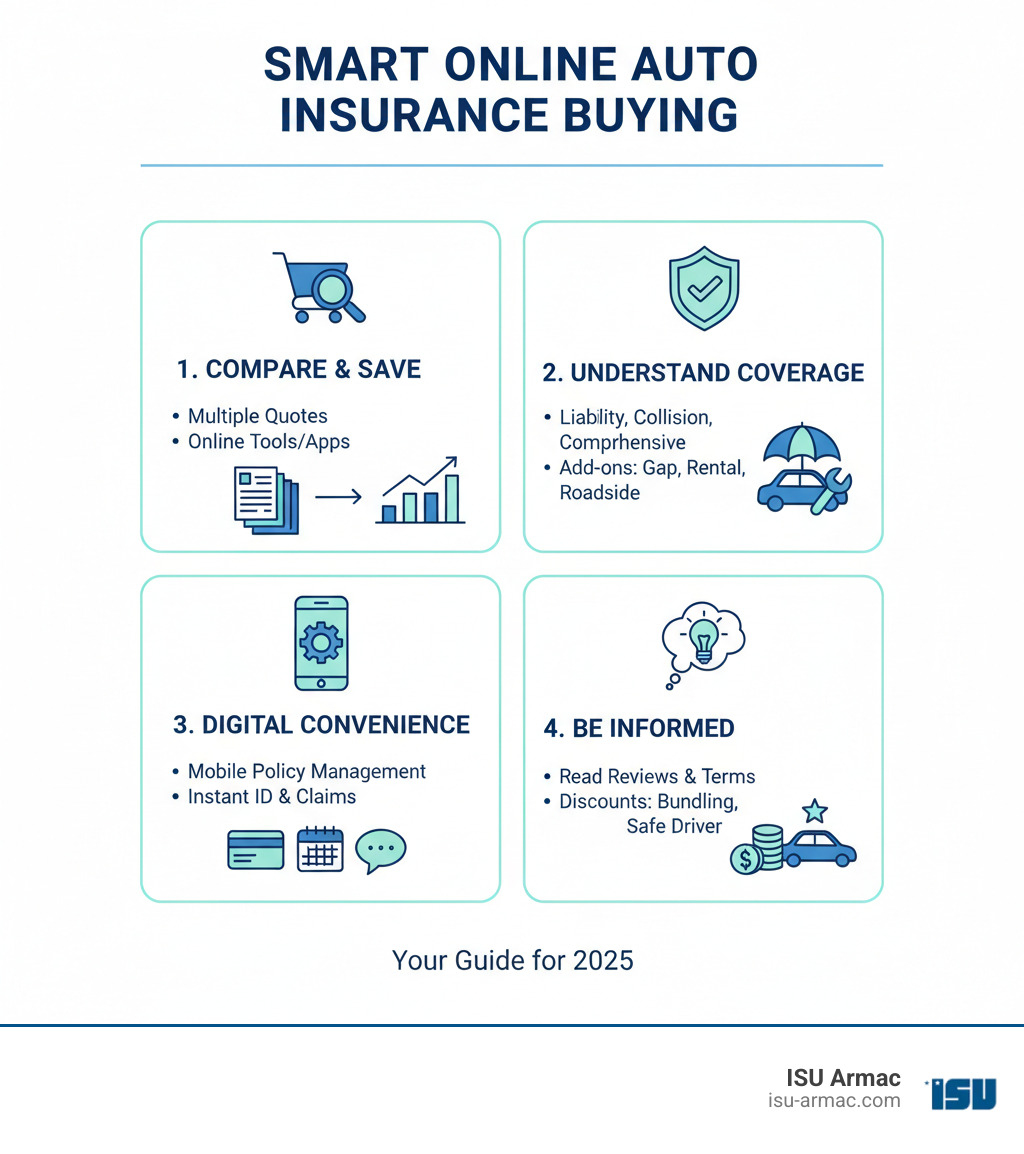
To effectively use auto insurance as a risk transfer tool in 2026, you should regularly review your coverage limits against the current cost of living and vehicle repair. As inflation affects medical costs and technical components, a liability limit that was sufficient three years ago may now leave you with "residual risk" that you are unintentionally retaining.
Next Steps:
- Audit your limits: Ensure your third-party liability is high enough to protect your total net worth.
- Adjust your deductible: If you have a healthy emergency fund, increasing your deductible (retaining more risk) can significantly lower your premium (the cost of transferring the catastrophic risk).
- Leverage Telematics: If you are a safe driver, opt for data-driven policies that allow you to transfer risk at a lower cost based on your actual behavior rather than general demographics.
Disclaimer: This information is for educational purposes and does not constitute legal or financial advice. Insurance requirements and regulations vary by jurisdiction. Always consult with a licensed insurance professional in your area to ensure compliance with local laws.