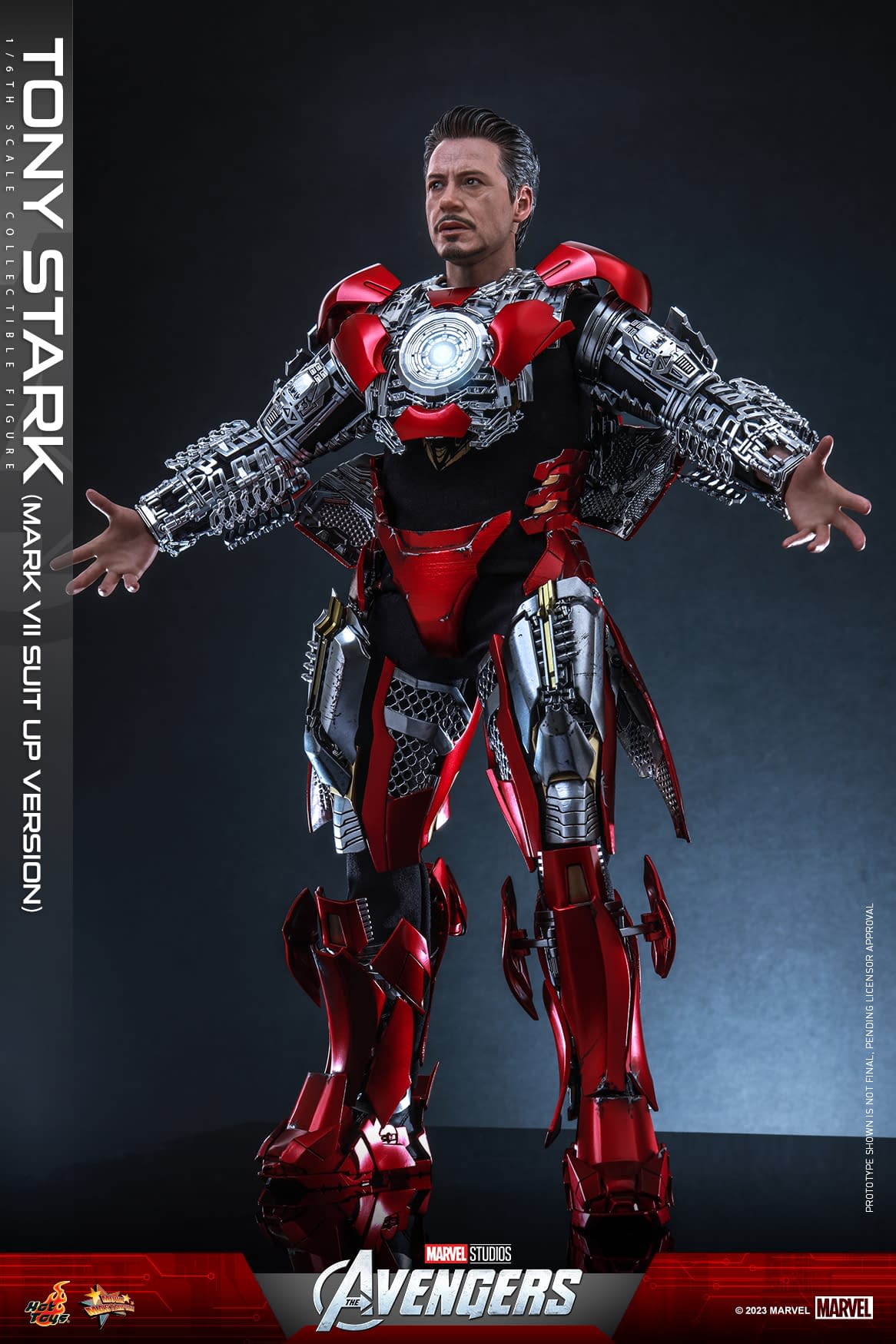
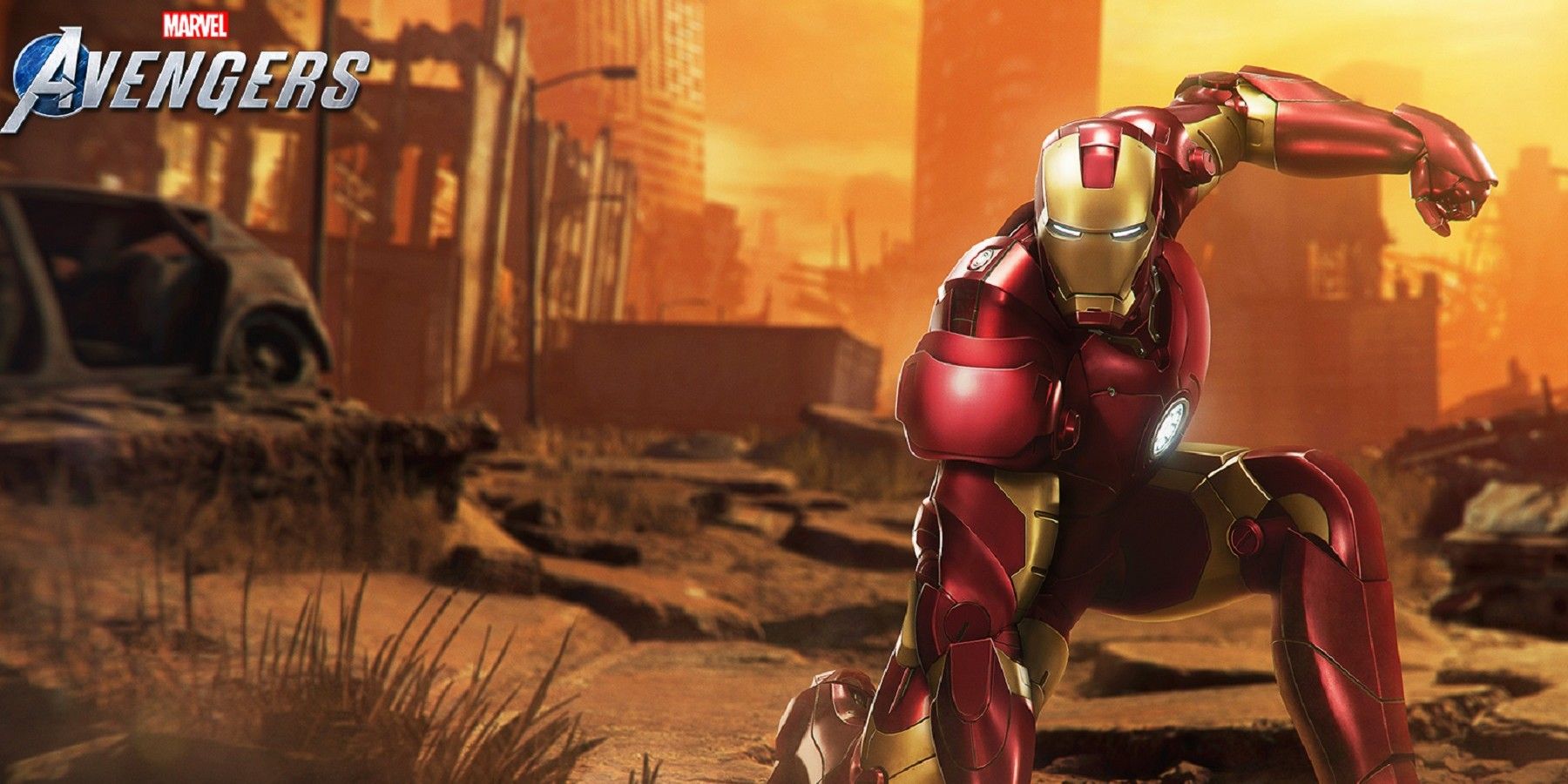
Building a fully functional Iron Man suit remains impossible in 2026 due to critical limitations in energy density, thermal management, and material science. While we have mastered basic exoskeleton locomotion, we lack a compact power source equivalent to the fictional Arc Reactor and the propulsion technology required for sustained, agile flight without massive fuel reserves.
The dream of donning a high-tech suit of armor that grants flight, super-strength, and invulnerability has captivated audiences since Tony Stark first appeared on the big screen. However, as we evaluate the state of engineering and physics in 2026, the gap between cinematic fiction and laboratory reality remains vast. Moving from a mechanical frame that assists a warehouse worker to a supersonic, weaponized chassis involves overcoming laws of thermodynamics and biology that our current technology simply cannot bypass.
The Power Paradox: The Missing Arc Reactor
The most significant hurdle to a real-world Iron Man suit is the power source. In the Marvel Cinematic Universe, the "Arc Reactor" provides near-limitless clean energy in a device the size of a hockey puck. In the real world of 2026, we are still bound by the restrictive energy densities of chemical batteries and the massive scale of nuclear reactors.
To power the flight systems, onboard computers, life support, and mechanical actuators of a localized suit, an immense amount of wattage is required. Current high-performance lithium-sulfur and solid-state batteries—while significantly improved over the last decade—offer an energy density of roughly 400 to 500 Watt-hours per kilogram (Wh/kg). To achieve the maneuvers seen in fiction, a suit would require energy density closer to several gigajoules per kilogram.
If we attempted to power a suit using 2026 battery technology, the battery pack alone would weigh several tons, rendering the suit immobile. Furthermore, high-discharge rates required for flight would cause current battery chemistries to overheat or even undergo thermal runaway. While researchers at ITER and various private fusion firms are making progress in plasma confinement, these reactors are currently the size of buildings, not chest pieces.
Propulsion and the Tyranny of the Rocket Equation
Even if we had a magical power source, the mechanics of flight present a second, equally daunting challenge. Tony Stark uses "repulsor technology," which appears to be a form of reactionless drive or highly advanced ion propulsion. In 2026, our primary means of vertical takeoff and landing (VTOL) for a human-sized craft is still dependent on Newton’s Third Law: pushing mass out the back to move forward.
We have seen impressive demonstrations from companies like Gravity Industries, where pilots use arm-mounted micro-jet turbines to fly. However, these systems highlight exactly why the "Iron Man" ideal is currently unreachable:
- Fuel Consumption: Micro-turbines consume jet fuel at an alarming rate. A typical flight lasts only 5 to 8 minutes before the pilot must land.
- Weight: Carrying enough fuel for a cross-city commute would make the suit too heavy to lift.
- Heat: Jet exhaust is extremely hot. In a movie, Stark’s boots glow; in reality, that heat would melt the suit’s structural integrity and cook the occupant within seconds without a heavy, complex cooling system.
Ion thrusters, which are used in satellite propulsion, offer high efficiency but incredibly low thrust. They work in the vacuum of space but cannot generate the thousands of pounds of thrust needed to lift a human and a metal suit off the ground in Earth's gravity.
Materials Science and the Weight-Protection Trade-off
The "Iron" in Iron Man is a misnomer; Stark uses a "gold-titanium alloy." While we do use titanium alloys in aerospace today for their excellent strength-to-weight ratios, they are not invincible. To make a suit bulletproof against high-caliber rounds, the plating would need to be thick and heavy.
Modern material science in 2026 has introduced us to carbon nanotube composites and advanced ceramic matrices. These materials are incredibly strong, but they suffer from two major issues in the context of a wearable suit:
- Kinetic Energy Transfer: Even if the armor is strong enough to stop a bullet without being pierced, the kinetic energy of the impact must go somewhere. Without "inertial dampeners"—a technology that does not exist—the shockwave of a large caliber round or a fall from a height would turn the wearer’s internal organs to jelly, even if the suit remains unscratched.
- Degrees of Freedom: A suit must have joints. Every joint (neck, shoulders, elbows, wrists, hips, knees, ankles) is a weak point in the armor. Creating a joint that is both fully mobile and as protective as a solid plate is a mechanical engineering nightmare that current ball-and-socket or hinge designs haven't solved for high-impact combat.
The Biological Limit: Human Physiology
The most overlooked aspect of the Iron Man suit is the human pilot inside. The human body is remarkably fragile when subjected to the forces required for superhero maneuvers.
G-Force Tolerance
Modern fighter pilots wear G-suits to prevent "G-LOC" (G-force induced Loss Of Consciousness) during high-speed turns. These suits work by squeezing the legs to keep blood in the brain. An Iron Man suit performing a sudden 180-degree turn at Mach 1 would subject the pilot to upwards of 15 to 20 Gs. Without an internal system to negate gravity—something that violates our current understanding of physics—the pilot would die instantly or suffer severe brain damage.
Thermal Regulation
Operating a motorized exoskeleton and jet turbines generates an enormous amount of waste heat. Inside a sealed metal suit, this heat has nowhere to go. NASA uses Liquid Cooling and Ventilation Garments (LCVG) for astronauts, which circulate chilled water through a network of tubes. However, these systems are designed for the relatively low-intensity movements of a spacewalk. The metabolic heat of a person in combat, combined with the heat from the suit’s own motors, would require a refrigeration unit larger than the suit itself to keep the pilot from suffering heatstroke.
State of the Art: What is Possible in 2026?
While we cannot build the "Mark III," we have made significant progress in specific sub-sectors of suit technology. We can categorize current 2026 capabilities into three main pillars: industrial assistance, medical rehabilitation, and limited flight.
| Feature | MCU Iron Man | 2026 Reality |
|---|---|---|
| Power Source | Arc Reactor (Cold Fusion) | Solid-state Batteries / Tethered Power |
| Flight Time | Effectively Unlimited | 5–10 Minutes (Jet-based) |
| Armor | Highly Resistant to Tank Shells | Small arms protection (Ceramic/Kevlar) |
| Weaponry | Precision Lasers / Mini-Missiles | Developmental Directed Energy (Vehicle-mounted) |
| Interface | Direct Neural/AI (J.A.R.V.I.S.) | Augmented Reality HUDs / Voice Command |
| Weight | ~200 lbs (Approx.) | 150–500 lbs (Exoskeleton frame only) |
Industrial and Military Exoskeletons
Companies like Sarcos Robotics have developed full-body exoskeletons that allow a user to lift 200 pounds repeatedly without strain. These are primarily used in shipyards and factories. However, they are often tethered to a power cable because batteries only last an hour or two under heavy load. The U.S. Military's TALOS (Tactical Assault Light Operator Suit) project was eventually shelved in favor of smaller, modular components because a full-body powered suit was too heavy and unreliable for the battlefield.
Augmented Reality and HUDs
This is the area where we are closest to the movies. With the evolution of headsets like the Apple Vision Pro and specialized military HUDs (Heads-Up Displays), we can now overlay tactical data, thermal imaging, and system diagnostics directly onto a pilot’s field of vision. High-speed 6G connectivity in 2026 allows these systems to process data in the cloud, reducing the weight of the onboard computer.
The Mechanical Complexity of "Hard" Suits
Another reason the suit isn't possible right now is the sheer mechanical complexity of replicating human movement. The human body has over 200 bones and a complex system of muscles and tendons that allow for fluid, multi-axis rotation.
To replicate this in a "hard" suit, you need actuators (motors) at every joint. In 2026, electric motors with high torque-to-weight ratios are still relatively bulky. Hydraulic actuators are stronger but require pumps, reservoirs, and hoses that are prone to leaking and are difficult to miniaturize. If a single motor in the knee fails, the wearer isn't just slowed down; they are trapped in a multi-hundred-pound metal coffin that they cannot move. This lack of "failsafe grace" makes full-body powered armor a liability in many real-world scenarios.
Cost and Logistics
Even if the technical hurdles were cleared, the cost of a single functional suit would likely be in the billions of dollars. Unlike a fighter jet, which can be shared by multiple pilots and maintained in a massive hangar, an Iron Man suit is a bespoke piece of equipment tailored to an individual’s biometrics. The maintenance requirements for micro-turbines and high-stress joints would mean that for every hour of "superhero" activity, the suit would require hundreds of hours of expert technician labor. In a world of budget constraints, a fleet of autonomous drones is almost always more cost-effective and lethal than a single piloted suit.
Frequently Asked Questions
Could we use a small nuclear reactor to power the suit?
No. While radioisotope thermoelectric generators (RTGs) are used to power space probes like Voyager, they produce very little power relative to their weight and rely on the slow decay of radioactive material. A true fission reactor requires shielding (usually lead or water) to protect the wearer from radiation. This shielding would be far too heavy for a wearable suit.
Does Richard Browning’s Jet Suit count as an Iron Man suit?
It is the closest physical approximation we have, but it lacks the "armor" and "exoskeleton" components. Browning’s suit relies on the pilot’s own core strength to stabilize the jet engines. Adding heavy armor plating to his design would make it too heavy to fly with current turbine technology.
Is the "Gold-Titanium" alloy mentioned in the movies real?
Titanium-gold alloys do exist (such as Ti3Au), and they are actually much harder than pure titanium. They are used in medical implants because they are biocompatible and wear-resistant. However, they do not possess the magical "indestructibility" shown in the films and are still subject to denting and thermal deformation.
When will an Iron Man suit be possible?
Most experts suggest we are at least 50 to 100 years away from the energy density required for a suit. We likely need a breakthrough in room-temperature superconductivity or compact fusion before the "power source" problem is solved.
Can AI like J.A.R.V.I.S. exist today?
Large Language Models (LLMs) and advanced agentic AI in 2026 can mimic the conversational style of J.A.R.V.I.S. and perform complex data analysis. However, the "spatial intelligence" required to fly a suit and target threats in real-time with 100% reliability is still in development.
Practical Next Steps for Enthusiasts and Engineers
While a combat-ready flight suit is decades away, the technologies that comprise it are being developed independently. If you are interested in this field, focus on these emerging areas:
- Material Science: Researching lattice structures and 3D-printed titanium to reduce weight while maintaining strength.
- Soft Robotics: Looking into "exosuits" rather than "exoskeletons." These use fabric and cables to assist movement, making them much lighter and more practical for 2026 applications.
- Power Electronics: Developing high-efficiency inverters and motors that can handle more power with less heat waste.
- Control Systems: Studying how humans and machines can interface through myoelectric sensors (which pick up electrical signals from muscles) to reduce lag in suit response.
The "Iron Man" suit serves as a North Star for engineering—a goal that pushes the boundaries of what is possible, even if the destination remains over the horizon for now.