Maintaining high-quality textiles in a high-traffic urban environment like New York City requires specialized care. Professional area rug cleaners in NYC provide essential deep-cleaning, stain removal, and restoration services tailored to the specific material composition, weave density, and dye stability of fine rugs, ensuring longevity and safety for heirloom or modern floor coverings.
Understanding the Rug Cleaning Landscape in New York City
The climate and lifestyle of New York City create a unique set of challenges for area rugs. High foot traffic in residential apartments, fluctuating humidity levels, and the common presence of fine silk, wool, or cotton fibers mean that standard home vacuuming is insufficient for long-term maintenance. Unlike wall-to-wall carpeting, which is typically cleaned using hot water extraction on-site, high-quality area rugs often require off-site, immersion-based cleaning methods to protect the integrity of the rug’s foundation and fibers.
When searching for "area rug cleaners NYC," owners encounter a vast market ranging from large-scale residential carpet cleaning franchises to boutique specialized rug conservation ateliers. Selecting the right service provider requires understanding the difference between "carpet shampooing" and "rug immersion cleaning." Most reputable NYC rug experts emphasize a multi-step process that includes dusting, pH-balanced washing, temperature-controlled drying, and fiber grooming.
Prerequisites for Professional Rug Care
Before contacting a cleaner, identify the characteristics of your rug. This information is vital for the intake process, as the service provider needs to know what they are working with to prevent damage.
- Material Identification: Are the fibers natural (wool, silk, cotton, jute) or synthetic (nylon, polyester, olefin)? Natural fibers are highly sensitive to high-pH cleaning solutions and excessive heat, which can lead to browning or fiber brittleness.
- Dye Stability: Antique and hand-knotted rugs often use vegetable or early synthetic dyes that may bleed when exposed to water. Professional cleaners perform a "colorfastness test" before full immersion.
- Construction Type: Hand-knotted rugs, hand-tufted rugs, and flat-weave (kilim) rugs require entirely different handling procedures. Hand-tufted rugs, in particular, have a latex backing that can degrade if over-saturated, requiring a more cautious approach than a traditional knotted wool rug.
- Existing Damage: Note any tears, moth damage, or fringe deterioration. Many specialized NYC cleaners offer restoration alongside cleaning, but these are separate services with different cost structures.
The Professional Cleaning Process
When you entrust a rug to an NYC cleaning facility, the standard of care usually follows a disciplined, professional workflow. Understanding this process helps in vetting providers.
1. Pre-Inspection and Documentation
The technician examines the rug for pre-existing stains, urine damage, structural tears, and color bleeding. In New York City, many premium cleaners provide a digital condition report at this stage.
2. Dry Soil Removal (Dusting)
A rug can hold up to its weight in dry particulate matter deep within the pile. High-end facilities utilize specialized "dusting" machines—essentially heavy-duty vibration tables or air-pulse systems—to shake out grit and allergens that vacuums cannot reach. This prevents the "sandpaper effect" where grit abrades the rug fibers during the wet cleaning stage.
3. Immersion or Specialized Washing
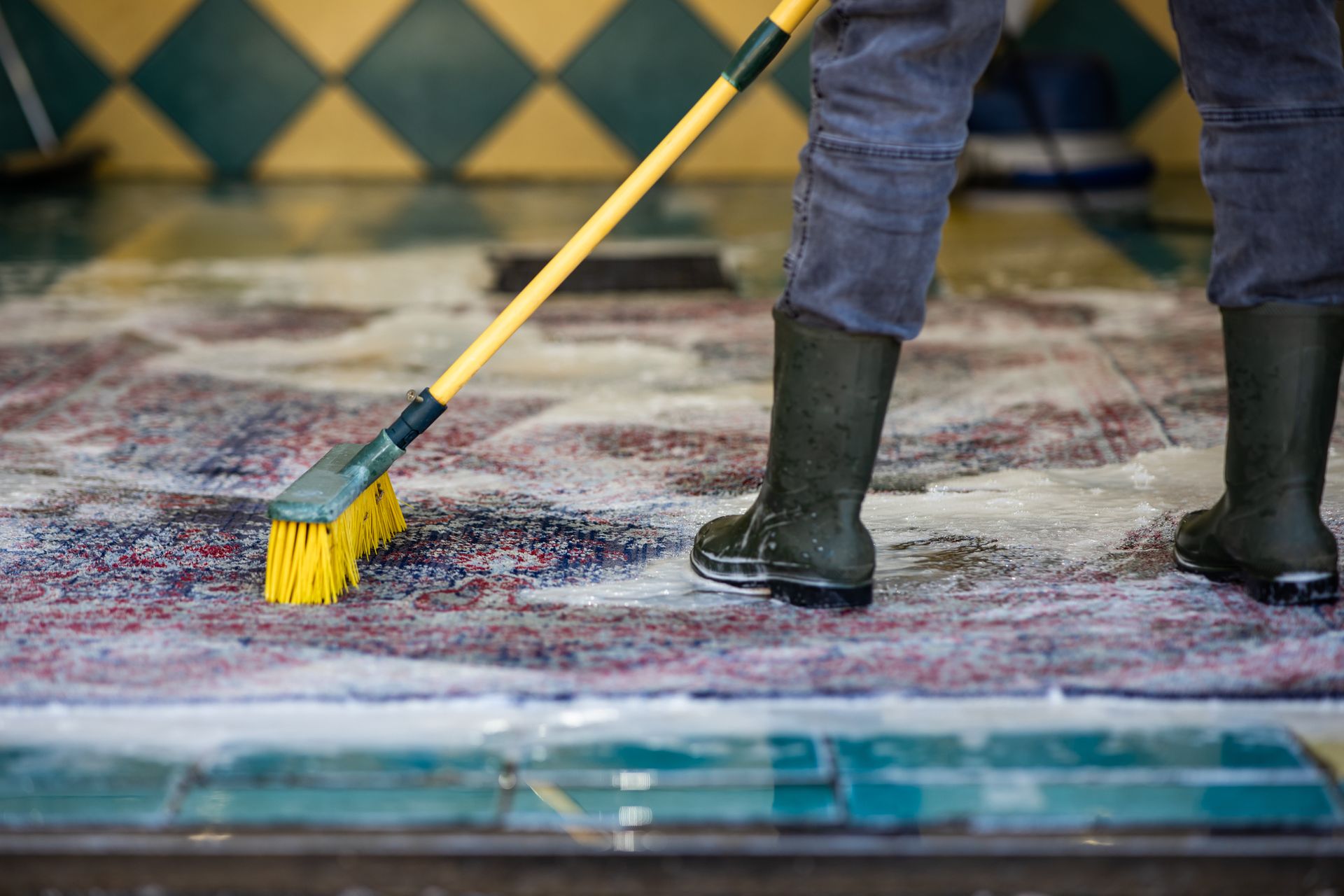
For many fine rugs, immersion is the industry standard. The rug is placed in a shallow basin with cool water and mild, pH-neutral detergents. Technicians use soft brushes to work the solution through the fibers. This process is far safer for natural fibers than high-pressure steam cleaning, which can strip lanolin from wool or shrink delicate weaves.
4. Controlled Rinsing and Extraction
After cleaning, the rug is thoroughly rinsed until the water runs clear. Water is removed using centrifugal extractors—large drums that spin the rug to force out moisture without distorting the shape or harming the tassels.
5. Climate-Controlled Drying
NYC humidity can make air-drying risky, as it may lead to mildew. Professional facilities use climate-controlled rooms with proper airflow to ensure the rug dries completely within a specific timeframe, preventing color migration or fiber stiffness.
Comparing Cleaning Service Models in NYC
Selecting the right provider depends on the value of the rug and the specific services required.
| Feature | Large-Scale Carpet Cleaners | Specialized Rug Cleaning Ateliers |
|---|---|---|
| Primary Method | On-site hot water extraction | Off-site immersion washing |
| Best For | Synthetic area rugs, low-cost rugs | Antique, Oriental, Silk, and Wool rugs |
| Restoration | Limited or none | Expert re-weaving and fringe repair |
| Pickup/Delivery | Often not available | Standard service |
| Cost | Budget-friendly | Premium/Investment-grade |
Factors Influencing Costs and Turnaround
Pricing for professional area rug cleaning in NYC is typically calculated by the square foot. As of 2026, standard rates fluctuate based on the density of the knot count and the sensitivity of the materials.
- Complexity: Cleaning a silk-blend rug requires more labor and specialized chemistry than a standard machine-made synthetic rug.
- Restoration Needs: If a rug requires "re-fringing" or "rebinding" of the edges, the labor hours increase significantly.
- Urgency: Most high-quality facilities operate on a 7–14 day turnaround. Expedited services, while sometimes available in the competitive NYC market, may incur a surcharge.
- Insurance: Always verify that the cleaning facility maintains comprehensive general liability insurance. In NYC, professional establishments should be able to provide proof of insurance upon request.
Common Pitfalls and Troubleshooting
Avoid the "spot cleaning" trap. Many homeowners attempt to treat spills with store-bought chemical cleaners. These products often have high pH levels (ammonia-based) which can permanently strip natural dyes or leave a sticky residue that attracts more dirt over time.
If a spill occurs:
- Blot, do not rub: Rubbing pushes the stain deeper into the fiber foundation.
- Use water sparingly: Use a clean, white cotton cloth dampened with cold water to gently lift the spill.
- Call a professional immediately: If the spill involves pet urine, enzymes need to be neutralized quickly to prevent permanent odor retention and dye migration.
Frequently Asked Questions
How often should I have my area rug professionally cleaned? General household usage suggests professional cleaning every 18 to 24 months. However, in high-traffic NYC apartments or homes with pets and children, an annual cleaning is recommended to prevent the buildup of abrasive particulates that weaken the foundation.
Can you clean my rug on-site at my NYC apartment? While some services offer on-site cleaning, this is generally discouraged for fine, high-value, or hand-knotted rugs. On-site cleaning usually involves surface-level extraction, which fails to remove deep-seated grit and can result in over-wetting, leading to rot or fiber damage. Always opt for off-site immersion for best results.
How do I know if my rug is worth professional cleaning? A simple test is to check the back of the rug. If you see the pattern clearly on the back, it is likely a higher-quality hand-knotted rug. If there is a secondary canvas backing glued to the bottom, it is a machine-made or tufted rug. Regardless of value, professional cleaning is safer than DIY methods, though the budget for cleaning should be proportionate to the rug's replacement cost.
What happens if my rug is damaged during the cleaning process? Reputable cleaning facilities in NYC operate under a service agreement. Before leaving your rug, ensure you receive a receipt that notes the current condition of the rug. If a cleaner refuses to provide an intake inspection or a clear contract, it is a significant red flag.
Are organic or green cleaning options available? Yes. Many NYC cleaners have shifted to eco-friendly, non-toxic, and biodegradable detergents. If this is a priority for your household, specifically request an "all-natural" or "hypoallergenic" cleaning service during your initial inquiry.
Next Steps for Your Rug Maintenance
To initiate the professional cleaning of your rug, start by measuring your rug precisely (length by width) to get an accurate quote. Contact at least two local providers, asking specifically about their immersion process and their experience with your rug's specific material. Before handing over your piece, take high-resolution photographs of the entire rug, including the front and back, for your records. Scheduling a pickup during off-peak times (mid-week) can often result in a faster turnaround time.