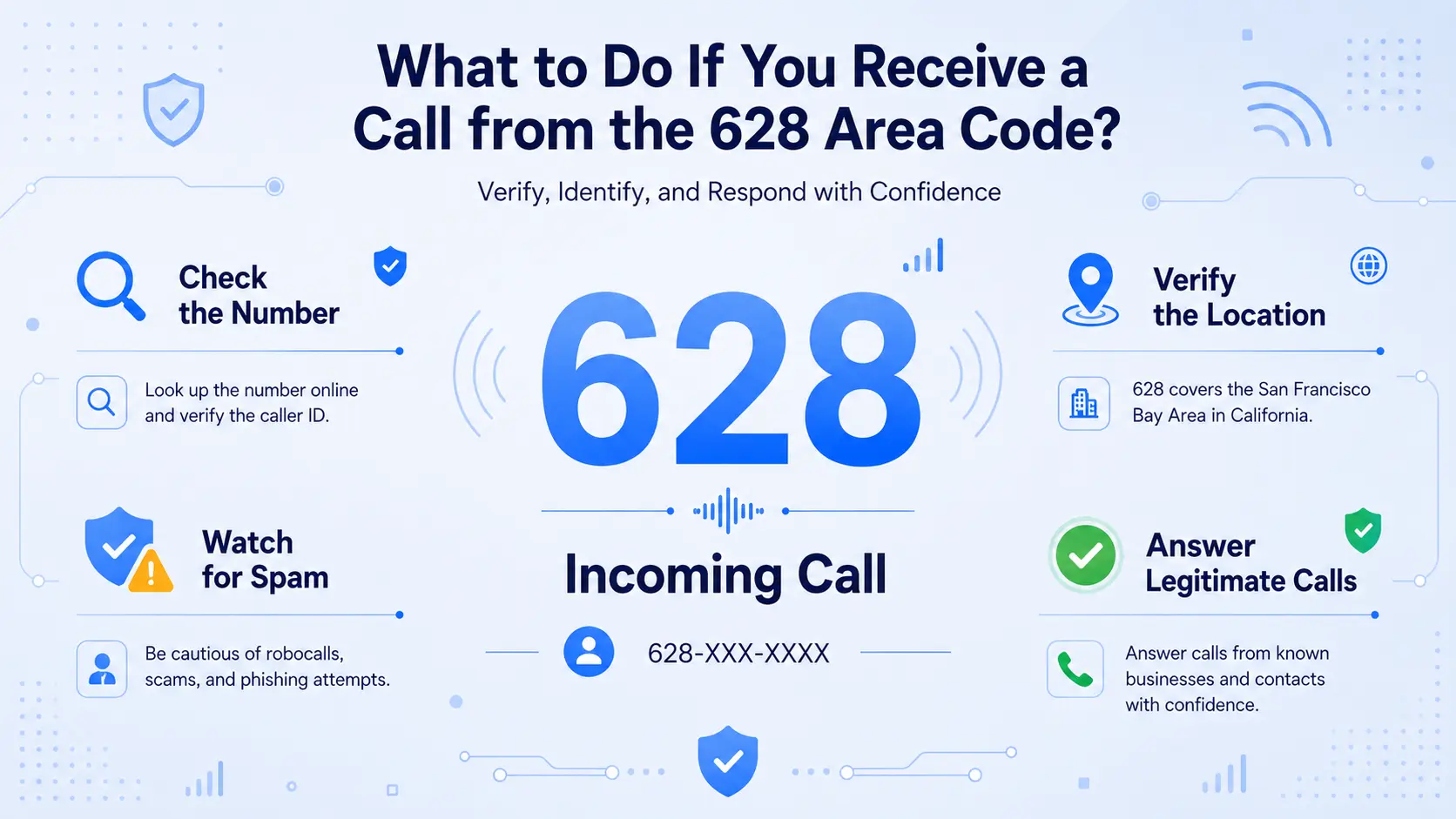
Receiving an unsolicited call from an area code you do not recognize can be a nuisance, and when that area code—such as 424—is associated with high-frequency reports of fraud, caution is necessary. Area code 424, which serves the Los Angeles region of California, is frequently leveraged by scammers because of its legitimate association with a major metropolitan hub, leading many recipients to mistakenly trust the caller ID.
The Geography of Area Code 424
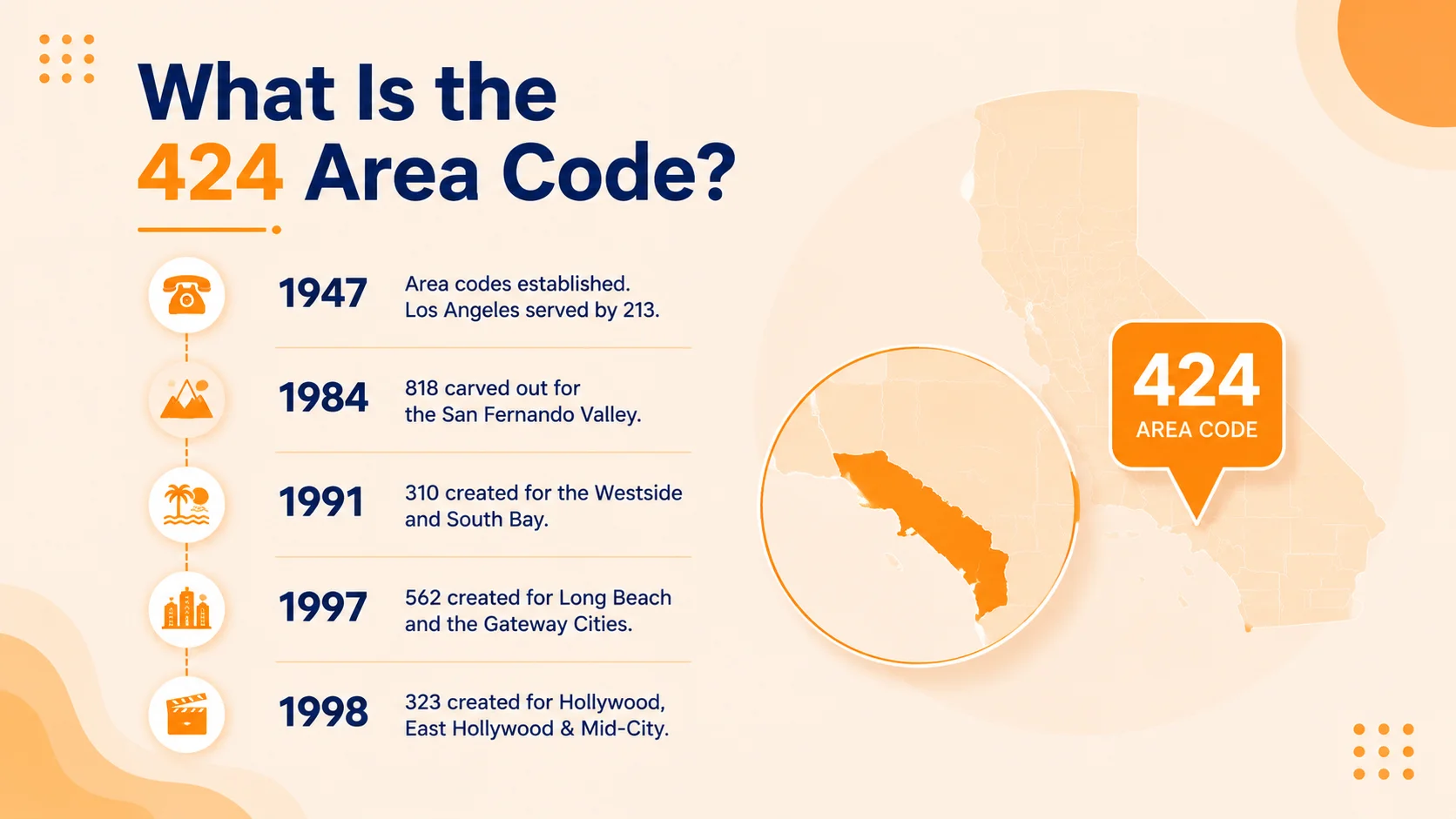
The 424 area code is an overlay for the 310 area code in Southern California. It serves a broad and densely populated region including Beverly Hills, Santa Monica, Torrance, and parts of the South Bay and Westside of Los Angeles County. Because this geographic area is home to many large businesses, medical providers, and government offices, residents across the United States frequently receive legitimate calls from 424 numbers.
However, this legitimacy is precisely what makes the area code an attractive tool for bad actors. Scammers use "spoofing" technology to make their calls appear as though they are originating from a familiar or local-seeming 424 number, hoping to bypass the natural skepticism of a potential victim who might otherwise ignore a call from an unknown or international number.
How 424 Scams Operate
Phone scams involving the 424 area code generally fall into a few predictable categories. Understanding these patterns is the first step in identifying and neutralizing a threat.
1. Neighbor Spoofing
This is the most common technique associated with the 424 code. Scammers use automated dialers to display a 424 number on your caller ID that shares the same first three digits (the prefix) as your own phone number. The human brain is conditioned to trust patterns that appear local; seeing a "neighbor" number often increases the likelihood that a person will answer the phone, assuming it is a local service provider, a delivery driver, or a neighbor.
2. Impersonation and Social Engineering
Once a victim answers, the caller often impersonates a figure of authority or a representative from a trusted organization. Common ruses include:
- Utility Scams: The caller claims your electricity or water service will be disconnected unless an immediate payment is made.
- Government Impersonation: Scammers may claim to be from the Social Security Administration, the IRS, or local law enforcement, threatening legal action or the suspension of benefits unless a "fine" is paid.
- Technical Support Fraud: The caller claims there is a severe security breach on your computer or home network and insists on "remote access" to fix the issue.
3. The One-Ring Scam
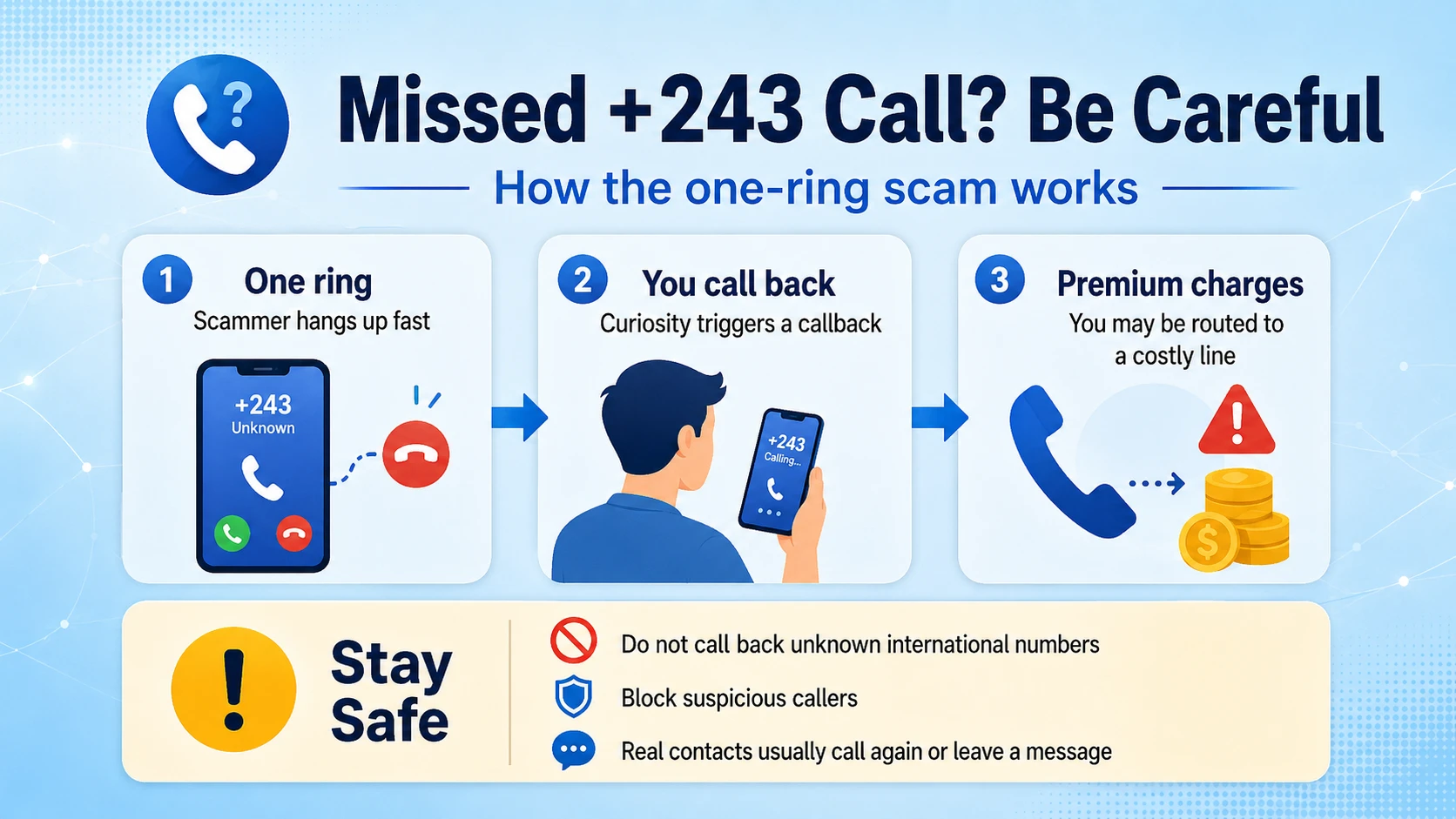
While less common today than in the early 2020s, the "one-ring" scam remains a danger. A scammer uses an automated system to call 424 numbers and hangs up after a single ring. The goal is to prompt the victim to call the number back out of curiosity. The number is often a premium-rate line; by calling it, you may be charged significant fees that appear on your next telephone bill.
Identifying the Red Flags of Fraud
Professional scammers are adept at creating a sense of urgency. The hallmark of a 424 scam is the demand for immediate action combined with a threat of negative consequences.
- Pressure Tactics: If the caller insists that you must act within the hour to avoid arrest, disconnection, or financial loss, hang up. Legitimate businesses and government agencies provide written notice via mail and offer multiple channels for resolving account disputes.
- Request for Unusual Payment Methods: No legitimate company or government entity will ever ask you to pay a fine or bill using gift cards, cryptocurrency, or wire transfers. These methods are preferred by criminals because they are nearly impossible to trace or reverse.
- Generic Greetings: If a caller claims to be your bank or a specific service provider but starts the conversation with "Hello, cardholder" or "Dear customer," be wary. Financial institutions typically have your name on file and will use it.
Verifying a Caller's Legitimacy
If you receive a suspicious call from a 424 number and are unsure whether it is legitimate, do not interact with the caller. Instead, take the following steps to verify the source:
- Hang Up Immediately: Do not provide any personal information, including your address, date of birth, or Social Security number.
- Find the Official Contact Number: Do not use a callback number provided by the suspicious caller. Instead, navigate to the official website of the company or agency they claim to represent. Find their verified customer support number or office line.
- Initiate the Call Yourself: When you call the company back using their official number, you can ask if they were attempting to contact you. In almost all cases, you will find that the previous call was a spoofed scam attempt.
Comparison of Communication Risks
The following table highlights the differences between legitimate professional outreach and common scam tactics.
| Feature | Legitimate Communication | Scam/Fraud Attempt |
|---|---|---|
| Pace | Generally calm and patient | High urgency, creates panic |
| Payment | Invoiced via mail/secure portal | Gift cards, crypto, wire transfer |
| Personal Info | Never asks for password/PIN | Directly asks for PII or credentials |
| Follow-up | Provides written documentation | Refuses to provide verifiable info |
| Identification | Professional, verifiable identity | Vague, "Officer" or "Representative" |
Protecting Yourself and Your Data
In 2026, mobile carriers have implemented various authentication protocols, such as STIR/SHAKEN, to verify that the caller ID information matches the actual source of the call. While these technologies have reduced the volume of spoofing, they are not foolproof.
- Use Call-Blocking Apps: Many reputable security apps available on iOS and Android can filter incoming calls based on databases of known spam and scam numbers.
- Leverage Carrier Tools: Major cellular providers now offer free or subscription-based services that automatically flag incoming calls as "Spam Likely" or "Scam Likely." Ensure these features are enabled in your phone settings.
- Do Not Call Registry: While scammers often ignore the National Do Not Call Registry, registering your number can help reduce the number of legitimate telemarketing calls, making it easier to notice when a truly suspicious call slips through.
- Privacy Hygiene: Be cautious about where you post your phone number online. Scammers often scrape contact information from public social media profiles or forums.
Reporting Scams
If you are targeted by a scam using a 424 number, reporting the incident helps authorities track and potentially shut down the operations behind the spoofing.
- Federal Communications Commission (FCC): You can file an informal complaint online regarding unwanted calls and spoofing. The FCC uses this data to coordinate with carriers to block fraudulent traffic.
- Federal Trade Commission (FTC): Report the incident at ReportFraud.ftc.gov. The FTC collects these reports to identify trends and combat systemic fraud.
- Local Authorities: If you have lost money to a scam, contact your local police department. While they may not be able to recover funds from an international or sophisticated cyber-scam, a police report is often necessary for identity theft protection and insurance purposes.
Frequently Asked Questions (FAQ)
1. Is every call from area code 424 a scam? No. Area code 424 is a legitimate geographic area code for Los Angeles. Many companies, healthcare systems, and personal contacts use these numbers. Do not assume a call is a scam simply because of the area code; evaluate the context, the caller’s demeanor, and the content of the message.
2. Why do scammers use 424 numbers? They use them to gain your trust. Because Los Angeles is a major business hub, a 424 number looks professional and "local" to many people. By spoofing these numbers, scammers attempt to lower your defenses so you are more likely to answer the phone and believe their claims.
3. What should I do if I accidentally answered a 424 scam call? If you answered the call, the most important step is to hang up as soon as you realize it is a scam. Do not engage, do not argue, and do not provide any information. The danger increases significantly only if you confirm personal details or authorize a payment. If you didn't provide information, you are generally safe.
4. Can I block all 424 numbers on my phone? Blocking an entire area code is generally not recommended and is often not possible through standard phone settings. Because 424 serves a massive, populated region, blocking the whole area code would prevent you from receiving legitimate calls from businesses, medical offices, and personal acquaintances in that region. It is more effective to block specific numbers as they appear.
5. I think I was scammed by a 424 caller, what is the first thing I should do? If you provided financial information or sent money, contact your bank or credit card issuer immediately. Explain that you were a victim of a fraud attempt. They may be able to freeze your accounts, reverse transactions, or issue new cards. Speed is the most critical factor in mitigating financial loss.
Final Next Steps
To best protect yourself from 424 scams, adopt a policy of "verify, then engage." If you receive a call from an unknown 424 number, let it go to voicemail. A legitimate caller—whether a doctor’s office, a business, or a known contact—will almost always leave a message. If the message sounds suspicious or urgent, do not call the number back. Instead, visit the official website of the organization in question, find their verified contact information, and reach out to them directly. By controlling the communication channel, you effectively strip the scammer of their power.