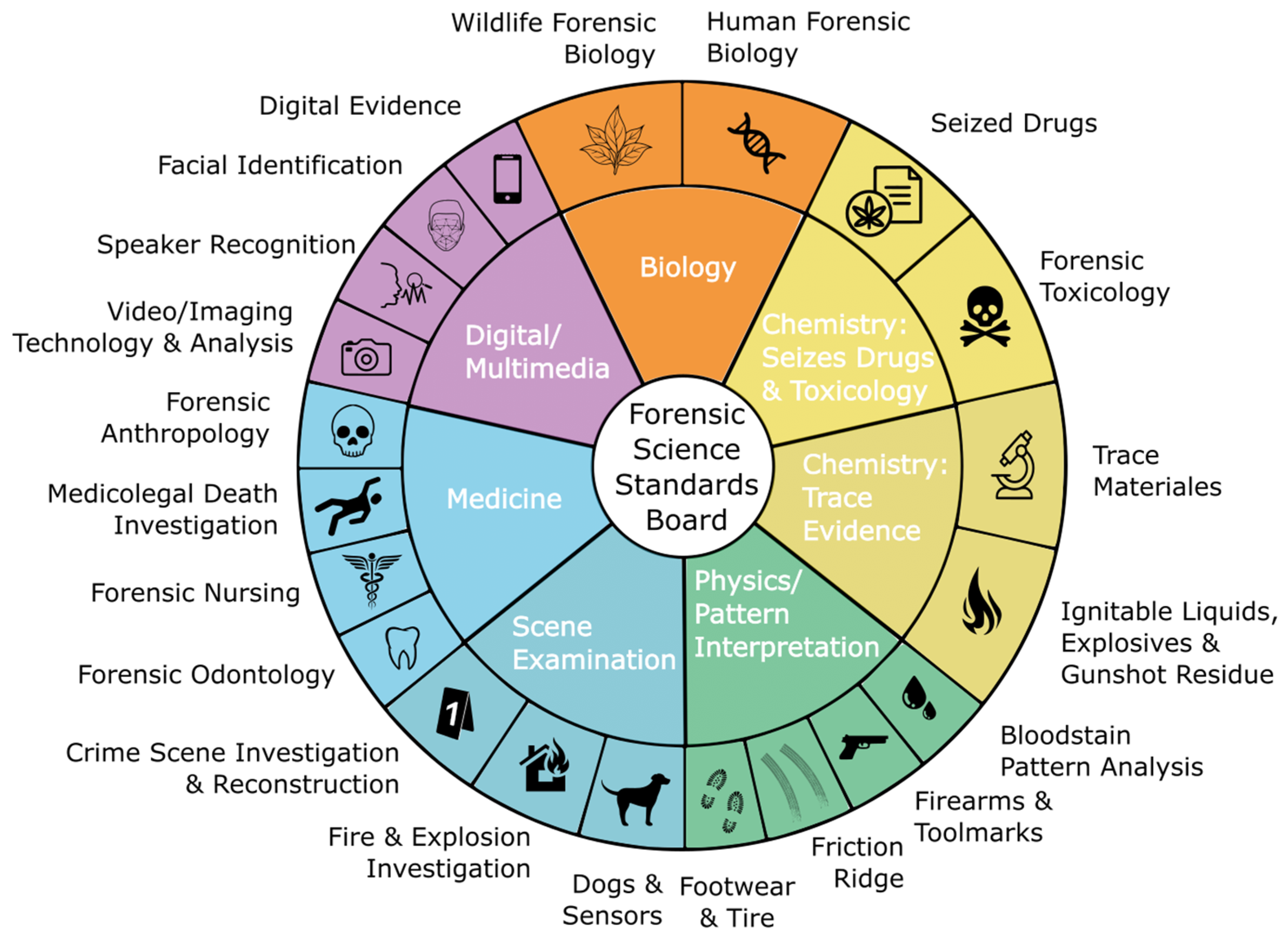
Forensic science encompasses a vast array of specialized disciplines that integrate scientific principles with legal investigations to provide objective analysis of evidence. These fields range from biological and chemical examinations to complex digital data recovery, each requiring rigorous methodology to support the judicial process, verify facts, and ensure the integrity of evidence presented in courtrooms.
The Foundation of Forensic Disciplines
Forensic science is not a singular practice but a multidisciplinary field. The primary objective of any forensic investigation is to bridge the gap between scientific fact and legal truth. By applying established scientific methods—such as chemistry, biology, physics, and computer science—practitioners can reconstruct events, identify perpetrators, or exonerate the innocent.
While popular media often emphasizes criminal investigation, forensic science is equally vital in civil litigation, regulatory compliance, and public health. Every sub-discipline relies on the same core principles: the Locard Exchange Principle, which states that every contact leaves a trace, and the rigorous adherence to the chain of custody, ensuring that evidence remains untainted from the scene to the courtroom.
Biological and Chemical Analysis
Forensic Biology and Serology
Forensic biology focuses on the examination of biological fluids and tissues. The most prominent subset, DNA analysis, has revolutionized the justice system by allowing for high-precision identification. Forensic biologists process samples—such as blood, saliva, or hair follicles—to generate genetic profiles that can be compared against national databases like the Combined DNA Index System (CODIS) in the United States.
Forensic Toxicology
Toxicologists analyze biological specimens to determine the presence of drugs, poisons, or other chemical substances. This field is essential for determining the cause of death in suspicious cases, investigating impaired driving incidents, and identifying toxic exposure in the workplace or the environment. Success in this field requires mastery of liquid chromatography and mass spectrometry to detect substances at trace levels.
Trace Evidence Analysis
Trace evidence involves the microscopic examination of materials transferred during a crime. This includes fibers, glass fragments, paint chips, and gunshot residue. Because these materials are often minute, forensic scientists use scanning electron microscopy (SEM) and infrared spectroscopy to compare samples found on a suspect with those recovered from a crime scene, establishing connections through physical properties.
Digital and Physical Evidence Reconstruction
Digital and Multimedia Forensics
As the world becomes increasingly connected, digital forensics has moved to the forefront of investigative science. This discipline involves the extraction, preservation, and analysis of data from electronic devices, including smartphones, cloud servers, and IoT (Internet of Things) hardware. Experts look for deleted files, geolocation logs, and communication metadata to build a digital timeline of events.
Forensic Ballistics
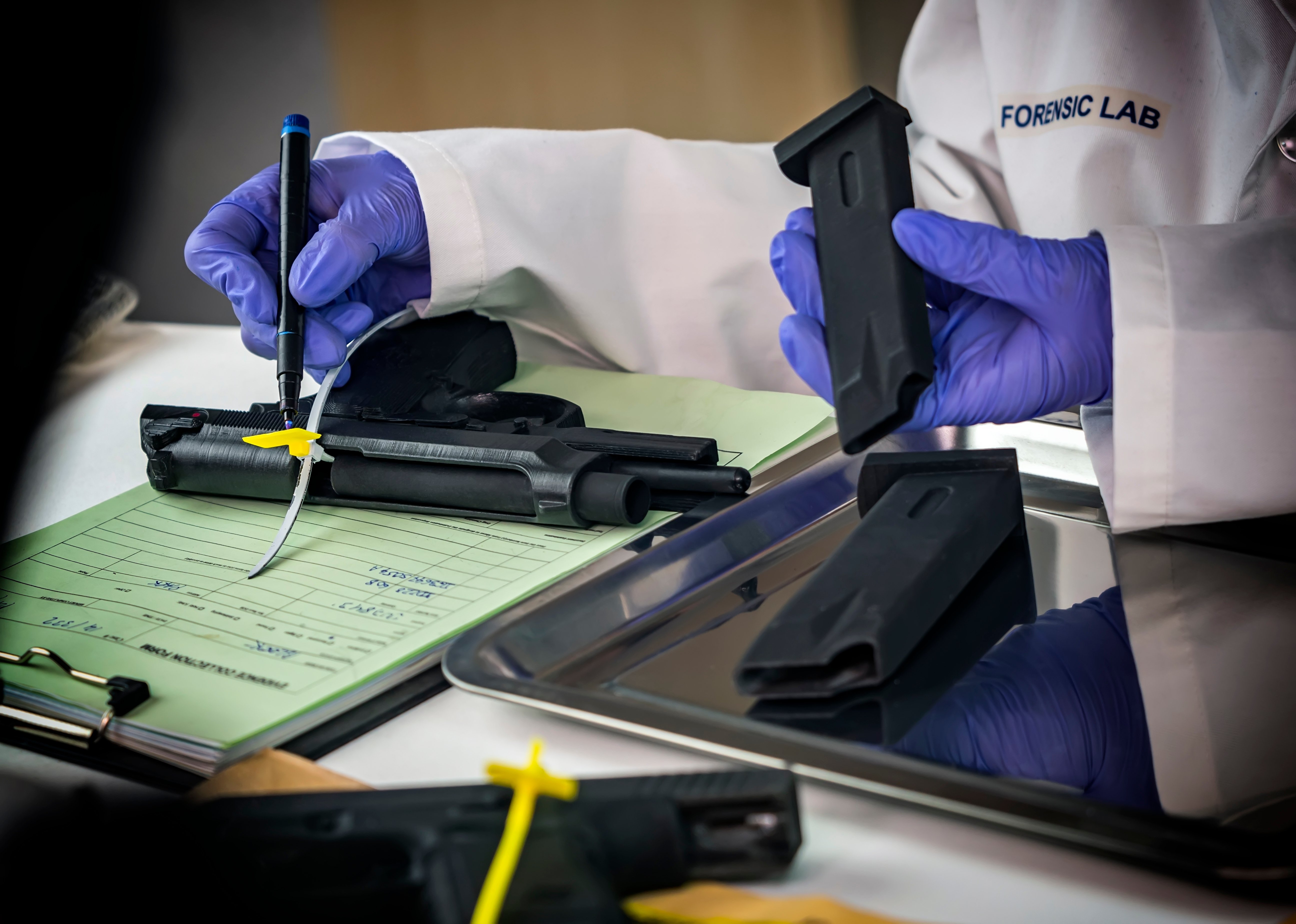
Ballistics experts examine firearms, ammunition, and tool marks. By analyzing the unique striations (markings) left on bullets and cartridge casings, experts can determine if a specific firearm was used in a particular incident. This also encompasses trajectory reconstruction, which helps investigators understand the positioning of a shooter and the sequence of fire.
Forensic Anthropology and Odontology
These forensic sciences use human remains to provide investigative leads. Forensic anthropologists focus on skeletal analysis, determining a victim’s age, sex, ancestry, and stature, as well as identifying signs of trauma. Forensic odontologists apply dental science to identify victims through dental records or by analyzing bite-mark evidence, which remains a specialized and highly scrutinized area of study.
Comparison of Major Forensic Disciplines
The following table outlines the focus and typical evidence types for key forensic areas:
| Forensic Area | Primary Focus | Common Evidence Types |
|---|---|---|
| DNA Analysis | Genetic identification | Blood, semen, saliva, skin cells |
| Toxicology | Chemical and drug presence | Blood, urine, vitreous humor |
| Digital Forensics | Electronic data recovery | Hard drives, mobile phones, cloud logs |
| Ballistics | Firearms and trajectory | Cartridges, bullets, firing pins |
| Anthropology | Human remains analysis | Skeletal fragments, teeth |
Professional Requirements and Standards
Entering a career in forensic science requires a high level of academic rigor and adherence to ethical standards. Most positions necessitate at least a bachelor’s degree in a natural science, such as chemistry, biology, or forensic science itself. For specialized roles, such as forensic pathology (which requires a medical degree) or high-level research positions, advanced degrees are often mandatory.
Accreditation and Quality Assurance
Laboratories must adhere to stringent quality control standards to ensure the admissibility of evidence. Organizations such as the ANSI National Accreditation Board (ANAB) provide certification for labs to verify that they follow ISO/IEC 17025 standards. These standards dictate how laboratories document their processes, calibrate equipment, and report findings.
The Role of Peer Review
Scientific findings must be reproducible. Forensic reports are subject to internal and external peer reviews, where another qualified expert evaluates the methodology and conclusions to ensure no cognitive bias or technical error influenced the outcome. This peer-review process is a critical safeguard against wrongful convictions and investigative oversights.
Challenges and Limitations in Forensic Practice
No scientific discipline is infallible. Forensic science faces ongoing challenges, particularly concerning the subjectivity of certain forensic methods. Pattern-matching disciplines, such as latent fingerprint analysis and tool-mark identification, are frequently the subject of scientific scrutiny regarding their error rates and the consistency of human interpretation.
Moreover, the "CSI Effect"—the unrealistic expectations created by media depictions of forensic technology—often complicates jury perceptions. While technology has advanced, it rarely provides the instantaneous, definitive answers shown on television. Real-world forensic science is a slow, methodical process involving contamination prevention, extensive documentation, and complex statistical analysis.
Ethical Considerations and Cognitive Bias
Forensic examiners must be vigilant regarding cognitive bias, particularly confirmation bias. If an examiner is provided with too much contextual information about a case, they may subconsciously look for evidence that confirms a theory rather than objectively analyzing the data. To mitigate this, many modern forensic units utilize "blind testing" and "context-management" protocols, where examiners are provided only with the evidence needed for their specific task, shielding them from potentially prejudicial case details.
Frequently Asked Questions
What is the difference between a forensic pathologist and a medical examiner?
A forensic pathologist is a medical doctor who has completed specialized training in the examination of bodies to determine the cause and manner of death. A medical examiner is an official position—often held by a forensic pathologist—responsible for oversight of death investigations within a specific jurisdiction.
How does digital forensics differ from IT security?
While both deal with computers, IT security is proactive, focusing on preventing data breaches and protecting systems. Digital forensics is reactive; it is a branch of forensic science that investigates an incident after it has occurred to gather admissible evidence for legal proceedings.
Is fingerprint evidence completely infallible?
No forensic evidence is entirely immune to error. While fingerprint analysis has a long history of utility, its reliability depends on the quality of the latent print, the expertise of the examiner, and the rigorous application of comparison protocols. In court, experts must be able to testify to the known error rates of their specific techniques.
Can forensic science solve old cold cases?
Yes. Advances in DNA technology, such as forensic genetic genealogy, have allowed investigators to solve decades-old cold cases by utilizing public databases to find familial links to unknown suspects. This has become a powerful tool for law enforcement in recent years.
What is the chain of custody?
The chain of custody is the chronological documentation or paper trail that records the sequence of custody, control, transfer, analysis, and disposition of physical or electronic evidence. If this chain is broken, the evidence may be ruled inadmissible in court because its integrity cannot be verified.
Next Steps for Aspiring Professionals
For those interested in pursuing a career in one of these areas of forensic science, the first step is to identify the specific discipline that aligns with your educational background. Research accredited academic programs and seek out internships with local law enforcement agencies or medical examiner offices.
If you are currently involved in a legal matter requiring forensic input, it is essential to consult with qualified, certified experts who are recognized by professional bodies. Always verify that any forensic testimony or report provided to you is backed by a laboratory that holds current, valid accreditation. Forensic science remains a constantly evolving field, and maintaining a commitment to transparency and scientific rigor is the only way to ensure justice is served.