Athens is a sprawling metropolis defined by a tapestry of distinct neighborhoods, each offering a unique character that ranges from the ancient, pedestrian-heavy streets surrounding the Acropolis to the upscale residential enclaves of the northern suburbs and the seaside vibe of the Athenian Riviera. Understanding these areas is essential for navigating the city, whether you are planning a short visit, exploring property opportunities, or seeking to understand the socio-economic geography of the Greek capital.
Understanding the Structure of Athens
To navigate Athens effectively, it is helpful to categorize the city by its geographic orientation and developmental history. The "center" is primarily defined by the Municipality of Athens, which houses the iconic archaeological sites and the traditional commercial hubs. Radiating outward, the city transitions into various suburban municipalities—often referred to as the "Attica Basin"—which are grouped by their compass orientation.
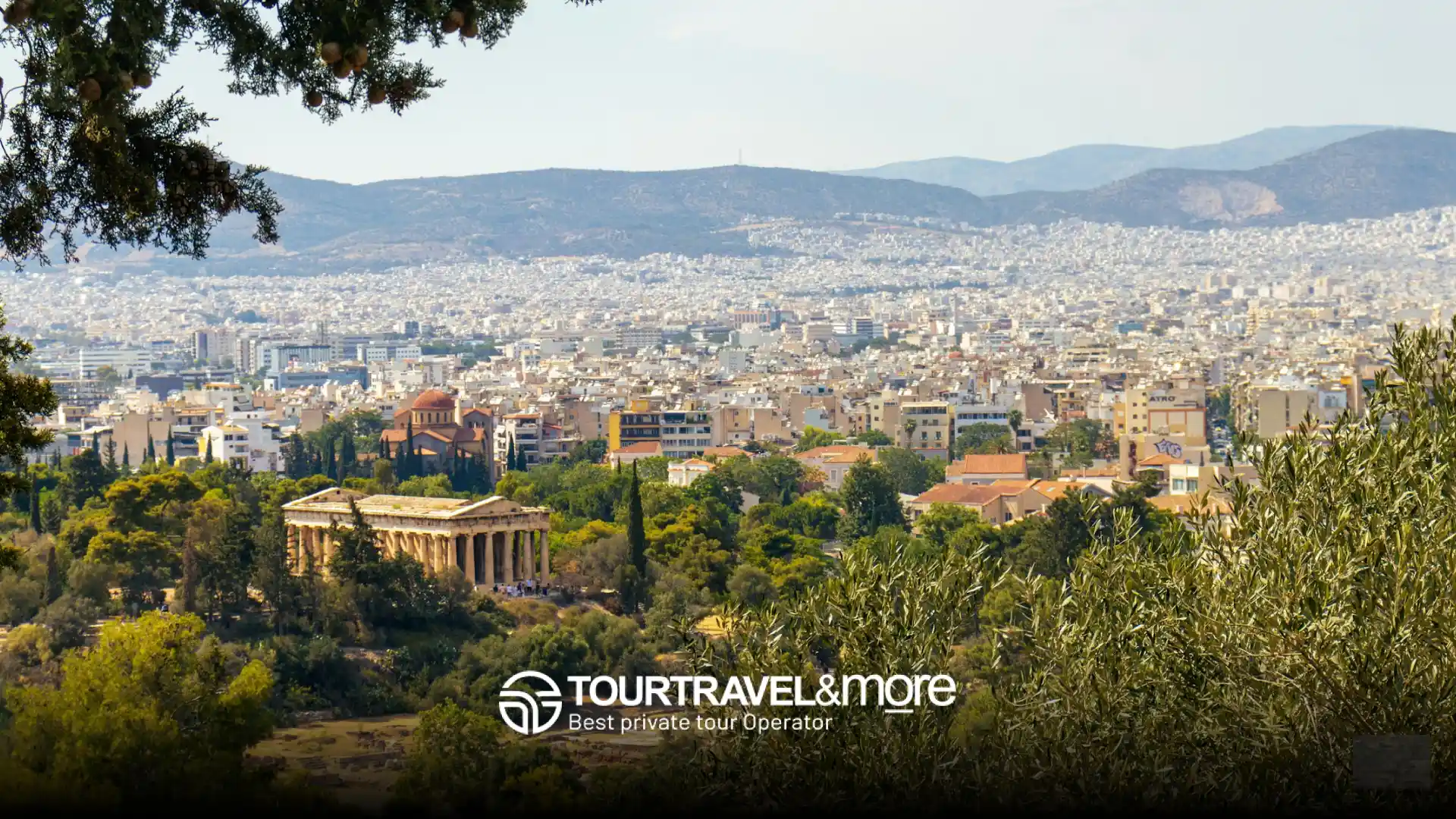
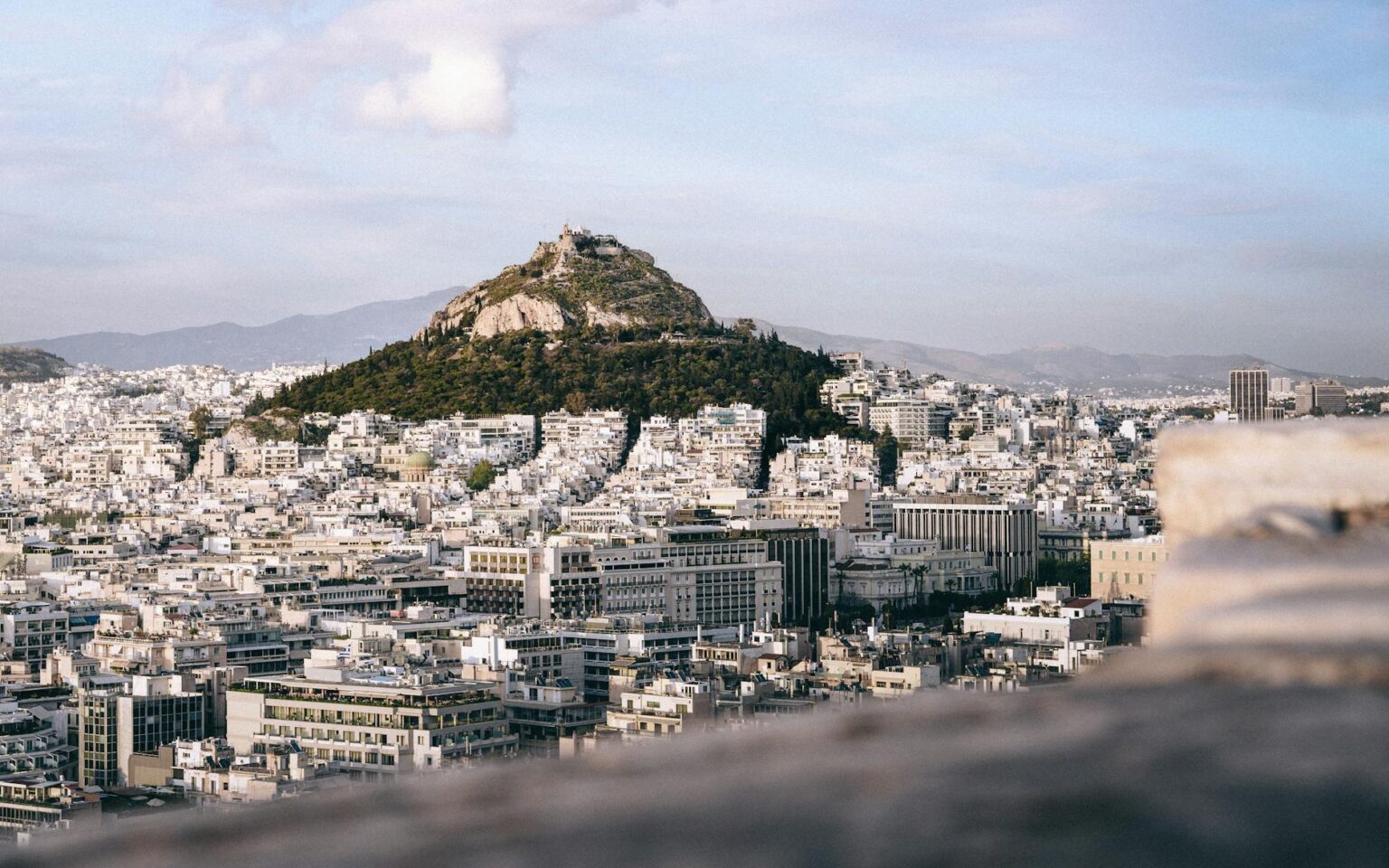
The city’s topography is heavily influenced by its mountains: Parnitha to the north, Penteli to the northeast, and Hymettus to the east. These natural boundaries have dictated the density and expansion of residential and commercial zones, leading to the highly concentrated urban core that characterizes modern Athens.
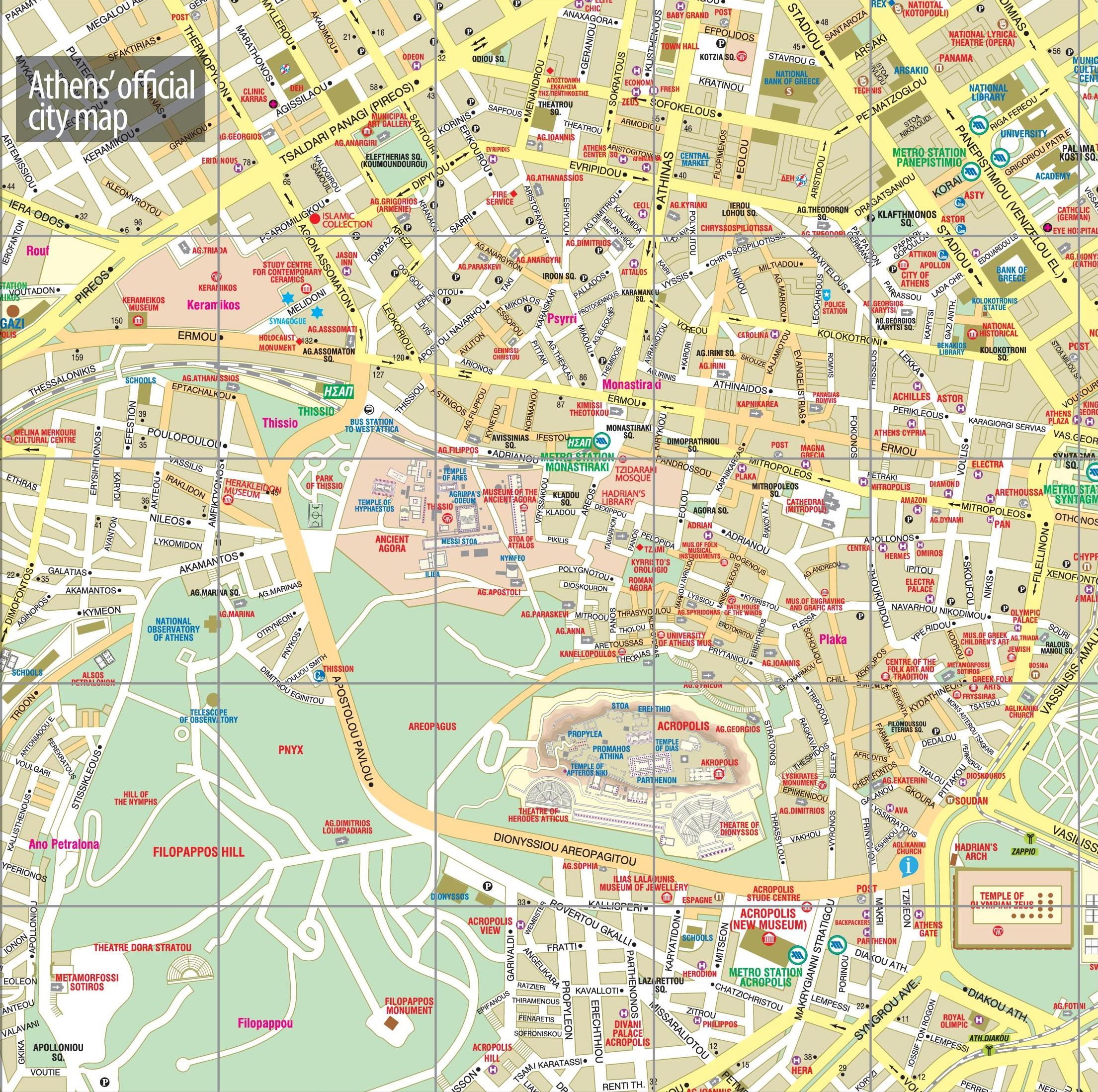
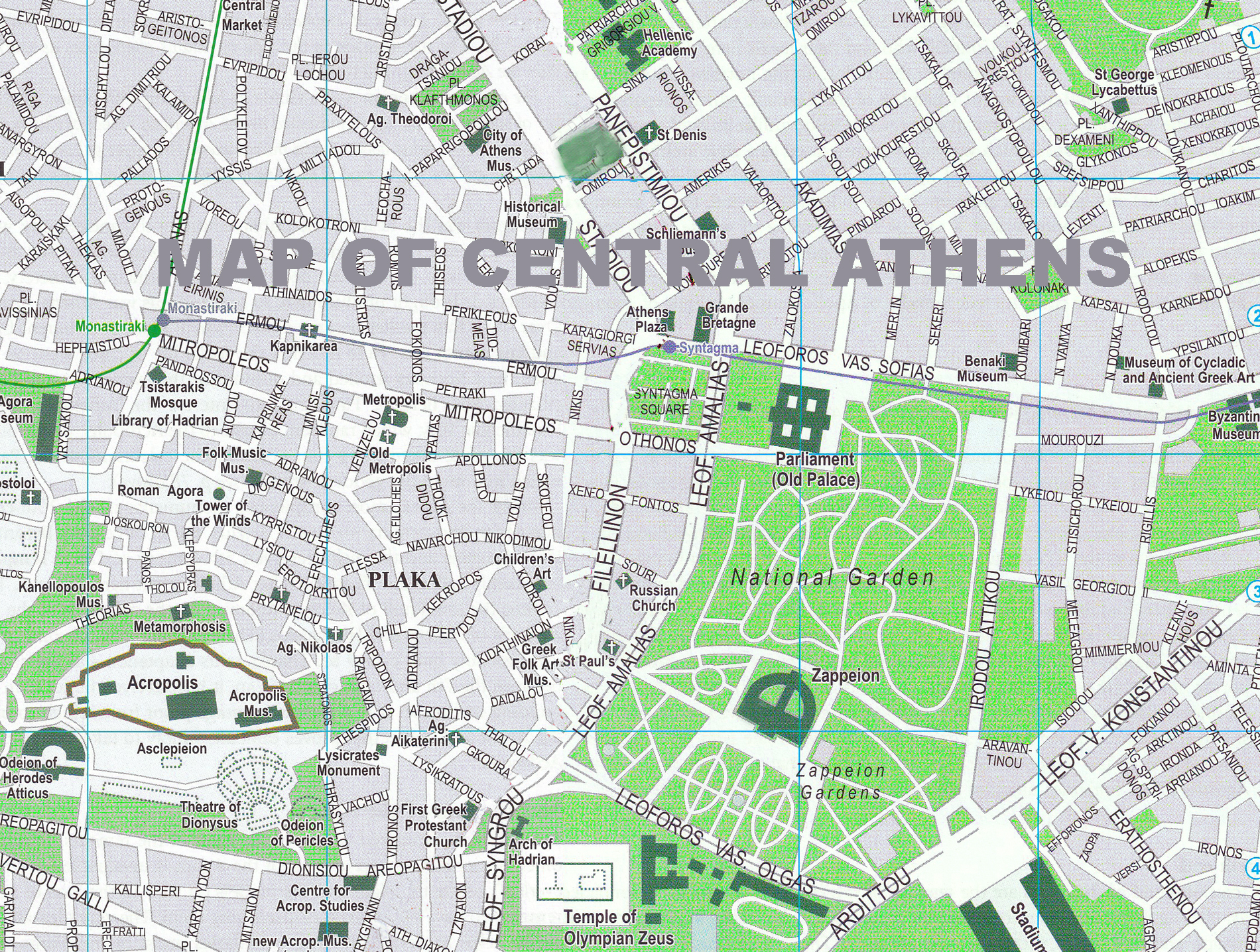
The Historic Core: Plaka, Monastiraki, and Psirri
The heart of Athens is where ancient history and modern urban life collide. This area is the most visited, serving as the primary anchor for tourism and central cultural administration.
Plaka: The Neighborhood of the Gods
Plaka is the oldest district in Athens, situated directly under the slopes of the Acropolis. Its narrow, labyrinthine streets are famous for their neoclassical architecture and vibrant bougainvillea. It remains the most pedestrianized area of the center. Because of its historical protection status, new construction is strictly regulated, maintaining its 19th-century aesthetic.
Monastiraki: The Commercial Pulse
Adjacent to Plaka, Monastiraki is defined by its flea market and bustling activity. It serves as the primary link between the archaeological sites and the commercial shopping streets of Ermou. This area is characterized by a mix of Byzantine churches, Ottoman-era structures, and busy transit hubs connecting to the metro lines.
Psirri: The Artistic Hub
Once a gritty neighborhood, Psirri has transformed into one of the city's most vibrant centers for nightlife and gastronomy. It is defined by its small workshops, galleries, and a high density of cafes and tavernas. It represents the "reborn" side of central Athens, where traditional craftsmanship meets modern, youth-oriented hospitality.
The Upscale North: Kifissia and Marousi
As you move north from the center, the atmosphere shifts from dense urban blocks to leafy, low-density residential neighborhoods.
Kifissia: Elegance and Tradition
Kifissia has historically been the residence of the Athenian elite. It is characterized by grand villas, expansive gardens, and high-end boutiques. It remains a distinct municipality with its own micro-climate, typically several degrees cooler than the downtown core due to its higher elevation and proximity to the mountains.
Marousi: The Modern Business District
Marousi serves as the primary commercial and corporate hub of the city. This area hosts major corporate headquarters, the Olympic Athletic Center of Athens (OAKA), and some of the largest shopping malls in the country. It is a vital node for business professionals and commuters who require modern infrastructure and proximity to the main highway (Attiki Odos).
The Athenian Riviera: The Southern Coast
The southern suburbs, stretching from Faliro through Glyfada to Vouliagmeni, form what is known as the "Athenian Riviera." This area is defined by its immediate access to the Saronic Gulf.
- Glyfada: Often compared to a coastal resort, Glyfada is the epicenter of the southern retail and nightlife scene. It offers a blend of luxury marinas, golf courses, and beach clubs.
- Vouliagmeni: Renowned for the Vouliagmeni Lake—a brackish-water, mineral-rich thermal lake—this area is considered the most prestigious coastal zone for both tourism and residential living. It is characterized by high-end resorts and protected environmental zones.
Comparison Table: Choosing Your Focus
The following table outlines the general characteristics of major Athenian areas to assist in identifying the right location for your needs.
| Area | Primary Characteristic | Best For | Typical Atmosphere |
|---|---|---|---|
| Plaka | Historical/Pedestrian | Sightseeing, History | Traditional, Crowded |
| Monastiraki | Commercial/Transit | Shopping, Dining | Busy, Urban |
| Psirri | Nightlife/Culture | Entertainment, Arts | Lively, Bohemian |
| Kifissia | Upscale Residential | Luxury Living | Calm, Green, Elite |
| Marousi | Corporate/Business | Work, Shopping | Modern, Busy |
| Glyfada | Coastal/Resort | Leisure, Beach, Dining | Chic, Sunny |
Navigating Between Areas: Practical Infrastructure
Athens is served by an efficient, albeit complex, public transportation network. Understanding how these areas connect is crucial for any resident or frequent traveler.
- Metro System: The Metro (Lines 1, 2, and 3) is the primary artery. Line 1 (Green) connects the northern suburbs like Kifissia to the center and the port of Piraeus. Lines 2 and 3 connect the center to the western and eastern residential districts.
- Tram: The tram line is the essential link for the southern coastal areas, starting from Syntagma Square in the center and traveling along the coast to Voula.
- Proastiakos: The suburban railway is necessary for reaching the northern business hubs and the International Airport (ATH) from the central city or Piraeus.
Common Mistakes to Avoid
- Underestimating Traffic: Traffic in central Athens can be severe during rush hours (08:00–10:00 and 17:00–19:00). Relying on taxis or private cars in the center during these times often results in significant delays.
- Ignoring Topography: When choosing an area for accommodation, consider the terrain. The central areas are relatively flat, but as you move toward the base of the mountains (the northern or eastern suburbs), the elevation changes significantly, impacting walkability.
- Seasonality: Many coastal areas (Riviera) are significantly more active from May through September. Conversely, some northern suburbs, while quiet, remain active year-round due to their permanent residential population.
Frequently Asked Questions
Which area is best for a first-time visitor? The area around Syntagma, Plaka, or Monastiraki is best. These locations provide the most immediate access to archaeological sites, public transit, and major dining options, minimizing the need for complex travel during your initial days.
Is it safe to walk around all areas of Athens at night? Generally, yes. Athens is considered a safe city by international standards. However, like any major capital, neighborhoods like Omonia and certain areas bordering Exarcheia can feel unsettled at night. Stick to well-lit, populated streets in the tourist or residential districts.
How far are the southern suburbs from the Acropolis? Depending on the specific suburb, it can take 30 to 60 minutes by public transport (tram or bus). During the summer season, traffic on the coastal road is heavy, so the tram is often a more reliable option than a taxi.
Do I need a car to live in the northern suburbs? While public transport is available, most residents in the northern suburbs prefer having a car. The area is more spread out, and the public transit network is not as dense as in the central municipality.
What is the best way to get from the Airport to the center? The most efficient method is the Metro Line 3 (Blue Line), which runs directly from the airport to Syntagma Square. Alternatively, the Proastiakos train is available, and express buses (X95 to Syntagma) provide a 24-hour service.
Final Recommendation
When exploring the areas of Athens, prioritize the "anchor" that serves your primary intent. If you are there for history, center yourself within a 15-minute walk of the Acropolis. If you are there for business or a long-term residency, prioritize proximity to a Metro stop or a major arterial road like the Attiki Odos. Use the official OASA (Athens Urban Transport Organization) website for real-time transit planning to ensure you can move between these distinct districts with maximum efficiency.