Applying for life insurance in 2026 requires a blend of financial transparency, health preparation, and strategic timing. To secure the most competitive rates, you must determine your exact coverage needs, choose between term or permanent options, and prepare for underwriting by optimizing health markers or selecting "accelerated" paths that utilize AI-driven data rather than traditional medical exams.
Securing a life insurance policy is one of the most significant financial decisions you will make for your family's future. While the core purpose of life insurance—providing a safety net for beneficiaries—remains unchanged, the application process has evolved significantly. Modern underwriting now relies heavily on digital data, real-time health monitoring, and algorithmic risk assessment. Navigating this landscape effectively requires more than just filling out a form; it requires a proactive strategy to present yourself as a low-risk applicant.
Determining Your Coverage Requirements Before You Apply
The most common mistake applicants make is applying for an arbitrary amount of coverage. Before you even look at a quote, you must perform a "Needs Analysis." This prevents you from being over-insured and paying unnecessary premiums, or being under-insured and leaving your family vulnerable.
The DIME Formula
Financial planners often recommend the DIME formula to calculate coverage. This stands for Debt, Income, Mortgage, and Education.
- Debt: Total all your outstanding debts, such as car loans, credit cards, and personal loans, excluding your mortgage.
- Income: Multiply your annual salary by the number of years you want to provide support (often 10 to 20 years).
- Mortgage: Calculate the remaining balance on your home loan.
- Education: Estimate the future cost of tuition for your children.
By aggregating these four pillars, you arrive at a figure that reflects your actual financial footprint. In 2026, with inflation impacting education and housing costs, revisiting these calculations annually is essential.
Assessing Policy Duration
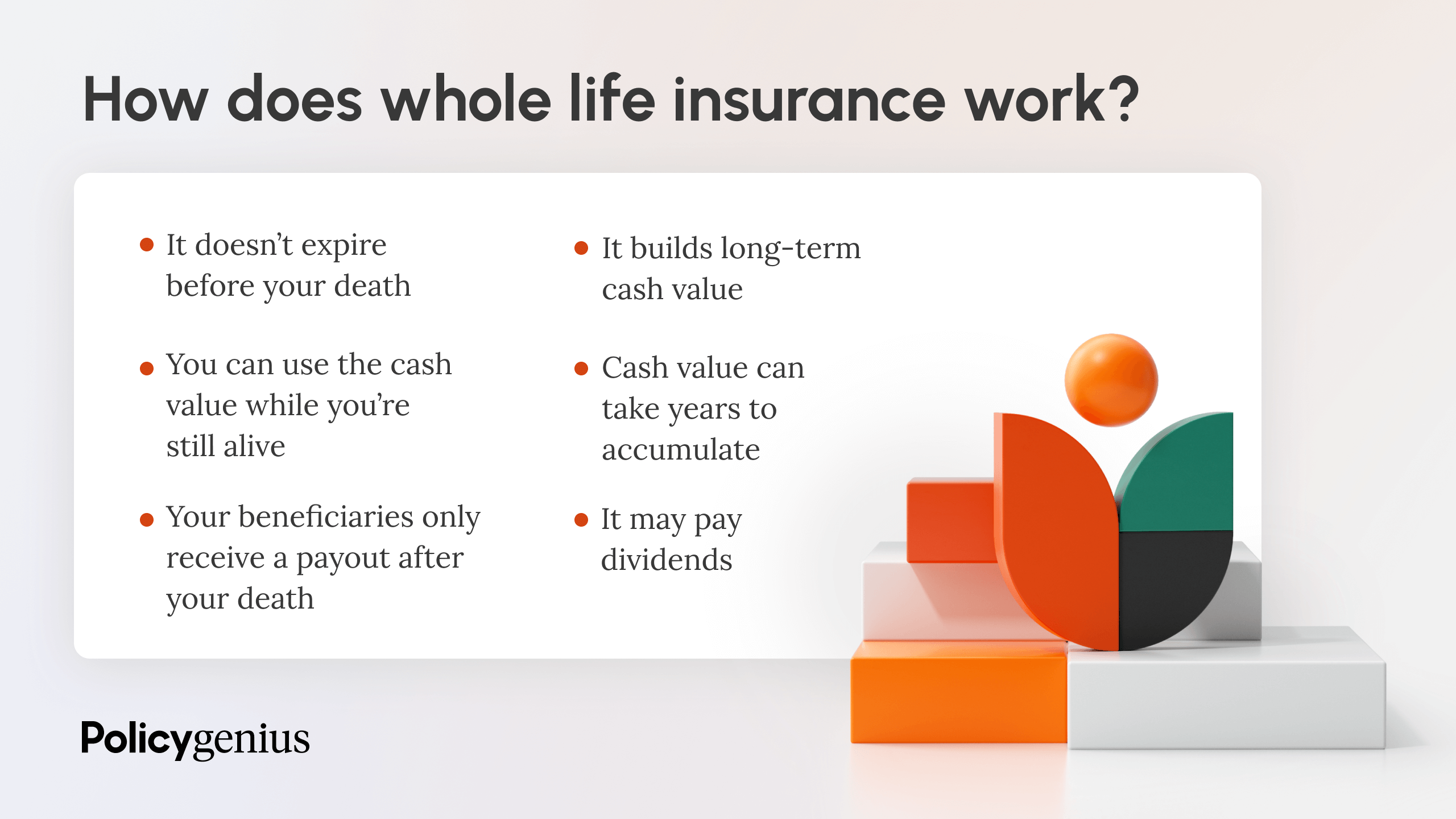
You must also decide between Term Life and Permanent Life insurance. Term life insurance covers you for a specific period (e.g., 10, 20, or 30 years) and is generally more affordable. It is ideal for covering specific "expiration" debts like a mortgage or until children reach adulthood. Permanent life insurance, including Whole Life and Universal Life, provides lifelong coverage and includes a cash value component. These are more complex and expensive, often used for estate planning or as a specialized investment vehicle.
Strategies for Optimizing Your Health Profile
Even with the rise of big data in 2026, your physical health remains the primary factor in determining your premium tier (e.g., Preferred Best, Preferred, Standard, or Substandard). The "tips" for applying often start months before the actual application.
The "Clean Window" Approach
Insurance companies look for stability. If you have recently started medication for high blood pressure or cholesterol, many carriers want to see at least six months of stable readings before they will offer you a "Preferred" rate. If you are planning to apply, consult with your physician to ensure your chronic conditions are well-managed and documented.
Lifestyle Adjustments and Their Impact
Smoking remains the single largest "penalty" on life insurance premiums. In 2026, "smoking" often includes vaping and certain nicotine replacement therapies. To qualify for non-smoker rates, most companies require you to be nicotine-free for at least 12 to 24 months. If you are currently a smoker, quitting today won't help your rate tomorrow, but it will significantly lower your costs during a policy review or a new application two years from now.
Preparing for the Paramedical Exam
If your application requires a medical exam, how you behave in the 48 hours leading up to it matters.
- Fast for 8-12 hours: This ensures your blood sugar and triglyceride levels are accurate.
- Hydrate aggressively: Water helps dilute certain markers and makes the blood draw easier.
- Avoid Caffeine and Alcohol: Both can temporarily elevate blood pressure and heart rate.
- Avoid Strenuous Exercise: Intense workouts can cause a temporary spike in protein levels in your urine, which might trigger a "red flag" for kidney issues.
Navigating the Underwriting Process in 2026
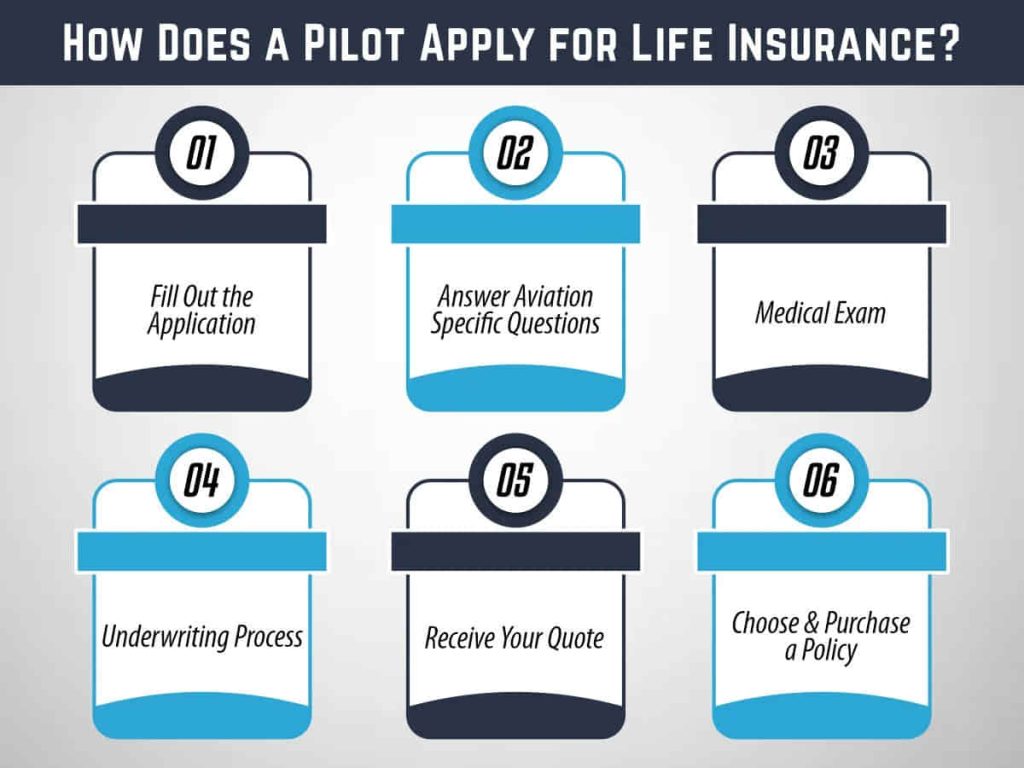
Underwriting is the process where the insurance company evaluates your risk. In 2026, there are two primary paths: Traditional Underwriting and Accelerated (or Automated) Underwriting.
Accelerated Underwriting (AU)
Many healthy applicants under age 60 can now bypass the medical exam entirely. AU uses algorithms to scan your Medical Information Bureau (MIB) report, prescription drug history, motor vehicle records, and even credit-based insurance scores.
- Tip: If you have a clean medical history and a high credit score, look for "No-Exam" or "Instant Issue" policies. These can often be approved within minutes or days rather than weeks.
- Caution: Do not assume "No-Exam" means "No-Questions." You still have a legal duty to disclose your health history.
The Role of Digital Health Records
With the widespread adoption of electronic health records (EHR), insurance companies can now access your medical history with your digital consent much faster than the old method of requesting physical files from a doctor’s office. Before applying, it is wise to review your own medical records to ensure there are no errors, such as a misdiagnosed condition or a medication you no longer take that is still listed as "active."
Financial Disclosure and Honesty
Honesty is the most critical technical tip for a successful application. Every life insurance policy includes a Contestability Period, usually the first two years of the policy. If the insured person dies during this window and the company finds that the applicant lied about a health condition, smoking status, or dangerous hobby, they can legally deny the claim.
Disclosing "Dangerous" Hobbies
Activities like scuba diving, private piloting, or rock climbing must be disclosed. While they may lead to a "flat extra" fee (an additional charge per $1,000 of coverage), disclosing them ensures the policy is valid. In 2026, underwriters often use social media and public data to verify lifestyle claims, making transparency more important than ever.
Financial Underwriting for High-Coverage Amounts
If you are applying for a policy worth several million dollars, the company will perform financial underwriting. They may ask for tax returns or a Statement of Net Worth to ensure the "insurable interest" matches your financial reality. The goal is to ensure you aren't "worth more dead than alive," which is a standard risk-mitigation protocol.
Comparing Application Methods and Costs
Choosing the right platform to apply through can change your experience and your final price.
| Application Method | Typical Turnaround | Pros | Cons |
|---|---|---|---|
| Independent Agent | 2–6 Weeks | Personalized advice; can "shop" your file to multiple carriers. | May have higher overhead or biased commissions. |
| Direct-to-Consumer (Online) | Minutes to Days | Extremely fast; often uses accelerated underwriting. | Limited to one company's products; less guidance. |
| Captive Agent (e.g., State Farm) | 1–4 Weeks | Bundle with home/auto for discounts. | Only offers one brand; may not be the cheapest rate. |
| Brokerage Exchanges | 1–3 Weeks | Compare 20+ companies at once; tech-forward interfaces. | Can be overwhelming with choices; automated support. |
The Impact of Age on Premiums
Life insurance premiums increase by approximately 5% to 10% for every year you age. One of the best tips for applying is to apply now. Some companies also use "Age Nearest," meaning if you are six months and one day past your 34th birthday, they price you as a 35-year-old. Timing your application before you hit that six-month mark can save you thousands over the life of a 30-year policy.
Common Pitfalls and How to Avoid Them
1. Overlooking "Laddering"
You don’t necessarily need one giant policy. For example, if you need $1 million for 10 years (while the kids are home) but only $500,000 for 20 years (until the mortgage is paid), you can "ladder" policies. Buy one 10-year term for $500k and one 20-year term for $500k. This significantly reduces your total premium outflow compared to a single $1 million 20-year policy.
2. Naming the Wrong Beneficiaries
Avoid naming minor children as direct beneficiaries. Most insurance companies cannot pay out a death benefit directly to a minor. Instead, the court will appoint a guardian, which can lead to legal fees and delays. Instead, name a trust or a legal adult guardian as the beneficiary "for the benefit of" the children.
3. Ignoring the "Free Look" Period
Most states mandate a "Free Look" period (usually 10 to 30 days) after the policy is delivered. During this time, you can cancel the policy for any reason and get a full refund of any premiums paid. Use this time to read the actual contract, not just the marketing brochure.
4. Relying Solely on Employer-Provided Life Insurance
Group life insurance through an employer is a great perk, but it is rarely enough. Most group plans offer 1x or 2x your salary, which is far below the recommended 10x-15x. Furthermore, group policies are usually not portable. If you lose your job or change careers in 2026, you could lose your coverage at an age when a new private policy will be much more expensive.
External Resources for Verification
For those seeking to verify the financial stability of an insurer or understand specific state regulations, the following authoritative sources are recommended:
- National Association of Insurance Commissioners (NAIC): For consumer guides and state-by-state regulatory information.
- AM Best: To check the financial strength ratings of insurance companies.
- Internal Revenue Service (IRS) Publication 525: For details on the tax treatment of life insurance proceeds.
Disclaimer: Life insurance products and regulations vary by jurisdiction. This information is for educational purposes and does not constitute financial, legal, or medical advice. Consult with a licensed professional before making significant financial decisions.
Frequently Asked Questions
Can I apply for life insurance if I have a pre-existing condition?
Yes, you can still apply, but the process may be more rigorous. In 2026, many carriers specialize in "clinical underwriting," which looks at the specific management of your condition rather than just the diagnosis. For example, a well-managed Type 2 diabetic might still qualify for "Standard" rates. You should work with an independent broker who can "pre-shop" your medical data anonymously to find the carrier most favorable to your specific condition.
What is the "Contestability Period"?
The contestability period is a standard clause (typically lasting two years from the policy's effective date) that allows the insurance company to investigate the original application for any material misrepresentations. If they discover you withheld information about a terminal illness or high-risk behavior, they can void the policy and return premiums instead of paying the death benefit. After two years, the policy generally becomes "incontestable," except in cases of extreme fraud.
Does my credit score affect my life insurance application?
Indirectly, yes. Most insurance companies use a "Credit-based Insurance Score." Unlike a FICO score used for loans, this score looks at your credit history to predict insurance risk. Statistically, individuals with higher credit scores tend to have fewer insurance lapses and lower mortality risks. While a poor credit score won't necessarily lead to a decline, it may prevent you from qualifying for the absolute lowest "Preferred Best" rates.
How often should I review my life insurance policy?
You should review your policy every three to five years, or whenever a "Major Life Event" occurs. These events include marriage, divorce, the birth of a child, a significant increase in income, or purchasing a new home. In 2026, you should also review your policy if your health improves significantly—such as losing a substantial amount of weight or quitting smoking—as you may be able to "re-rate" your existing policy for a lower premium.
What happens if I outlive my term life insurance policy?
If you reach the end of your term (e.g., the end of a 20-year term), the coverage simply expires, and no death benefit is paid. However, many policies include a "Renewal" or "Conversion" clause. A conversion clause allows you to turn your term policy into a permanent one without a new medical exam. This is a critical feature if you develop health problems during the term and still need coverage afterward.
Final Recommendation
When applying for life insurance in 2026, the best course of action is to start with a needs analysis and apply while you are healthy. If you are in excellent health, prioritize carriers offering accelerated underwriting to save time. If you have medical complexities, engage an independent broker who can navigate the nuances of different carriers' underwriting manuals. Always ensure you have a "Conversion Rider" on your term policies to protect your future insurability, and never cancel an existing policy until your new coverage is officially "in force."