Applying for life insurance with long-term care (LTC) benefits requires selecting either a hybrid "asset-based" policy or adding an LTC rider to a permanent life insurance contract. The process involves comprehensive medical and cognitive underwriting, a financial needs analysis, and deciding between reimbursement or indemnity benefit models to cover future nursing or home-based care.
The landscape of financial planning in 2026 has shifted significantly toward integrated solutions. For many individuals, the traditional "standalone" long-term care insurance policy has become less attractive due to rising premiums and the risk of paying for coverage they may never use. Instead, applying for life insurance with a long-term care component—often called a "hybrid policy"—has become the standard method for protecting assets against the high cost of elder care while still providing a death benefit to beneficiaries.
Understanding how to navigate this application process is critical. Unlike standard term life insurance, which focuses primarily on mortality risk, life insurance with LTC requires underwriters to evaluate morbidity risk—the likelihood that you will become ill or disabled and require assistance with daily living.
Understanding the Core Product Structures
Before beginning the application, you must distinguish between the two primary ways long-term care is integrated into life insurance. Choosing the wrong structure during the initial inquiry can lead to a policy that doesn't meet your specific tax or care requirements.
1. Hybrid (Asset-Based) Life/LTC Policies
These are specifically designed from the ground up to provide long-term care benefits. In 2026, these are frequently funded via a large single premium or a fixed schedule of payments over 5 to 10 years. The primary advantage of a hybrid policy is that the LTC benefit is often several times larger than the death benefit. If you never need care, your heirs receive the death benefit. If you do need care, the policy pays out for LTC until the death benefit is exhausted, and many policies include an "extension of benefits" rider that continues to pay even after the life insurance portion is gone.
2. Life Insurance with an LTC Rider
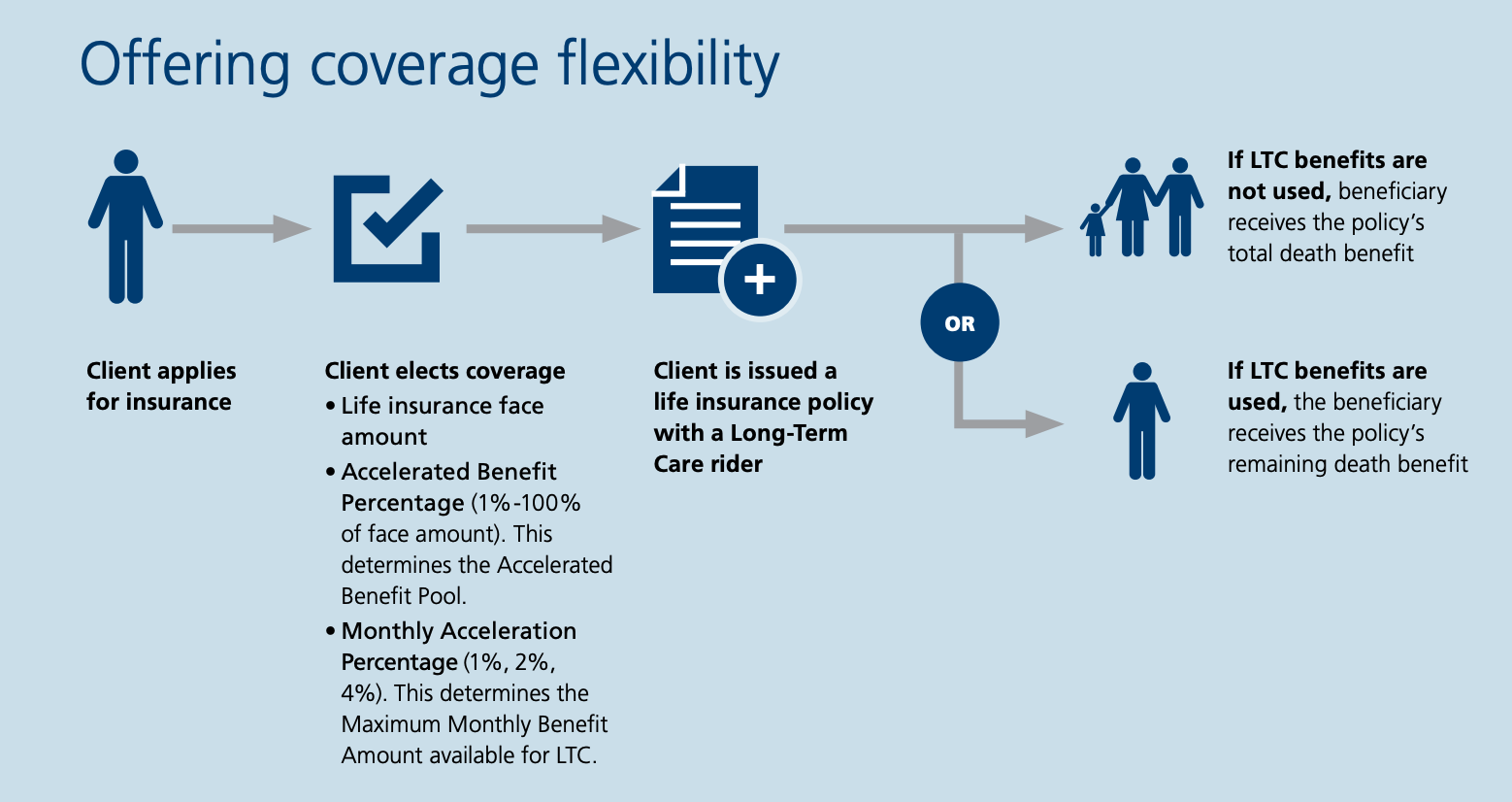
This is typically a Universal Life or Whole Life policy where "Long-Term Care" is an optional add-on. The rider allows you to "accelerate" or tap into the death benefit while you are still alive to pay for care. While this is often more affordable than a dedicated hybrid policy, the total pool of money available for care is usually limited to the face amount of the life insurance policy. Once you spend the death benefit on care, there may be little or nothing left for your beneficiaries.
Prerequisites and Eligibility Requirements
Applying for these policies is more rigorous than applying for standard life insurance. Because the insurance company is potentially on the hook for years of expensive home health care or nursing home stays, the "evidence of insurability" is heightened.
Age and Timing
In 2026, the "sweet spot" for applying is between the ages of 45 and 65. While some carriers accept applicants up to age 75 or 80, the premiums become exponentially higher, and the likelihood of medical rejection increases. Applying earlier allows you to lock in lower rates and ensures that minor health issues common in older age do not disqualify you.
Health and Morbidity Underwriting
Standard life insurance underwriting looks for "big killers" like heart disease, cancer, and stroke. However, LTC underwriting focuses on "quality of life" and "longevity" issues. Underwriters look for:
- Musculoskeletal issues: Severe arthritis or back problems that might lead to mobility issues.
- Neurological conditions: Early signs of Parkinson’s, Multiple Sclerosis, or tremors.
- Cognitive health: This is the most critical factor. Carriers in 2026 utilize sophisticated cognitive screenings to detect early signs of dementia or Alzheimer’s disease.
Financial Suitability
Because hybrid policies often involve significant premiums, carriers will perform a suitability check. They want to ensure that paying for the policy won't deplete your liquidity to the point where you cannot afford daily living expenses. You will likely need to disclose your net worth, annual income, and existing retirement assets during the application.
The Step-by-Step Application Process
The application process for life insurance with long-term care typically spans four to eight weeks. Following a structured path ensures that you don't miss critical disclosures that could lead to a claim denial later.
Step 1: The Needs Analysis and Design
Work with a specialized financial professional to determine your "daily benefit" amount and "benefit period." For example, do you want $200 a day for three years, or $300 a day for an unlimited period? You must also decide between Reimbursement (the policy pays the care provider directly based on receipts) or Indemnity (the policy sends you a flat monthly check once you qualify for care, regardless of the actual cost).
Step 2: Informal Inquiry (Pre-Screener)
Before submitting a formal, binding application, your agent should submit an "informal" or "pre-screen" to multiple carriers. This involves sharing your medical history without your name attached to see which company offers the most favorable terms. This prevents a "rejection" from being recorded in the Medical Information Bureau (MIB), which could make it harder to get coverage elsewhere.
Step 3: Formal Application and Disclosures
Once a carrier is selected, you fill out the formal application. This document requires detailed information on every doctor you have seen in the last five to ten years, all medications currently or previously taken, and your family medical history.
Step 4: The Underwriting Interview and Cognitive Exam
For life/LTC combinations, a "Tele-interview" is standard. A trained nurse or underwriter will call you to verify your medical history. During this call, you will often undergo a cognitive assessment. In 2026, this frequently involves:
- Delayed Word Recall: Remembering a list of words after a few minutes of conversation.
- Clock Drawing: Being asked to describe or virtually draw a specific time on a clock face.
- Word Fluency: Naming as many items as possible in a specific category (e.g., animals) within 60 seconds.
Step 5: Attending Physician Statements (APS)
The insurance company will request your official records from your primary care physician and any specialists. This is often the longest part of the process, as it depends on how quickly your doctor's office responds to the request.
Step 6: Policy Issue and Delivery
If approved, the company will "issue" the policy. You then have a "Free Look" period (usually 10 to 30 days, depending on the state) to review the contract. During this time, you can cancel the policy for a full refund if you find the terms are not what you expected.
Comparing Coverage Options: Life vs. LTC vs. Hybrid
Choosing the right vehicle depends on whether your priority is leaving a legacy or protecting your retirement savings from healthcare costs.
| Feature | Standalone LTC Insurance | Life Insurance with LTC Rider | Hybrid Life/LTC Policy |
|---|---|---|---|
| Primary Purpose | Long-Term Care only | Death Benefit | Dual: Care and Death Benefit |
| Premium Stability | Premiums can (and do) rise | Generally fixed/guaranteed | Guaranteed never to increase |
| "Use it or Lose it" | Yes—no benefit if care isn't needed | No—pays death benefit | No—pays death benefit |
| Benefit Triggers | 2 of 6 ADLs or Cognitive Impairment | 2 of 6 ADLs or Cognitive Impairment | 2 of 6 ADLs or Cognitive Impairment |
| Underwriting | Very Strict | Moderate | Strict |
| Tax Status | Tax-qualified (Benefits tax-free) | Varies by rider type | Tax-qualified (IRC 7702B) |
Key Technical Considerations: ADLs and Triggers
When you apply, you are essentially signing a contract that defines exactly when the insurance company has to start paying. This is known as the "Benefit Trigger."
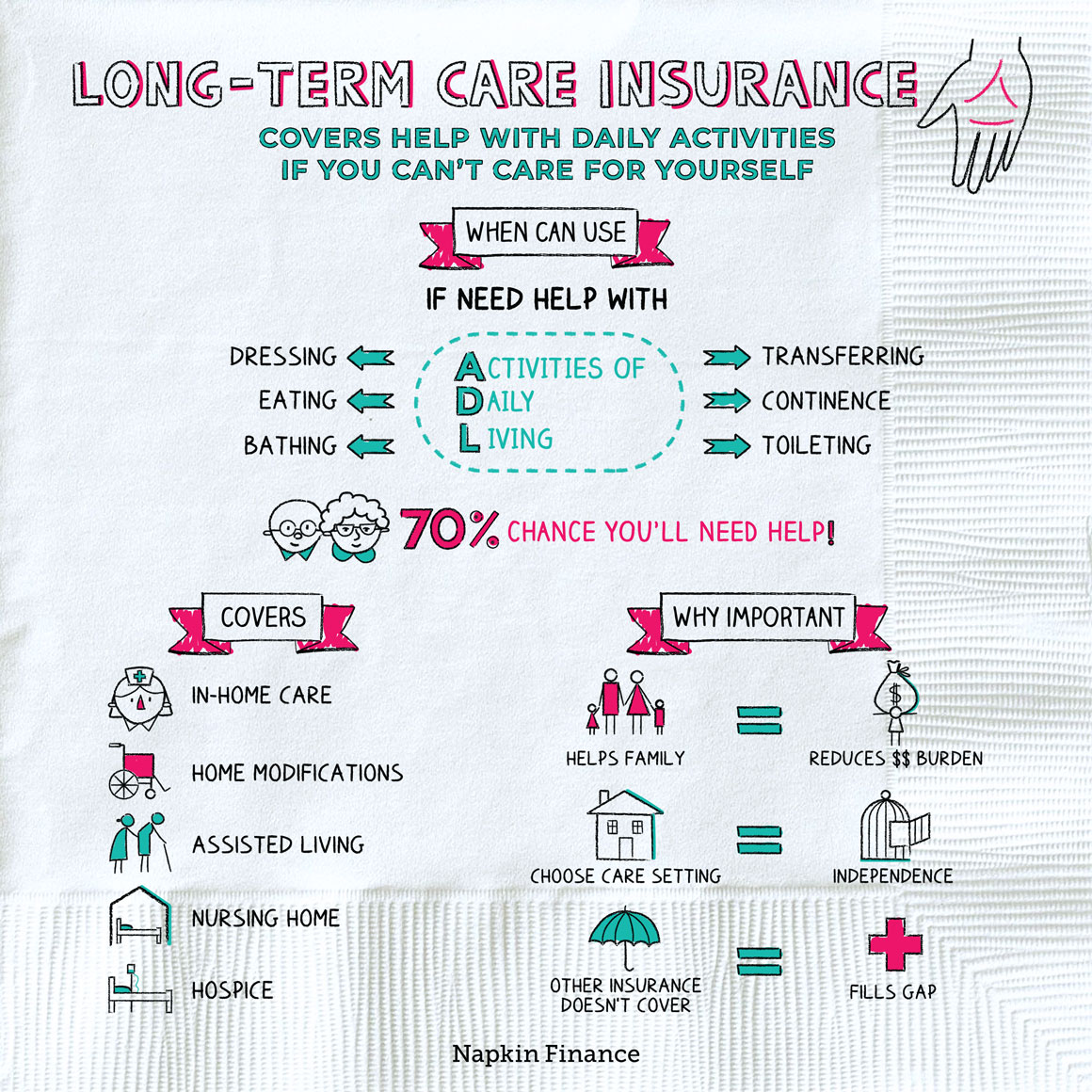
In 2026, almost all life/LTC policies use the "HIPAA Standard." To trigger the benefits, a licensed healthcare practitioner must certify that you are "chronically ill." This is defined as:
- Activities of Daily Living (ADLs): You are unable to perform at least two of the six ADLs for at least 90 days. These include bathing, continence, dressing, eating, toileting, and transferring (moving in and out of a bed or chair).
- Severe Cognitive Impairment: You require substantial supervision to protect yourself from threats to health and safety due to Alzheimer’s or other forms of dementia.
During the application, ensure you understand the "Elimination Period." This is like a deductible in days. A 90-day elimination period means you must pay for your own care for the first 90 days before the insurance company begins its payments.
Common Mistakes When Applying
Applying for life insurance with long-term care is complex, and errors can lead to higher premiums or declined coverage.
- Underestimating the Cognitive Exam: Many applicants are surprised by the mental exercises. Being tired, stressed, or distracted during the tele-interview can lead to a "fail" on the cognitive portion, which is often an automatic decline for LTC coverage.
- Inaccurate Medication Lists: If you take a medication "off-label" (e.g., a blood pressure med for anxiety), the underwriter may assume you have the more serious condition unless you clarify it upfront.
- Ignoring the "Inflation Protection" Option: In 2026, the cost of care continues to rise. Failing to select an inflation rider (which grows your benefit by 3% or 5% annually) could mean your policy covers only a fraction of the costs 20 years from now.
- Waiting Too Long: Health is a "declining asset." The moment you are diagnosed with a condition like diabetes or even significant sleep apnea, your options for LTC riders may vanish, even if you can still get standard life insurance.
Financial and Tax Implications
The Internal Revenue Code (specifically Section 7702B and 101(g)) governs how these policies are taxed. Generally, the benefits paid out for long-term care from a life insurance policy are received income tax-free, provided the policy is "tax-qualified."
Furthermore, some states offer "Partnership Programs." If you apply for a policy that meets state-specific partnership requirements, you may be eligible for "Asset Disregard." This means that if you exhaust your insurance benefits and need to apply for Medicaid, the state will allow you to keep an amount of personal assets equal to the amount of insurance benefits you received, rather than forcing you to "spend down" to poverty levels.
Final Recommendation
If you are concerned about the financial impact of aging, applying for life insurance with a long-term care component is a proactive solution. Start by gathering your medical records and consulting with a specialist who can compare hybrid vs. rider-based options. Prioritize "guaranteed" policies where the premium and benefits are locked in, ensuring that your plan remains stable throughout your retirement years.
Frequently Asked Questions
Can I add an LTC rider to my existing life insurance policy?In most cases, no. LTC riders must usually be added at the time of the original application because they require specific morbidity underwriting. However, some companies allow you to do a "1035 Exchange," which involves moving the cash value from your old policy into a new policy that includes LTC coverage without triggering a taxable event.
What is the difference between a Chronic Illness rider and a Long-Term Care rider?This is a vital distinction in 2026. A "Chronic Illness" rider often only pays out if the condition is expected to be permanent. A "Long-Term Care" rider is more flexible and can pay for care even if you eventually recover (such as rehabilitation after a severe accident or stroke). LTC riders are generally preferred for comprehensive planning.
How much does life insurance with LTC cost compared to regular life insurance?Adding an LTC rider typically increases the premium of a permanent life policy by 10% to 25%. For a dedicated hybrid policy, you might see a single premium of $50,000 to $150,000, or annual payments of $5,000 to $10,000, depending on your age and the amount of coverage desired.
What happens to the LTC benefits if I die suddenly?If you have a hybrid policy or a rider and die without ever needing long-term care, your beneficiaries receive the full death benefit. This "no-waste" feature is the primary reason many people choose life/LTC combinations over standalone long-term care insurance.
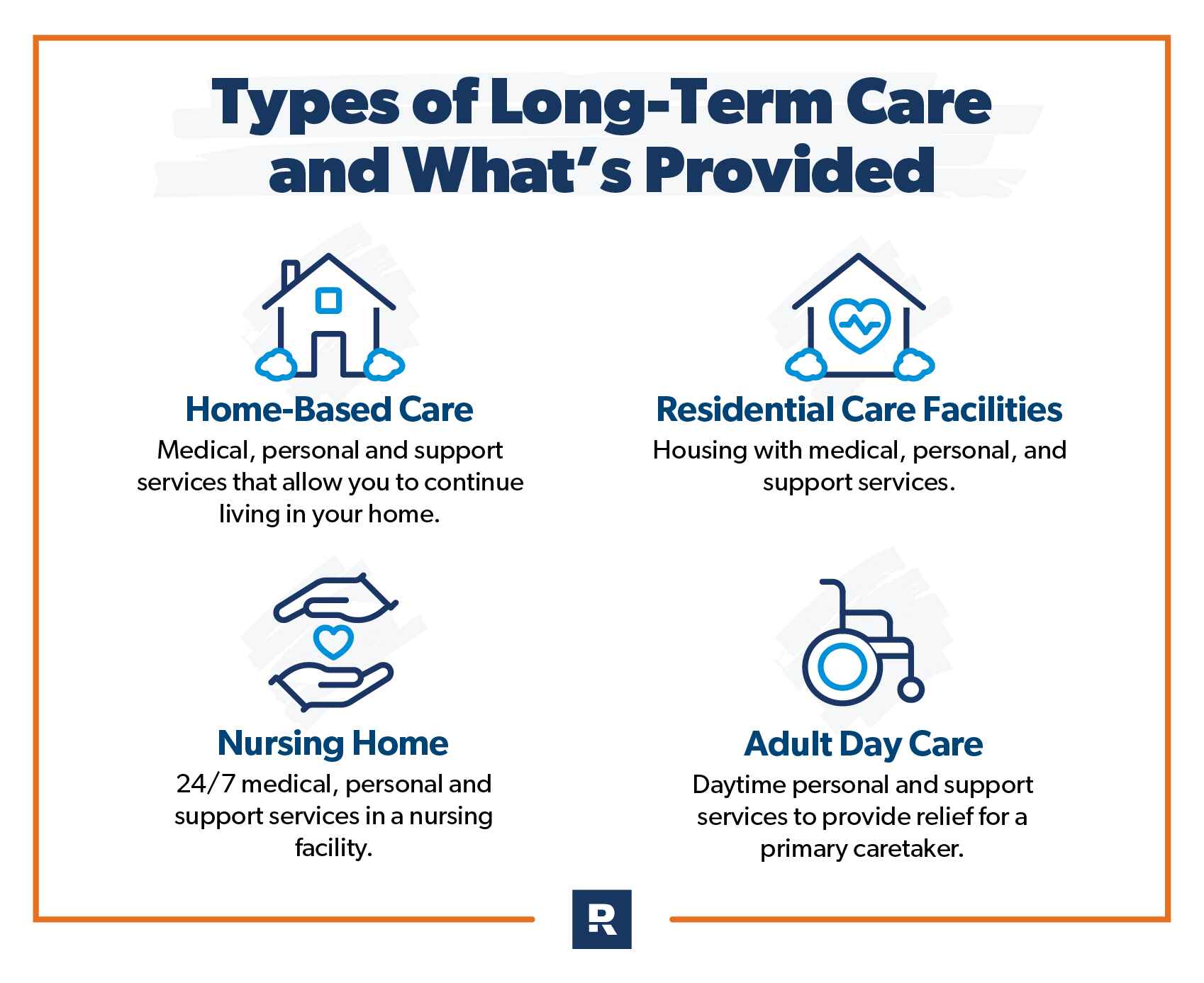
Is home health care covered, or just nursing homes?Most modern policies applied for in 2026 are "comprehensive." This means they cover care in a variety of settings, including your own home, adult day care centers, assisted living facilities, and traditional nursing homes. Always verify that "Home Health Care" is explicitly listed in the policy definitions.