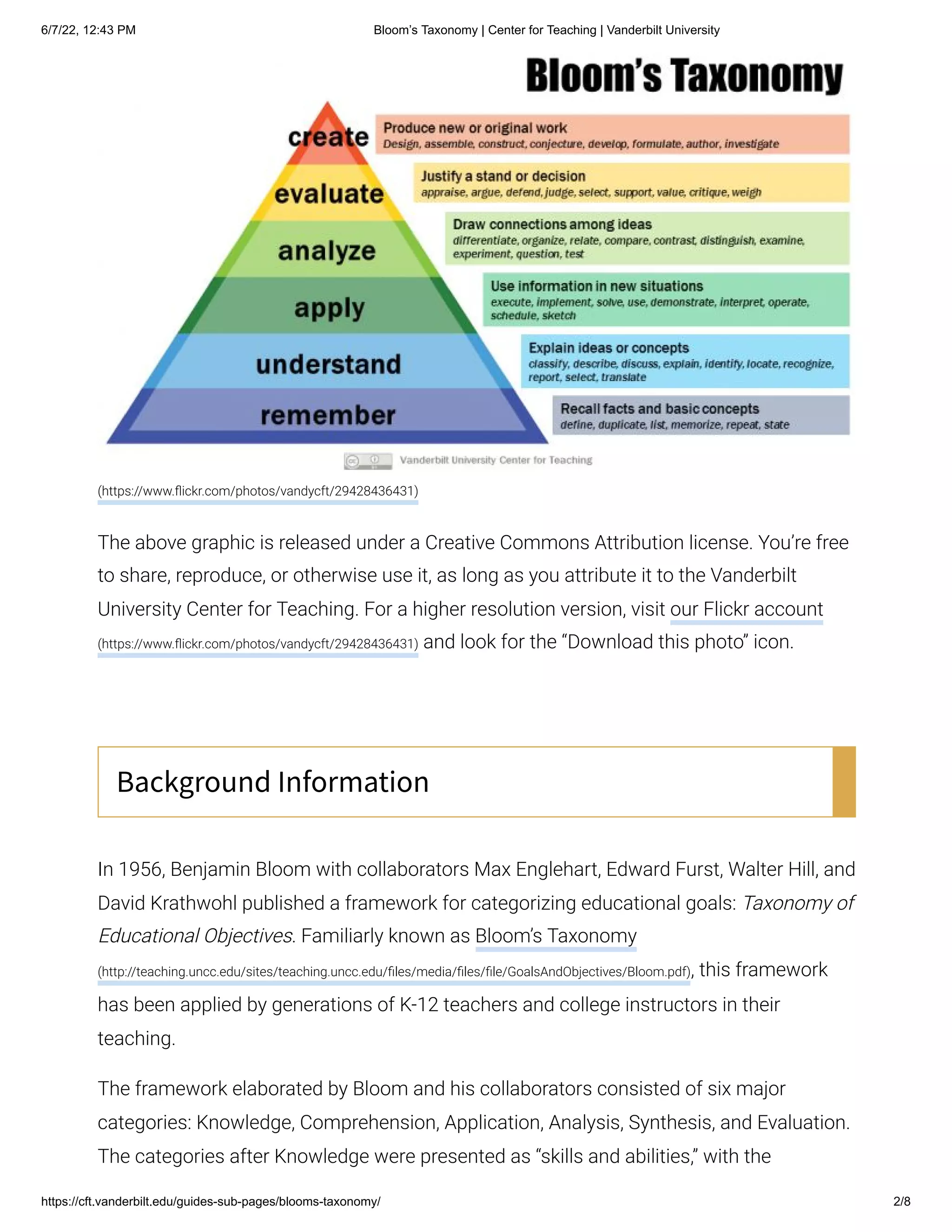
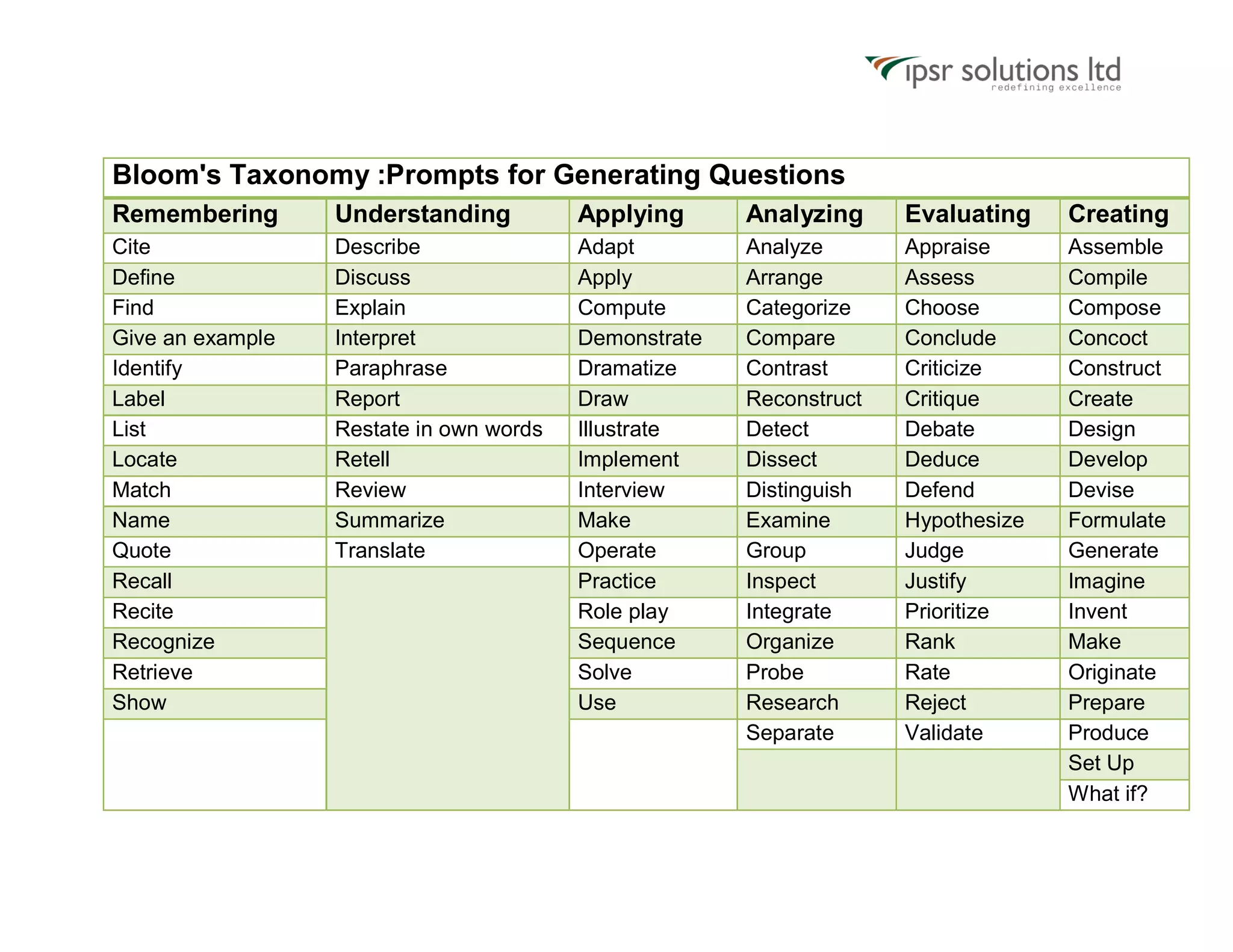
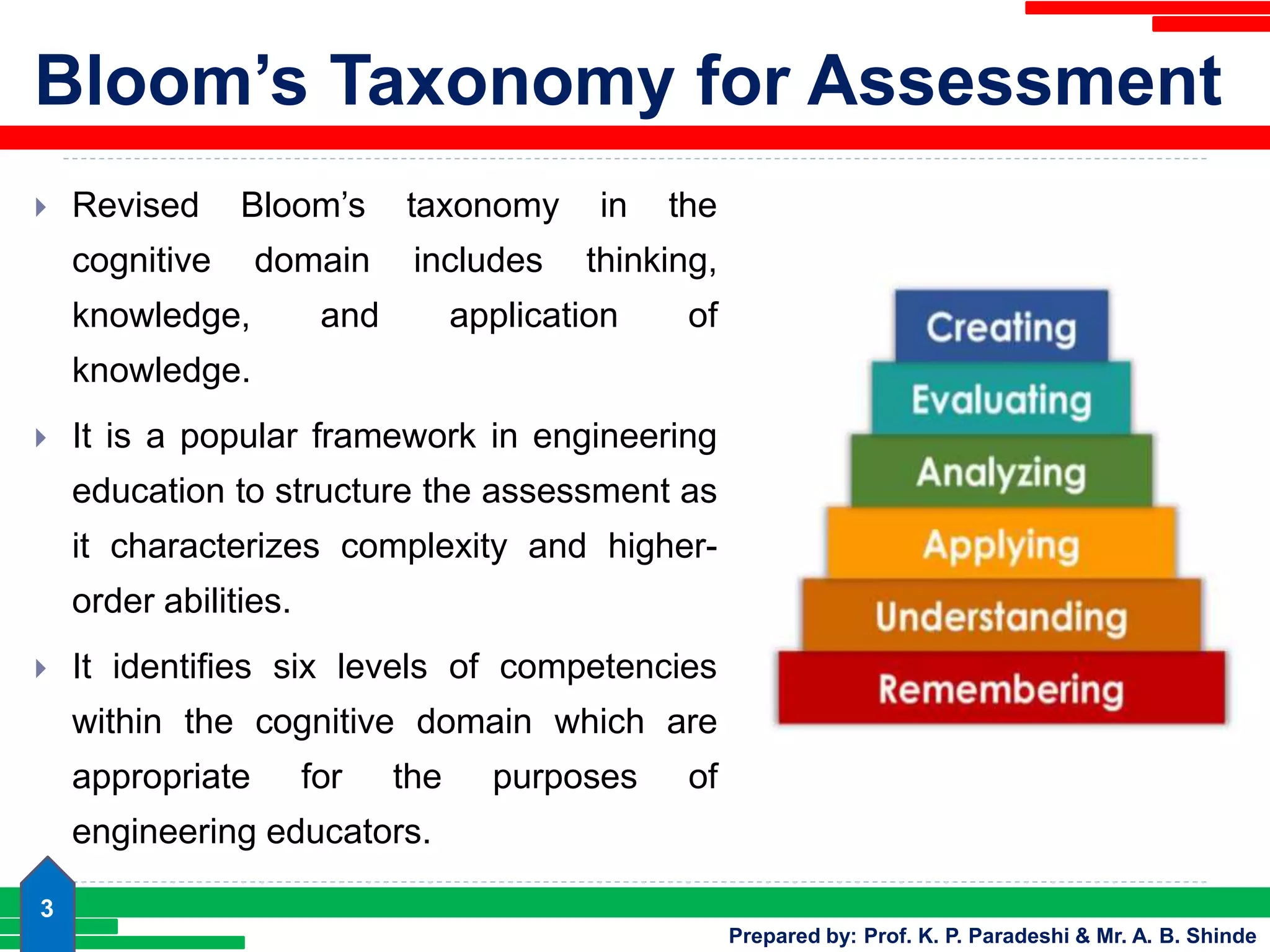
Applying Bloom’s Taxonomy in everyday teaching involves structured lesson planning that moves students from basic recall to higher-order thinking skills. By intentionally designing objectives, questions, and assessments across the six cognitive levels—Remember, Understand, Apply, Analyze, Evaluate, and Create—educators ensure students develop a deep, functional mastery of the subject matter rather than superficial memorization.
The Evolution of Bloom’s Taxonomy for Modern Classrooms
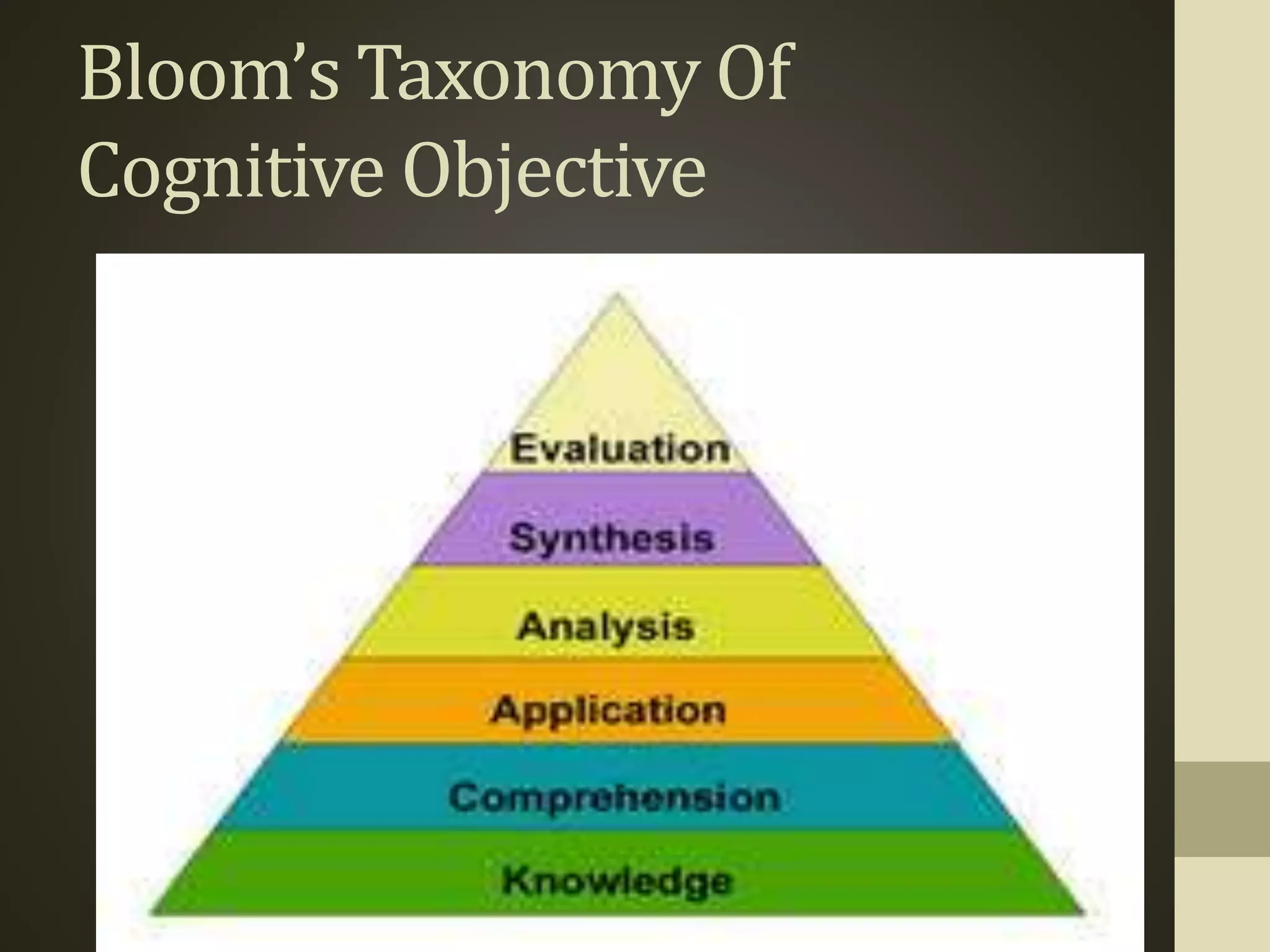
Originally developed in 1956 by Benjamin Bloom and later revised in 2001 by Lorin Anderson and David Krathwohl, the taxonomy serves as a foundational framework for educational psychology. In the current 2026 educational landscape, where information is readily accessible through artificial intelligence and digital repositories, the application of this framework has shifted. It is no longer sufficient for students to merely "Remember" or "Understand" data; the focus has moved aggressively toward the top of the pyramid: Analyze, Evaluate, and Create.
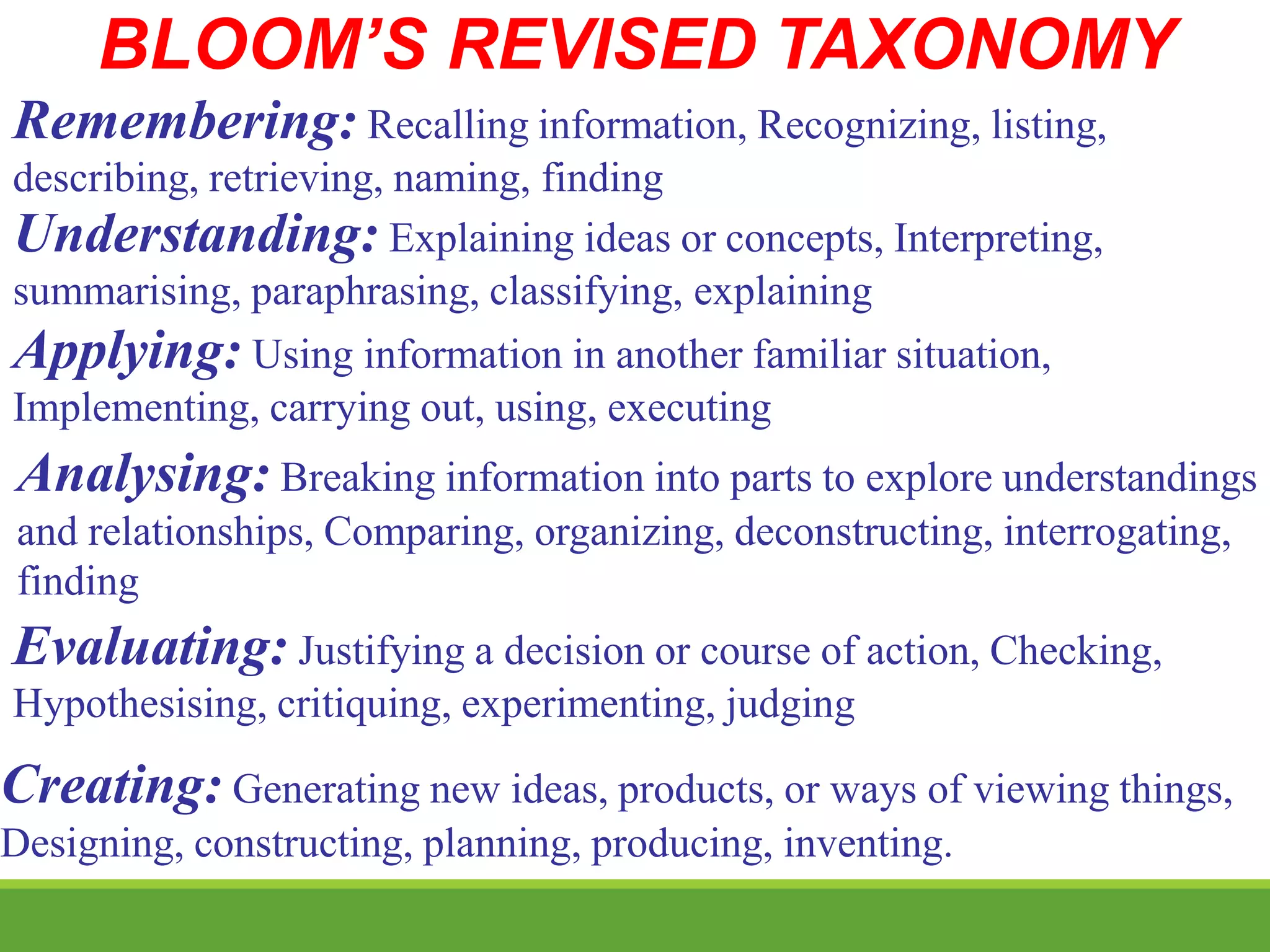
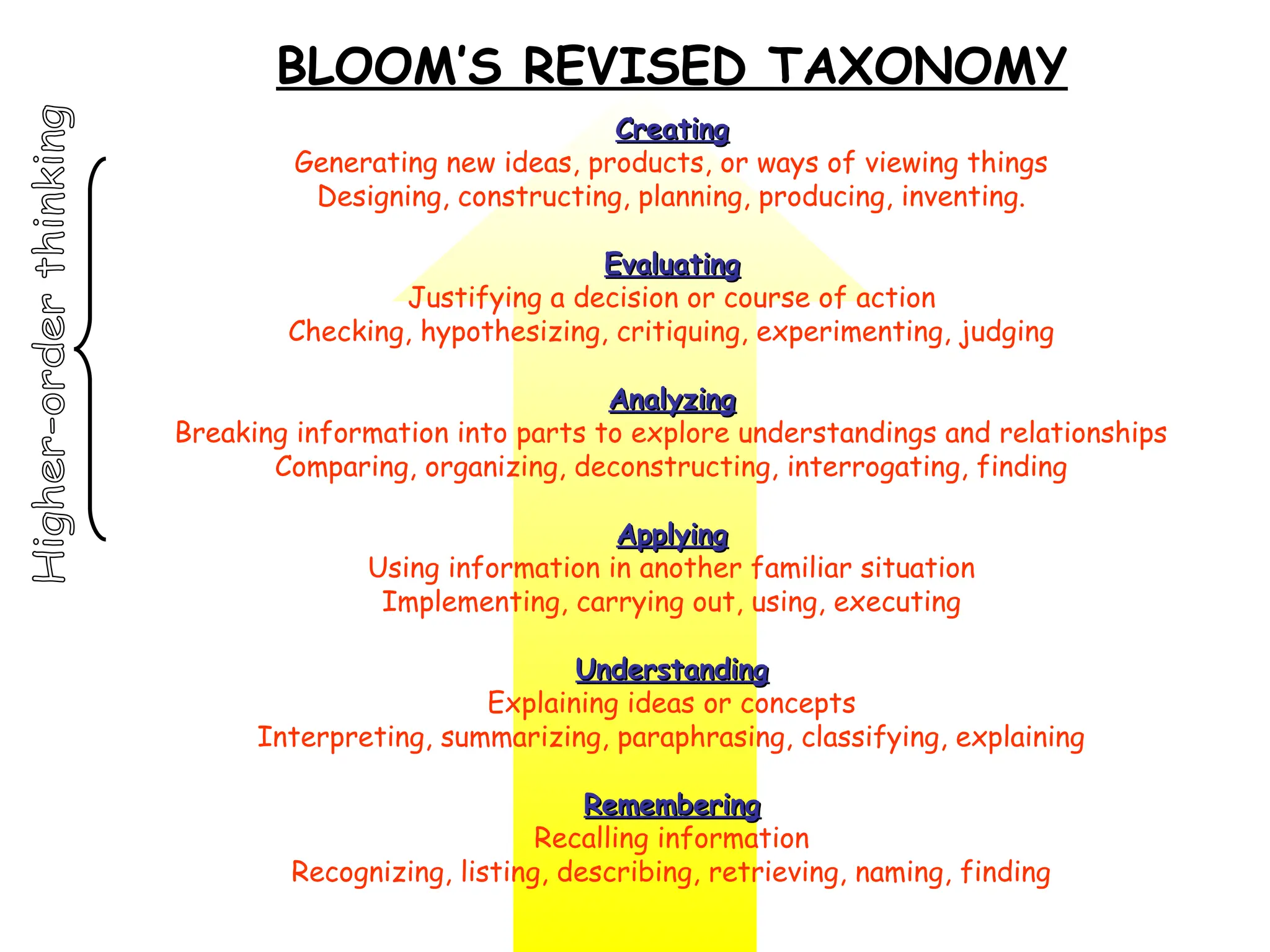
The revised taxonomy replaced the original nouns (Knowledge, Comprehension, Application, Analysis, Synthesis, Evaluation) with verbs (Remembering, Understanding, Applying, Analyzing, Evaluating, Creating). This shift emphasizes that learning is an active process. Applying this in a daily classroom setting requires a teacher to look at their curriculum not as a list of facts to be delivered, but as a series of cognitive hurdles for students to clear.
The Six Levels of Cognitive Rigor
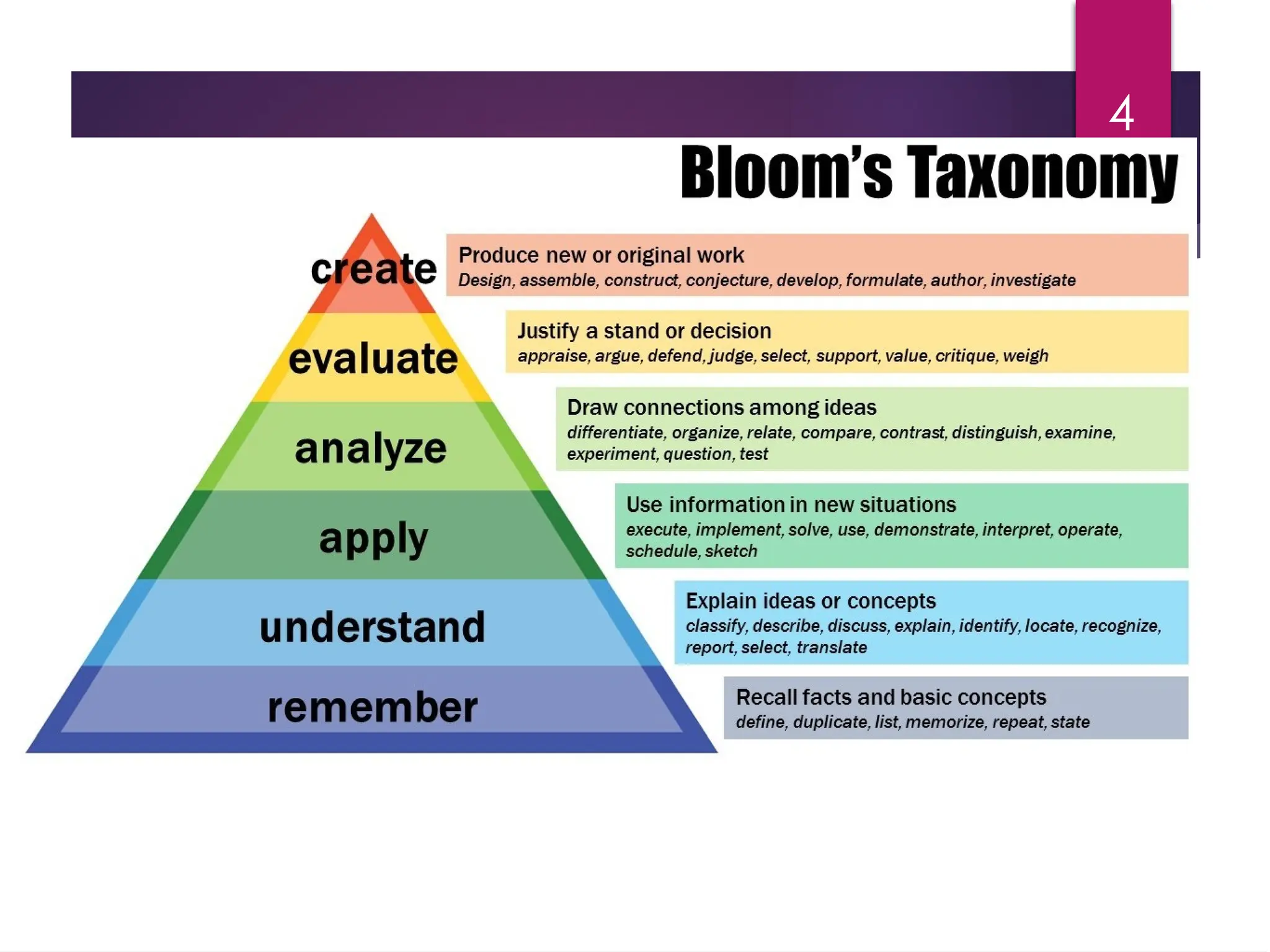
To apply the taxonomy effectively, an educator must understand the specific cognitive demands of each level. While often visualized as a pyramid, it is more accurate to view it as a toolkit where different levels are utilized depending on the learning goal.
1. Remembering (The Foundation)
At this level, students retrieve, recognize, and recall relevant knowledge from long-term memory. In everyday teaching, this is the "pre-requisite" phase.
- Daily Application: Starting a lesson with a "Do Now" that asks students to list the three causes of a historical event or define a mathematical term.
- Action Verbs: Define, duplicate, list, memorize, repeat, state.
2. Understanding (The Meaning-Making)
Understanding involves determining the meaning of instructional messages, including oral, written, and graphic communication. Students should be able to explain concepts in their own words.
- Daily Application: Asking a student to summarize a paragraph they just read or to classify a group of shapes based on their properties.
- Action Verbs: Classify, describe, discuss, explain, identify, locate, recognize, report, select, translate.
3. Applying (The Implementation)
This level involves using a procedure in a given situation. It is the transition from "knowing what" to "knowing how."
- Daily Application: Having students use a newly learned formula to solve a word problem or applying grammatical rules to write a formal letter.
- Action Verbs: Execute, implement, solve, use, demonstrate, interpret, operate, schedule, sketch.
4. Analyzing (The Deconstruction)
Analyzing requires breaking material into constituent parts and detecting how the parts relate to one another and to an overall structure or purpose.
- Daily Application: Asking students to compare and contrast two characters in a novel or to identify the underlying bias in a news article.
- Action Verbs: Differentiate, organize, relate, compare, contrast, distinguish, examine, experiment, question, test.
5. Evaluating (The Judgment)
Evaluating involves making judgments based on criteria and standards through checking and critiquing. This is where critical thinking becomes most visible.
- Daily Application: A classroom debate where students must defend a position using evidence, or a peer-review session where students critique each other’s lab reports based on a rubric.
- Action Verbs: Appraise, argue, defend, judge, select, support, value, critique, weigh.
6. Creating (The Synthesis)
The highest level of Bloom’s involves putting elements together to form a novel, coherent whole or making an original product.
- Daily Application: Designing a science experiment, writing an original short story, or developing a plan to improve school recycling efforts.
- Action Verbs: Design, assemble, construct, conjecture, develop, formulate, author, investigate.
Strategies for Daily Integration
Integrating Bloom’s Taxonomy into daily practice does not require a total curriculum overhaul. Instead, it involves adjusting the "depth of knowledge" (DOK) within existing lessons.
Designing Measurable Learning Objectives
The first step in applying the taxonomy is writing objectives that clearly state what the student will be able to do by the end of the lesson. Avoid vague verbs like "learn" or "know." Instead, use the action verbs associated with the desired Bloom’s level.
For example, instead of saying "Students will know the water cycle," a tiered objective might be: "Students will label the stages of the water cycle (Remember), explain how evaporation occurs (Understand), and predict how a change in temperature would affect the cycle (Analyze)."
The "Bloom’s Questioning" Technique
One of the most powerful ways to use the taxonomy daily is through the questions asked during direct instruction. Teachers can use a "questioning scaffold" to move a discussion from simple to complex.
- Start Low: "What is the definition of a protagonist?" (Remember)
- Move to Middle: "How would you illustrate the protagonist’s main conflict in a drawing?" (Apply)
- End High: "If the protagonist had made a different choice in chapter three, how would the ending of the book change?" (Create/Evaluate)
Tiered Assignments and Differentiation
Bloom’s Taxonomy is an excellent tool for differentiation. In a diverse classroom, not all students are ready for the "Create" level at the same time. Teachers can provide "Tiered Activities" where all students explore the same core concept but at different levels of cognitive complexity.
- Group A (Support): Identify and describe the main components of a cell.
- Group B (Standard): Compare the functions of a plant cell to an animal cell.
- Group C (Extension): Design a model of a synthetic cell that could survive in a specific extreme environment.
Comparative Framework: Traditional vs. Bloom-Aligned Instruction
The following table illustrates how standard classroom tasks can be transformed into higher-order thinking opportunities using the taxonomy.
| Traditional Task | Bloom's Level | Aligned Instructional Task |
|---|---|---|
| Vocabulary Quiz | Remember | Use vocabulary words to write a persuasive speech about a local issue. |
| Reading a Chapter | Understand | Create a mind map showing the relationship between characters and themes. |
| Math Worksheet | Apply | Solve a real-world budget problem using the same mathematical principles. |
| Lab Demonstration | Analyze | Analyze the results of a failed experiment to identify where the process broke down. |
| Book Report | Evaluate | Critique the author’s use of symbolism and judge its effectiveness in conveying the theme. |
| Essay Writing | Create | Author a blog post or digital presentation that proposes a solution to a community problem. |
Utilizing Bloom’s in Assessment and Feedback
Assessment should mirror the cognitive levels targeted in the objectives. If a teacher spends the week asking students to "Analyze" the causes of the Civil War, a multiple-choice test that only asks them to "Remember" dates is a misalignment of the taxonomy.
Formative Assessment (Checking for Understanding)
Daily exit tickets are a prime opportunity for Bloom’s application. Rather than asking "Did you understand the lesson?", ask a question at the "Analyze" or "Evaluate" level. For example: "Based on what we learned today about photosynthesis, why would a plant struggle to grow in a blue-tinted glass box?" This requires the student to apply and analyze their knowledge in a new context.
Summative Assessment (Proving Mastery)
For end-of-unit projects, rubrics should be designed to reward higher-order thinking. A rubric for a history project might allocate 20% of the grade to "Factual Accuracy" (Remember/Understand) but 50% to "Argumentation and Evidence" (Evaluate/Analyze) and 30% to "Originality of Presentation" (Create).
Common Pitfalls and How to Avoid Them
Even experienced educators face challenges when implementing Bloom's Taxonomy. Recognizing these hurdles is essential for maintaining academic rigor.
- The "Ladder" Fallacy: One common mistake is assuming that students must master every lower level before moving to a higher one. In reality, students can often engage in "Creating" or "Evaluating" while they are still "Learning" the facts. These processes can happen simultaneously.
- Over-reliance on the Base: Many teachers spend 90% of their time on Remembering and Understanding because these are easier to grade and manage. To counter this, use a "Bloom’s Checklist" when planning to ensure at least one activity per day reaches the Analyze level or higher.
- Confusing Difficulty with Complexity: A task can be difficult (memorizing 100 digits of Pi) without being complex (Analyzing the significance of Pi in circular architecture). Bloom’s focuses on complexity, not just the amount of effort required.
The Role of Technology in 2026
In 2026, educational technology serves as a "Bloom’s Accelerator." Generative AI and simulation software allow students to bypass some of the mechanical labor of "Remembering" to spend more time on "Evaluating."
For instance, a student can use an AI tool to generate a list of historical facts (Remembering) and then spend the class period evaluating the accuracy of those facts against primary sources (Evaluating). Alternatively, students can use 3D modeling software to construct virtual prototypes (Creating) of engineering solutions, providing a level of synthesis that was previously constrained by physical resources.
Practical Recommendation for Educators
To begin applying Bloom’s Taxonomy more effectively, select one upcoming unit and "Bloom-ify" your essential questions. Start by looking at your current summative assessment. If it is primarily focused on recall, work backward to insert one "Analyze" or "Evaluate" task into each lesson leading up to it.
Additionally, provide students with a copy of the "Bloom’s Verbs." When students understand the framework, they become more meta-cognitive—they start to recognize when they are merely repeating a fact and when they are truly thinking. Encouraging students to write their own "Create-level" questions for their peers is an excellent way to hand over the cognitive load and foster an environment of high-level inquiry.
Frequently Asked Questions
Can Bloom’s Taxonomy be used for all subjects?
Yes, Bloom’s Taxonomy is a universal framework applicable to any discipline, from physical education to advanced physics. In PE, "Remembering" might be knowing the rules of soccer, while "Evaluating" might be critiquing a teammate's defensive strategy during a post-game film review. The specific activities change, but the cognitive levels remain the same.
Is the "Create" level always the most important?
Not necessarily. While "Create" is the highest level of cognitive complexity, the "most important" level depends on the learning goal. In medical training, "Remembering" the correct dosage of a medication is a life-critical skill. The goal is to ensure that the cognitive level of the task matches the real-world demand of the skill being taught.
How do I use Bloom's Taxonomy with very young learners?
Young children are natural "Creators" and "Evaluators." You can apply Bloom's in early childhood by asking open-ended questions. Instead of asking "What color is the sky?", ask "Why do you think the sky changes colors at sunset?" (Analyze) or "How would you build a house for a character that lives in the clouds?" (Create).
Does Bloom’s Taxonomy replace other frameworks like DOK?
No, it complements them. Norman Webb’s Depth of Knowledge (DOK) focuses on the context in which a student must use their brains, while Bloom’s focuses on the type of thinking. Many educators use a matrix of both to ensure their lessons are both cognitively complex and contextually deep.
How does Bloom's Taxonomy help with classroom management?
Higher-order thinking tasks are generally more engaging than rote memorization. When students are challenged at the "Analyze" and "Create" levels, they often exhibit higher levels of intrinsic motivation and fewer off-task behaviors, as the work feels more relevant and mentally stimulating.