An applications developer is a software professional responsible for designing, coding, testing, and maintaining computer programs tailored for specific platforms such as mobile devices, desktop operating systems, or web browsers. They translate complex user requirements into functional digital tools, ensuring security, scalability, and an intuitive user experience within modern, cloud-integrated ecosystems.
The role of an applications developer has evolved significantly as we move through 2026. What was once a position focused purely on writing syntax has transformed into a multi-disciplinary function that requires a deep understanding of cloud architecture, artificial intelligence integration, and cross-platform compatibility. Organizations across the globe, from nimble startups to Fortune 500 enterprises, rely on these professionals to build the proprietary tools that drive business efficiency and consumer engagement.
Defining the Applications Developer Role
To understand the applications developer job description, one must first distinguish it from broader terms like "software engineer" or "systems programmer." While a systems programmer might focus on the operating system itself or the firmware of a device, an applications developer creates the software that "lives" on those systems to perform specific tasks for the end-user—such as a banking app, a project management tool, or a healthcare portal.
In 2026, the term "application" encompasses a wide range of delivery methods. Developers are rarely siloed into a single language or environment. Instead, they are expected to manage the full lifecycle of an application. This includes the initial conceptualization, where the developer analyzes what the user needs, followed by the architectural design, the actual coding phase, and the long-term maintenance where bugs are squashed and new features are added.
The complexity of modern software means that an applications developer is often a collaborative hub. They work closely with UI/UX designers to ensure the interface is usable, with data scientists to integrate machine learning models, and with cybersecurity experts to ensure that user data remains protected against increasingly sophisticated threats.
Core Responsibilities and Daily Duties
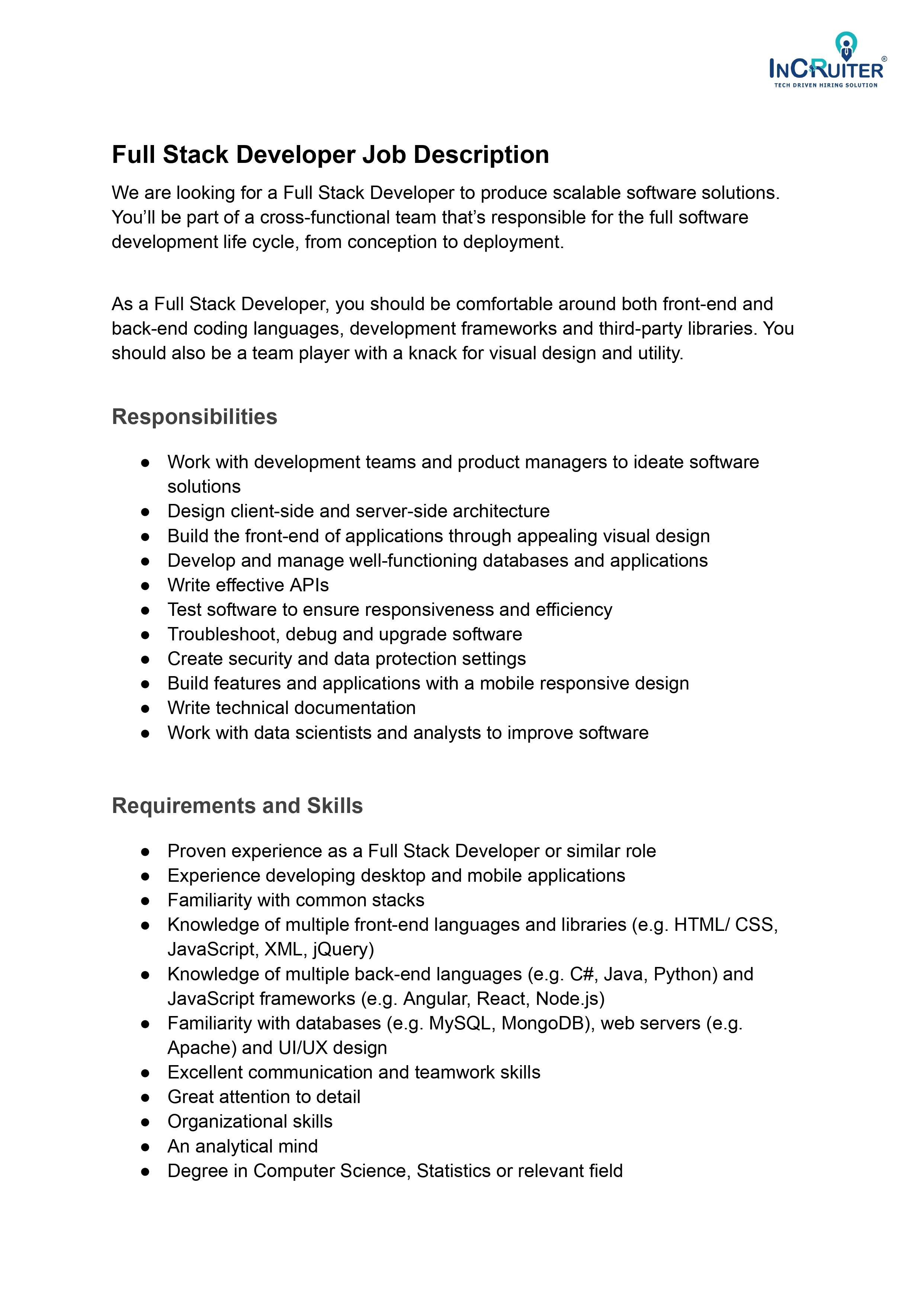
A typical job description for an applications developer will list a variety of duties that span the entire Software Development Life Cycle (SDLC). Understanding these responsibilities is crucial for both hiring managers and job seekers to align expectations.
Requirement Analysis and Specification
Before a single line of code is written, the developer must understand the problem they are solving. In 2026, this involves more than just reading a brief; it requires active participation in stakeholder meetings to identify "pain points." Developers analyze technical feasibility and help define the project's scope, ensuring that the proposed solution is realistic given the budget and timeline.
Software Design and Architecture
Once requirements are set, the developer designs the internal structure of the application. This includes selecting the right architectural patterns—such as microservices or serverless functions—and designing how data will flow through the system. A well-designed architecture ensures that the application can handle a growing number of users without crashing, a concept known as scalability.
Coding and Implementation
This is the "engine room" of the role. Developers use programming languages (like Python, Java, Swift, or TypeScript) to build the application's logic. In the current landscape, this often involves utilizing AI-assisted coding tools to speed up boilerplate tasks, allowing the developer to focus on high-level problem-solving. Clean, documented code is the standard, as it allows other team members to understand and modify the software in the future.
Testing and Quality Assurance (QA)
Modern applications developers are increasingly responsible for their own testing. This includes writing unit tests to check individual components and integration tests to ensure different parts of the system work together. With the rise of automated CI/CD (Continuous Integration/Continuous Deployment) pipelines, developers must ensure their code passes rigorous automated checks before it is ever deployed to a live environment.
Maintenance and Iteration
Software is never truly "finished." Developers must monitor applications for performance bottlenecks or security vulnerabilities. As user feedback comes in, they iterate on the design, adding new features and optimizing existing ones to stay competitive in the 2026 digital marketplace.
Essential Technical Skills for 2026
The technical requirements in a job description act as a filter. While specific languages vary by company, certain foundational skills are now considered non-negotiable for a professional applications developer.
Proficiency in Modern Programming Languages
Most roles require expertise in at least one primary language and familiarity with several others.
- Web Development: JavaScript and TypeScript remain dominant, often paired with frameworks like React, Vue.js, or Angular.
- Mobile Development: Swift (iOS) and Kotlin (Android) are standard, though cross-platform frameworks like Flutter and React Native are highly sought after for their "write once, run anywhere" efficiency.
- Backend/Server-Side: Python is the leader for data-heavy applications, while Java and C# continue to anchor large-scale enterprise environments.
Cloud-Native Development
In 2026, very few applications run on isolated local servers. Knowledge of cloud service providers like Amazon Web Services (AWS), Microsoft Azure, or Google Cloud Platform (GCP) is essential. Developers must understand how to deploy applications in containers (using tools like Docker and Kubernetes) and how to leverage serverless computing to manage costs and performance.
API Integration and Management
Applications rarely stand alone. They must communicate with payment gateways, social media platforms, or internal databases. This communication happens through Application Programming Interfaces (APIs). A developer must be skilled in building and consuming RESTful and GraphQL APIs, ensuring that data is exchanged securely and efficiently.
Database Management
Whether it is a traditional relational database (SQL) or a flexible NoSQL database (like MongoDB or DynamoDB), developers must know how to structure data. This includes optimizing queries for speed and ensuring data integrity across complex transactions.
The Importance of Soft Skills
While technical prowess gets a developer through the door, soft skills are what lead to long-term success. These are often listed in job descriptions under "Preferred Qualifications" or "Professional Attributes."
- Problem-Solving: At its heart, coding is the act of solving a series of puzzles. A developer must be able to approach a bug or a logic error methodically, often thinking "outside the box" to find a solution that is both effective and efficient.
- Communication: Developers must translate technical jargon into "layperson's terms" for clients and managers. Conversely, they must be able to listen to non-technical feedback and translate it into technical requirements.
- Adaptability: The tech stack used today may be obsolete in three years. A successful applications developer has a "growth mindset," constantly learning new languages, frameworks, and methodologies as the industry shifts.
Decoding the Job Description Structure
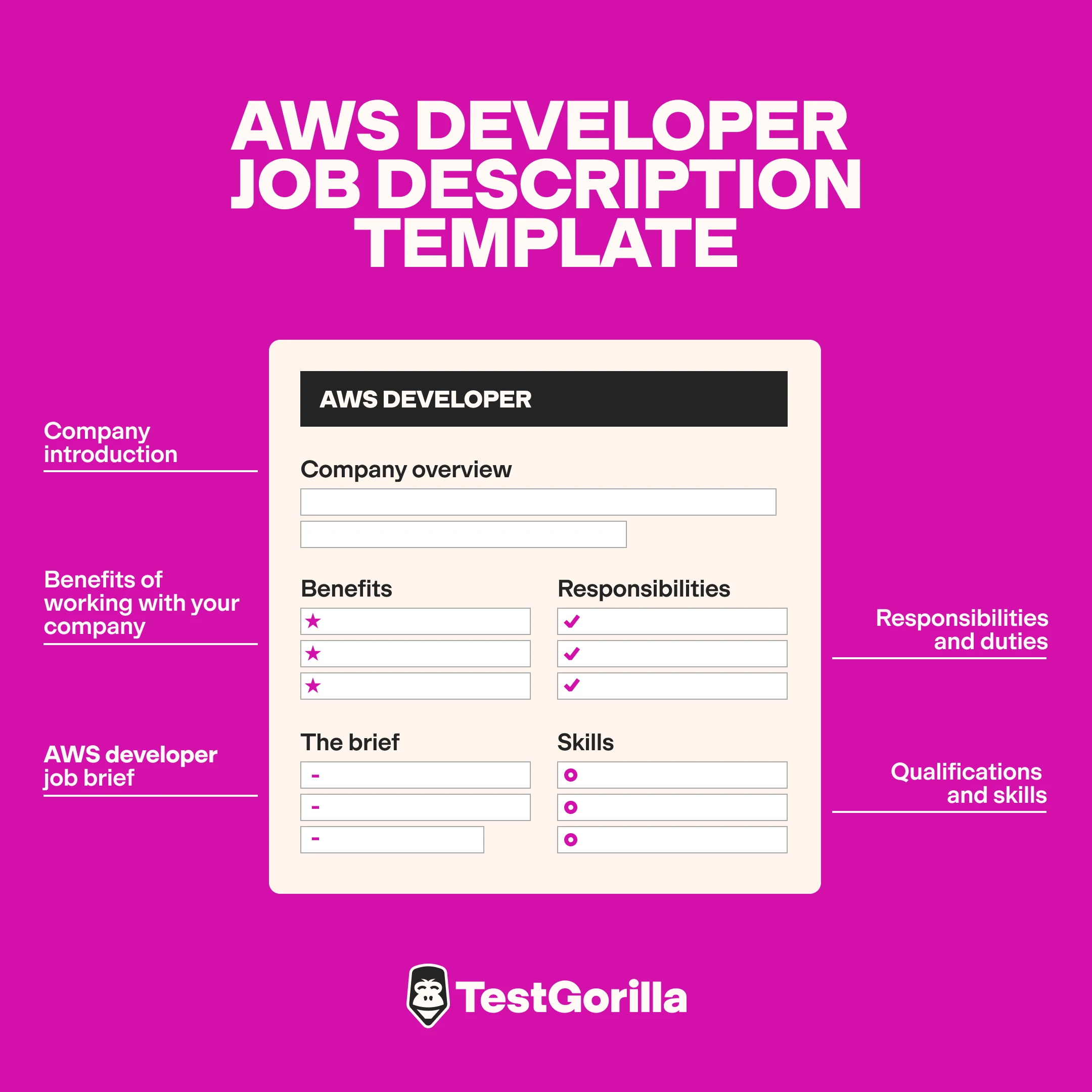
When reading an applications developer job description, it is helpful to understand the standard components and what they signal about the company culture and the role's expectations.
| Section | Common Content | Interpretation |
|---|---|---|
| Job Title | Junior/Senior/Lead Applications Developer | Indicates the level of autonomy and leadership expected. |
| Role Summary | High-level overview of the team and mission. | Signals whether the work is product-focused or internal support. |
| Key Responsibilities | List of daily tasks (coding, testing, etc.). | Look for the balance between new development and maintenance. |
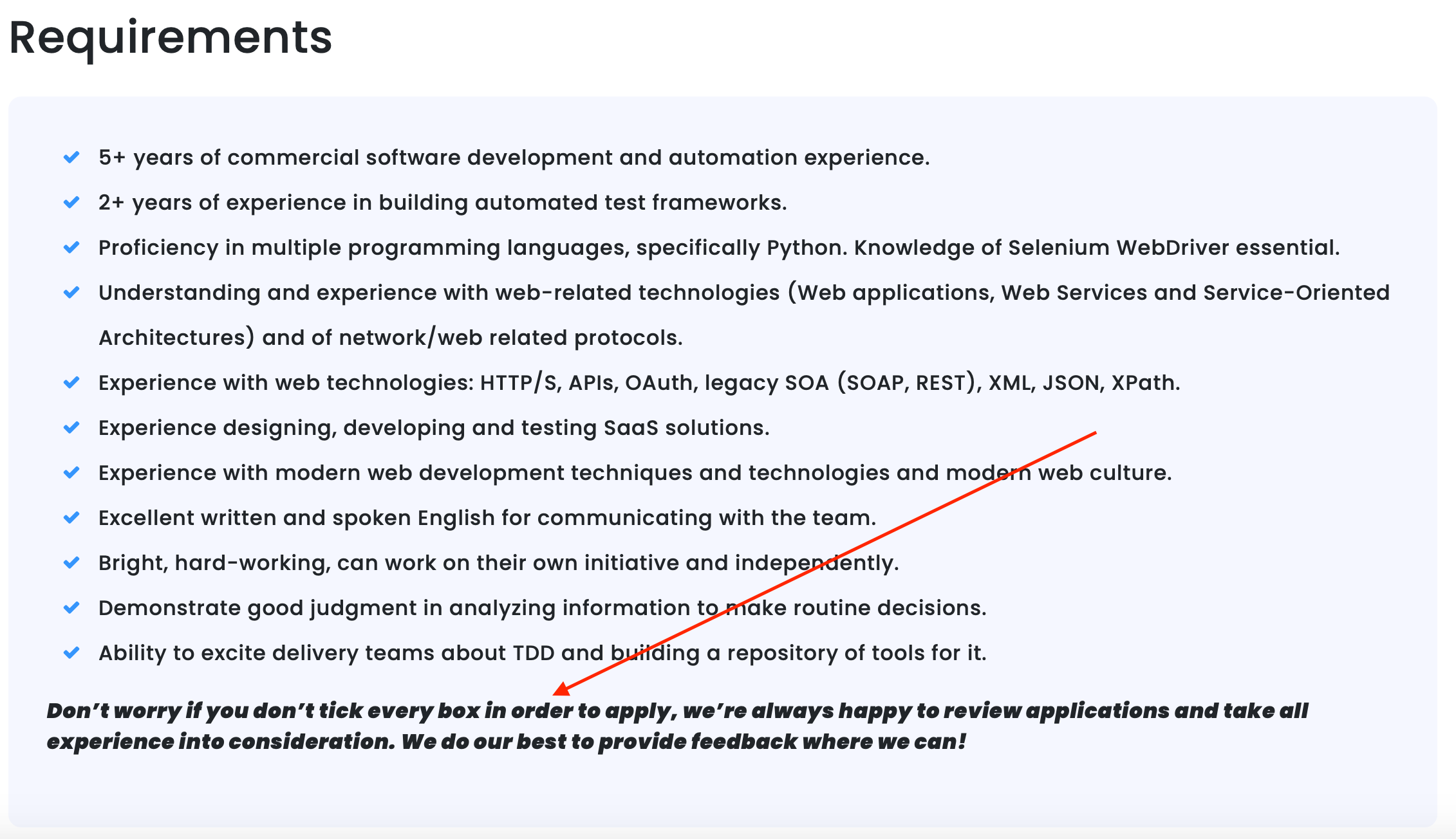
| Required Skills | Specific languages (e.g., Python, SQL) and years of experience. | These are the "must-haves" for passing initial HR screening. |
| Preferred Skills | Cloud certifications, AI experience, specialized frameworks. | These "nice-to-haves" often decide who gets the interview. |
| Benefits & Perks | Salary, remote work options, 401k, professional development. | Reflects the company's investment in employee retention. |
Educational Pathways and Prerequisites
There is no single "correct" path to becoming an applications developer in 2026, but several common routes exist.
- Formal Education: A Bachelor’s degree in Computer Science, Software Engineering, or a related field remains the traditional foundation. These programs provide a deep understanding of algorithms, data structures, and computer architecture.
- Coding Bootcamps: For those pivoting from other careers, intensive bootcamps offer a practical, project-based curriculum focused on high-demand skills like web or mobile development.
- Self-Taught & Certifications: Many developers build their skills through online platforms and contribute to open-source projects. In 2026, specialized certifications from cloud providers (like the AWS Certified Developer) or security organizations carry significant weight.
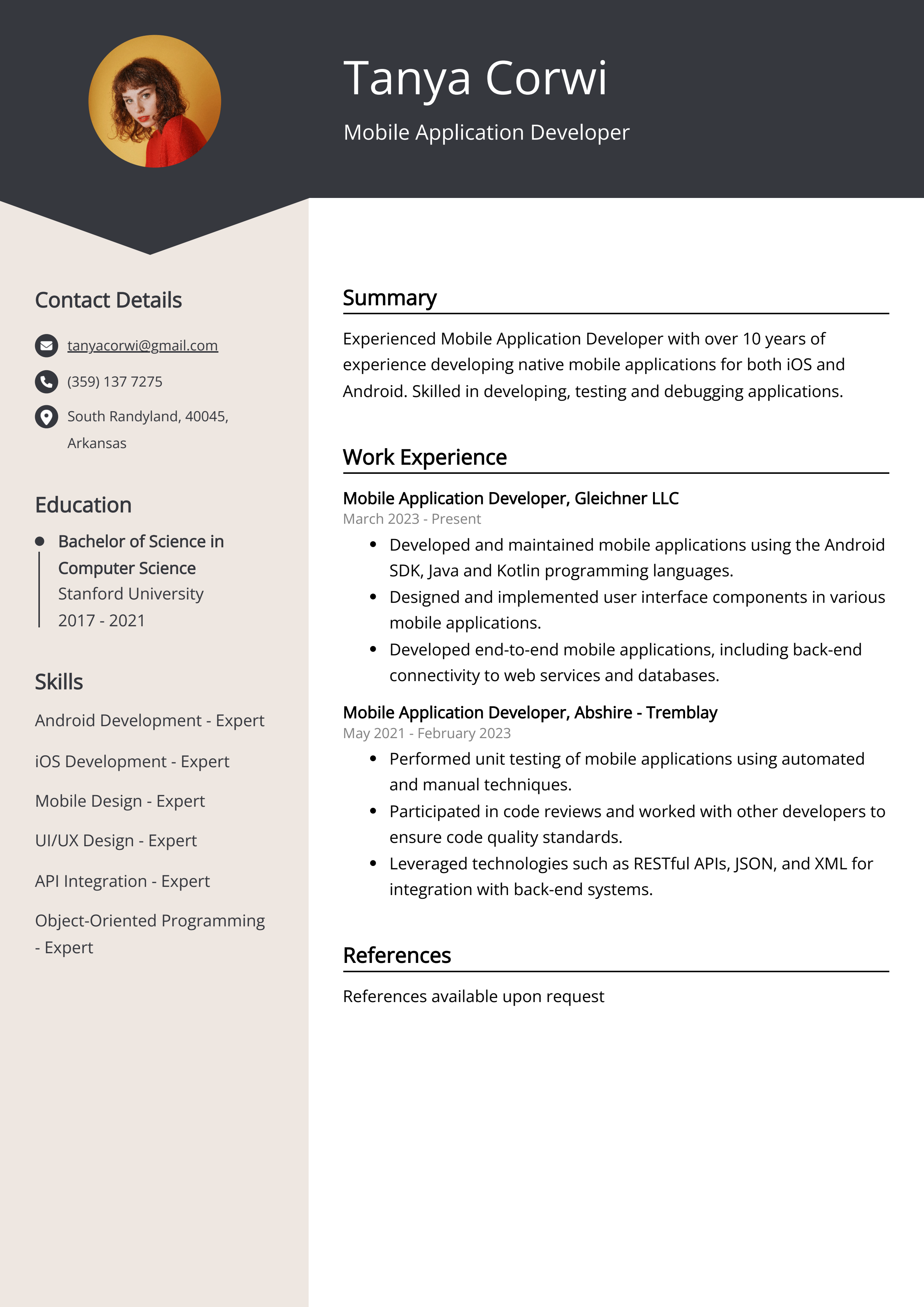
Regardless of the educational background, a portfolio is the most critical asset. A GitHub profile showing active contributions to real-world projects provides tangible evidence of a developer's ability to write clean, functional code.
The Recruitment and Interview Process
The interview process for an applications developer is notoriously rigorous, designed to test both theoretical knowledge and practical application.
- Technical Screening: This often involves an online coding challenge or a "take-home" assignment where the candidate must solve a specific problem within a time limit.
- System Design Interview: For mid-level and senior roles, candidates are asked to sketch out the architecture for a complex system, such as a "URL shortener" or a "social media feed." This tests their understanding of scalability and data flow.
- Behavioral Interview: Using the STAR method (Situation, Task, Action, Result), hiring managers assess how the candidate handles conflict, tight deadlines, and technical failures.
Common Career Trajectories
An applications developer has several paths for advancement. Many choose to climb the technical ladder, moving into Senior Developer, Staff Engineer, or Software Architect roles, where they make high-level decisions about technology stacks and system design.
Others move into management, becoming Engineering Managers or Directors of Technology. In these roles, the focus shifts from writing code to managing people, budgets, and project timelines. There is also the burgeoning field of DevOps, where developers specialize in the infrastructure and automation that allows software to be deployed seamlessly.
Frequently Asked Questions
What is the difference between an applications developer and a web developer?
A web developer is a type of applications developer who specializes specifically in software that runs in a web browser using technologies like HTML, CSS, and JavaScript. An applications developer is a broader term that also includes those who build mobile apps, desktop software, and embedded systems.
Do I need to be a math expert to be an applications developer?
While you don't need to be a mathematician, a strong grasp of logic and discrete mathematics is very helpful. Most daily development tasks involve logical reasoning and data manipulation rather than complex calculus, though fields like game development or AI require more advanced math.
How has AI changed the job description of an applications developer in 2026?
AI has shifted the focus from "writing code" to "reviewing and architecting code." Developers now use AI tools to generate snippets and debug errors, allowing them to spend more time on high-level system design, security, and ensuring the application meets specific business goals.
Is a computer science degree mandatory in 2026?
No, it is not mandatory. Many employers prioritize a strong portfolio, relevant certifications, and proven experience over a degree. However, a degree can be beneficial for understanding the fundamental principles of computing that help in solving complex, non-routine problems.
What is "Full Stack" application development?
Full Stack refers to a developer who can work on both the "front-end" (the part the user sees) and the "back-end" (the server, database, and logic). Many job descriptions in 2026 seek full-stack capabilities because these developers can handle a feature from start to finish.
Final Recommendation for Job Seekers
If you are navigating applications developer job descriptions in 2026, focus on versatility. Do not just master a language; master an ecosystem. For instance, if you learn Python, also learn how to deploy it on AWS and how to secure its APIs. Build a portfolio that demonstrates your ability to solve real problems, and stay curious about emerging trends like decentralized applications and edge computing. The most successful developers are those who view themselves as lifelong learners in a field that never stands still.