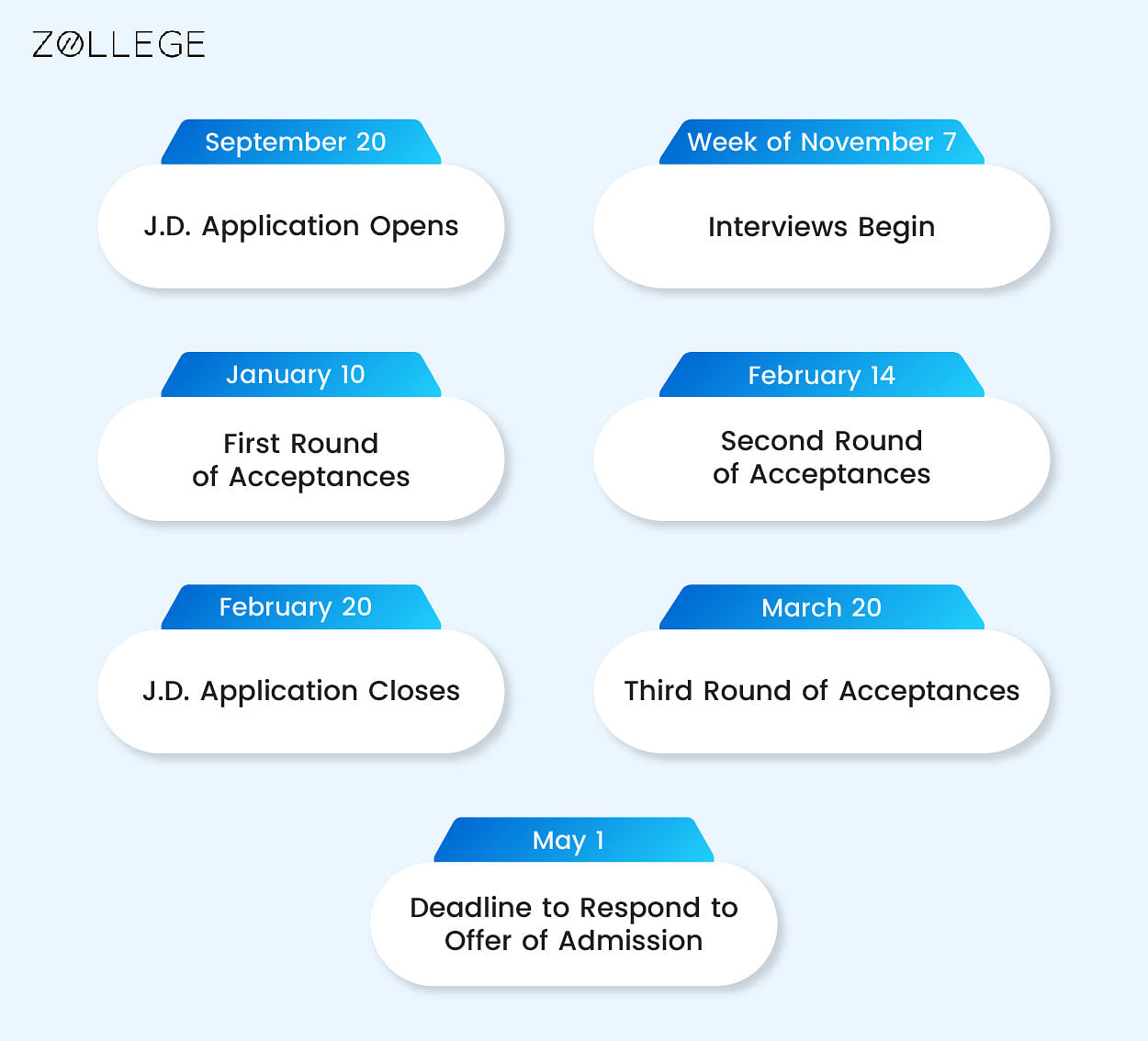
To apply to Harvard Law School (HLS) for the Juris Doctor (JD) program in 2026, you must submit your application through the Law School Admission Council (LSAC) between September 15, 2025, and February 15, 2026. Required components include a valid LSAT or GRE score, a Statement of Purpose, a Statement of Perspective, two or three letters of recommendation, and a comprehensive resume.
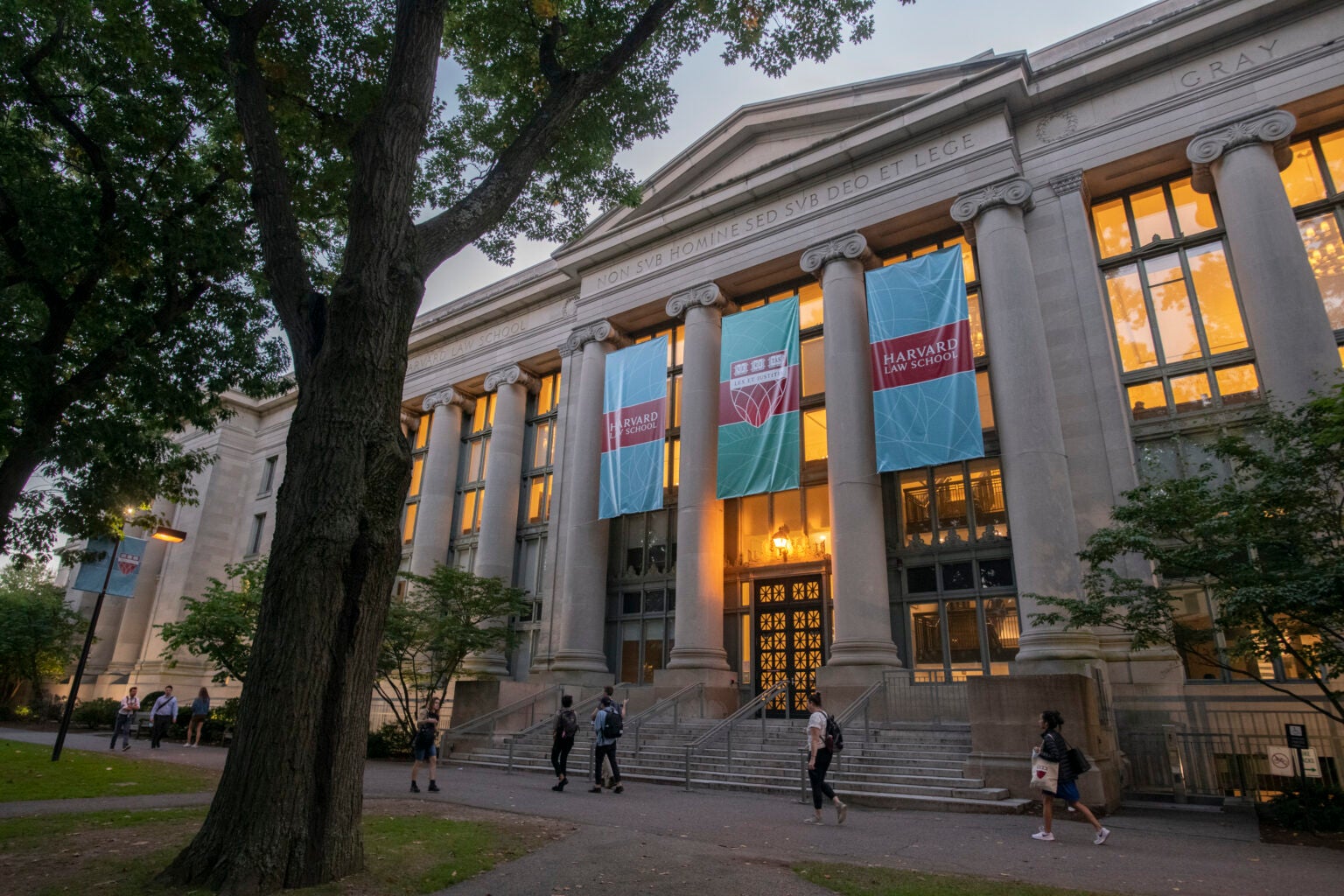
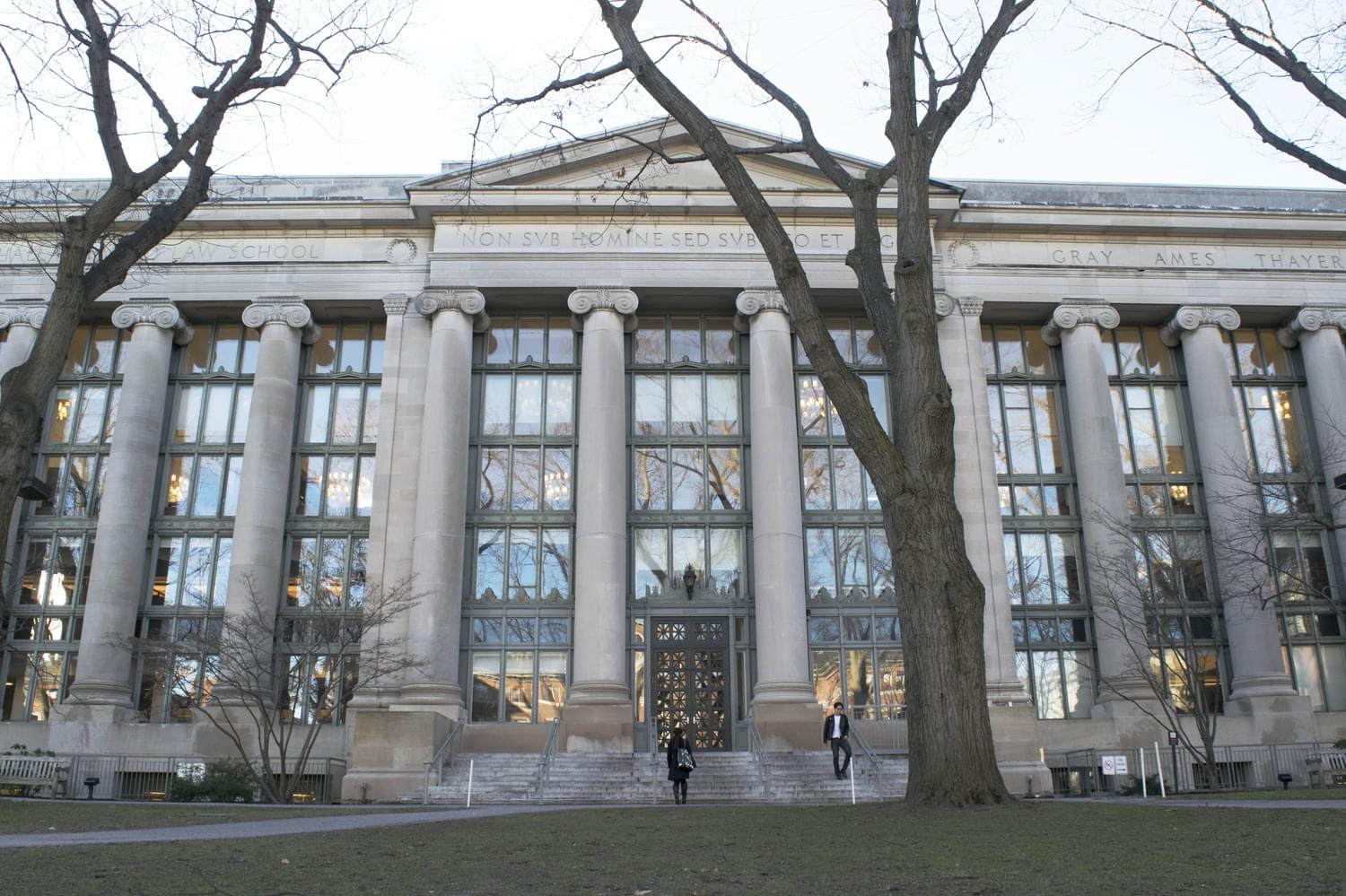
Entering the hallowed halls of Langdell Hall requires more than just high test scores; it demands a strategic understanding of a rigorous, multi-stage selection process. Harvard Law School remains one of the most selective institutions in the world, with an acceptance rate typically hovering around 10%. As we navigate the 2026 admissions cycle, applicants must be meticulous in adhering to deadlines and nuanced in their presentation of their academic and professional identities. This guide provides a comprehensive breakdown of the timeline, prerequisites, and qualitative components necessary for a competitive application.
The 2025–2026 Admissions Cycle Timeline
Harvard Law School operates on a rolling admissions basis, meaning applications are reviewed in the order they are completed. However, HLS is unique in that it releases decisions in specific "waves" rather than continuously. Understanding the 2025–2026 calendar is the first step toward a successful submission.
September 2025: The Application Opens
On or around September 15, 2025, the JD application becomes available via the LSAC website. While you do not need to submit on day one, preparing your materials over the summer allows you to capitalize on this early window. Early applicants often benefit from a longer window for interview invitations, which are a prerequisite for admission.
November 2025 – February 2026: Interview Season
HLS conducts interviews by invitation only. These are typically held via Zoom and conducted by a member of the Admissions Committee. If you submitted your application in the fall, you might receive an invitation as early as late October or November. These interviews are brief (usually 15–20 minutes) and are designed to assess your communication skills, motivations, and "fit" for the HLS community.
February 15, 2026: The Hard Deadline
All application materials, including your LSAC CAS (Credential Assembly Service) report, must be submitted by February 15, 2026. Missing this deadline generally means your application will not be considered for the current cycle. It is highly recommended to submit by early January to ensure all third-party documents (like letters of recommendation and transcripts) are processed by LSAC in time.
January – April 2026: Decision Waves
HLS typically releases three major waves of "Acceptance" decisions, often occurring in January, February, and March. Waitlist and denial notifications may also be sent during these windows or shortly thereafter. By late April, the majority of the class is set, though waitlist movement can continue throughout the summer.
Core Academic and Testing Requirements
The foundation of your HLS application is built on standardized testing and your undergraduate performance. Harvard maintains a "holistic" review process, but academic excellence remains a non-negotiable prerequisite.
Standardized Testing: LSAT vs. GRE
Harvard Law School accepts both the Law School Admission Test (LSAT) and the Graduate Record Examinations (GRE).
- Validity: For the 2026 cycle, scores must be from tests taken within the last five years (typically no earlier than June 2020).
- The LSAT Advantage: Most applicants still opt for the LSAT. Harvard receives all scores from the past five years; while they primarily focus on the highest score, they do see your entire testing history.
- The GRE Option: If you choose the GRE, you must submit all scores from the last five years. You must also request that ETS send your scores directly to HLS (School Code: 2135).
The CAS Report and GPA
You must register for the Credential Assembly Service (CAS) through LSAC. This service centralizes your transcripts, letters of recommendation, and testing data.
- Transcript Evaluation: LSAC will calculate a standardized GPA, which may differ slightly from your university’s internal GPA calculation.
- Undergraduate Record: Harvard looks for a rigorous curriculum and a sustained upward trend in performance. There is no "required" major; HLS values diversity of thought, from STEM backgrounds to the humanities.
Detailed Application Components
Beyond the numbers, the qualitative components are where you distinguish yourself from thousands of other high-achieving applicants.
| Component | Requirement Status | Purpose |
|---|---|---|
| Statement of Purpose | Required | 2-page essay detailing your motivation for law school and career goals. |
| Statement of Perspective | Required | 1-page essay on how your background/experiences will contribute to HLS. |
| Resume | Required | 1-2 page professional and academic history. |
| Letters of Rec (LOR) | 2 Required (3 Max) | Academic or professional endorsements of your capabilities. |
| Character & Fitness | Required | Disclosure of any legal or disciplinary history. |
| Application Fee | $85 (unless waived) | Standard processing fee. |
The Statement of Purpose (SOP)
The SOP is your primary narrative. It should not be a prose version of your resume. Instead, focus on the "why." Why the law? Why now? Why Harvard? Effective statements often anchor their narrative in a specific experience that sparked a commitment to legal study. In the 2026 cycle, clarity and professional maturity are the hallmarks of a successful SOP.
The Statement of Perspective
Following recent shifts in admissions landscapes, Harvard has introduced the "Statement of Perspective." This essay asks you to describe how your individual background, experiences, and perspectives will contribute to the Harvard Law School community. This is an opportunity to highlight personal resilience, unique viewpoints, or specific cultural insights that you bring to the table.
Letters of Recommendation
HLS requires a minimum of two letters, but strongly recommends three.
- Academic Focus: If you are a current student or recent graduate, at least two letters should come from professors who can speak to your analytical writing and classroom contributions.
- Professional Focus: If you have been in the workforce for several years, professional recommendations become more relevant, but at least one academic letter is still highly encouraged if possible.
Financial Aid and the Cost of Applying
Applying to Harvard Law School is a financial investment. The application fee is $85, but this does not include the costs associated with LSAC services.
- LSAC CAS Subscription: Approximately $200.
- LSAT Registration: Approximately $238 per attempt.
- CAS Report Fee: $45 per school.
Harvard is committed to accessibility; fee waivers are available for applicants with extreme financial need. These waivers typically cover the $85 HLS fee and, in some cases, the LSAC fees.
Regarding tuition, HLS is one of the few law schools that is strictly need-based for financial aid. They do not offer merit scholarships. This ensures that the most qualified students can attend regardless of their financial background. Prospective students for the Class of 2029 should prepare to complete the FAFSA and the Harvard-specific financial aid application shortly after receiving an offer of admission.
The Junior Deferral Program (JDP)
For current undergraduate juniors (those graduating in 2027), Harvard offers the Junior Deferral Program. This allows students to apply a year early with the requirement that, if accepted, they must defer their enrollment for at least two years after graduating from college. The application timeline for JDP typically closes in the spring (April 2026 for current juniors). This program is ideal for students who know they want to attend law school but wish to gain professional experience first.
Common Pitfalls in the HLS Application Process
Even the strongest candidates can stumble due to preventable errors. Accuracy and authenticity are paramount.
- Rushing the LSAT/GRE: Do not apply with a score that is significantly below Harvard’s median (usually around 174 for LSAT) unless the rest of your application is extraordinary. It is better to wait a cycle and retake the test.
- Over-Engineering the Essays: Applicants often try to write what they think the committee wants to hear. This usually results in a generic, "plastic" voice. HLS admissions officers value authenticity and a clear, personal "voice."
- Ignoring the Resume Format: Law school resumes should be clean, professional, and void of high school achievements. Focus on impact and quantifiable results in your internships or jobs.
- Neglecting Character and Fitness: Failure to disclose a minor undergraduate disciplinary action or a traffic violation can be grounds for rescinding an offer. Honesty is always the best policy.
Frequently Asked Questions
Does Harvard Law School have a preference for the LSAT over the GRE?
While HLS officially states they have no preference, the vast majority of the incoming class still applies with an LSAT score. The LSAT is specifically designed for legal education, making it a "safer" bet for most applicants. However, if you have a perfect or near-perfect GRE score from a previous graduate program application, it is a viable path.
Can I update my application after it has been submitted?
Generally, no. You should not send unsolicited updates like new grades or minor awards unless they are significant (e.g., winning a Rhodes Scholarship or a major promotion). If you have a significant update, you can email it to the admissions office to be added to your file.
How long should the resume be?
For most applicants, a one-page resume is preferred. If you have extensive work experience (5+ years), two pages are acceptable. Avoid using tiny fonts or narrow margins to cram information in; readability is key.
Does applying earlier in the cycle increase my chances of admission?
Applying early does not change the standards for admission, but it does allow you to be considered in more "waves" of decisions. Applying in October vs. February gives the committee more time to review your file and potentially invite you for an early interview.
Is work experience required for admission to HLS?
Work experience is not strictly required, but it is highly valued. Approximately 80% of the HLS student body has at least one year of post-undergraduate work experience. "K-JD" applicants (those going straight from college to law school) need to demonstrate significant maturity and leadership in their extracurricular activities.
Final Recommendations for 2026 Applicants
As you prepare your application for the 2026 cycle, your primary focus should be on narrative cohesion. Every part of your application—from the letters of recommendation to the Statement of Perspective—should contribute to a single, clear picture of who you are and what you will bring to the legal profession.
Begin by securing your strongest possible standardized test score by the autumn of 2025. Simultaneously, reach out to your recommenders early to give them ample time to draft detailed, thoughtful letters. By the time the portal opens in September, you should be ready to refine your essays, ensuring that your Statement of Purpose is both professionally ambitious and personally grounded. For official updates and specific portal access, always refer to the Harvard Law School JD Admissions page and the Law School Admission Council (LSAC).