To apply for a credit card with no credit history, you must target specific "starter" products such as secured credit cards, student credit cards, or alternative fintech cards. These products use security deposits or alternative data (like bank cash flow) to mitigate lender risk while allowing you to build a credit profile.
Establishing a credit profile from scratch—often referred to as moving from "credit invisible" to "credit active"—is a foundational financial milestone. In 2026, while the underlying mechanics of the FICO and VantageScore systems remain the primary benchmarks for lenders, the pathways to entry have expanded. Modern underwriting now frequently incorporates "cash-flow" data, allowing individuals with no traditional credit history to demonstrate creditworthiness through their banking habits and income stability.
Understanding Credit Invisibility
Being "credit invisible" means that the three major credit bureaus—Equifax, Experian, and TransUnion—do not have enough data on you to generate a credit score. This is a common situation for young adults, recent immigrants, or individuals who have strictly used cash and debit cards throughout their lives.
A lack of credit history is distinct from a "bad" credit history. While a bad score indicates past financial mismanagement, no score simply indicates a lack of evidence. However, from a lender's perspective, no data often represents a high risk because there is no track record of how you handle debt. To bridge this gap, you must find entry-level products designed to generate that first month of reporting data.
The Most Effective Strategies for Beginners
When you have no history, standard "unsecured" cards (the typical cards advertised on TV) are likely to result in an immediate rejection. Instead, focus on these four primary entry points.
1. Secured Credit Cards
A secured credit card is the most reliable tool for building credit. It requires a refundable security deposit, which usually serves as your credit limit. For example, a $300 deposit provides a $300 credit limit.
- How it works: The deposit acts as collateral for the bank. If you fail to pay your bill, the bank uses the deposit to cover the debt. Because the bank takes no risk, they are much more likely to approve applicants with zero credit history.
- The Goal: You should use the card for small, monthly purchases and pay the balance in full. Over time (usually 6 to 12 months), many issuers will "graduate" the card to an unsecured version and refund your deposit.
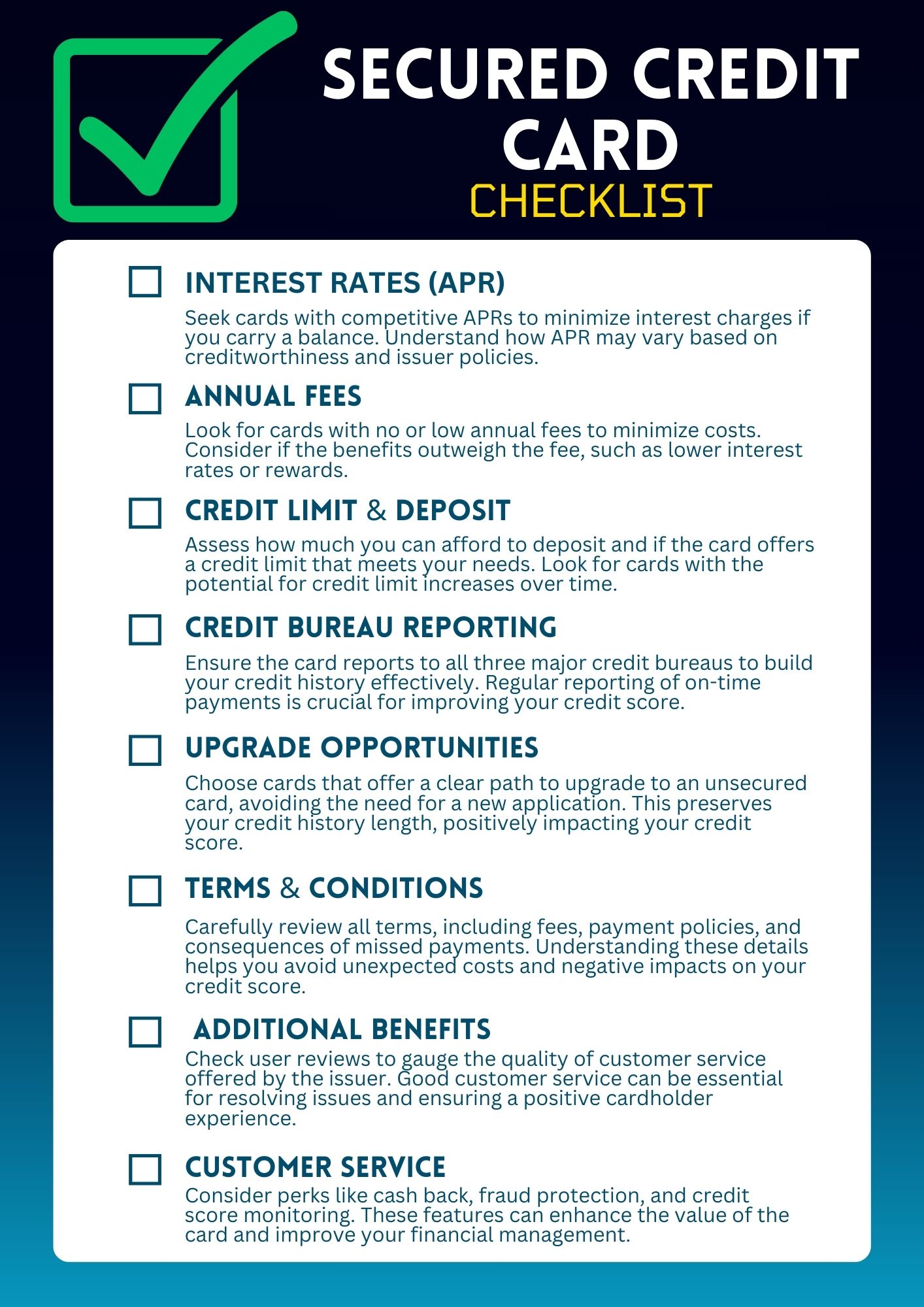
- What to look for: Ensure the card reports to all three major credit bureaus. If a card does not report your activity, it will not help you build a credit score.
2. Student Credit Cards
If you are currently enrolled in a college or university, student credit cards are a specialized category of unsecured cards. Lenders understand that students are unlikely to have a long credit history and have adjusted their approval algorithms accordingly.
- Eligibility: You generally need proof of enrollment. While you don't need a high credit score, the Credit CARD Act of 2009 requires that applicants under 21 demonstrate an independent ability to make payments or have a co-signer (though co-signers are increasingly rare in 2026).
- Benefits: These cards often come with rewards for good grades or cash back on common student expenses like dining and streaming services.
3. Authorized User Status
Often called "credit piggybacking," this involves a family member or partner adding you to their existing credit card account.
- Mechanics: You receive a card with your name on it, but the primary account holder is legally responsible for the debt. The primary account's history is then often reflected on your own credit report.
- Risks: This only works if the primary account holder has an excellent payment history and low credit utilization. If they miss a payment, it could negatively impact your emerging credit file.
- The Benefit: It can provide an immediate "jumpstart" to your credit age and history without requiring a deposit or a formal application on your part.
4. Alternative and Fintech Credit Cards
By 2026, many fintech companies have refined their use of "alternative data." Instead of looking at a FICO score, these lenders ask for permission to link to your checking and savings accounts.
- Cash-Flow Underwriting: They analyze your income, how much you save, and whether you frequently overdraw your account. If you manage your cash well, they may grant you a small unsecured credit limit.
- Target Audience: This is ideal for professionals with high salaries but no US credit history, such as international workers or recent graduates entering high-paying fields.
Comparison of Starter Credit Options
| Feature | Secured Card | Student Card | Authorized User | Fintech/Alt Card |
|---|---|---|---|---|
| Deposit Required | Yes (Typically $200+) | No | No | Usually No |
| Credit Check | Yes (often a "soft" pull) | Yes (hard pull) | No | Yes (linked bank account) |
| Interest Rates | High (24% - 30%) | Moderate (18% - 26%) | N/A (Owner's rate) | Varies by cash flow |
| Best For | Everyone | College Students | Family members | High-income beginners |
| Builds Credit? | Yes | Yes | Yes (issuer dependent) | Yes |
The Application Process: Step-by-Step
Before you submit an application, you should prepare your financial profile to maximize your chances of approval.
Step 1: Check for Pre-qualification
Many major issuers offer a "pre-qualification" or "pre-approval" tool on their websites. This uses a soft credit pull, which does not hurt your credit score. It allows you to see which cards you are likely to be approved for before you submit a formal application. This is crucial because every formal application results in a "hard inquiry," which can slightly lower your score—a significant issue when you don't have a score to begin with.
Step 2: Gather Required Documentation
To comply with federal "Know Your Customer" (KYC) laws, you will need:
- Social Security Number (SSN) or Individual Taxpayer Identification Number (ITIN).
- Proof of Income: This includes wages, but for those over 21, it can also include household income you have a "reasonable expectation of access" to (such as a spouse's salary). For students, scholarships and grants can sometimes count.
- Residential Address: P.O. boxes are generally not accepted as a primary address for credit applications.
Step 3: Complete the Application
Be honest and precise. Discrepancies in your income or employment history can trigger a manual review or an automatic denial. If you are applying for a secured card, be ready to transfer the deposit immediately via an ACH transfer from your bank account.
Step 4: Manage the Account Post-Approval
Once approved, the real work begins. Your behavior in the first six months is critical.
- Keep Utilization Low: Never use more than 30% of your credit limit. If your limit is $300, try to keep your balance below $90.
- Pay in Full: Do not carry a balance. Carrying a balance does not "help" your score; it only costs you money in interest.
- Monitor Your Report: Use tools like AnnualCreditReport.com to ensure your new card is being reported correctly to the bureaus.
Common Obstacles and How to Overcome Them
Even with specialized products, you may encounter hurdles.
Lack of Independent Income
The Consumer Financial Protection Bureau (CFPB) strictly enforces rules regarding ability to pay. If you have no income, you cannot legally be approved for a credit card in your own name. In this case, becoming an authorized user or finding a co-signer (where available) are your only options.
Immediate Denials
If you are denied, the lender is legally required to send you an Adverse Action Notice. This document will explain exactly why you were turned down. If the reason is "insufficient credit history," it simply means you applied for a card that was too advanced for your current profile. Re-evaluate and try a secured card instead.
High Interest Rates
Starter cards almost always come with high Interest rates (APR). In 2026, these can range from 24% to over 30%. However, if you pay your statement balance in full every month, the interest rate is irrelevant because you will never be charged interest. This is the only way to use credit cards as a tool rather than a debt trap.
Beyond the Credit Card: Alternative Building Tools
If you are struggling to get approved even for a secured card, consider these 2026-era alternatives:
- Credit-Builder Loans: These are "reverse" loans. You make monthly payments into a locked savings account, and the lender reports these payments to the bureaus. Once the "loan" is paid off, you receive the money back.
- Rent and Utility Reporting: Services now exist that allow you to report your on-time rent and utility payments to credit bureaus. While not all FICO versions count this data yet, many modern lenders look at these reports during manual reviews.
- Experian Boost: This free tool allows you to add positive payment history for phone bills, utilities, and even some streaming services directly to your Experian credit file.
FAQs
How long does it take to get a credit score after getting my first card?
It generally takes six months of account activity for FICO to generate a credit score. VantageScore, a competitor often used by free credit-monitoring apps, may generate a score within a month or two of your first account being reported. Consistency during this half-year window is the most important factor in determining your starting score.
Can I get a credit card with no credit history and no job?
It is very difficult. Lenders are legally required to verify your "ability to repay." If you don't have a job, you must show other forms of income, such as government benefits, investment income, or a spouse’s income (if you are over 21). Students may use stipends or grants. Without any verifiable income, you will likely be restricted to becoming an authorized user on someone else's account.
Does a debit card help build credit?
No. Debit cards draw money directly from your checking account and do not involve an extension of credit. Because there is no "repayment" occurring, banks do not report debit card usage to credit bureaus. While some "debit-style" credit cards exist (which link to your bank and report as credit), a traditional debit card will never help you build a score.
Should I apply for multiple cards at once to increase my chances?
No. Each formal application triggers a "hard inquiry," which can lower your score. For someone with no credit history, multiple inquiries in a short period can look like financial desperation to a lender. It is better to research one card, check for pre-qualification, and apply only when you are reasonably certain of approval.
Will my credit history from another country transfer to the US?
Generally, no. The major credit bureaus in the US do not share data with international bureaus. However, some specific companies, like American Express and certain fintech startups (e.g., Nova Credit), have developed systems to pull international credit reports to help immigrants qualify for US-based cards using their history from their home country.
Strategic Recommendation
If you are starting from zero in 2026, the most efficient path is to apply for a secured credit card from a major national bank or a reputable fintech provider. Prioritize cards with no annual fee and a clear path to "graduation" to an unsecured account. By placing a $200–$500 deposit and using the card for one small recurring subscription (like a streaming service) while setting the account to "Auto-Pay," you can build a strong credit foundation within six to twelve months without ever paying a cent in interest.