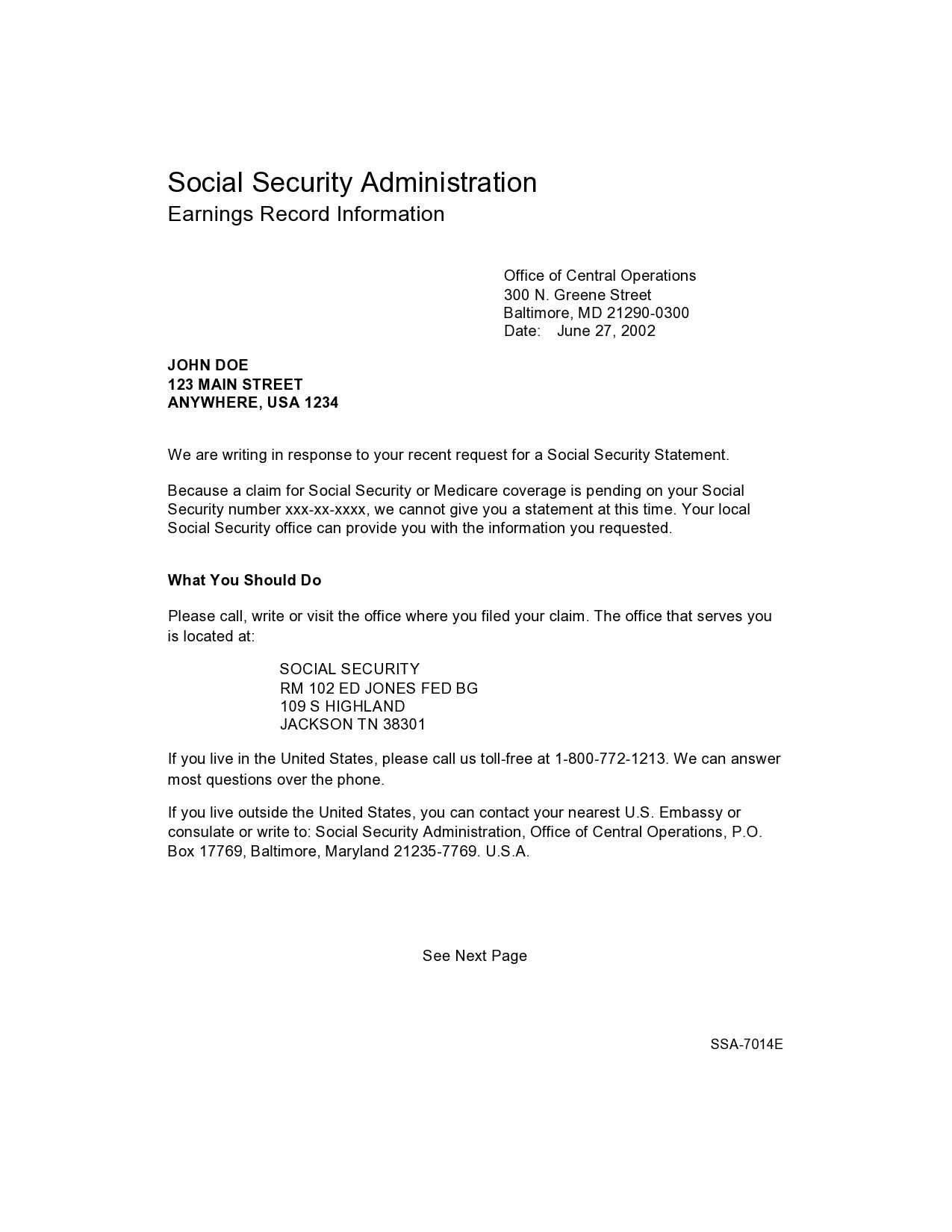
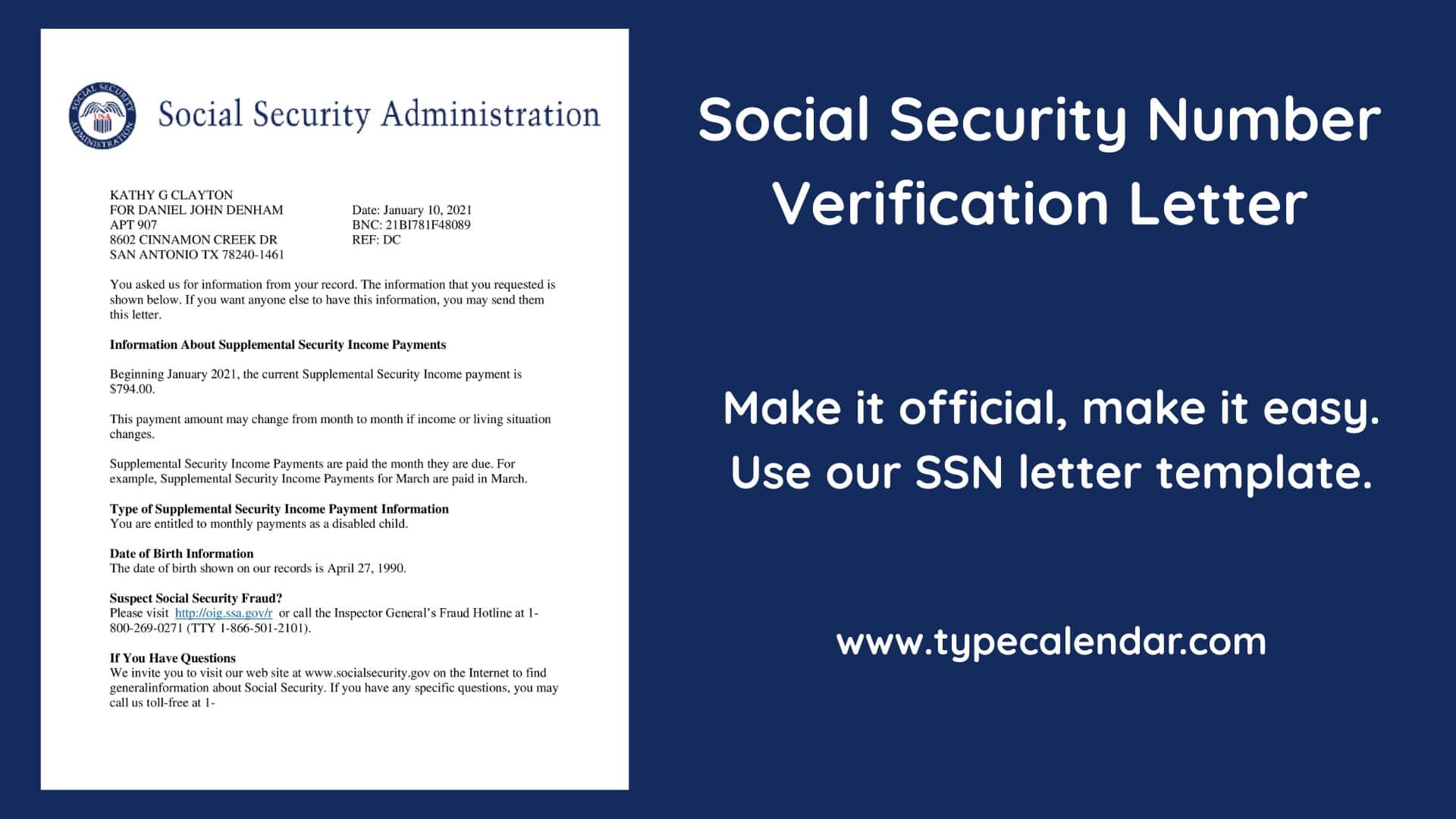
An appointed representative is a person chosen by a Social Security claimant to act on their behalf when dealing with the Social Security Administration (SSA). This representative can be an attorney or a qualified non-attorney who assists with filing claims, gathering medical evidence, and representing the claimant at hearings to secure disability or retirement benefits.
Choosing to navigate the Social Security disability system alone can be a daunting task. The complexity of the Social Security Act, combined with the rigorous evidentiary requirements for Supplemental Security Income (SSI) and Social Security Disability Insurance (SSDI), often necessitates professional assistance. In 2026, the SSA continues to refine its digital processes, making the role of an appointed representative even more vital for ensuring that electronic records are complete and that legal deadlines are strictly met.
Who Can Serve as an Appointed Representative?
The Social Security Administration allows for two primary types of representatives: attorneys and non-attorney representatives. While both can perform many of the same functions, their qualifications and the ways they are compensated can differ.
Attorney Representatives
An attorney representative must be a member in good standing of the bar of a State, Territory, District, or Possession of the United States. They do not need to be specifically "certified" by the SSA, but they must not be under any order of suspension or disbarment from practice before the SSA. Attorneys are often preferred for complex cases involving the Appeals Council or Federal Court reviews, as they have specialized training in legal cross-examination and administrative law.
Non-Attorney Representatives
A non-attorney representative can be any individual whom the claimant trusts, provided they are of good character and have the ability to assist the claimant. However, there is a specific category known as Eligible for Direct Payment Non-Attorneys (EDPNA). These individuals have passed a written examination provided by the SSA, maintain professional liability insurance, and undergo continuing education. EDPNAs are entitled to have their fees withheld directly from the claimant’s past-due benefits, similar to attorneys.
The Benefits of Appointing a Representative
The primary goal of an appointed representative is to alleviate the procedural burden on the claimant. The Social Security disability process is often a "paperwork war," and a representative acts as the primary strategist.
Gathering and Organizing Medical Evidence
The most common reason for claim denial is a "lack of sufficient medical evidence." An appointed representative understands the specific "Listing of Impairments" (the Blue Book) used by the SSA to determine disability. They work with your doctors to obtain "Medical Source Statements" that explicitly address your functional limitations—details that are often missing from standard medical charts.
Strategic Navigation of the Appeals Process
If an initial claim is denied, the representative manages the Request for Reconsideration and the subsequent Request for Hearing before an Administrative Law Judge (ALJ). They are trained to identify the specific reasons for a prior denial and can pivot the strategy to address those gaps, such as requesting a consultative examination or hiring a vocational expert to testify on the claimant's behalf.
Advocacy During the Administrative Hearing
The hearing is the most critical stage of a Social Security claim. An appointed representative prepares the claimant for the types of questions the ALJ will ask, ensuring the claimant's testimony is focused on relevant functional limitations rather than just a list of diagnoses. Furthermore, representatives can cross-examine the SSA’s vocational and medical experts, who might otherwise testify that there are jobs the claimant can still perform.
How to Appoint a Representative: The SSA-1696 Process
In 2026, the process for appointing a representative is largely handled through the Form SSA-1696, titled "Appointment of Representative." This document is the legal bridge that allows the SSA to share your private medical and financial information with your chosen advocate.
Step 1: Selection and Agreement
Before filing the paperwork, the claimant and the representative must agree on the terms of representation. This usually involves signing a "Fee Agreement," which outlines how much the representative will be paid if the claim is successful.
Step 2: Completing Form SSA-1696
The form requires basic identifying information for both the claimant and the representative. It must be signed by both parties. As of 2026, the SSA heavily encourages the use of electronic signatures via their secure online portal. When a representative initiates the appointment online, the claimant receives an email or text notification to log into their "my Social Security" account and electronically sign the authorization.
Step 3: Submission and Recognition
Once submitted, the SSA must "recognize" the representative. This means the SSA updates its internal systems so that all correspondence, such as notices of hearing or requests for evidence, is sent to both the claimant and the representative simultaneously. This prevents missed deadlines that could lead to the dismissal of a claim.
Understanding Representative Fees and Costs
One of the most significant concerns for claimants is how they will pay for professional help when they are unable to work. The SSA regulates these fees strictly to protect claimants from predatory practices.
The Fee Agreement Framework
Most representatives work on a contingency fee basis. This means they only get paid if the claimant wins their case and receives "backpay" (past-due benefits). Under the standard fee agreement, the representative's fee is limited to the lesser of 25% of the backpay or a maximum dollar amount set by the SSA. As of late 2024 and continuing into 2026, this cap is $9,200.
Direct Payment from Backpay
If the representative is an attorney or a qualified non-attorney (EDPNA), the SSA will automatically withhold the fee from the claimant's first check and pay the representative directly. This ensures the claimant is not responsible for writing a large check out of pocket.
Out-of-Pocket Expenses
It is important to distinguish between "fees" and "costs." While the fee is for the representative's time and expertise, costs are the actual expenses incurred while building the case. These may include:
- Fees charged by doctors for copying medical records.
- Charges for medical narrative reports.
- Travel expenses for the representative to attend a hearing.
Most representatives will ask the claimant to reimburse these costs regardless of whether the case is won, though some may waive them in cases of extreme hardship.
Comparison: Attorney vs. Non-Attorney Representatives
| Feature | Attorney Representative | Non-Attorney (EDPNA) | Non-Qualified Individual |
|---|---|---|---|
| Direct Fee Payment | Yes, withheld by SSA | Yes, withheld by SSA | No, claimant pays directly |
| Legal Training | Juris Doctor (JD) & Bar Member | SSA Exam & Certification | None required |
| Federal Court Appeals | Yes, can file in District Court | No, limited to Administrative levels | No |
| Oversight | State Bar & SSA | SSA Conduct Standards | SSA Conduct Standards |
| Best For... | Complex legal issues, high-level appeals | Initial claims and ALJ hearings | Friends or family assisting with paperwork |
Rights and Responsibilities of the Representative
Once appointed, the representative has specific legal duties and authorities granted under the Social Security Act.
Authority to Act
The representative can sign most documents on the claimant’s behalf, with a few exceptions like the initial application for benefits. They can request an extension of time for filing appeals if there is "good cause" for a delay. They also have the right to review the claimant's electronic folder (eFolder), which contains all the evidence the SSA has collected.
Duty of Disclosure
Representatives have an affirmative duty to provide all evidence that is "material" to whether or not the claimant is disabled. This means they cannot "cherry-pick" only the good medical records; they must submit all relevant records, even those that might not support the claim, to ensure the ALJ has a full picture of the claimant's health.
Ethical Conduct
The SSA maintains a Rules of Conduct and Responsibility for representatives. Representatives are prohibited from making false statements, unreasonably delaying the process, or charging a fee that has not been approved by the SSA. Violations can lead to the representative being disqualified from ever practicing before the SSA again.
Changing or Removing a Representative
Claimants are not "locked in" to a representative if the relationship is not working. However, changing representatives can be complicated due to fee considerations.
If a claimant wishes to fire their representative, they must send a written, signed statement to the SSA stating that the representative's authority is revoked. If the representative has already performed significant work on the case, they may file a Fee Petition. In this scenario, the representative asks the SSA to approve a fee for the hours they spent on the case, which might lead to a "fee dispute" if a new representative is hired later.
To avoid these issues, claimants should thoroughly vet their representatives early in the process by asking about their experience with specific medical conditions and their communication policies.
FAQs About Appointed Representatives
Can I have more than one representative?
Yes, you can appoint a firm where multiple attorneys or representatives work on your case. However, you must designate one person as the "principal representative" who will receive the primary correspondence and be the lead contact for the SSA.
What if I win but don't get any backpay?
If the SSA determines you are disabled but your onset date is very recent, there may be no past-due benefits. In most contingency fee agreements, this means the representative receives no fee, though you may still be responsible for the costs of medical records.
Does an appointed representative guarantee I will win my claim?
No. While statistics generally show that claimants with representation have higher success rates at the hearing level, no representative can guarantee an outcome. The final decision rests solely with the SSA’s adjudicators or the Administrative Law Judge.
Can a representative help me with my "my Social Security" account?
A representative can guide you on how to use the account, but they should never have your password. The SSA provides a separate portal for representatives to access your records securely without needing your personal login credentials.
Is the fee cap of $9,200 always the maximum?
In most cases, yes. However, if a case is particularly long or involves multiple appeals to the Appeals Council, a representative may choose not to use a "Fee Agreement" and instead file a "Fee Petition." In a Fee Petition, the representative lists every hour worked, and the SSA can authorize a fee higher than the cap if the work justifies it.
Recommendation for Claimants
If you are at the initial application stage and your medical records are straightforward, you may choose to file on your own. However, if you receive a Notice of Disapproved Claim, the most practical next action is to seek an appointed representative immediately.
Engaging a representative before you file your first appeal (Reconsideration) gives them the best chance to shape the evidentiary record before it reaches the judge. Always verify that your representative is either a licensed attorney or an EDPNA to ensure they are eligible for direct fee payment and have met the SSA's rigorous standards for professional advocacy.