Securing life insurance with hypothyroidism is generally straightforward if the condition is well-managed through medication and regular clinical monitoring. Most applicants with stable Thyroid Stimulating Hormone (TSH) levels qualify for standard or even preferred rates. Underwriters primarily evaluate treatment compliance, the underlying cause of the thyroid deficiency, and the absence of secondary cardiovascular or metabolic complications.
Understanding How Underwriters View Hypothyroidism
Hypothyroidism, or an underactive thyroid, occurs when the thyroid gland fails to produce sufficient amounts of essential hormones—primarily thyroxine (T4) and triiodothyronine (T3). Because these hormones regulate the body’s metabolism, heart rate, and temperature, a deficiency can have systemic effects. In the eyes of a life insurance underwriter in 2026, hypothyroidism is categorized as a "chronic but manageable" condition.
The primary goal of the underwriting process is to determine the "mortality risk" associated with the diagnosis. Unlike more aggressive autoimmune disorders, well-controlled hypothyroidism rarely decreases life expectancy. Consequently, the focus is not on the diagnosis itself, but on the stability of the patient's hormone levels. Underwriters look for a "euthyroid" state, which means the patient’s lab results fall within the normal physiological range through the use of synthetic hormones like levothyroxine.
The Role of TSH and T4 in Underwriting
When you apply for a policy, the insurer will likely request a blood panel or review your recent medical records. They focus on:
- TSH (Thyroid Stimulating Hormone): This is the most critical metric. High TSH levels indicate that the pituitary gland is working overtime to signal an underperforming thyroid. Low TSH levels might suggest over-medication. Insurers prefer to see TSH levels between 0.4 and 4.0 mIU/L, though some flexibility exists depending on age.
- Free T4: This measures the actual amount of thyroxine available to the body. If TSH is high and T4 is low, the condition is considered "uncontrolled," which may lead to higher premiums or a temporary postponement of the application.
Key Factors Influencing Your Premium and Eligibility
While many people with hypothyroidism receive "Standard" or "Preferred" ratings, several variables can push an applicant into a "Substandard" (or "Table Rated") category. Understanding these factors allows you to prepare your application more effectively.
Stability and Duration of Treatment
Insurers look for consistency. If you were diagnosed three months ago and your dosage is still being adjusted, an underwriter might postpone your application for 3 to 6 months until your levels stabilize. Conversely, if you have been on the same dosage for two years with consistent lab results, you are viewed as a low-risk applicant. Stability suggests that the thyroid deficiency is fully compensated and unlikely to cause sudden health fluctuations.
The Underlying Cause of Hypothyroidism
The "Why" behind your underactive thyroid matters. Underwriters distinguish between several primary causes:
- Hashimoto’s Thyroiditis: As the most common cause of hypothyroidism, this autoimmune condition is well-understood. If there are no other autoimmune complications (like lupus or rheumatoid arthritis), it usually results in standard rates.
- Post-Surgical/Radioactive Iodine Treatment: If your thyroid was removed or neutralized due to a goiter or Graves' disease, you are essentially "cured" of the original issue but remain hypothyroid for life. This is often viewed very favorably as long as replacement therapy is consistent.
- Congenital Hypothyroidism: If you have lived with the condition since birth, underwriters look for a lifetime of stable growth and cognitive development markers.
Presence of Comorbidities
Hypothyroidism does not exist in a vacuum. If left untreated or poorly managed, it can lead to secondary health issues that concern insurers more than the thyroid itself. These include:
- Hyperlipidemia: Low thyroid levels often lead to elevated LDL cholesterol.
- Bradycardia: An abnormally slow heart rate.
- Depression: Often associated with metabolic slowdown.
- Obesity: Significant weight gain resulting from a low basal metabolic rate.
If an applicant has hypothyroidism and uncontrolled high blood pressure or heart disease, the insurer will apply a "cumulative risk" model, which significantly increases the premium.
The Underwriting Process: What to Expect in 2026
The life insurance landscape in 2026 has transitioned toward "accelerated underwriting," utilizing digital health records (EHR) to speed up approvals. However, for those with chronic conditions like hypothyroidism, the process remains thorough.
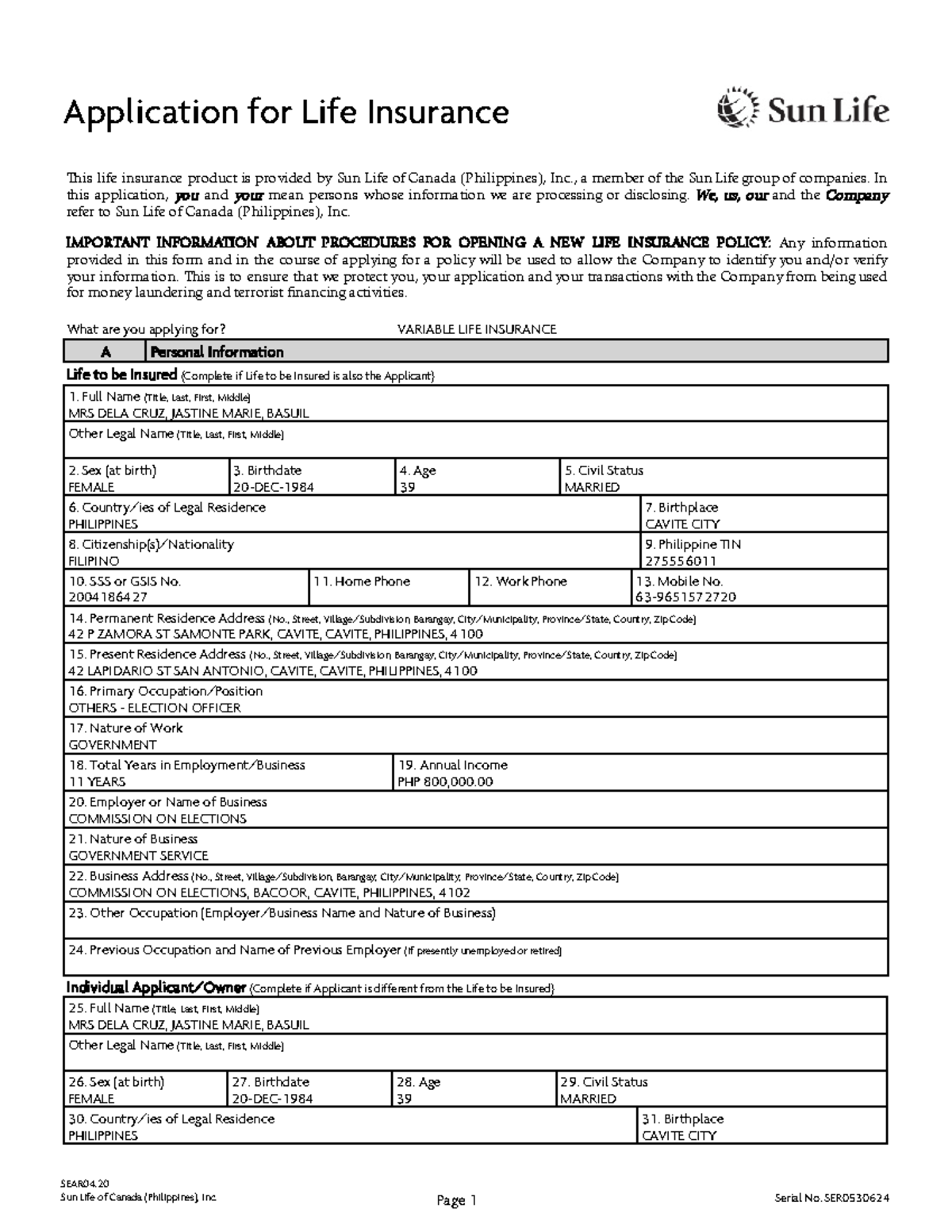
- The Application: You will be asked specific questions about your diagnosis date, current medications (such as Levothyroxine, Synthroid, or Cytomel), and the name of your endocrinologist or primary care physician.
- The Medical Exam (if required): While many "no-exam" policies exist, a traditional exam provides the blood work necessary to prove your TSH levels are stable. This is often the best way for a well-managed hypothyroid patient to secure the lowest possible "Preferred" rates.
- Attending Physician Statement (APS): The insurer may request a summary from your doctor. They want to see that you attend regular check-ups (usually once or twice a year) and that you are compliant with your medication.
- Prescription Database Check: Insurers use automated systems to verify your medication history. A history of consistent refills for thyroid medication is actually a positive sign, as it demonstrates treatment compliance.
Comparison of Rating Classes for Hypothyroidism
The table below outlines how various levels of thyroid control typically impact life insurance ratings and costs in the current 2026 market.
| Rating Class | Clinical Profile | Premium Impact |
|---|---|---|
| Preferred Plus | TSH perfectly stable; no other health issues; excellent family history. | Lowest possible cost; no "disease" penalty. |
| Preferred | TSH stable; minor unrelated issues (e.g., well-controlled BP). | Very competitive; near-bottom rates. |
| Standard | TSH within normal range; diagnosis is recent or involves Hashimoto's. | Average market rates; most common for this condition. |
| Substandard (Table B-D) | TSH fluctuates; presence of goiter or mild heart issues; poor compliance. | 25% to 100% increase over Standard rates. |
| Postponed | Newly diagnosed (under 3 months); TSH severely out of range. | Application held until levels stabilize. |
| Declined | Untreated hypothyroidism causing severe cardiac failure or myxedema. | Rare; usually involves other life-threatening comorbidities. |
Specialized Scenarios: Thyroid Nodules and Cancer History
Applying for life insurance becomes more complex if your hypothyroidism is linked to thyroid nodules or a history of thyroid cancer.
Thyroid Nodules and Goiters
If you have an enlarged thyroid (goiter) or nodules, underwriters will require a recent ultrasound or fine-needle aspiration (FNA) biopsy report. If the nodules are confirmed to be benign (non-cancerous) and are not obstructing your airway, they typically do not impact your rating. However, "cold" nodules or those with suspicious features may lead to a postponement until a definitive biopsy rules out malignancy.
History of Thyroid Cancer
If your hypothyroidism resulted from a total thyroidectomy to treat differentiated thyroid cancer (papillary or follicular), you can still get life insurance. Most insurers require a "waiting period" of 1 to 5 years after successful treatment (surgery/radiation) to ensure there is no recurrence. Once you are cleared and your TSH is maintained at the level recommended by your oncologist, you can often qualify for Standard rates.
Strategies for Securing the Best Rates
To ensure you receive the most favorable offer, follow these tactical steps before and during your application:
- Gather Your Lab Work: Before applying, ask your doctor for your TSH and T4 results from the last two years. If your levels have been erratic, wait until you have at least two consecutive "normal" readings before submitting an application.
- Demonstrate Compliance: Ensure your pharmacy records show you are refilling your medication on time. Insurers view "skipping doses" as a major risk factor for future cardiovascular events.
- Work with an Independent Agent: Captive agents (those who work for only one company) may not know which carriers are "thyroid-friendly." Independent agents can shop your clinical profile across multiple carriers to find the one that views your specific TSH history most favorably.
- Disclose Everything Early: Do not omit the diagnosis. Modern data-checking tools will find the medication history regardless. Voluntary disclosure builds trust and allows your agent to "pre-qualify" you with underwriters.
- Time Your Medical Exam: If you are required to take a blood test for the policy, schedule it for the morning and avoid heavy caffeine or stress, which can occasionally cause minor fluctuations in hormone markers.
Common Pitfalls and How to Avoid Them
One of the most common mistakes is applying for coverage immediately after a dosage change. Even if the change is minor, underwriters may view it as "instability." It is generally advisable to wait 90 days after any medication adjustment to prove that the new dosage has successfully regulated your hormone levels.
Another pitfall is ignoring subclinical hypothyroidism. This is a state where TSH is slightly elevated, but T4 is normal, and the patient may not yet be on medication. Some insurers will "rate" this (charge more) because it predicts future clinical hypothyroidism. If you have subclinical levels, it may be worth discussing treatment with your doctor or seeking an insurer that uses more lenient TSH thresholds for "Standard" ratings.
Frequently Asked Questions
Can I get life insurance if I have Hashimoto’s disease?
Yes. Hashimoto’s is the leading cause of hypothyroidism and is highly treatable. As long as your thyroid levels are maintained within the normal range with medication and you do not have other associated autoimmune disorders, you will likely qualify for Standard or Preferred rates. Insurers are very familiar with Hashimoto's and do not consider it a high-risk condition.
Will my premiums be higher because of my thyroid medication?
Not necessarily. In many cases, taking thyroid medication like Levothyroxine actually helps you get lower rates because it demonstrates that the condition is being managed. An untreated person with a high TSH level will almost always pay more than a treated person with a stable TSH level.
What happens if my TSH levels are currently high?
If your TSH levels are high at the time of your application, the insurer may "table rate" your policy, meaning you will pay a surcharge. Alternatively, they might postpone your application for several months. If this happens, you can re-apply once your doctor has adjusted your medication and your labs have returned to the normal range.
Are there "no-medical-exam" policies for people with hypothyroidism?
Yes, in 2026, many companies offer simplified issue or accelerated underwriting policies that do not require a physical exam. These companies will instead check your electronic health records and prescription history. If these records show stable TSH levels and consistent medication use, you can be approved in as little as 24 to 48 hours.
Does a thyroidectomy affect my life insurance eligibility?
A thyroidectomy (surgical removal of the thyroid) does not disqualify you from life insurance. Whether the surgery was due to a goiter, hyperthyroidism, or cancer, the main concern for the insurer is your health since the surgery. If you are successfully using hormone replacement therapy and your TSH is stable, you are typically eligible for standard market rates.
Practical Recommendation
If you are applying for life insurance with hypothyroidism in 2026, your first step should be to confirm your TSH stability with your primary physician. Ensure you have at least six months of consistent lab results. When applying, choose an independent brokerage that can leverage "informal inquiries"—a process where they check with multiple underwriters without a formal application on your record—to see which company offers the best "Preferred" criteria for thyroid patients. This proactive approach prevents a "Standard" or "Substandard" offer from being recorded in the Medical Information Bureau (MIB), keeping your options open for the most affordable coverage.