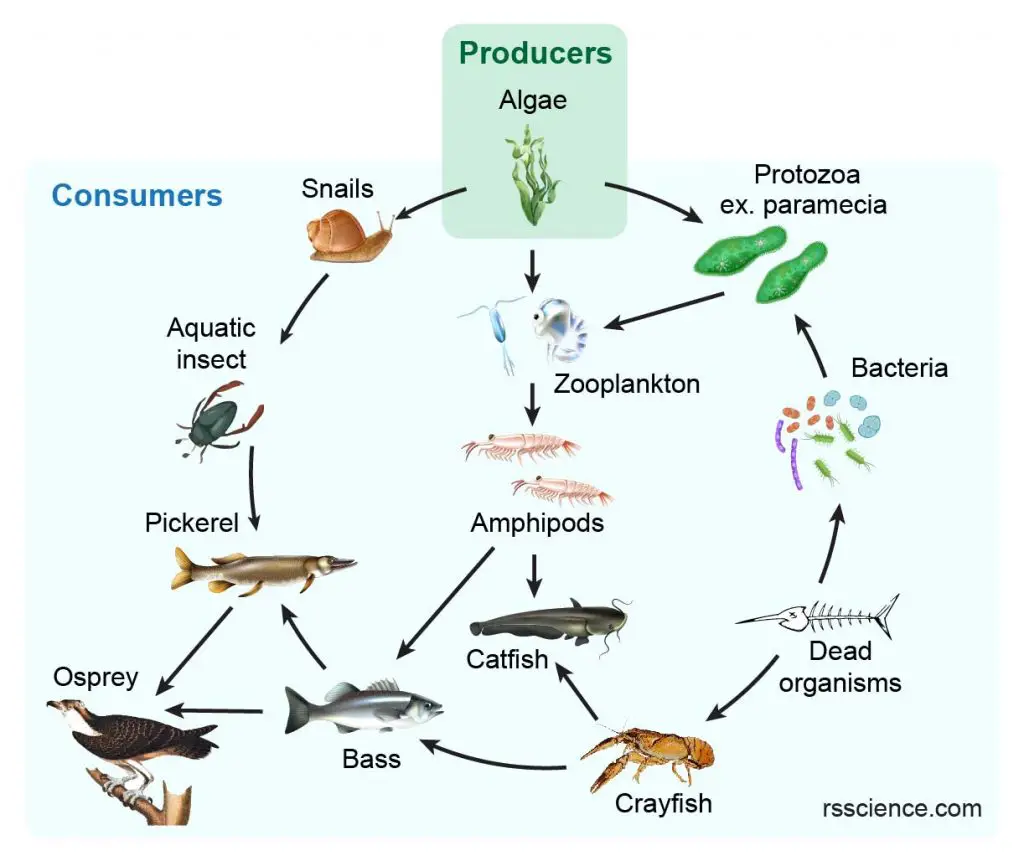
Protists are not strictly heterotrophs; rather, they exhibit remarkable nutritional diversity. While many protists are indeed heterotrophs that ingest organic matter, others are autotrophs that perform photosynthesis, and some are mixotrophs capable of switching between both methods depending on their environment. Consequently, protists cannot be defined by a single nutritional mode, as their classification spans the full spectrum of energy acquisition.
Understanding the Taxonomic Complexity of Protists
The term "protist" refers to a polyphyletic group of eukaryotic organisms that are classified as members of the kingdom Protista. Unlike animals, plants, or fungi, which fall into well-defined kingdoms, protists are often described as the "junk drawer" of biology. They are eukaryotes—meaning their cells contain a nucleus and membrane-bound organelles—that do not fit neatly into the other three multicellular kingdoms.
Because they are so diverse, they occupy a wide range of ecological niches. This diversity is most apparent in how they obtain energy. To categorize them accurately, scientists differentiate between autotrophy (producing one's own food) and heterotrophy (consuming external organic matter). Understanding that "protist" is a broad, catch-all term is the first step in recognizing why there is no single answer to whether they are heterotrophs.
The Heterotrophic Mode of Nutrition
Many protists function exclusively as heterotrophs. These organisms survive by consuming other organisms or organic particles found in their environment. Heterotrophic protists employ several specialized mechanisms to acquire nutrients, reflecting their evolutionary adaptation to various aquatic and terrestrial micro-environments.
- Phagocytosis: Many protozoans, such as Amoeba, use cytoplasmic projections known as pseudopods to engulf food particles. Once the prey—usually bacteria or smaller protists—is surrounded, it is pulled into the cell in a food vacuole, where enzymes break it down.
- Absorption (Osmotrophy): Some protists act as decomposers or parasites. They secrete enzymes into their surroundings to digest organic matter externally and then absorb the resulting simple nutrients through their cell membranes. This is common in certain water molds.
- Filter Feeding: Ciliates, such as Paramecium, utilize hair-like structures called cilia to create water currents that sweep food particles into a specialized oral groove, effectively functioning as a biological funnel.
These heterotrophic protists are essential players in the food web. They help regulate bacterial populations and serve as a crucial food source for larger microorganisms, crustaceans, and larval fish.
Autotrophic Protists: The Primary Producers
It is a common misconception to assume all protists hunt or scavenge. A significant portion of the protist kingdom consists of autotrophs. These organisms possess chloroplasts and chlorophyll, allowing them to harness sunlight to synthesize chemical energy from carbon dioxide and water through photosynthesis.
The most prominent examples of autotrophic protists are algae. These include:
- Diatoms: These microscopic organisms are encased in intricate silica cell walls and are responsible for a massive percentage of the oxygen production in marine ecosystems.
- Dinoflagellates: While some are heterotrophic, many are photosynthetic and serve as the foundation of marine food chains.
- Euglenids: While some members of this group are mixotrophic, many are strictly photosynthetic, utilizing their flagella to navigate toward light sources for optimal photosynthesis.
By converting solar energy into organic biomass, these autotrophic protists provide the primary energy source for almost all other life in aquatic ecosystems. Without them, the aquatic food web would collapse, as they occupy the base trophic level.
The Unique Strategy of Mixotrophy
Perhaps the most fascinating aspect of protist nutrition is mixotrophy. Mixotrophic protists do not strictly adhere to one label; they are the "bilingual" organisms of the microbial world, speaking both the language of autotrophy and the language of heterotrophy.
When sunlight is abundant, these protists utilize photosynthesis to thrive. However, if light levels drop or if nutrient resources—such as nitrogen or phosphorus—become scarce, they can switch to a heterotrophic mode, engulfing bacteria or other dissolved organic matter to supplement their energy requirements. Euglena gracilis is the classic example of this behavior. This flexibility provides a massive evolutionary advantage, allowing these organisms to survive in fluctuating environmental conditions where a strictly autotrophic or strictly heterotrophic organism might perish.
Comparison of Protist Nutritional Strategies
| Strategy | Energy Source | Mechanism | Primary Example |
|---|---|---|---|
| Autotrophic | Sunlight | Photosynthesis | Diatoms, Green Algae |
| Heterotrophic | Organic Matter | Phagocytosis/Absorption | Amoeba, Paramecium |
| Mixotrophic | Sunlight & Organic Matter | Dual-mode flexibility | Euglena, some Dinoflagellates |
Ecological Significance and Research Context (2026)
As of 2026, scientific research continues to highlight the importance of these nutritional strategies in the face of changing global climates. Changes in water turbidity, temperature, and nutrient runoff significantly affect which nutritional mode offers the greatest survival advantage.
Understanding whether a protist population is primarily heterotrophic or autotrophic helps researchers track carbon sequestration in the oceans. Autotrophic protists act as carbon sinks, removing CO2 from the atmosphere and locking it into their biomass. Conversely, heterotrophic protists contribute to the respiratory cycle by consuming that biomass and releasing CO2. Consequently, monitoring these populations is a critical component of modern oceanographic modeling and ecological health assessments.
Common Questions Regarding Protist Nutrition
Are all protists dangerous to humans? No. While some parasitic protists like Plasmodium (which causes malaria) are pathogenic, the vast majority of protists are harmless. Many are beneficial, acting as decomposers, oxygen producers, or essential food sources for aquatic animals.
Do protists have a digestive system? Protists do not have a complex organ-based digestive system like animals. Instead, they use intracellular digestion. Food particles are typically contained within a "food vacuole," where lysosomes fuse with the vacuole to release digestive enzymes, breaking down the contents inside the cell.
Can a protist change its nutritional strategy during its life? Yes, particularly in the case of mixotrophs. An organism may be primarily autotrophic under high-light conditions but shift to heterotrophy if the environment shifts to deeper, darker waters, demonstrating remarkable phenotypic plasticity.
What is the difference between a protist and a bacterium? The main difference is cellular complexity. Protists are eukaryotes, meaning they have a defined nucleus and membrane-bound organelles. Bacteria are prokaryotes, lacking a nucleus and complex internal compartmentalization.
Why are protists classified together if their nutrition is so different? Protists are grouped together primarily because they are eukaryotes that do not fit into the kingdoms Plantae, Animalia, or Fungi. Their nutritional diversity is a result of their long, complex evolutionary history across disparate lineages.
Identifying Protists in Environmental Samples
If you are conducting field research or school-based studies in 2026, identifying the nutritional mode of a sample requires observation. Autotrophic protists often contain visible green or golden plastids (chloroplasts). Heterotrophs often lack these pigments and may show visible food vacuoles containing debris or bacteria.
For those using microscopy, look for specialized organelles:
- Chloroplasts: Suggest autotrophy or mixotrophy.
- Oral Grooves/Cilia: Suggest active heterotrophic feeding.
- Pseudopods: Suggest heterotrophic engulfment.
Final Recommendation
When examining whether a protist is a heterotroph, it is more accurate to ask which "mode" of nutrition the organism is currently utilizing. To properly classify a specimen, you must observe it in its specific environmental context. Always consider that the definition of a protist is based on evolutionary lineage rather than nutritional behavior, which is why the group remains so remarkably varied. For those studying aquatic ecology, focus on the presence of chlorophyll as an indicator of autotrophic potential, while keeping in mind that the absence of green color does not automatically imply the organism is a scavenger, as many non-photosynthetic heterotrophs fill highly specialized niches.