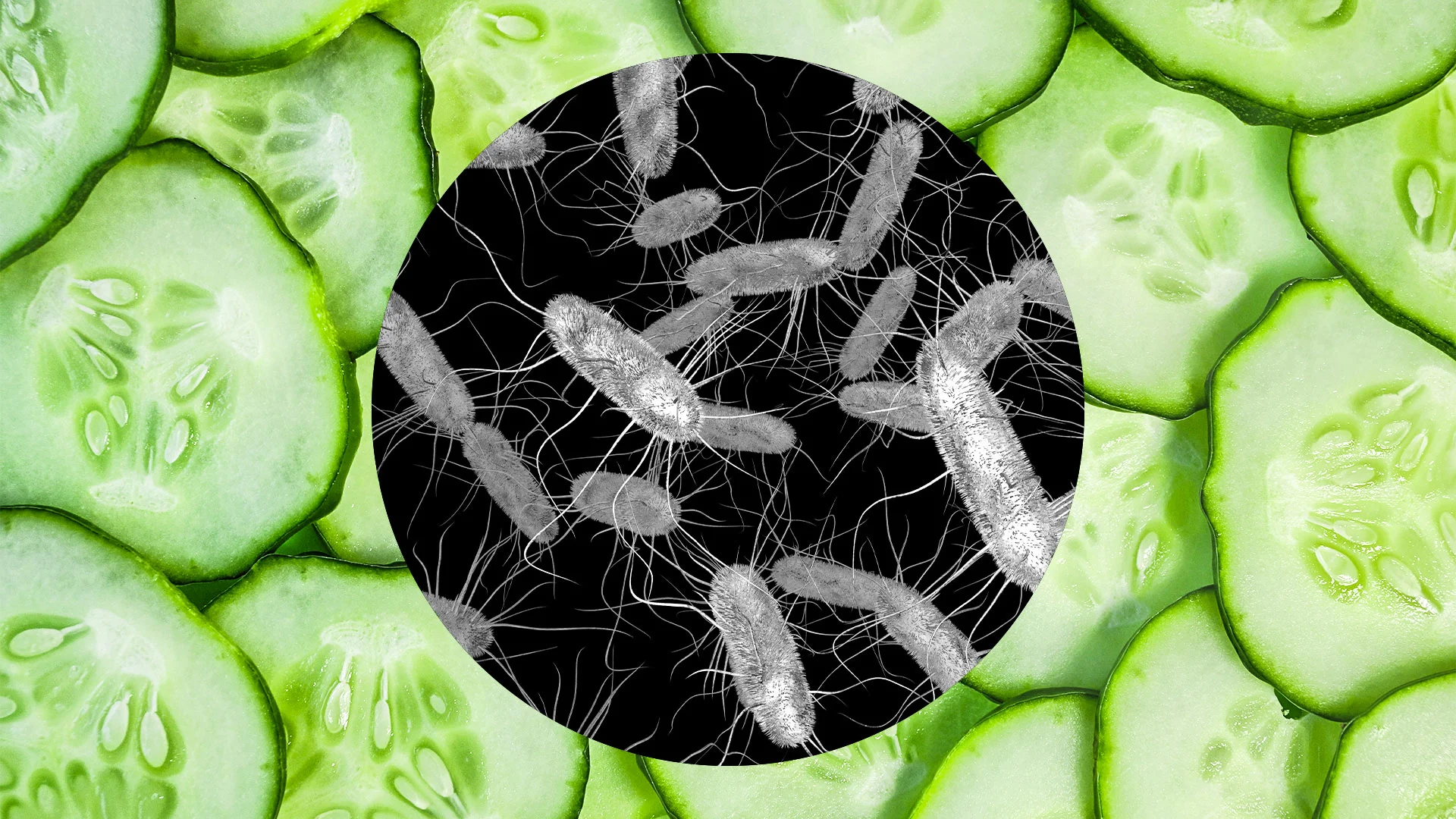
Whether your mini cucumbers are subject to a recall depends entirely on the specific brand, lot code, and purchase date, as there is no universal, ongoing recall for all mini cucumbers in 2026. Because food safety alerts are reactive and specific to supply chains, you must verify your specific package against official regulatory databases rather than assuming a broad status based on general news reports or social media rumors.
The Nature of Produce Recalls in 2026
In the United States and Canada, food recalls involving fresh produce like mini cucumbers are typically triggered by the detection of pathogens such as Salmonella, Listeria monocytogenes, or E. coli. These organisms can contaminate produce through various stages of the agricultural process, including irrigation water, harvesting equipment, or processing facilities.
When a recall is issued, it is rarely for an entire category of vegetable. Instead, it is highly targeted. A recall notice will specify the brand name, the product description (e.g., "English Mini Cucumbers, 1lb bag"), the UPC or bar code, and specific lot numbers or "best if used by" dates. This precision allows retailers to pull only the contaminated inventory from shelves while preventing unnecessary waste of safe products.
How to Verify if Your Product Is Affected
If you are concerned about mini cucumbers currently in your refrigerator, you should follow a systematic verification process. Do not rely on hearsay or general headlines.
- Check the Packaging: Locate the product label on your mini cucumber packaging. Look for the manufacturer’s name, the brand, and the lot code. The lot code is often a string of numbers or an alphanumeric sequence printed on the bag or a small sticker.
- Visit Official Regulatory Portals: In the United States, the Food and Drug Administration (FDA) maintains a searchable "Recalls, Market Withdrawals, & Safety Alerts" database. In Canada, the Canadian Food Inspection Agency (CFIA) provides similar listings. These are the primary, authoritative sources for recall information.
- Compare Details: Once on the FDA or CFIA website, search for "cucumbers." Review the list of active recalls. For each entry, click through to see the "Distribution" and "Product Information" sections. If your product’s brand, specific package size, and lot code do not match the entry exactly, it is generally considered safe.
- Monitor Retailer Notifications: Major grocery chains often maintain their own recall pages. If you bought the item at a specific supermarket, check that store’s website or your digital purchase history, as they may have sent automated notifications regarding recent purchases of recalled items.
Understanding the Risks of Contaminated Produce
When a recall for mini cucumbers is issued, it is usually because laboratory testing at a distribution center or a processing facility has identified a potential biological hazard. Consuming produce contaminated with pathogens can lead to foodborne illness.
Symptoms of such illnesses can vary based on the pathogen but frequently include diarrhea, fever, abdominal cramps, and vomiting. In severe cases, particularly among vulnerable populations such as the elderly, young children, and immunocompromised individuals, these infections can lead to serious complications, including dehydration, bacteremia (bloodstream infection), or, in the case of Listeria, more systemic invasive infections.
If you believe you have consumed a recalled product, monitor your health closely. If you develop symptoms, consult a medical professional and explicitly inform them that you suspect a foodborne illness linked to a potential recall. Retain the packaging if possible, as it may contain identifiers that health officials need for epidemiological investigation.
Steps to Take If You Find a Recalled Item
If you confirm that your mini cucumbers are part of an active, verified recall, do not consume them. Even if they appear fresh, smell normal, and have been washed, they may still carry pathogens that cannot be removed by simple rinsing.
- Discard the Product: The safest action is to dispose of the item. To ensure that nobody else in your household accidentally consumes it, place it in a sealed bag or container before putting it in the trash.
- Sanitize Surfaces: If the cucumbers were placed on your kitchen counter, in a vegetable drawer, or on a cutting board, these surfaces should be sanitized. A solution of one tablespoon of liquid chlorine bleach per gallon of water is effective, as is thoroughly washing surfaces with hot, soapy water.
- Seek a Refund: Most recalls allow consumers to return the item to the place of purchase for a full refund. You usually do not need a receipt if you have the physical product or even just the packaging label containing the relevant lot code. Contact the retailer’s customer service desk for their specific policy.
Comparison of Verification Resources
| Feature | FDA (USA) | CFIA (Canada) | Retailer Websites |
|---|---|---|---|
| Primary Scope | Nationwide US alerts | Nationwide CA alerts | Specific store stock |
| Detail Level | High (Lots, UPCs) | High (Lots, Codes) | Variable |
| Searchability | High (Database search) | High (Keyword filter) | Low (Site search) |
| Alert Frequency | Immediate upon posting | Immediate upon posting | Varies by store policy |
Frequently Asked Questions (FAQ)
1. Should I wash my mini cucumbers if there is a recall? No. If a product is subject to a recall due to pathogen contamination, washing is not a substitute for compliance. Pathogens can survive on the skin of the cucumber, and the process of washing could potentially spread the bacteria to other parts of your sink or kitchen surfaces. Always discard recalled items.
2. Can I cook the cucumbers to kill the bacteria? While thorough cooking (to an internal temperature of at least 160°F) can kill most pathogens, manufacturers and public health agencies do not recommend cooking recalled produce to make it safe. The risk of cross-contamination in the kitchen during preparation outweighs the benefit of attempting to salvage the food.
3. Are organic mini cucumbers more or less likely to be recalled? There is no inherent data to suggest that organic cucumbers are more or less prone to recalls than conventional ones. Pathogen contamination in produce is usually linked to environmental factors like irrigation water quality or wildlife activity near fields, which can occur regardless of the farming certification.
4. How long does a recall typically last? A recall remains "active" as long as the affected product is presumed to be in the supply chain or in consumers' homes. Once the FDA or CFIA determines that the contaminated stock has been removed from commerce, they move the status to "completed" or "terminated." However, you should treat any official recall notice as immediate and urgent as long as it is listed on the regulatory website.
5. Why are mini cucumbers recalled more often than other vegetables? Mini cucumbers are not necessarily recalled more often than other produce, but they are subject to frequent testing due to their high moisture content and tendency to be consumed raw, which makes them a higher-risk vector for bacterial growth if contamination occurs.
Summary and Recommendation
Food safety is a shared responsibility between producers, regulators, and consumers. To stay informed in 2026, bookmark the official FDA or CFIA recall pages rather than relying on unverified social media claims. If you are ever in doubt about the safety of a product, the most prudent course of action is to discard it immediately. Protecting your household from potential foodborne illness is always worth the minor financial cost of replacing a package of produce.