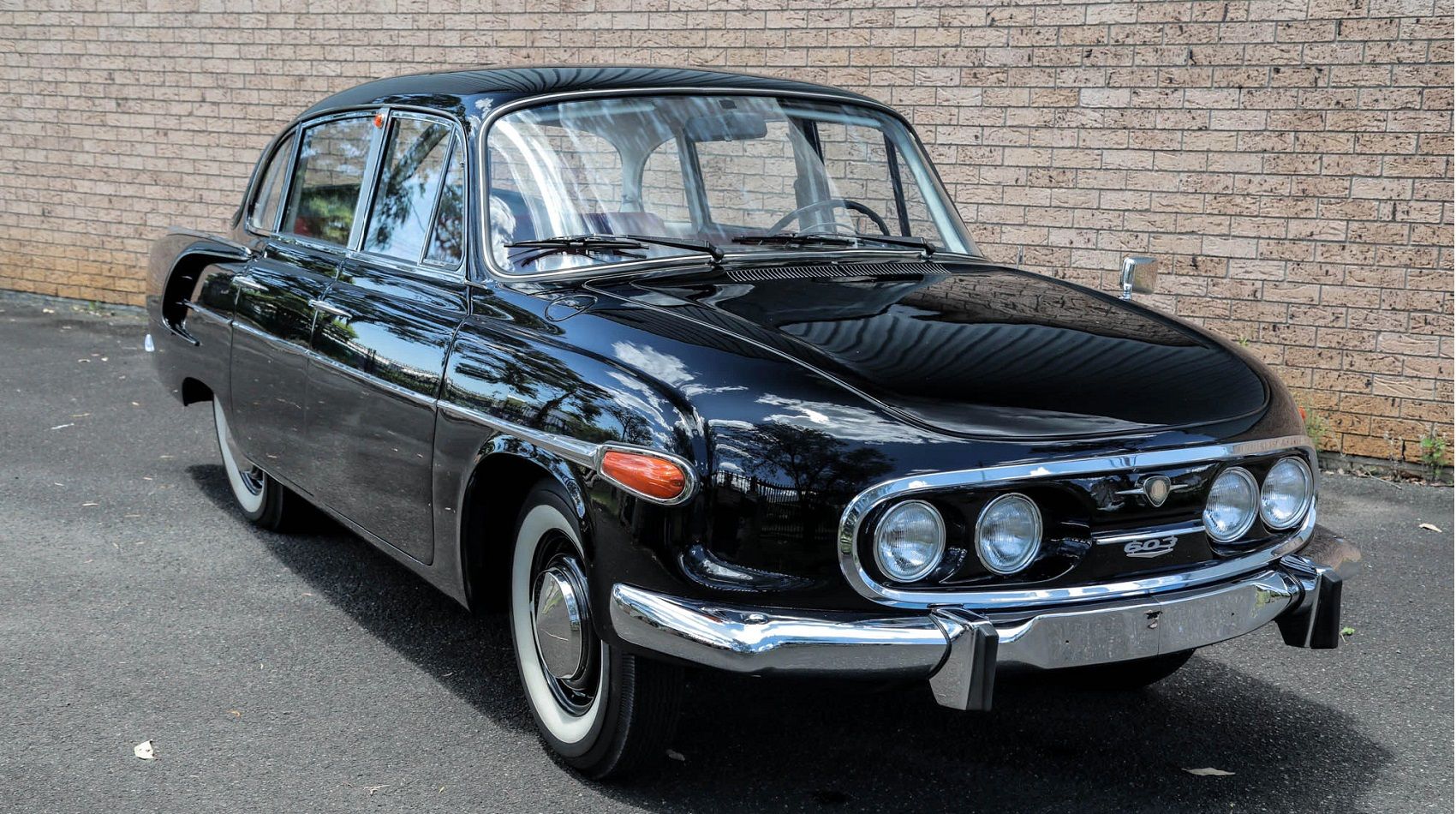
Modern sleeper cars—vehicles that combine high-performance powertrains with understated, mundane aesthetics—are absolutely worth the hype for enthusiasts who value functional performance over ostentatious design. By blending into traffic while offering supercar-rivaling acceleration and handling, these vehicles provide a unique utility-to-excitement ratio that remains highly sought after in the current 2026 automotive market.
Defining the Modern Sleeper
A sleeper car, colloquially known as a "Q-car," is defined by its ability to outperform expectations without drawing attention. In the modern era, this aesthetic is characterized by stock bodywork, factory-spec wheels, and a lack of aggressive spoilers, flared fenders, or oversized air intakes. The goal is simple: to look like a standard commuter vehicle while housing a sophisticated, high-output engine underneath the hood.
The hype surrounding these vehicles has grown as automotive design has trended toward aggressive, angular, and "loud" aesthetics. Many modern performance cars are designed to look fast even when parked, often adorned with fake vents and intricate aerodynamic elements. The modern sleeper serves as a direct, sophisticated antithesis to this trend.
The Engineering Appeal: Performance Without Pretense
The value of a sleeper lies in its engineering integrity. When manufacturers hide high-performance hardware inside a conservative shell, they are often catering to a specific buyer—someone who wants the thrill of a sports car without the professional or social stigma sometimes associated with "boy racer" styling.
Powertrain Sophistication
In 2026, the market is flush with forced-induction engines—turbocharged and supercharged powerplants—that allow for massive torque and horsepower gains with relatively minor software tuning. Because modern engine management systems are so advanced, a subtle sedan can be tuned to produce output levels once reserved for exotic supercars, all while remaining as reliable as a standard family vehicle for daily driving duties.
Handling and Chassis Dynamics
A true sleeper is not just about a powerful engine; it is about the chassis's ability to manage that power. Modern sleepers utilize adaptive damping systems, advanced all-wheel-drive (AWD) configurations, and torque-vectoring differentials. These components are often invisible to the casual observer but transform the driving experience, providing grip and poise that contradict the car’s dull exterior.
Comparative Value: Sleeper vs. Sports Car
To understand if these cars are worth the investment, it is helpful to compare them against traditional sports or supercar segments.
| Feature | Modern Sleeper | Exotic Sports Car |
|---|---|---|
| Attention | Low (Discrete) | High (Often polarizing) |
| Daily Utility | High (Family-friendly) | Low (Limited storage/space) |
| Insurance Cost | Moderate | Very High |
| Stealth Factor | Excellent | None |
| Maintenance | Factory-standard availability | Specialist/High-cost |
As shown in the table, the modern sleeper wins on practical metrics. For the buyer who needs a vehicle to transport family members or run errands on a Tuesday and still enjoy a spirited drive on a mountain road that following weekend, the sleeper is arguably the most efficient choice available.
Identifying the "Hype" Factors
Why has the interest in sleepers surged in recent years? Much of the credit goes to the democratization of tuning. With the rise of plug-and-play electronic control unit (ECU) flash tools, the barrier to entry for turning a standard-looking factory car into a sleeper has dropped significantly.
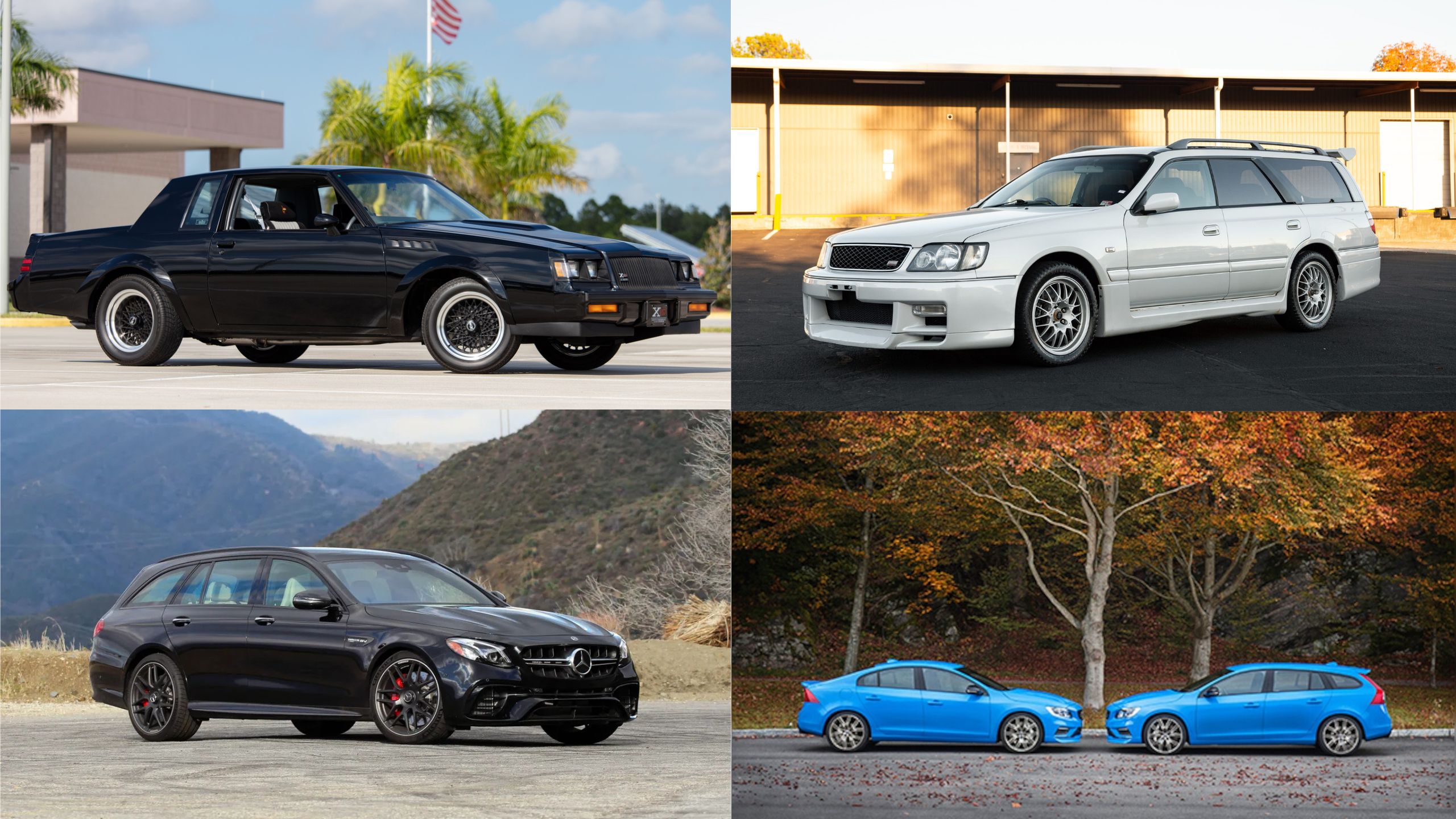
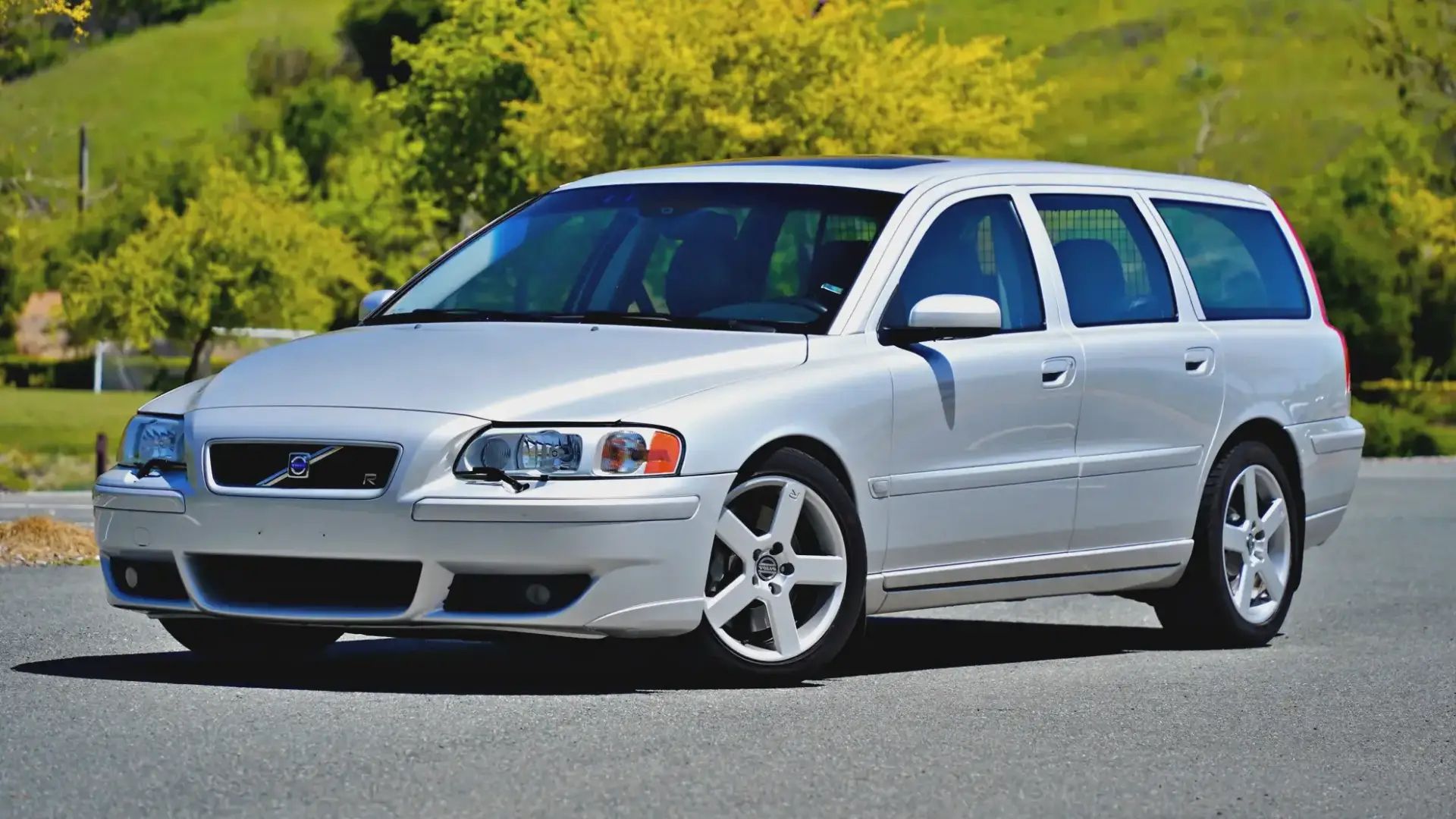
However, "hype" often carries a premium. Used models that have a reputation for being excellent platforms for sleepers—such as certain generations of the Audi S4, the Volvo V60 Polestar, or the older BMW M5 sedans—now command higher resale prices because the enthusiast community is aware of their hidden potential. The hype is "worth it" only if you acknowledge that you are paying for both the engineering baseline and the enthusiast tax associated with these models.
Potential Drawbacks and Considerations
While the allure is strong, there are realities to consider before pursuing a sleeper project or purchase.
Stealth vs. Safety
The very quality that makes a sleeper appealing—its ability to blend in—can occasionally be a drawback. Drivers of highly modified, fast sleepers often find that other motorists do not respect the vehicle’s performance capabilities. An aggressive driver might cut off a sleeper thinking it is a slow economy car, which can lead to precarious situations where the sleeper’s performance is needed to avoid an incident.
The Maintenance Mirage
There is a common misconception that because a car looks like a standard sedan, it costs the same to maintain. This is rarely the case. High-performance engines, even those hidden in mundane bodies, require high-performance maintenance. Frequent oil changes, specialized tires, and upgraded braking components are essential to keep these machines running at peak performance. If you purchase a car for its sleeper potential, you must be prepared for the financial commitment of maintaining the high-output internals.
Resale Value and Modifications
If you are building a sleeper, be aware that heavy modifications can significantly impact resale value. While you may view a swapped engine or a custom turbo setup as an upgrade, the average buyer may see it as a liability. If you intend to keep the car, this is not a concern, but if you are an investor or frequent trader, the "hype" may not translate to a profit upon sale.
The Future of the Sleeper in 2026
As the automotive industry shifts increasingly toward electrification, the definition of the sleeper is evolving. Electric vehicles (EVs) are natural sleepers. A four-door electric sedan can deliver sub-three-second 0-60 mph times with zero engine noise and no aggressive exhaust tips. This "silent speed" is perhaps the ultimate evolution of the sleeper concept. In 2026, we are seeing manufacturers lean into this, offering high-performance EV trims that look almost identical to their eco-friendly entry-level counterparts.
Frequently Asked Questions
Are modern sleepers more reliable than traditional sports cars?
Generally, yes. Because they are often derived from mass-produced platforms, the fundamental components—chassis, suspension, and interior—are designed for high-volume durability. While the powertrain is stressed, the overall build quality is typically higher than that of low-volume, handcrafted sports cars.
Is it cheaper to build a sleeper or buy one factory-made?
Buying a factory-made high-performance sedan (e.g., a BMW M3 or Mercedes-AMG C63) is usually more cost-effective than starting with a base model and upgrading everything to match. While base models are cheaper to purchase, the labor, parts, and tuning required to reach supercar performance often exceed the price of a top-tier factory performance model.
Do insurance companies charge more for sleeper cars?
Insurance companies rely on VIN (Vehicle Identification Number) data. If you are driving a factory-stock high-performance sedan, your rates will be calculated based on the car's performance tier. However, if you add significant aftermarket modifications, you must disclose them; otherwise, your coverage could be voided in the event of a claim.
What is the best starting point for a sleeper project?
Look for vehicles with robust blocks and existing performance versions. For instance, purchasing a mid-range trim of a vehicle that also features a high-performance variant ensures that the chassis and brakes are already engineered to handle higher power, providing a safer and more stable foundation for your build.
Are all sleepers manual transmissions?
While manual transmissions are favored by traditional enthusiasts for the tactile connection they provide, modern dual-clutch and high-performance automatic transmissions are often faster and more efficient at putting power to the ground. In 2026, the "best" sleeper often utilizes a sophisticated automatic gearbox to maximize launch capability.
Final Recommendation
If you are considering a modern sleeper, the best approach is to start with a vehicle that has a "hidden" top-tier trim level. By purchasing a high-performance version of an unassuming model, you benefit from factory-integrated performance upgrades that are engineered to work in harmony, rather than trying to replicate that balance through aftermarket parts.
Prioritize a platform with a strong community, readily available parts, and a reputation for long-term reliability. A well-maintained, subtle, and powerful sleeper offers a driving experience that feels exclusive and rewarding, justifying the hype for any driver who prioritizes the experience over the attention of bystanders.