It is a common misconception that lactose intolerance is a rare medical condition. In reality, the vast majority of the global adult population—approximately 65% to 70%—experiences some degree of reduced ability to digest lactose after infancy. While often perceived as a "disorder" in Western countries, low lactase persistence is the ancestral, physiological norm for humans.
The Physiology of Lactose Digestion
To understand why most humans are lactose intolerant, one must first look at the mechanism of milk digestion. Lactose is a disaccharide sugar found in milk, consisting of two smaller sugar molecules: glucose and galactose. For the body to absorb these nutrients, an enzyme called lactase must be produced in the small intestine to break the lactose down into its constituent parts.
During the first few years of life, nearly all humans produce high levels of lactase, as breast milk is the primary source of nutrition. In most mammals, the production of this enzyme naturally declines once an individual reaches the age of weaning. This process, known as "lactase non-persistence" or "lactase downregulation," is genetically programmed.
When an individual with low lactase levels consumes dairy products, the undigested lactose travels into the colon. In the colon, bacteria ferment the lactose, producing gases such as hydrogen, carbon dioxide, and methane, along with short-chain fatty acids. This process is what leads to the characteristic symptoms of lactose intolerance: bloating, flatulence, abdominal cramps, and diarrhea.
The Evolutionary Shift: Lactase Persistence
The minority of the global population who can comfortably digest lactose into adulthood—a trait known as "lactase persistence"—possess a specific genetic mutation. This mutation typically keeps the lactase gene "switched on" throughout adulthood.
Anthropological and genetic studies have revealed that this mutation emerged relatively recently in human history, approximately 7,500 to 10,000 years ago. It appeared in populations that began to rely heavily on pastoralism and the consumption of raw milk from domesticated animals. The ability to utilize the nutrients in milk provided a significant survival advantage during periods of famine or when other food sources were scarce.
This genetic trait became widespread in specific regions, particularly across Northern Europe and parts of the Middle East and East Africa, where dairy farming became a foundational aspect of the economy. Conversely, in regions where dairy farming was not historically practiced or was introduced much later, the frequency of the lactase persistence mutation remains very low.
Global Distribution and Demographics
Because lactase persistence is an evolved trait tied to specific historical agricultural practices, its prevalence varies drastically by geography and ethnicity. In some parts of Northern Europe, over 90% of the adult population is lactase persistent. In stark contrast, in many East Asian, Southeast Asian, and indigenous American populations, the rate of lactase non-persistence can exceed 90% to 95%.
It is important to note that lactose intolerance is not an "all or nothing" condition. It exists on a spectrum. Many individuals with lactase non-persistence still possess residual lactase activity, meaning they may be able to digest small amounts of lactose—such as the amount found in a splash of milk—without experiencing significant discomfort.
Prevalence of Lactase Non-Persistence by Region
| Region / Population Group | Estimated Rate of Non-Persistence |
|---|---|
| Northern Europeans | 5% – 15% |
| Middle Eastern / Mediterranean | 30% – 70% |
| South Asian | 50% – 80% |
| East Asian | 80% – 95% |
| West African / Caribbean | 70% – 90% |
| Native American | 80% – 100% |
Note: Percentages are estimates based on genetic population studies and vary by specific ethnic subgroup.
Distinguishing Intolerance from Allergy
A common point of confusion is the difference between lactose intolerance and a milk allergy. These are two distinct biological issues requiring different management strategies.
Lactose intolerance is a digestive system issue—the body simply lacks the enzyme to break down a specific sugar. It is generally not dangerous, though it can be uncomfortable. Management usually involves dietary adjustments, such as switching to lactose-free milk or using lactase enzyme supplements.
A milk allergy, conversely, is an immune system reaction to the proteins found in milk (such as casein or whey). This is a potentially serious condition that can trigger anaphylaxis, hives, or swelling. A person with a milk allergy must strictly avoid all dairy proteins, whereas someone with lactose intolerance can often consume dairy if the lactose has been enzymatically removed or if they utilize supplements.
Practical Management and Dietary Adjustments
For the majority of the human population living with some degree of lactose intolerance, managing the condition is a matter of practical daily choices. Because the condition is common, modern food systems offer significant flexibility.
1. Enzyme Replacement
Lactase enzyme supplements are available as over-the-counter tablets or capsules. When taken immediately before the first bite of a dairy-containing meal, these supplements provide the missing enzyme, allowing the digestive system to break down the lactose before it reaches the colon.
2. Lactose-Free Dairy Products
In 2026, the retail market offers a massive range of lactose-free dairy. These products are essentially real cow's milk that has been treated with the lactase enzyme during production. This process breaks the lactose down into glucose and galactose beforehand, making the milk taste slightly sweeter but retaining all the calcium, protein, and vitamins of standard dairy.
3. Fermented Dairy Products
Fermented dairy products, such as yogurt and certain aged cheeses (like cheddar or parmesan), are often better tolerated. During the fermentation process, the bacteria cultures (such as Lactobacillus) consume a significant portion of the lactose and convert it into lactic acid. Consequently, individuals with moderate intolerance often find they can eat these foods without distress.
4. Plant-Based Alternatives
The rapid growth of the plant-based beverage market provides numerous alternatives for those who choose to avoid dairy entirely. Options like almond, soy, oat, and coconut beverages are naturally lactose-free. When selecting these, it is advisable to check the nutrition label for protein and calcium content to ensure they are nutritionally comparable to cow's milk.
Common Myths and Misconceptions
Despite the widespread prevalence of the condition, several persistent myths continue to circulate in public discourse.
- Myth: Lactose intolerance is a "western" illness.
- Reality: It is actually the global physiological baseline. The idea that all adults "should" be able to digest milk is a regional bias stemming from historical populations that evolved lactase persistence.
- Myth: Avoiding dairy causes the body to lose the ability to digest it.
- Reality: While the gut microbiome can shift to accommodate more lactose if one gradually increases intake, this does not "cure" a genetic lack of lactase production.
- Myth: You cannot get enough calcium if you are lactose intolerant.
- Reality: Calcium is abundant in many non-dairy foods, including leafy green vegetables (like kale and bok choy), fortified plant milks, sardines, almonds, and tofu.
Professional Guidance and Medical Testing
If you suspect you have lactose intolerance, you do not necessarily need a formal diagnosis if your symptoms are mild and predictable. However, if your symptoms are severe, include blood in your stool, or involve unexplained weight loss, it is essential to consult a healthcare provider. These symptoms can mimic more serious conditions, such as Irritable Bowel Syndrome (IBS), celiac disease, or inflammatory bowel disease.
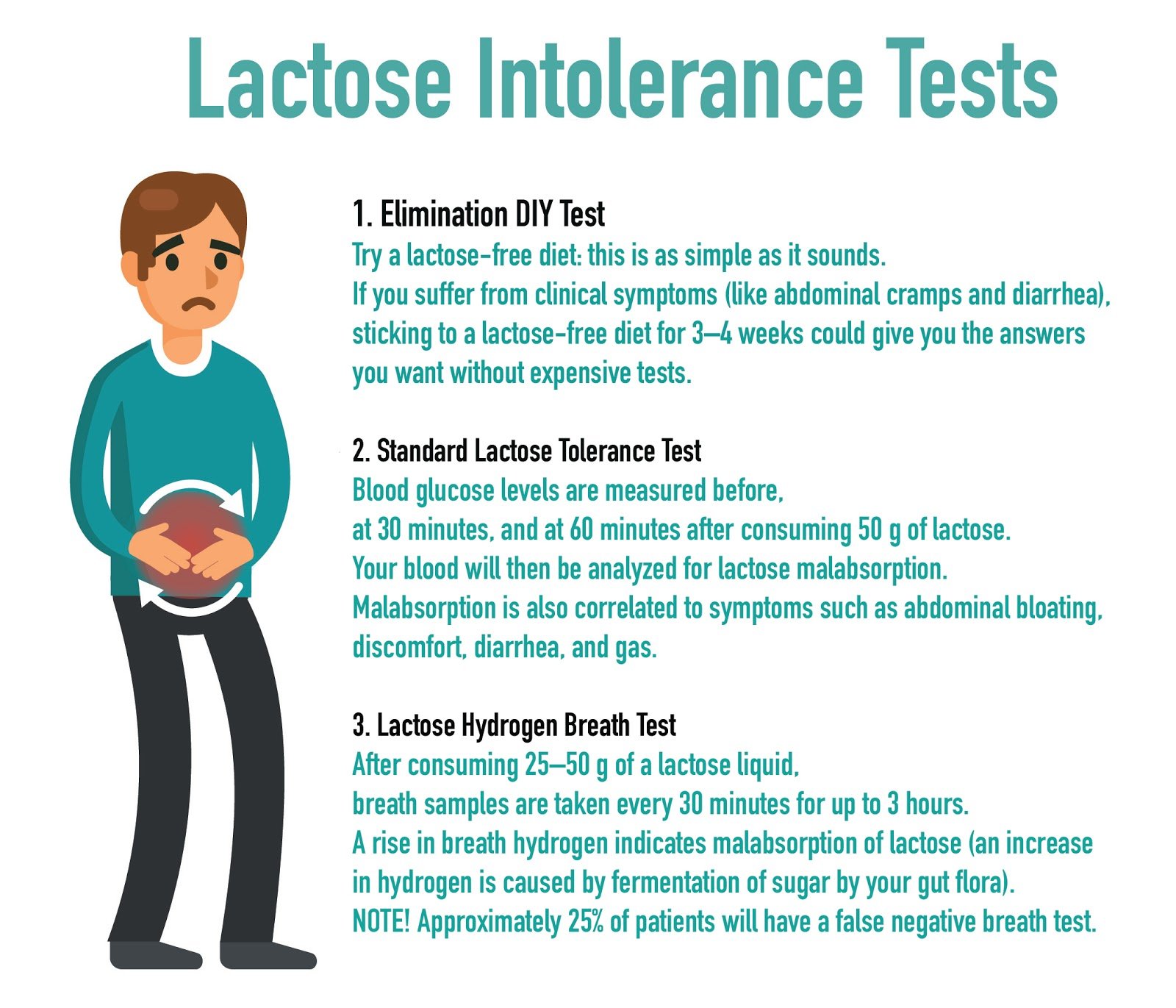
Medical professionals typically confirm lactose intolerance using two main tests:
- Hydrogen Breath Test: After consuming a drink containing a controlled amount of lactose, your breath is monitored for levels of hydrogen. High levels indicate that the lactose is being fermented by bacteria in the colon rather than being absorbed.
- Lactose Tolerance Test: This involves a blood test to measure how well your body absorbs lactose after a high-lactose meal. If your blood glucose levels do not rise, it indicates that the lactose was not properly broken down and absorbed.
For most people, the "self-test" of eliminating dairy for two weeks and monitoring for symptom improvement is the most common diagnostic route.
Summary and Next Steps
The fact that most of the world's population is lactose intolerant confirms that humans are not biologically "designed" to consume milk past the weaning stage. If you experience digestive discomfort after consuming dairy, you are part of the vast majority of human history.
To manage this, start by tracking your intake to see how much lactose you can tolerate without symptoms. If you find your limit, look for lactose-free versions of your favorite dairy items, or keep lactase supplements on hand for social situations or meals where you know dairy will be present. For those seeking to avoid dairy entirely, ensure that your diet includes alternative sources of calcium and Vitamin D to maintain bone health.