Navy Federal Credit Union (NFCU) cards are widely regarded as competitive options for eligible members, primarily due to their low-interest rates, absence of many common industry fees, and a focus on serving the military community. Whether a specific card is "worth it" depends on your financial behavior, your ability to maximize rewards programs, and your specific eligibility status as a member of the armed forces, Department of Defense, veterans, or their immediate family members.
To determine if these products provide actual value, one must look beyond the credit union’s reputation and examine the structure of their lending products. Navy Federal functions as a not-for-profit credit union, meaning they are incentivized to provide value to their members rather than dividends to shareholders. This structural difference often manifests in lower APRs, no foreign transaction fees on several products, and a lack of balance transfer or cash advance fees. However, like any credit product, the true worth is contingent upon your ability to manage the account responsibly and align the card’s features with your personal spending habits.
Understanding the Navy Federal Membership Requirement
Before evaluating the credit cards themselves, it is critical to address the barrier to entry: membership. Unlike traditional national banks, Navy Federal is a restricted-access institution. Eligibility is limited to military service members, veterans, retirees, Department of Defense civilians, and certain family members.
If you are not within this circle of eligibility, these cards are inherently not "worth it" because they are inaccessible. However, for those who qualify, the membership provides a gateway to financial products that often outperform commercial counterparts in terms of cost-effectiveness. The credit union’s member-centric model is the primary driver behind the consistent lack of penalty APRs and lower-than-average annual percentage rates across their credit portfolio.
The Financial Mechanics: Why NFCU Cards Often Edge Out Competition
The "worth" of a credit card is usually measured by a balance of three factors: costs (interest and fees), convenience, and rewards. Navy Federal distinguishes itself primarily in the cost category. Many of their cards, such as the nRewards Secured or the CashRewards, are designed to minimize the friction of borrowing.
- Fee Structure: Many issuers charge for balance transfers, cash advances, or foreign transactions. Navy Federal consistently avoids these on many of their core products. For instance, the absence of foreign transaction fees is a significant advantage for service members who may be stationed overseas or travel frequently.
- Interest Rate Sensitivity: Because the credit union is non-profit, they can maintain a lower spread on interest rates. While this does not mean they offer sub-prime rates to individuals with poor credit, their standard APRs are often several percentage points lower than the national average for commercial credit cards.
- No Penalty APRs: Perhaps the most consumer-friendly feature is the general absence of penalty APRs. With most commercial banks, missing a single payment can trigger a default interest rate that significantly increases your debt load. Navy Federal’s approach provides a safety net that is rare in the current financial landscape of 2026.
Assessing the Rewards Ecosystem
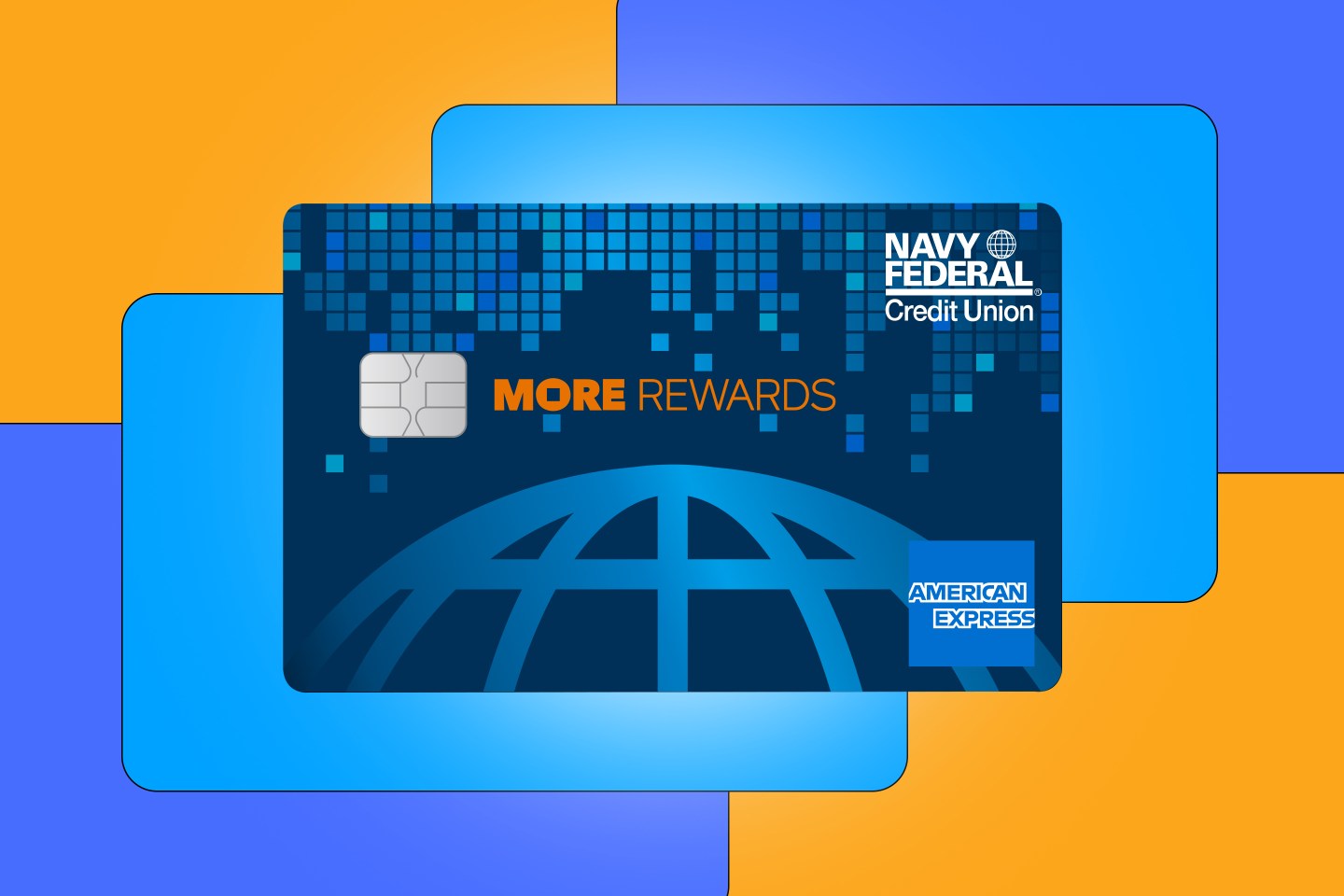
While cost savings are excellent, many consumers prioritize rewards—cash back, travel points, or store-specific discounts. Navy Federal offers a tiered system, ranging from basic cash-back cards to premium travel cards like the Flagship Rewards.
- Cash Back: Cards like the
CashRewardsoffer a consistent percentage back on all purchases. For the average consumer who does not want to manage categories, this is a "set it and forget it" value proposition. - Travel Rewards: The
Flagship Rewardscard provides higher earning potential on travel and entertainment but usually carries an annual fee. To determine if this is "worth it," you must calculate your annual travel spend. If your rewards earnings (minus the annual fee) exceed the earnings you would receive from a free card, then the fee is justified. - Points Redemption: One potential limitation is the redemption ecosystem. While flexible, it may not always offer the same high-end airline transfer partners as some of the most exclusive travel-specific credit cards found at major global banks. Users who are "points hobbyists" may find the rewards system straightforward but somewhat less lucrative for high-stakes travel hacking compared to top-tier commercial rewards cards.
Comparative Analysis: Navy Federal vs. Commercial Issuers
When weighing the value of a Navy Federal card, compare it against your current options. The following table summarizes the typical trade-offs encountered in 2026.
| Feature | Navy Federal Credit Union | Typical Commercial Bank |
|---|---|---|
| Annual Fees | Often low or zero | Highly variable; frequent high-tier fees |
| Penalty APR | Generally not applied | Common after missed payments |
| Balance Transfer Fees | None or minimal | Usually 3% to 5% |
| Membership | Restricted to qualified groups | Open to the general public |
| Customer Service | Highly rated for military focus | Variable; often automated |
| Foreign Transaction Fees | Zero on most major cards | 3% on many standard cards |
Prerequisites for Success
To derive genuine value from these cards, you must be in a position to utilize them correctly. These cards are not "worth it" if you fall into the trap of high-interest revolving debt. Because the cards offer competitive interest rates, there is a psychological tendency for some to carry a balance. Even at a lower rate, the cost of credit card interest compounds quickly.
Before applying, ensure you have:
- A verified membership status: Keep your service records or eligibility documentation accessible.
- A clear budget: Define whether you are looking for a cash-back instrument or a tool to help consolidate high-interest debt from other sources.
- Credit health monitoring: While Navy Federal is generally more lenient than some commercial banks, your credit score still dictates your approval and your assigned APR.
Common Pitfalls and Troubleshooting
Users sometimes find that they are approved for a lower credit limit than they expected. This is a standard risk-management practice by the credit union. If you find your limit is restrictive, it does not mean the card is not worth it; rather, it suggests a need for a "credit-building" phase. Use the card for small, consistent purchases and pay the full balance monthly. Over 6 to 12 months, this activity typically leads to automatic or requested limit increases.
Another common issue involves the mobile app and online portal. While robust, some users transitioning from high-tech fintech startups might find the interface slightly less "modern." If your priority is user-interface design above financial cost-savings, this may be a point of friction, though the functional backend remains highly reliable.
Frequently Asked Questions
Are Navy Federal cards better for building credit than commercial cards?
Yes, for those who qualify, the nRewards Secured card is an excellent tool. It allows you to build credit with the backing of a reputable financial institution that is less likely to impose predatory fees compared to subprime card issuers targeting those with low credit scores.
Do I lose my card if I leave the military? No. Once you establish membership at Navy Federal, you generally maintain that membership for life, regardless of changes in your military status. Your credit card account remains active provided you adhere to the terms of the cardholder agreement.
How does the Navy Federal rewards program compare to premium travel cards? NFCU rewards are designed for simplicity and value. While they may lack the extreme perks (like ultra-luxury lounge access or specialized airline transfer partners) found on premium commercial cards with $500+ annual fees, they offer a solid, reliable return that is often more cost-effective for the average service member.
Is there a benefit to having both a checking account and a credit card at NFCU? Absolutely. Managing your credit card payments within the same ecosystem as your checking account ensures that payments are instantaneous and less likely to be delayed by inter-bank transfer times. This synchronization reduces the risk of accidental late payments.
Strategic Recommendation
If you meet the eligibility criteria, Navy Federal credit cards are definitively "worth it" for the vast majority of members, especially those who value low-cost borrowing, an absence of penalty fees, and stable, long-term financial management.
To maximize the value of these cards:
- Select the card that aligns with your primary goal (e.g., the
CashRewardsfor daily spending or theFlagshipfor travel). - Set up an automatic payment schedule for the full statement balance to avoid interest entirely.
- Monitor the "Member Deals" portal within the app, as this can provide additional cash-back offers on purchases you were planning to make anyway.
If you are currently carrying debt on high-interest commercial cards, consider looking at a Navy Federal balance transfer offer. The combination of lower APRs and the frequent absence of balance transfer fees can save you hundreds, if not thousands, of dollars in interest over the course of your repayment period.