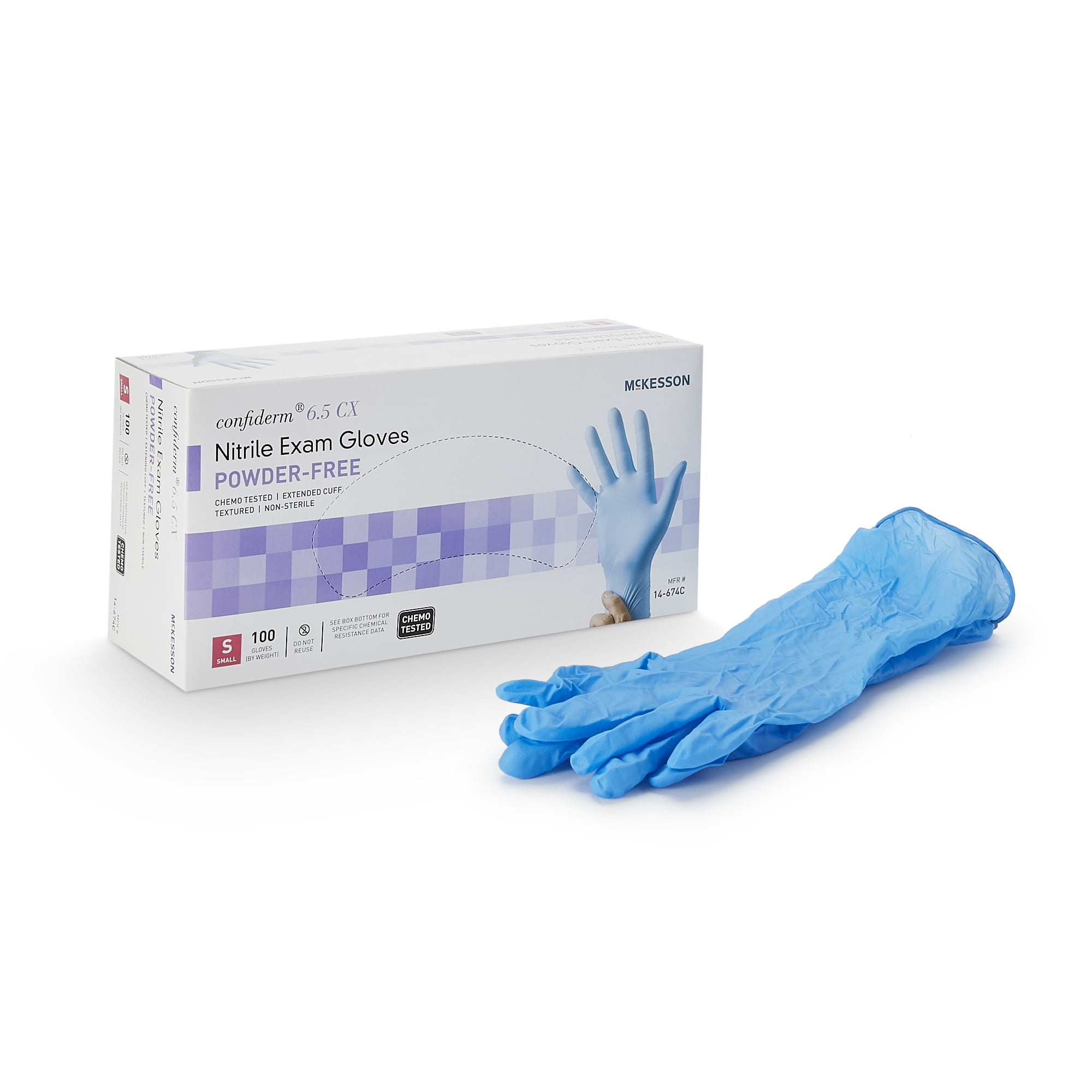
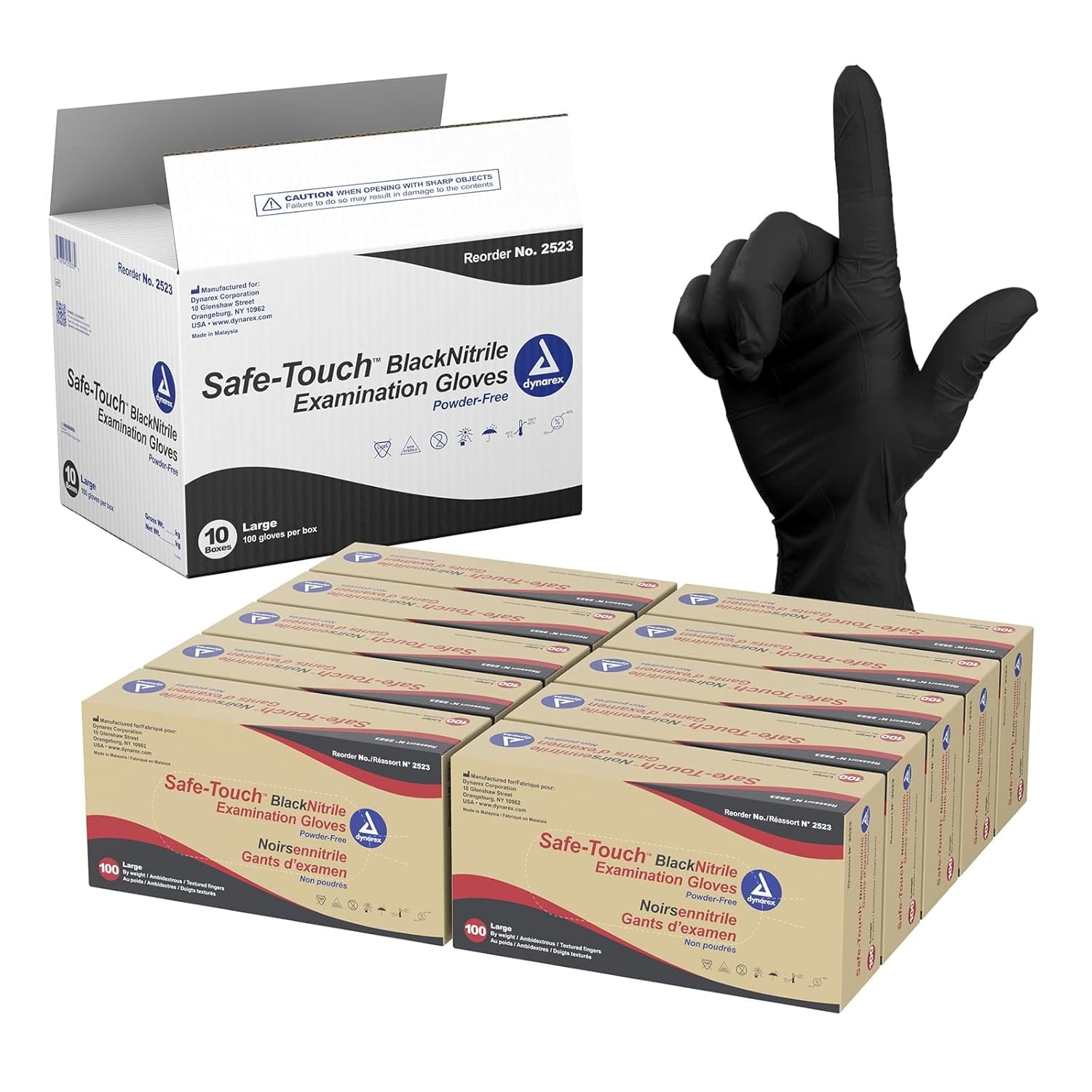
Nitrile gloves are considered a safe and highly effective choice for mold remediation, as they provide an excellent chemical and biological barrier against common indoor molds. These gloves offer superior puncture resistance compared to latex or vinyl alternatives and are free from natural rubber proteins, significantly reducing the risk of allergic reactions for the user.
Mold remediation involves the physical removal, cleaning, or disposal of materials contaminated with fungal growth. Because mold spores, fragments, and associated mycotoxins can cause respiratory distress, skin irritation, and allergic reactions, the selection of appropriate Personal Protective Equipment (PPE) is critical. While gloves are only one component of a comprehensive safety ensemble, they serve as the primary defense for your hands during the handling of porous and non-porous materials.
Understanding the Properties of Nitrile Gloves
Nitrile is a synthetic copolymer, specifically a combination of acrylonitrile and butadiene. In the context of industrial and residential cleaning, its material properties make it an industry standard. Unlike latex, which is derived from natural rubber sap, nitrile is entirely synthetic. This difference is vital for safety, as many individuals possess latex sensitivities that could lead to contact dermatitis or severe allergic responses if gloves were to tear during a project.
Nitrile gloves provide a high degree of "tactile sensitivity," allowing you to maintain dexterity while handling cleaning tools, scrubbing brushes, or mold-contaminated materials. In the context of mold, the primary objective of a glove is to prevent direct skin contact with the fungal colony, which may contain bacteria and other secondary contaminants. The non-porous nature of the nitrile material prevents mold spores from penetrating the glove, provided the glove remains intact.
Why Nitrile Outperforms Alternatives in Remediation
When selecting gear for mold remediation, you will likely encounter three primary types of disposable gloves: latex, vinyl, and nitrile. Comparing these materials helps clarify why nitrile is the preferred choice for safety professionals.
Comparison of Disposable Glove Materials
| Feature | Nitrile | Latex | Vinyl |
|---|---|---|---|
| Puncture Resistance | Excellent | Moderate | Low |
| Chemical Resistance | High | Low/Moderate | Low |
| Allergy Risk | Minimal | High | Minimal |
| Tactile Sensitivity | High | High | Low |
| Mold/Mildew Barrier | Superior | Good | Adequate |
As shown in the table, vinyl gloves tend to be brittle and prone to tearing when subjected to the physical strain of scrubbing or moving debris. Latex offers good elasticity but presents a significant allergy risk, which is often magnified in a high-stress, high-sweat environment like a mold-remediation site. Nitrile bridges the gap by offering the durability required for construction-adjacent work while maintaining the flexibility of a thin, protective layer.
The Role of Glove Thickness and Length
For mold remediation, standard "exam-grade" gloves are often too thin. If you are cleaning a significant area, you should look for nitrile gloves rated by mil thickness (1 mil = 0.001 inches).
For general cleaning—such as wiping down a hard surface with a detergent—a 4-mil to 5-mil glove is usually sufficient. However, if you are handling debris, removing drywall, or dealing with damp insulation, you should utilize a "heavy-duty" nitrile glove (typically 6-mil to 8-mil thickness). These thicker gloves are less prone to snagging on wood splinters, nails, or rough masonry.
Additionally, consider the cuff length. Standard disposable gloves often end at the wrist. For mold remediation, it is advisable to wear gloves with an extended cuff or pair the gloves with long-sleeved protective coveralls (such as those made from Tyvek). By tucking your glove cuffs into the sleeve of your protective suit, you ensure that no skin is exposed to the air during the removal process.
Essential Safety Protocols for Handling Mold
Nitrile gloves are only as safe as the wearer’s technique. Proper donning and doffing (putting on and taking off) procedures are essential to ensure that you do not cross-contaminate your skin or clothing during the cleanup process.
The "Double-Gloving" Method
In high-spore-count environments—such as areas with heavy visible fungal growth or where there is significant water damage—professionals often use the double-gloving technique. This involves wearing two pairs of gloves simultaneously. If the outer layer is punctured or becomes heavily soiled, you can remove it while remaining protected by the inner layer. This method is particularly useful when working in tight spaces where you cannot easily stop to wash your hands or replace contaminated gear.
Doffing Procedures to Prevent Exposure
The most common mistake during mold remediation occurs during the removal of PPE. If you pull a contaminated glove off by grasping the outside, you risk releasing dormant spores into the air or spreading them onto your skin.
- Pinch the exterior of the first glove near the wrist, being careful not to touch your skin.
- Peel the glove downward and away from your body, turning it inside out as you remove it.
- Hold the removed, contaminated glove in your gloved hand.
- Slide your bare finger inside the cuff of the second glove and peel it off inside out, so that the first glove is trapped inside the second.
- Dispose of the bundle immediately in a sealed heavy-duty plastic bag.
Limitations of Nitrile Gloves in Mold Remediation
While nitrile gloves are safe and effective, they are not a "total solution" for personal safety. Mold remediation is a hazardous task that requires a layered approach. Nitrile gloves provide no respiratory protection. If you are cleaning mold, you must prioritize the use of a respirator (N95 or P100, depending on the scale of the mold infestation) and eye protection (goggles).
If you are working with industrial-grade mold killers or biocides—such as high-concentration hydrogen peroxide, bleach, or quaternary ammonium compounds—always verify the chemical resistance of your nitrile gloves. While nitrile resists many chemicals, some specialized industrial cleaners may degrade certain brands of disposable nitrile. Check the manufacturer's Technical Data Sheet (TDS) if you are working with potent chemicals, as you may require thicker, chemical-resistant gauntlet-style gloves.
Common Mistakes to Avoid
Many homeowners or inexperienced contractors commit errors that render their PPE ineffective:
- Reuse: Never attempt to wash or sanitize disposable nitrile gloves for reuse. The material integrity is compromised once used, and the risk of microscopic tears increases significantly.
- Over-filling the glove: Choosing a size that is too small puts excessive tension on the material, leading to early failure. Always select a size that allows for a comfortable fit with room to move.
- Touching the face: A subconscious habit in a contaminated environment is wiping sweat from the forehead. This is the primary way spores transition from the exterior of your glove to your mucus membranes.
- Lack of Barrier Integration: Failing to seal the gap between the glove and the sleeve allows mold spores to travel up your forearm. Use duct tape or high-quality elastic bands if your suit does not have a secure fit.
When to Seek Professional Assistance
There are scenarios where simply wearing gloves and a mask is insufficient. The Environmental Protection Agency (EPA) generally recommends that if the area of mold contamination is greater than 10 square feet, professional remediation services should be considered. Professionals have access to industrial air scrubbers, HEPA-filtered vacuums, and negative air pressure containment systems that far exceed the protection provided by basic nitrile gloves. If the mold is growing inside HVAC systems, behind drywall in large quantities, or is the result of sewage backup, the primary threat is not just skin contact but airborne contamination that requires specialized containment beyond standard DIY capability.
Frequently Asked Questions
Do I need to wear gloves even for small patches of mold?
Yes. Even if you are dealing with a small area, such as a bathroom corner or window sill, you should wear gloves. Mold can contain bacteria, and skin contact can lead to irritation or allergic reactions in sensitive individuals. Nitrile gloves provide a simple, cost-effective barrier that prevents this exposure.
Can I wash nitrile gloves and use them again?
No. Disposable nitrile gloves are designed for single use. The physical process of cleaning mold subjects the gloves to friction and potential punctures. Attempting to wash them can introduce tears or compromise the material, and you risk contaminating your cleaning supplies or the sink area with mold spores.
Are powder-free gloves better for mold remediation?
Yes. Powdered gloves can aerosolize particles when removed, which is counterproductive when working in an environment where you are already trying to keep airborne mold spores to a minimum. Always choose powder-free, nitrile, exam-grade gloves to ensure safety and comfort.
How do I know if the nitrile gloves are failing during the job?
Regularly inspect your gloves for "tackiness," color changes, or visible tearing. If you feel moisture on your skin or observe the material thinning, stop immediately, safely remove your PPE, and replace the gloves. Constant "snag checks" are part of the standard operating procedure in professional remediation.
Are there specific brands recommended for mold work?
There is no single "best" brand, but look for reputable manufacturers that supply the medical and industrial sectors. Ensure the gloves are FDA-cleared for medical use if you want the highest assurance of consistency in quality and thickness. Avoid generic, non-rated "food service" gloves, as they often lack the puncture resistance required for construction work.
Final Recommendations
When preparing for a mold remediation project, prioritize the use of high-quality, powder-free, nitrile gloves with at least a 5-mil thickness. Treat these gloves as a consumable item—have a box of 100 on hand, and change them frequently, especially if you move from a highly contaminated area to a cleaner one.
While nitrile gloves are an essential component of your safety toolkit, remember that they protect only your hands. Combine them with a properly fitted N95 or P100 respirator, eye protection, and disposable coveralls to create a full barrier against mold exposure. If at any point you feel that the mold infestation is overwhelming or you develop persistent respiratory symptoms, cease work and consult a professional certified in mold assessment and remediation.