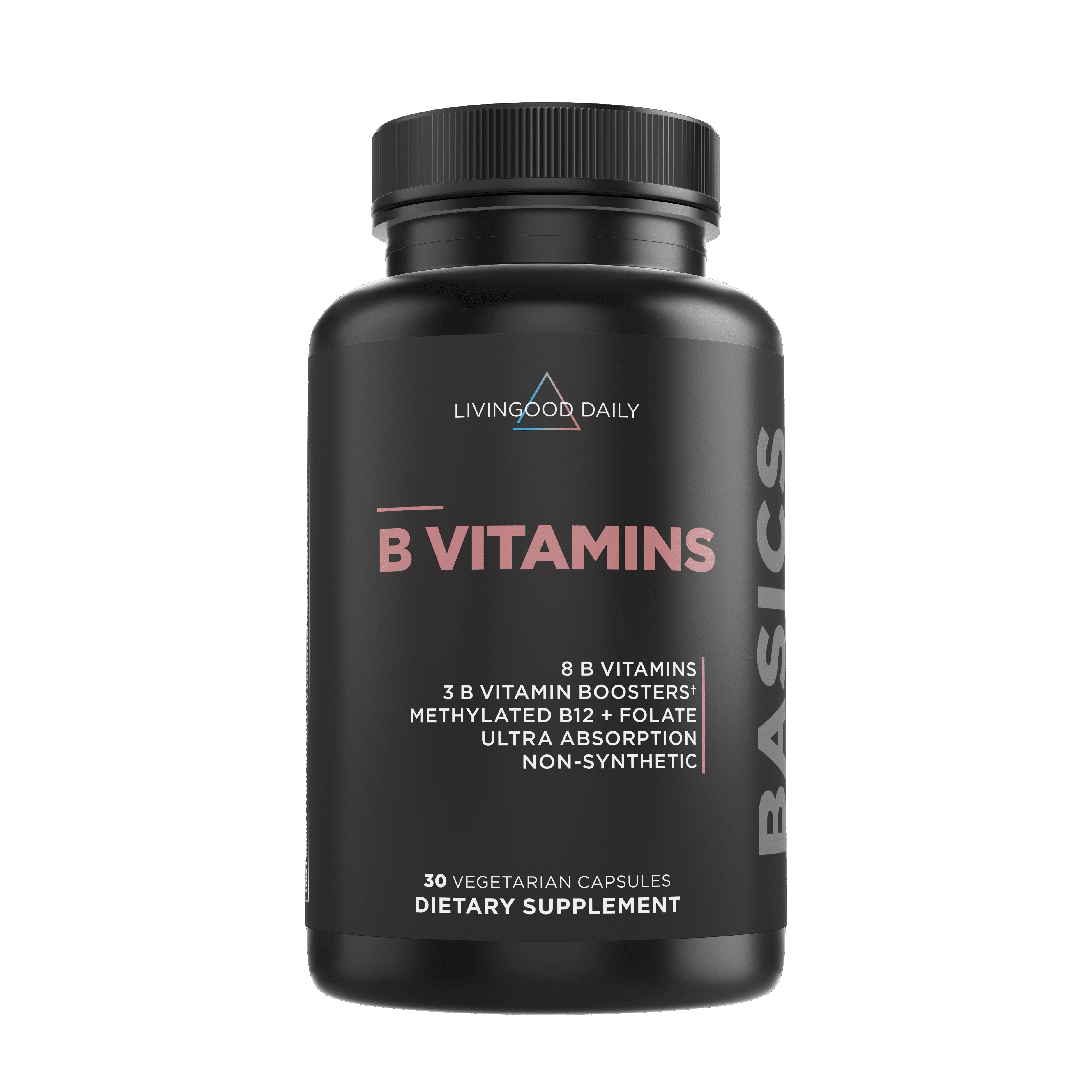
Choosing between synthetic and food-derived or "non-synthetic" B vitamins involves navigating complex chemical nomenclature and understanding how the human body metabolizes different forms of nutrients. While the term "non-synthetic" often implies a more natural or superior product, the reality is that the body’s physiological requirement is for the specific molecular structure of the vitamin, regardless of whether that structure was synthesized in a laboratory or isolated from a plant or yeast source. For most individuals, the decision rests on personal preferences regarding ingredient purity, potential co-factors found in food matrices, and the cost-to-benefit ratio of premium supplementation.
Understanding the Synthetic vs. Non-Synthetic Distinction
In the context of nutritional biochemistry, "synthetic" refers to vitamins produced through chemical synthesis in a laboratory, often starting from petroleum-based precursors. These are highly refined molecules designed to be chemically identical—or biologically active—versions of the vitamins found in nature. For instance, synthetic cyanocobalamin is the most common form of Vitamin B12 found in standard multivitamin formulations.
"Non-synthetic" or "whole-food-derived" B vitamins are typically produced by cultivating yeast (such as Saccharomyces cerevisiae) or bacteria in a nutrient-rich medium. The microbes absorb the vitamins and incorporate them into their own cell structures. When these organisms are harvested and processed into a supplement, the vitamins are technically part of a biological matrix rather than isolated, purified chemicals.
The primary argument for non-synthetic options is that these vitamins exist alongside the peptides, enzymes, and phytonutrients naturally found in the source organism. Proponents suggest that this "food matrix" improves absorption and reduces the metabolic burden on the body. However, from a strictly chemical standpoint, once a nutrient reaches the bloodstream, the body treats the molecular structure identically, provided the chemical form is bioavailable.
Bioavailability and Molecular Forms
A crucial point of confusion in the supplement market is the difference between "natural/synthetic" status and "bioavailable" chemical forms. Regardless of whether a B vitamin is synthesized or derived from food, it must be in a form the body can utilize.
For example, Vitamin B9 (folate) exists as folic acid in many synthetic supplements. This is an oxidized form that the human body does not use directly; it must be converted into 5-methyltetrahydrofolate (5-MTHF) via the enzyme MTHFR. Some people have genetic variations that make this conversion process inefficient. Therefore, even if a supplement is "non-synthetic" (e.g., folate from lemon peel extract), the true value is determined by whether it provides a metabolically ready form that bypasses potential enzymatic bottlenecks.
Key Bioavailable Forms to Watch For:
- Vitamin B12: Methylcobalamin or Adenosylcobalamin (preferred over Cyanocobalamin).
- Vitamin B6: Pyridoxal-5-Phosphate (P5P) (preferred over Pyridoxine Hydrochloride).
- Vitamin B9: 5-Methyltetrahydrofolate (5-MTHF) (preferred over Folic Acid).
When evaluating if a non-synthetic B vitamin is "worth it," you must look past the source and examine the label for these specific, active chemical forms.
The Role of Co-Factors and the Food Matrix
When you consume B vitamins through whole foods like leafy greens, liver, eggs, or legumes, you are ingesting a complex array of compounds. Research in nutritional science often points to the "entourage effect," where the combination of fiber, minerals, and antioxidants in whole foods facilitates better absorption and utilization of vitamins.
Non-synthetic supplements made from yeast or fruit concentrates attempt to mimic this. Because these supplements contain traces of the original organism’s proteins and lipids, some consumers find them easier to digest. Individuals with sensitive gastrointestinal tracts often report less nausea or bloating with food-derived B complexes compared to high-dose synthetic isolated vitamins, which can be harsh on an empty stomach.
However, the concentration of these co-factors in a typical supplement capsule is often quite low compared to what one would consume in a full serving of whole food. If you are seeking the benefits of a "food matrix," the most effective strategy remains consuming a balanced diet rich in micronutrients rather than relying solely on high-priced supplements.
Comparative Overview: Synthetic vs. Food-Derived B Vitamins
| Feature | Synthetic B Vitamins | Non-Synthetic (Food-Derived) |
|---|---|---|
| Cost | Generally lower | Higher due to production complexity |
| Bioavailability | Depends on the chemical form used | Often high, but varies by extraction process |
| Purity | Extremely high; highly standardized | Contains traces of the source organism |
| Dosage | Easy to reach therapeutic "mega-doses" | Usually lower, reflecting natural concentrations |
| Digestibility | Can be harsh; may cause stomach upset | Generally gentler on the GI tract |
Is the Price Premium Justified?
The cost of non-synthetic B vitamins is often significantly higher than their synthetic counterparts. This is due to the labor-intensive cultivation, harvesting, and processing required to create the vitamin-rich yeast or plant extracts.
From a clinical utility standpoint, these products are rarely "worth it" if you are simply looking to correct a diagnosed deficiency. In cases of clinical anemia, neurological issues related to B12 deficiency, or severe folate deficiency, physicians typically prescribe high-dose, standardized pharmaceutical-grade supplements. These are almost always synthetic because the precision of the dosage is paramount.
The premium price is justified primarily for the consumer who:
- Has a history of gastric sensitivity: If synthetic vitamins cause nausea, the milder nature of food-derived versions can improve supplement adherence.
- Values ingredient provenance: For those who prefer avoiding petroleum-derived inputs or chemical processing agents, the "whole-food" label provides peace of mind.
- Seeks "Nutrient Insurance": If the goal is general wellness rather than treating a deficiency, the lower, more physiological doses found in food-derived products may feel safer to the consumer than the high-potency "megadose" synthetic alternatives.
Potential Downsides of Non-Synthetic Supplements
While the marketing for non-synthetic vitamins is often very persuasive, there are two distinct areas of concern. First, because they are derived from biological sources like yeast or specific plants, the risk of allergic reaction exists for sensitive individuals. If a product is cultured on a medium containing soy, corn, or gluten, cross-contamination is a possibility that would not exist with a pure synthetic powder.
Second, the consistency of dosage can be a challenge. Synthetic vitamins are produced in a lab to exacting standards where 10mg of a vitamin is exactly 10mg. Non-synthetic products rely on the biological output of the source organism, which can vary slightly between batches. While reputable manufacturers test their products to ensure compliance with label claims, the inherent variance in natural raw materials makes precise dosing more difficult to guarantee compared to standardized lab-produced chemicals.
Establishing a Practical Approach
To determine whether you should invest in non-synthetic B vitamins, start by assessing your personal health goals and your current diet. If you already consume a diverse diet, you may not need a high-dose B-complex at all. If you are a vegan or vegetarian, Vitamin B12 is essential; in this case, the most important factor is the bioavailable form (e.g., Methylcobalamin), not necessarily the "natural" origin of the supplement.
A Decision-Making Framework:
- Identify the Requirement: Are you treating a deficiency, or providing daily support? For deficiencies, prioritize the chemical form (e.g., MTHF) over the source.
- Evaluate Tolerance: Do you experience digestive distress with standard vitamins? If yes, look for food-based or "whole-food" cultured vitamins.
- Audit the Label: Ignore the marketing on the front of the bottle. Turn it over and look at the "Supplement Facts." Does it specify the active forms of the vitamins?
- Consider the Source: Are you allergic to any potential substrates (yeast, corn, soy) used in the growing process?
Frequently Asked Questions
1. Do non-synthetic B vitamins absorb better than synthetic ones? Not necessarily. The body recognizes the molecular structure of the vitamin, not its history. If a synthetic supplement uses a highly bioavailable form (like P5P or 5-MTHF), it will be absorbed just as effectively—if not more so—than a less-refined food-derived version. The "better absorption" claim usually refers to the food matrix effect, which is most beneficial when consumed through whole foods rather than encapsulated supplements.
2. Should I choose synthetic if I am on a budget? Yes. If your primary goal is to address nutritional gaps or maintain standard B-vitamin levels, high-quality synthetic B-complexes provide excellent value. Focus on finding a brand that third-party tests for purity and uses active, methylated forms of B12 and folate. You do not need to pay a premium for "food-derived" labels to achieve the same physiological outcome.
3. Are synthetic vitamins toxic? No. Synthetic vitamins are chemically identical to those found in nature. The toxicity risk associated with B vitamins is generally related to "megadosing"—taking doses hundreds or thousands of times higher than the Daily Value—regardless of whether they are synthetic or natural. Always adhere to recommended dosage limits unless directed otherwise by a healthcare professional.
4. How do I know if my B vitamins are "active"? Check the ingredient list. If the label says "Cyanocobalamin," it is an inactive synthetic form that requires conversion. If it says "Methylcobalamin," it is the active, methylated form. Similarly, look for "5-MTHF" for folate rather than "Folic Acid." These designations are more important for your health than whether the base material is synthesized or food-grown.
Next Steps for Supplement Selection
If you have decided that you require supplementation, start by verifying your status with a blood test if you suspect a deficiency. This prevents the unnecessary expense of supplements that you may not require and helps identify the exact vitamins you need.
When you head to the store or shop online, prioritize the chemical form of the vitamins on the back label. If you choose a non-synthetic option, ensure the manufacturer provides a certificate of analysis (COA) confirming the levels of the B vitamins, as biological variance in these products can be high. Finally, start with a lower dose; the body excretes excess water-soluble B vitamins in urine, meaning that massive, expensive doses are often simply "flushed away." Focus on consistency and quality of the specific molecule rather than the buzzwords on the label.