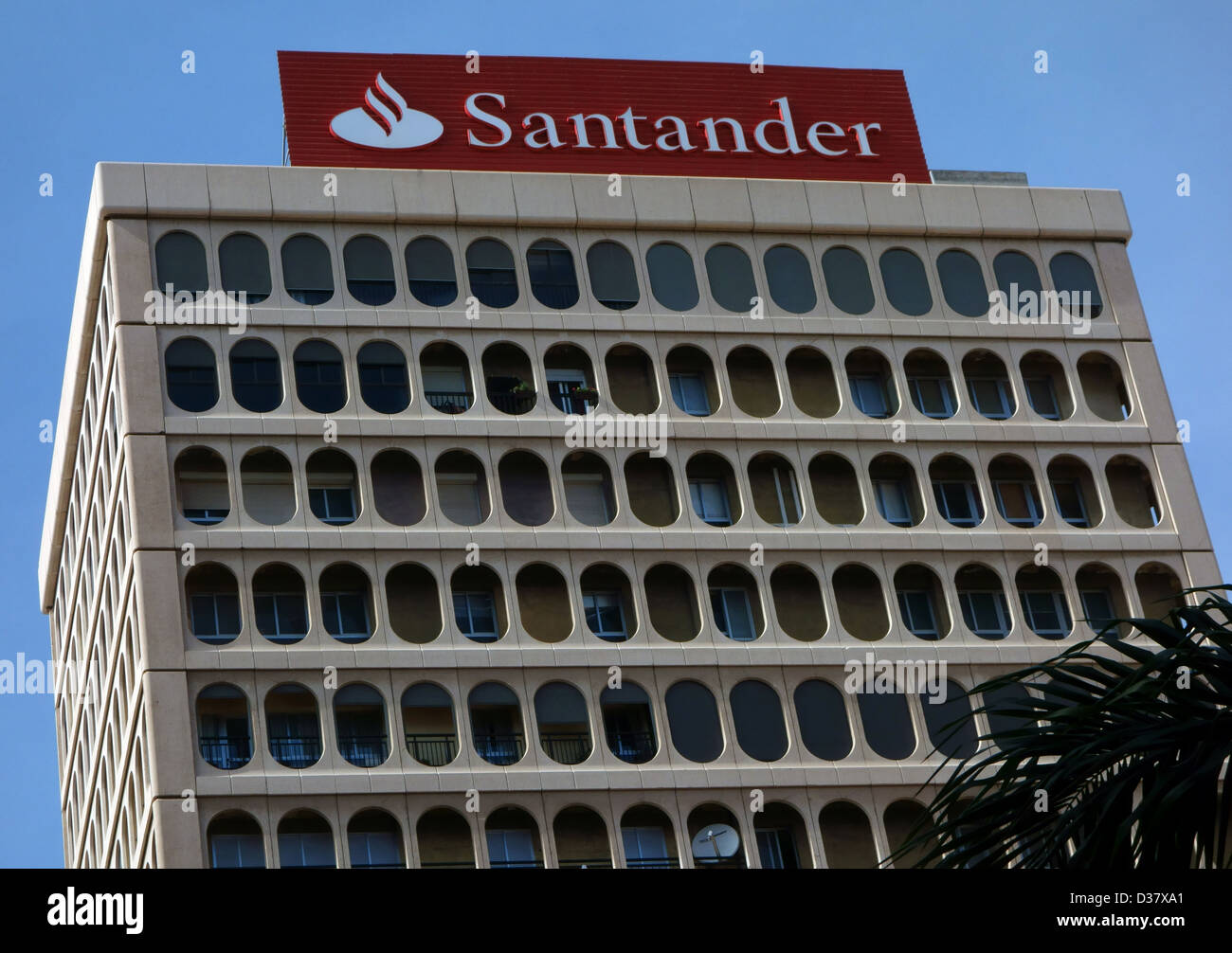
Deciding whether leasing or purchasing office space in Santander is worth it depends on balancing the city's unique economic climate, regional connectivity, and current commercial real estate valuation. For businesses targeting Northern Spain, Santander offers a competitive cost-of-living advantage and a growing innovation ecosystem, though it lacks the sheer scale of Madrid or Barcelona.
Santander, the capital of the Cantabria region, occupies a distinct niche in the Spanish business landscape. As of 2026, the city has transitioned from a traditional administrative and tourist-heavy hub into a focal point for regional logistics and digital services. When evaluating if an office in this coastal capital is "worth it," you must weigh the overhead savings against the limitations in high-density talent pools and localized market size.
The Economic Landscape of Cantabria in 2026
The value proposition of an office space is inherently tied to the local economy. Santander’s economy is anchored by the service sector, public administration, and a revitalized logistics sector driven by the Port of Santander. For businesses that operate within these sectors, physical presence is not just a convenience—it is a strategic necessity.
Unlike metropolitan centers where commercial rent can consume a significant portion of a SME’s budget, Santander offers a more moderate barrier to entry. However, the market is characterized by a "quality vs. availability" tension. While secondary office stock is abundant and affordable, Class-A, energy-efficient, and tech-ready office spaces remain in shorter supply. If your business requires high-spec infrastructure—such as redundant high-speed fiber connectivity, LEED-certified building status, and modern HVAC systems—the "worth" of an office in Santander shifts from a search for affordability to a search for quality.
Comparative Cost Analysis: Santander vs. Major Spanish Hubs
To determine if your investment will yield a return, you must analyze the cost of occupancy relative to your operational requirements. The following table provides a generalized comparison of commercial real estate dynamics as of 2026.
| Feature | Santander | Madrid | Barcelona |
|---|---|---|---|
| Prime Office Rent | Moderate | High | High |
| Talent Availability | Specialized/Regional | National/Global | National/Global |
| Operational Costs | Lower | Premium | Premium |
| Quality of Life | High | Moderate | Moderate |
| Accessibility | Regional/Air | International Hub | International Hub |
For companies that prioritize employee retention through a high quality of life, Santander excels. The cost of living is lower than in the capital, which can allow employers to offer competitive salary packages while maintaining lower overall facility overheads. However, if your business model relies on frequent face-to-face meetings with international partners or requires a massive workforce expansion, the logistical costs of operating in a secondary city may offset the savings on rent.
Strategic Considerations for Office Selection
When determining if an office space is "worth it" for your organization, you must evaluate the specific physical and locational attributes of the property.
Location and Connectivity
Santander is physically separated from the high-speed rail integration found in the center of Spain, though infrastructure improvements have been an ongoing focal point. If your office location does not provide proximity to key transit nodes—such as the Seve Ballesteros-Santander Airport or the main bus/train hubs—the convenience for employees and clients diminishes. Assess whether the office location allows for easy commuting, as the "worth" of an office is often tied to the commute times of the staff who occupy it.
Infrastructure and Digital Readiness
In 2026, a "modern office" is defined by more than just square footage and floor plans. The digital infrastructure of a building is paramount. Before signing a lease or committing to a purchase, verify the building’s ability to support current technological standards. This includes:
- Connectivity: Does the building have direct fiber-to-the-desk capabilities?
- Energy Efficiency: Recent EU and Spanish regulations prioritize building energy certification (CEE). An office with a low energy rating may incur higher operational costs and face future regulatory penalties.
- Flexibility: Does the floor plan allow for modular growth or contraction? In the current economic climate, the ability to pivot your space requirements is a key component of financial "worth."
The Role of Business Culture and Networking
Is your business primarily client-facing, or is it a back-office operation? If your firm relies on building a brand presence in Northern Spain, a prestigious address in the city center or near the Science and Technology Park of Cantabria (PCTCAN) can be a significant asset. These areas act as hubs for innovation and professional services, providing a cluster effect that can lead to partnerships and client acquisition.
Conversely, if your office is purely for administrative staff and the physical location does not impact revenue generation, paying a premium for a prestigious address in Santander may not be "worth it." In such cases, peripheral business districts may provide the exact same functionality at a lower price point.
Risks and Challenges
No property investment or lease decision is without risk. When assessing whether an office in Santander is a viable move, consider the following potential pitfalls:
- Limited Liquidity: If you are purchasing property, the secondary market in Santander is smaller than in larger cities, which may make liquidating a commercial asset more difficult if you need to relocate suddenly.
- Market Stagnation: While rent prices in major cities fluctuate significantly with global trends, smaller regional markets may experience periods of stagnation, which could impact the long-term appreciation of real estate assets.
- Talent Pool Constraints: If your company needs to hire highly specialized technical talent, you may find that the local pool is quickly exhausted. Factor in the cost of relocating talent to Santander if you expect rapid headcount growth.
Navigating Lease Agreements in 2026
If you decide that a physical office is the right path, the next step is understanding the local leasing climate. In Spain, commercial leases are governed by the Ley de Arrendamientos Urbanos (LAU). As of 2026, be aware of:
- Indexation: Many commercial contracts now include specific clauses linking rent increases to inflation indices. Ensure you negotiate caps on these increases to protect your budget.
- Service Charges: Understand exactly what is included in the "community fees" (gastos de comunidad). These can vary widely between older buildings and new office blocks.
- Term Flexibility: Negotiate break clauses. Given the uncertainty of the economic climate, committing to a five-year lease without an exit clause is generally considered a high-risk move.
Frequently Asked Questions
Does Santander have a tax advantage for new businesses? Cantabria offers specific regional incentives for companies that invest in R&D or relocate their headquarters to the region. However, these are highly specific and often tied to job creation and innovation criteria. It is essential to consult with a local tax advisor to see if your business qualifies for any regional deductions that could lower the effective cost of your office space.
Is it better to rent or buy an office in Santander? Renting is generally recommended unless you have a high degree of certainty regarding your long-term headcount and a capital-heavy business model. Buying ties up liquid capital that could otherwise be used for growth. For most SMEs in 2026, the flexibility of a long-term lease with an option to renew is the most "worth it" approach.
Are there co-working spaces in Santander? Yes, Santander has seen an increase in co-working and flexible office space providers. These are an excellent "low-risk" way to test the market before committing to a long-term lease. If you are unsure if a permanent office is worth it, spending six months in a premium co-working space can provide the data you need regarding your actual space requirements.
What is the impact of the "Work from Anywhere" trend on Santander offices? The trend toward hybrid work has forced companies to reconsider the role of the office. In Santander, many businesses are moving toward "hub and spoke" models—keeping smaller, high-quality central offices for collaborative work while allowing remote work for administrative tasks. This has increased the value of smaller, high-spec office spaces over large, open-plan warehouses.
How do I verify the energy efficiency of a building in Santander? Under Spanish law, commercial properties offered for sale or rent must provide a Certificado de Eficiencia Energética (CEE). Always request this document. A higher-rated building (A or B) will cost significantly less to heat and cool, directly impacting your "worth" calculation.
Final Recommendation: Making the Decision
To determine if an office in Santander is worth it, conduct a formal Operational Utility Assessment. If your business requires a physical presence to facilitate local collaboration, client meetings, or access to the regional logistics chain, the "worth" is clear—provided you prioritize energy-efficient, well-connected spaces over low-rent, high-maintenance legacy buildings.
If your requirements are primarily about cost-reduction, start by exploring professional co-working centers in the city center. This will allow you to monitor your team's office-usage patterns before finalizing a long-term lease or capital investment. If you are a high-growth company, focus your search on the science and technology corridors where infrastructure is purpose-built for modern professional demands.