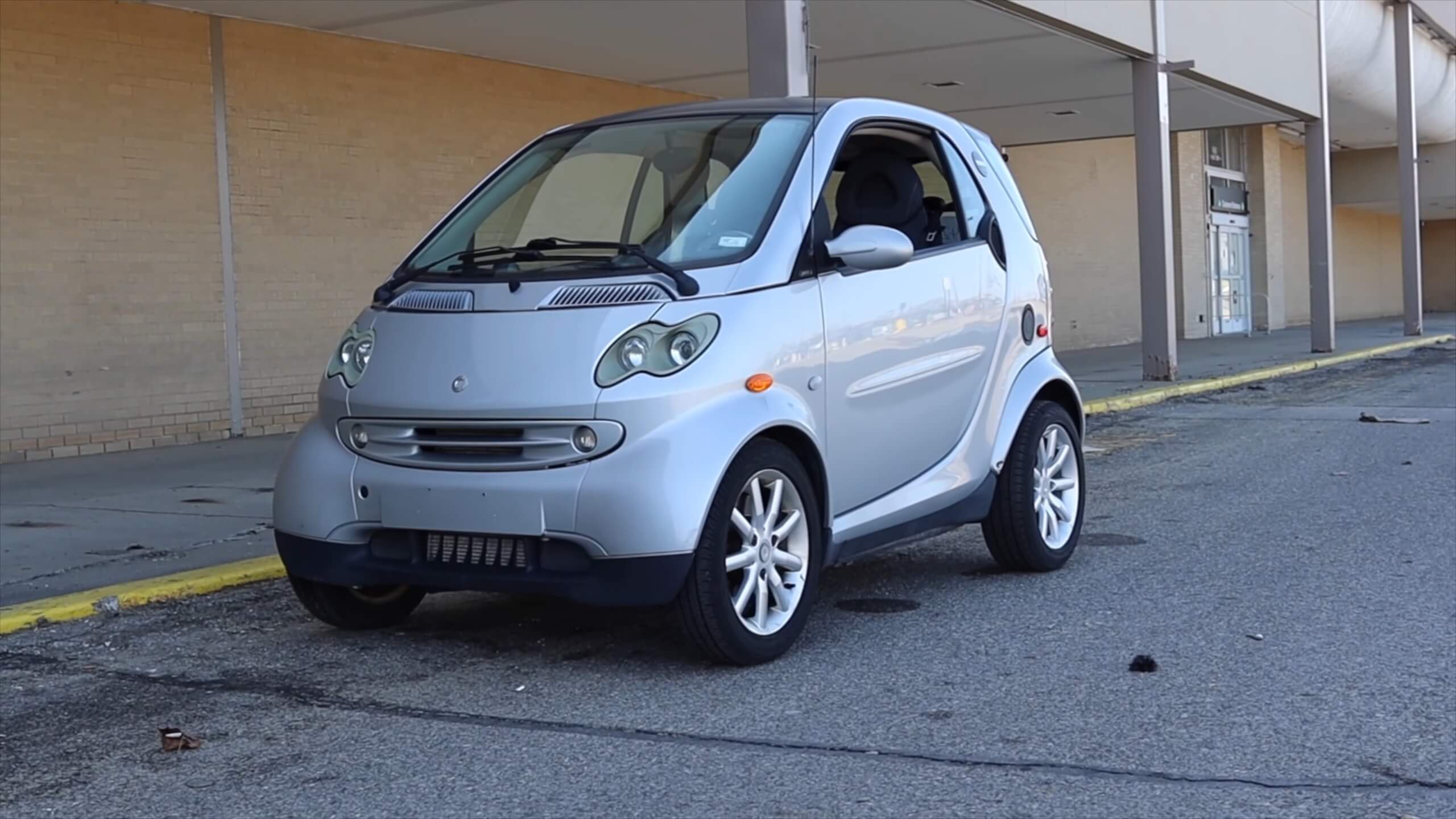
Purchasing an older compact car is a strategic move for budget-conscious drivers that offers significant potential for value retention, provided the vehicle undergoes a rigorous technical assessment. While these cars offer lower entry prices and manageable maintenance costs, the viability of the purchase rests entirely on the vehicle's maintenance history, engine health, and the availability of replacement parts.
Understanding the Compact Car Segment
In the automotive market, a "compact car"—often classified as C-segment—occupies the space between subcompact and mid-size vehicles. These automobiles generally provide a balance of fuel efficiency, city maneuverability, and modest interior space. When discussing "old" models, the focus usually falls on vehicles that are 7 to 15 years old. In 2026, this category includes reliable workhorses from the late 2010s that have benefited from advanced fuel injection and electronic stability control, making them vastly different from the rudimentary compacts produced in the late 1990s or early 2000s.
The primary appeal of these vehicles is their depreciation curve. Unlike new vehicles, which lose the largest percentage of their value within the first three years of ownership, an older compact car has already reached a "depreciation plateau." For a buyer, this means that if you maintain the car well, its resale value remains relatively stable, minimizing the "cost of ownership" associated with the inevitable loss of asset value.
The Financial Equation: Total Cost of Ownership
To determine if an old compact car is a smart purchase, you must move beyond the sticker price and calculate the Total Cost of Ownership (TCO). This metric includes insurance, fuel efficiency, registration, tax, and, most importantly, the expected repair frequency.
Depreciation and Financing
Buying an older car in cash avoids interest charges, which is a massive financial advantage in a 2026 economic environment where lending rates for used vehicles remain elevated. Because these vehicles are typically inexpensive, they rarely require financing, allowing you to sidestep the long-term debt cycle. However, you must allocate a "repair fund" immediately upon purchase. Experts generally recommend setting aside 15–20% of the vehicle’s purchase price as an emergency reserve for immediate repairs, such as battery replacement, tire sets, or fluid flushes.
Fuel and Maintenance Comparison
Compact cars are almost exclusively engineered for efficiency. An older, well-maintained four-cylinder compact sedan or hatchback typically achieves fuel economy figures that remain competitive with newer, larger, and heavier SUVs. Furthermore, because these models were manufactured in high volumes, the supply chain for generic parts (filters, brake pads, starters, alternators) is robust. You are not forced to rely on expensive dealership OEM parts, as high-quality aftermarket alternatives are widely available.
Evaluating Technical Viability
Before finalizing any transaction, a systematic inspection of the vehicle is mandatory. Do not rely on exterior aesthetics, as a clean paint job can mask severe mechanical or structural issues.
1. The Powertrain Assessment
The most critical factor in the longevity of an older compact car is the health of the engine and transmission. Look for signs of oil consumption—blue smoke from the exhaust during acceleration—and verify the condition of the transmission fluid. In many compact cars from the 2010s, "sealed" automatic transmissions were common; ensure that the previous owner respected the suggested fluid change intervals, or be prepared for early transmission failure.
2. Structural Integrity and Corrosion
Rust is the "silent killer" of older vehicles. Even if the engine is in perfect condition, a compromised chassis or rusted subframe can render a vehicle unsafe and uninsurable. Inspect the frame rails, the rocker panels, and the suspension mounting points. If the vehicle has spent its life in a region where road salt is used, the likelihood of structural corrosion increases exponentially.
3. Electronics and Modern Convenience
Older compact cars are at the age where electronic components begin to fail. Power window motors, climate control actuators, and infotainment system modules are notorious for aging poorly. Test every button and switch in the vehicle. While these issues are rarely fatal to the car's operation, they are expensive to repair if you require a specialized technician to perform the work.
Comparing Old Compacts to Newer Alternatives
| Feature | Older Compact Car | New Entry-Level Vehicle |
|---|---|---|
| Initial Cost | Low (Cash purchase) | High (Financed) |
| Depreciation | Minimal/Flat | High (Immediate loss) |
| Repair Frequency | Moderate/Predictable | Low/Warranty-covered |
| Insurance Premiums | Lower (Liability only) | Higher (Full coverage required) |
| Advanced Tech | Limited (Basic safety) | High (Driver-assist/Safety) |
This comparison highlights that the "smart" decision is subjective. If you value modern safety suites—such as automatic emergency braking, lane-keeping assist, and blind-spot monitoring—an old compact car may not meet your needs, as these technologies were not standard in the entry-level segment until the mid-2020s.
Common Pitfalls to Avoid
Many buyers make the mistake of choosing a "luxury" compact that has aged poorly. Luxury brands often use proprietary technologies that become prohibitively expensive to repair once the vehicle passes the 10-year mark. If your goal is a smart financial purchase, prioritize mass-market brands known for mechanical simplicity, such as Toyota, Honda, or Mazda.
Another common mistake is ignoring the tire and brake status. If you purchase an older vehicle and immediately discover it needs a new set of tires and a brake job, you have effectively increased your purchase price by $800–$1,200. Always factor these "wear items" into your negotiation.
Guidance for the Inspection Process
If you are not mechanically inclined, the most important step is to pay a professional mechanic to perform a Pre-Purchase Inspection (PPI). A qualified technician will put the vehicle on a lift, scan the engine computer for "cleared" error codes that might hide intermittent faults, and assess the suspension bushings and steering components.
- Scan the OBD-II Port: Use an inexpensive scanner to check for "Pending Codes." A seller might clear the Check Engine Light, but the underlying fault will reappear after a short drive.
- Review Service History: A vehicle with a binder full of receipts is infinitely more valuable than a vehicle with no paperwork, regardless of the odometer reading.
- Check the Fluids: Dark engine oil may suggest neglect, but "milky" or frothy oil suggests a head gasket failure, which is a major, engine-destroying repair.
Frequently Asked Questions
Are older compact cars safer than new ones? Generally, no. While compact cars from the 2010s have modern airbag systems and crumple zones, they lack the advanced driver-assistance systems (ADAS) found in cars manufactured after 2022. If safety tech is a priority, consider the trade-off between price and the latest protective hardware.
How many miles is "too many" for an older compact? There is no magic number. A 150,000-mile car that has been highway-driven and serviced on time is a much better prospect than a 60,000-mile car that has been used exclusively for short-trip city driving, which is harder on the engine and transmission.
Should I buy a manual or automatic transmission? In the older compact segment, manual transmissions are often simpler and cheaper to repair. However, if the clutch is worn, the replacement cost can be significant. Automatic transmissions are generally more comfortable, but you must ensure the fluid is clean.
Will I have trouble finding parts for a 10-year-old car? No. Compact cars are produced in high volumes, and most major manufacturers maintain parts availability for at least 10–15 years after a model's discontinuation. Online marketplaces and local auto-parts retailers usually have a deep inventory.
Is insurance cheaper on older compacts? Yes. Because the vehicle's market value is lower, most owners opt for liability-only insurance rather than full coverage, which significantly reduces monthly premiums compared to a new, financed vehicle.
Final Recommendation
An old compact car is a smart purchase for a driver who prioritizes financial flexibility and is willing to invest the time to inspect the vehicle thoroughly. To ensure success, focus on well-documented, mass-market models, budget for immediate maintenance, and never skip the professional pre-purchase inspection. By treating the purchase as a deliberate, data-driven transaction rather than an emotional one, you can secure a reliable vehicle that serves your transportation needs without tying up your capital in debt or excessive depreciation.