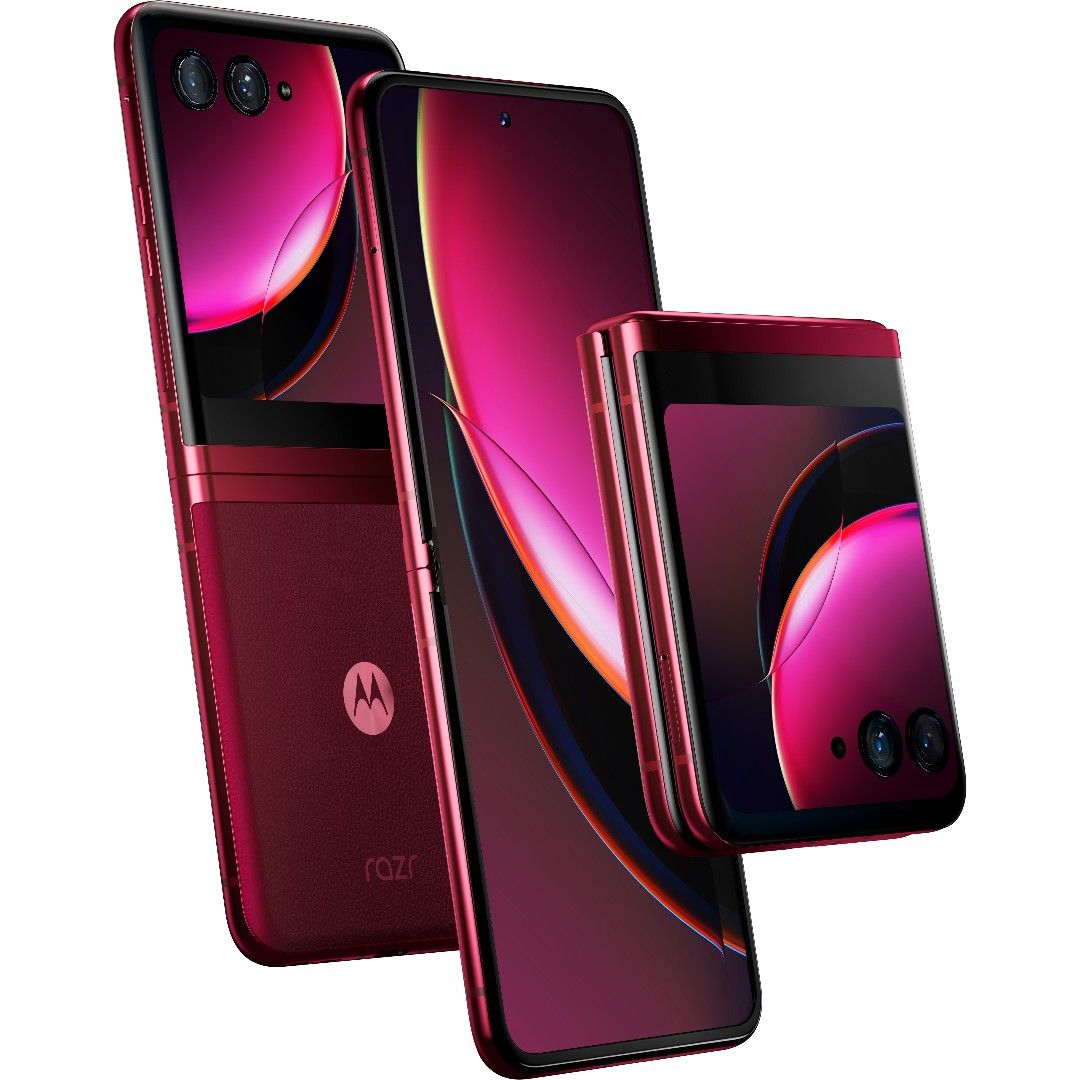
Motorola cell phones are generally considered excellent choices for users who prioritize value, clean software experiences, and reliable battery life. While they may not always lead the market in raw benchmark performance or bleeding-edge camera innovation compared to premium flagship competitors, their consistent focus on mid-range accessibility and user-friendly interface design makes them a highly competitive option for most consumers.
The Evolution of the Motorola Brand Strategy
To understand whether Motorola phones are "good," it is necessary to recognize the brand’s current market positioning. Since its acquisition by Lenovo, Motorola has shifted its strategy to dominate the budget and mid-range tiers while maintaining a presence in the premium segment with its Razr foldable series and the Edge line. Unlike manufacturers that heavily modify the Android operating system, Motorola has built a reputation for providing a near-stock Android experience.
This "My UX" approach—which builds lightly upon stock Android—is a significant selling point. For users who dislike the cluttered software skins found on many competing devices, Motorola offers a clean, efficient, and intuitive user interface. This commitment to simplicity often results in better optimization for the hardware, allowing even lower-tier processors to perform tasks with surprising fluidity.
Evaluating Key Hardware and Software Pillars
When assessing the quality of a smartphone, the evaluation must be broken down into specific domains: display technology, build quality, software longevity, and imaging capabilities.
Display Technology and Build Quality
Motorola has moved aggressively toward OLED technology even in its more affordable devices. In 2026, many of their mid-range models offer high refresh rates, often reaching 120Hz or higher, which contributes to a smoother scrolling and gaming experience. The build quality ranges from the industrial, water-repellent designs of the Moto G series to the premium glass-and-metal construction found in the Edge and Razr series. A standout feature across their lineup is the inclusion of "ThinkShield for mobile," which provides additional security layers—a factor often overlooked by consumers but critical for personal data protection.
Software Support and Update Policies
Historically, one of the primary criticisms leveled against Motorola was its relatively sluggish update cycle. While the company has improved, it generally does not match the five-to-seven-year support windows offered by major competitors like Google or Samsung on their flagship models. Users should expect a more modest support duration, usually two major Android OS updates and three years of security patches for mid-range handsets. If you are a user who upgrades your phone every two years, this limitation is negligible; however, those seeking a device to keep for four or more years should carefully consider if a Motorola model aligns with their long-term expectations.
Imaging and Camera Performance
Motorola has invested heavily in camera hardware, frequently utilizing high-resolution sensors. However, the "goodness" of these cameras is heavily dependent on image processing. Motorola phones excel in well-lit conditions, producing vibrant, social-media-ready shots. In challenging lighting, such as low-light or high-contrast environments, their computational photography sometimes falls behind manufacturers that invest billions into specialized image signal processing (ISP) algorithms. For the casual photographer, the hardware is more than sufficient, but professional mobile photographers may find the results lacking the nuance of more expensive flagships.
Comparison Table: How Motorola Competes in 2026
| Feature Category | Motorola Mid-Range | Typical Competitor (Budget/Mid) |
|---|---|---|
| Software Skin | Near-Stock Android | Heavy Custom Overlays |
| Display | High Refresh OLED Standard | Often LCD or lower refresh |
| Security | ThinkShield Integration | Standard Android Security |
| Update Support | Moderate (2-3 years) | Variable (2-5 years) |
| Value Proposition | High (Cost-to-feature ratio) | Varies by manufacturer |
The "My UX" Advantage: Why User Experience Matters
The primary reason to choose a Motorola device is the user experience. Motorola has mastered the inclusion of "Moto Actions," which are gesture-based shortcuts that remain some of the most intuitive in the industry. Examples include "chop-chop" to toggle the flashlight or twisting your wrist to launch the camera.
These features are not merely gimmicks; they solve the problem of quick access to essential tools without navigating through menus or tapping icons. When you combine these thoughtful additions with a lack of "bloatware"—the unnecessary, pre-installed apps that plague many other Android devices—you get a phone that feels faster and remains responsive longer over its lifespan.
Identifying the Right User for Motorola
Motorola phones are not universal in their appeal. To determine if one is good for you, consider your primary use case:
- The Pragmatic Consumer: If you value a phone that works reliably, handles everyday tasks like messaging, social media, and media consumption without breaking the bank, Motorola is an ideal candidate.
- The Minimalist: If you prefer an interface that stays out of your way and provides a clean, clutter-free environment, Motorola’s software philosophy is hard to beat.
- The Foldable Enthusiast on a Budget: The Motorola Razr series has successfully brought the foldable form factor to a more accessible price point compared to the ultra-premium foldable market, making it an excellent entry point for new hardware technology.
Conversely, if you are a "power user" who requires the absolute fastest processor for high-end gaming, the most advanced telephoto camera zoom, or a device that will receive security updates for the next seven years, you may find that the higher cost of a premium flagship from another manufacturer is a better investment for your specific needs.
Common Troubleshooting and Reliability Concerns
Motorola devices are generally stable, but like all modern electronics, they require basic maintenance.
- Software Glitches: Because the software is close to stock Android, most performance issues can be resolved by a simple cache clear or a factory reset, rather than needing to navigate complex third-party software layers.
- Battery Degradation: Motorola’s TurboPower charging is efficient, but users should follow standard battery health practices—such as avoiding extreme heat and not keeping the phone at 100% charge for extended periods—to ensure longevity.
- Hardware Repairs: As of 2026, parts availability for Motorola devices is generally good, and they are widely supported by third-party repair shops, which is a major advantage over brands with proprietary or restrictive repair policies.
Frequently Asked Questions
Do Motorola phones have a lot of pre-installed apps?
Generally, no. Motorola is known for maintaining a very clean version of Android. While some regions may include a few partner apps, they are typically easily uninstallable, and the user interface remains free of the heavy, unremovable "bloatware" found on many other smartphones.
Are Motorola phones durable enough for daily use?
Yes. Motorola focuses on practical durability. Many of their devices include water-repellent designs that protect against accidental spills and light rain. While they are not typically rated for deep-water immersion, they are built to withstand the rigors of everyday handling.
How does Motorola’s camera compare to top-tier phones?
Motorola cameras are excellent for everyday photography and social sharing. However, they lack the sophisticated computational photography, low-light processing, and advanced telephoto capabilities found in high-end flagship phones that cost significantly more.
Is it easy to transfer data to a new Motorola phone?
Yes. Motorola utilizes the standard Android data migration tools, which allow you to transfer contacts, photos, and app data from your previous phone (whether Android or iOS) during the initial setup process via a cable or a secure Wi-Fi transfer.
Should I choose a Motorola Edge or a Moto G phone?
The choice depends on your budget and requirements. The Edge series is the "premium" tier, offering faster processors, better camera systems, and more sophisticated screen technology. The Moto G series is designed for value, offering the best balance of price-to-performance for the average user.
Final Recommendation
Motorola cell phones are objectively good, particularly for the vast majority of consumers who fall into the "value-conscious" category. By stripping away software bloat and focusing on essential features—great battery life, solid OLED displays, and intuitive gestures—Motorola provides a highly functional, stress-free user experience. If you are looking for a device that offers professional-level performance at a fraction of the cost of current industry flagships, Motorola provides a reliable path to satisfaction. Before purchasing, verify that the specific model you are considering meets your long-term software support requirements, as this remains the most significant differentiator between Motorola and the extreme high-end of the market.