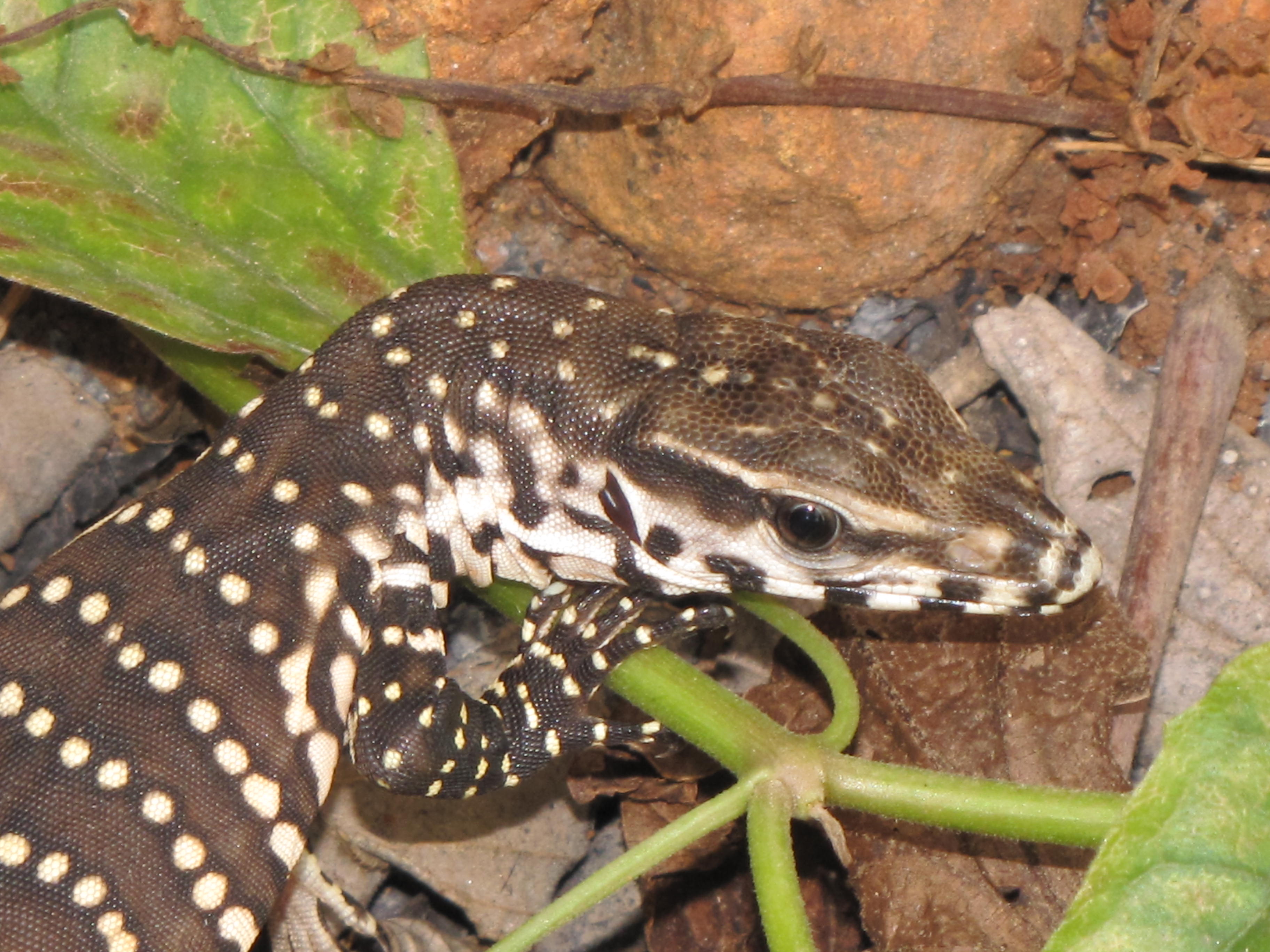
Monitor lizards are generally not aggressive toward humans, but they are wild animals capable of inflicting injury through biting, scratching, and tail whipping if they feel threatened or cornered. While most species prefer to flee rather than fight, their physiological adaptations—including sharp teeth, powerful claws, and in some species, venom glands—make them animals that command respect and distance rather than casual interaction.
Understanding Monitor Lizard Behavior and Temperament
The family Varanidae, which encompasses all monitor lizards, contains species that vary significantly in size, habitat, and temperament. From the small, shy pygmy monitors to the formidable Komodo dragon, the behavior of these animals is primarily driven by survival instincts. In the wild, their first response to a human encounter is almost always retreat. Monitor lizards possess acute senses, particularly their Jacobson’s organ—a sensory system that allows them to detect chemical signals in the air. By the time a human notices a monitor lizard, the lizard has likely already identified the human as a potential threat and is moving to evade detection.
However, "danger" is a relative term that depends heavily on context. A monitor lizard becomes dangerous when its flight path is blocked or when it is defending a nest or a food source. Because they are apex or near-apex predators in their respective ecosystems, they do not naturally perceive humans as prey, but they will defend themselves vigorously. The risk to humans typically arises from human encroachment into the lizard’s territory or attempts to handle the animal without professional training.
Anatomical Defense Mechanisms
If a monitor lizard is forced into a defensive posture, it utilizes a suite of physical adaptations that can cause significant harm to an untrained individual.
Bite Force and Dental Anatomy
Monitor lizards possess sharp, recurved teeth designed for gripping and tearing prey. While they do not have a specialized chewing mechanism, their jaw muscles are strong, and they can produce a deep, lacerating wound. Furthermore, research conducted over the last two decades has confirmed that many, if not all, species of monitor lizards possess complex venom glands. While this venom is not typically lethal to a healthy adult human, it contains anticoagulants that prevent blood from clotting, which can lead to prolonged bleeding and an increased risk of secondary infection.
Claw-Related Injuries
The claws of a monitor lizard are designed for climbing, digging, and anchoring during prey capture. They are non-retractable and exceptionally sharp. A cornered lizard will often swipe with its forelimbs, which can result in deep puncture wounds and jagged lacerations. These wounds are particularly prone to infection due to the bacteria present in the lizard’s mouth and on their claws, which originate from their natural environment and dietary habits.
Tail Whipping
The tail of a monitor lizard is a primary defensive weapon. It is muscular and often makes up more than half of the animal's total body length. A large monitor can whip its tail with sufficient force to break the skin of a human or cause bruising and fractures if it strikes a sensitive area. This behavior is usually employed when the lizard is backed into a corner and feels unable to escape via flight.
Risk Factors in Human-Lizard Encounters
The level of danger posed by a monitor lizard is rarely a product of the animal's predatory nature toward humans, but rather a result of specific environmental and situational variables.
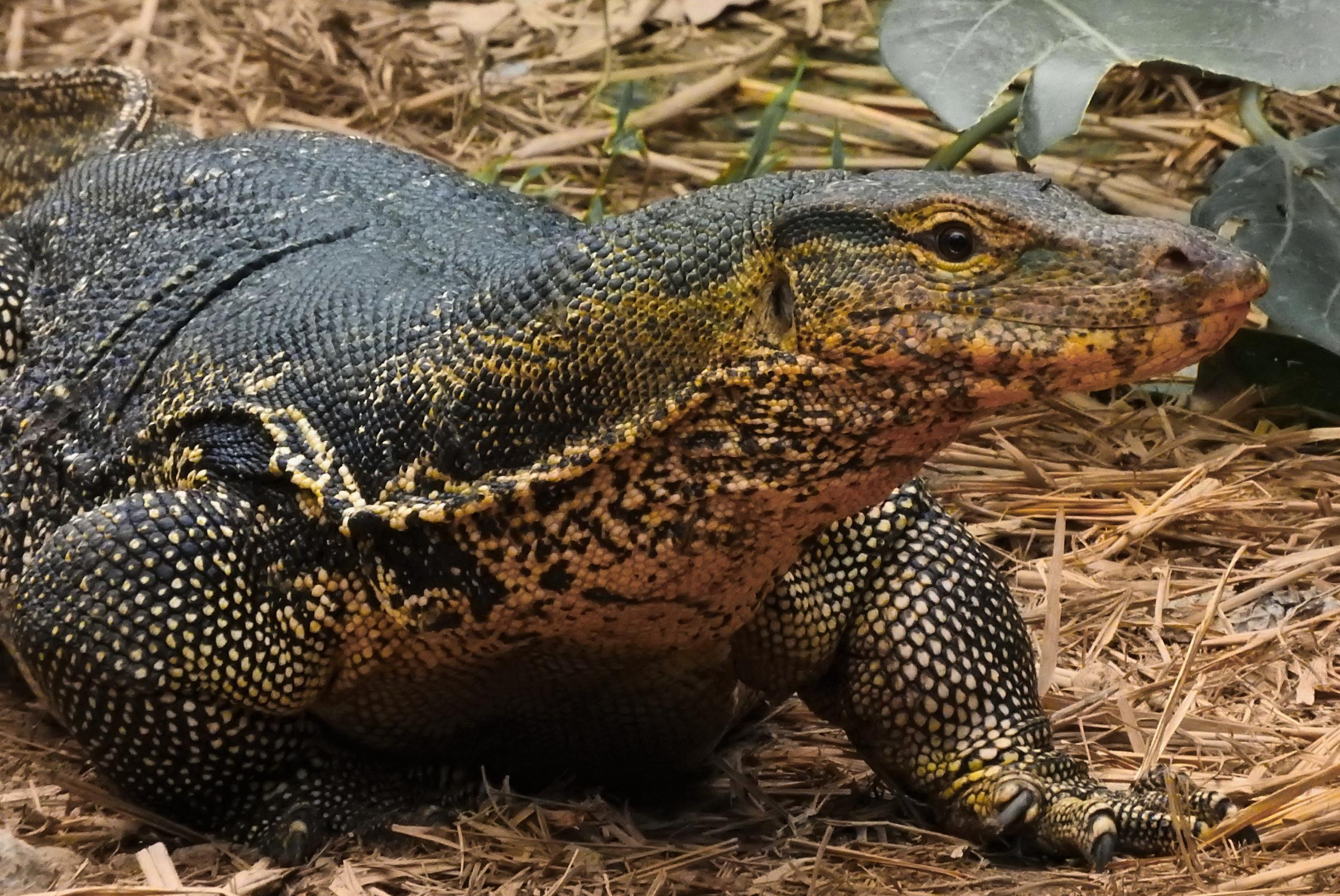
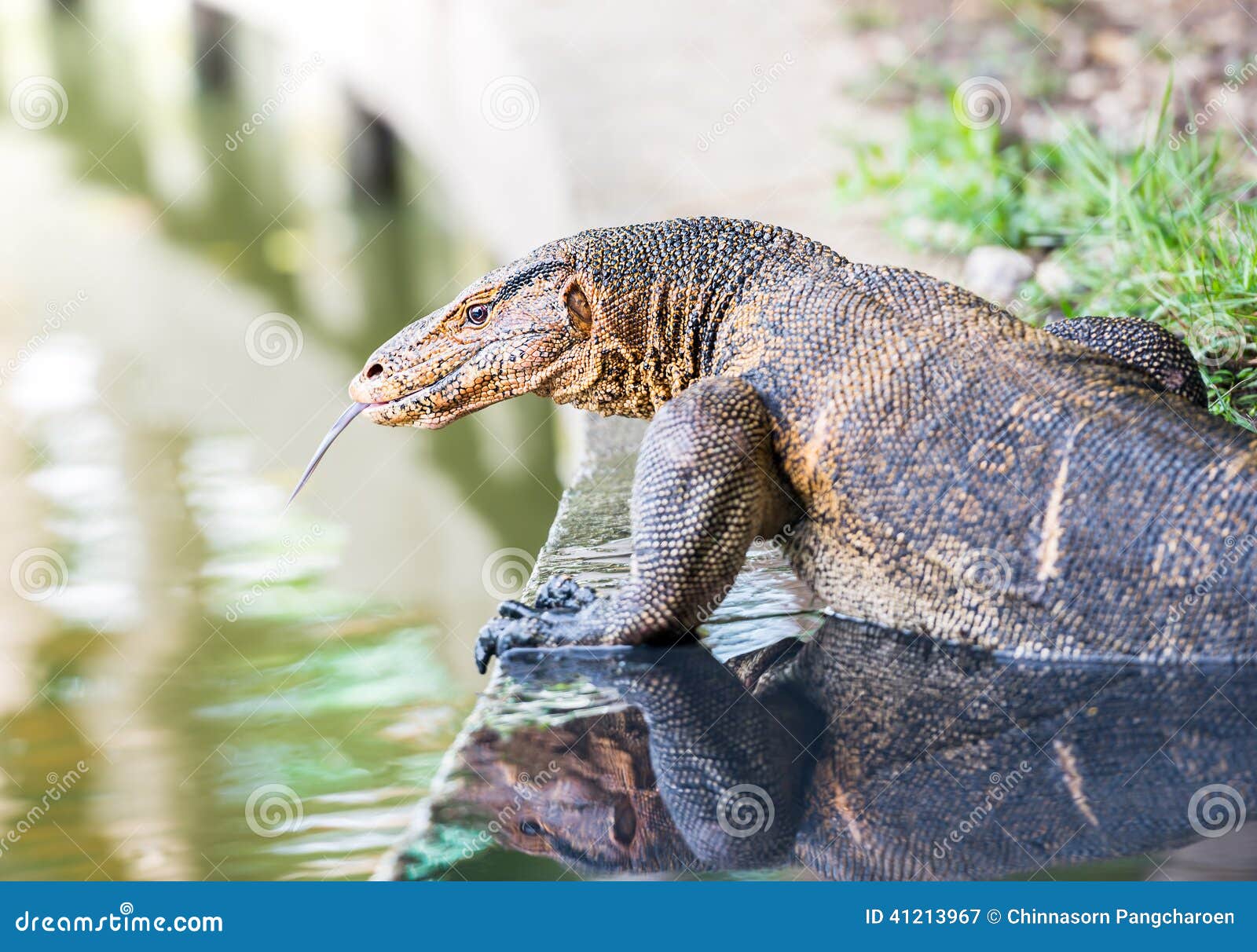
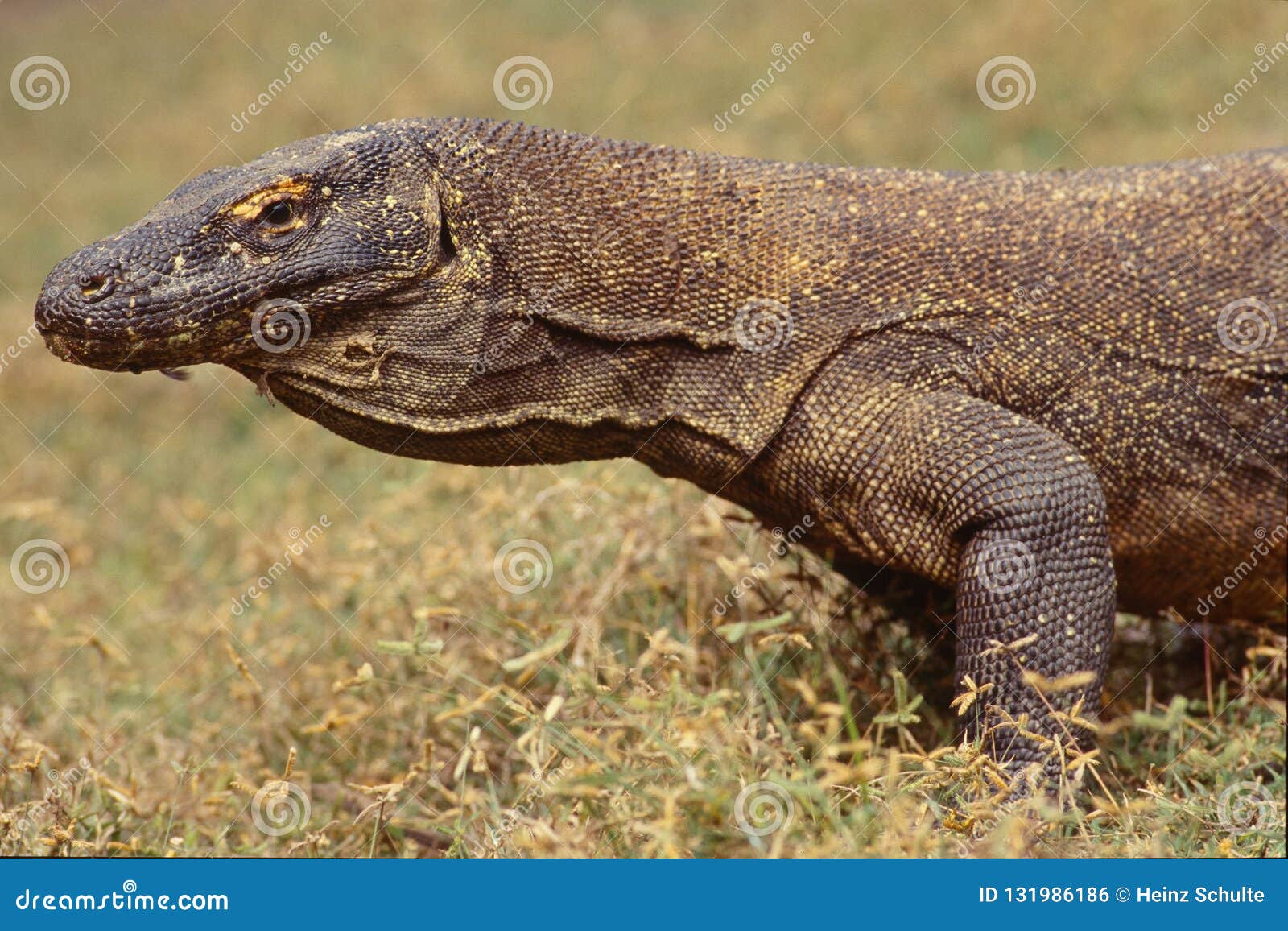
- Size and Species: Larger species, such as the Water Monitor (Varanus salvator) or the Komodo Dragon (Varanus komodoensis), present a higher physical risk due to their sheer mass and strength. Smaller species, while still capable of biting, cause significantly less trauma.
- Proximity and Handling: Attempting to pick up or restrain a wild monitor lizard is the most common cause of injury. These animals are not domesticated and do not have the neural pathways to respond positively to human handling like a dog or cat.
- Territoriality: During the breeding season or while guarding a clutch of eggs, monitor lizards become significantly more protective and aggressive. Approaching a nesting site is a high-risk activity that can trigger a swift defensive response.
- Environmental Context: In urban areas, monitor lizards are often found near canals or refuse piles. If a human inadvertently blocks the animal’s path to the water or a hiding spot, the animal may interpret the human as a barrier that must be overcome, leading to an aggressive strike.
Comparative Safety Analysis of Common Species
It is essential to distinguish between species when assessing potential danger. The following table summarizes the typical risk profiles encountered in the wild and in captive settings.
| Species Name | Typical Size | Defensive Style | Risk Level |
|---|---|---|---|
| Pygmy Monitor | Small (under 30cm) | Hiding / Fleeing | Negligible |
| Savannah Monitor | Medium (1m) | Hissing / Posturing | Moderate |
| Water Monitor | Large (up to 2.5m) | Hissing / Tail Whipping | High if cornered |
| Komodo Dragon | Very Large (up to 3m) | Predatory / Defensive | Extreme |
Managing Encounters and Minimizing Risk
If you find yourself in the presence of a monitor lizard, your actions determine the outcome of the encounter. The golden rule is to maintain a distance that allows the animal to maintain its natural flight response.
- Stop and Observe: Do not move toward the animal. Give it at least 15 to 20 feet of space.
- Maintain a Clear Exit Path: Ensure you are not standing between the lizard and its likely escape route, such as a body of water or a tree.
- Do Not Feed: Feeding monitor lizards in the wild creates "habituation," where the animals learn to associate humans with food. This leads to aggressive begging behaviors and increases the frequency of negative human-lizard interactions.
- Keep Pets Away: Monitor lizards are natural predators and may perceive small dogs or cats as prey or threats, leading to an immediate and dangerous defensive or offensive reaction.
- Professional Removal: If a monitor lizard enters your home or a restricted area, do not attempt to capture or chase it. Contact local wildlife control or environmental agencies that have the training and equipment to relocate the animal safely.
Medical Considerations: What to Do If Bitten
If an interaction results in a bite or significant scratch, medical attention should be sought immediately. Because monitor lizards live in varied environments and carry diverse bacterial flora, there is a risk of infection that standard home care cannot address.
- Wound Irrigation: Immediately flush the wound with clean, running water and a mild antiseptic if available.
- Control Bleeding: Apply firm, direct pressure with a clean cloth. Due to the anticoagulant properties of monitor lizard venom, bleeding may be more persistent than with a typical animal bite.
- Professional Assessment: Visit a healthcare provider to determine if antibiotics or a tetanus booster are required. Inform the medical staff that the injury was caused by a reptile, as this will dictate the specific antibiotic regimen chosen to treat potential bacterial pathogens.
Frequently Asked Questions
Are monitor lizards poisonous or venomous?
Monitor lizards are venomous, not poisonous. "Poisonous" refers to substances that are harmful if ingested, while "venomous" refers to toxins injected through a bite or sting. Their venom glands are located in the lower jaw and produce complex proteins that cause hypotension and inhibit blood clotting, though the effects are rarely fatal to humans.
Can monitor lizards be kept as pets safely?
While some monitor species are kept by experienced reptile hobbyists, they are not suitable pets for the general public. They require specialized enclosures, precise temperature and humidity controls, and a high level of expertise in animal behavior. They are not domesticated and do not respond to training.
Do monitor lizards hunt humans?
There is no evidence that monitor lizards view humans as a natural food source. While the Komodo dragon has historically attacked humans in documented instances, these are generally rare and occur when the animal is extremely hungry or when a human inadvertently threatens the animal's territory.
Should I kill a monitor lizard if I find one in my yard?
No. In most jurisdictions, monitor lizards are protected species. Killing them is not only ecologically detrimental—as they play a vital role in pest control—but it is also illegal in many regions. If they are a nuisance, contact local wildlife management authorities to facilitate professional relocation.
What is the best way to deter monitor lizards from my property?
To discourage monitor lizards, remove the attractants that bring them to your yard. Secure trash bins, ensure there are no food sources for rodents (which the lizards hunt), and block access to dark, humid crawl spaces. Eliminating their food source and shelter is the most effective and humane way to manage their presence.
Conclusion and Recommendations
Monitor lizards are fascinating, ecologically significant predators that generally pose little danger to humans provided they are given adequate space and respect. The most significant risks—bites and tail injuries—are almost entirely avoidable through observation and the avoidance of direct contact. If you encounter a monitor lizard, prioritize your own safety by stepping back and allowing the animal to continue its natural behavior. For those interested in these animals, the best approach is to observe them from a distance in their natural habitat or through reputable educational institutions rather than attempting to interact with them personally.