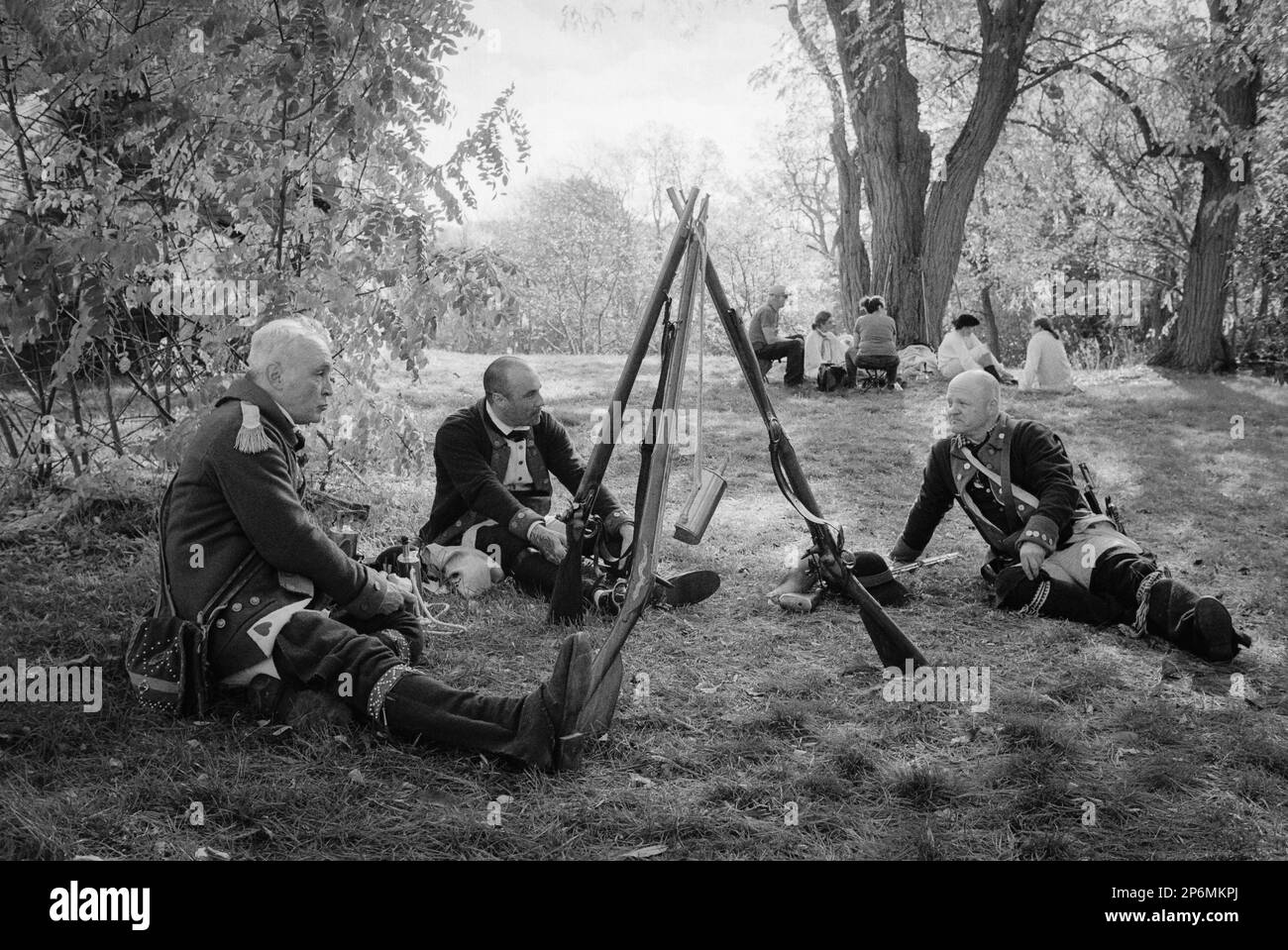
Muskets are still being manufactured today, though their primary purpose has shifted from frontline military use to historical reenactment, competitive black powder shooting, and the preservation of traditional craftsmanship. While mass-produced muskets for infantry service ceased in the mid-19th century, specialized companies continue to produce high-quality reproductions and custom flintlock and percussion-cap firearms that mirror the design and function of their historical predecessors.
The Modern Landscape of Muzzle-Loading Firearm Production
In the contemporary firearms market, the term "musket" generally refers to smoothbore, muzzle-loading long guns. Unlike modern centerfire rifles, which utilize self-contained cartridges and high-pressure metallic casings, muskets rely on the manual loading of loose black powder, wadding, and a projectile—typically a lead ball—through the muzzle.
The demand for these firearms in 2026 is driven by niche communities. Civil War and Revolutionary War reenactors, who prioritize historical accuracy, represent the largest demographic of users. Additionally, hunters in regions with specific muzzleloader-only seasons often opt for modern inline rifles, but purists and historical enthusiasts gravitate toward traditional flintlock and percussion muskets to challenge their marksmanship skills and honor the techniques of earlier centuries.
Production is bifurcated into two main categories: high-volume, factory-made replicas and bespoke, artisan-crafted pieces. Major manufacturers often source parts globally but assemble the final products to meet standardized safety specifications. Custom builders, conversely, hand-forge components, often sourcing specific historical patterns or original blueprints to recreate authentic experiences for the shooter.
How Modern Muskets Differ from Historical Originals
While modern muskets look identical to those used in the 18th and 19th centuries, the materials and safety standards have evolved. A 2026-manufactured musket is significantly safer than an original 18th-century piece, primarily due to advances in metallurgy and heat-treatment processes.
Metallurgical Integrity
Historical muskets were often forged from wrought iron, which could contain impurities and suffered from fatigue over decades of use. Modern reproductions utilize high-strength, stress-tested steel alloys. These materials handle the pressure of modern black powder (or synthetic substitutes) with a higher safety margin, reducing the risk of catastrophic barrel failure—a critical concern when dealing with black powder weaponry.
Tolerances and Manufacturing
Computer-Aided Design (CAD) and Computer Numerical Control (CNC) machining allow modern manufacturers to create parts with tolerances far superior to those of the hand-filing era. While the external profile remains historically accurate to satisfy reenactment guidelines, the internal dimensions of the barrel and the mechanics of the firing mechanism are engineered for consistency and reliability.
Comparison of Modern Production Methods
| Feature | Historical Muskets | Modern Replicas |
|---|---|---|
| Material | Wrought Iron / Early Steel | Modern Certified Barrel Steel |
| Production | Hand-Forged / Filed | CNC Machined / Precision Cast |
| Safety Testing | Proofing (Basic) | Pressure Testing (Standardized) |
| Consistency | Highly Variable | High (Interchangeable Parts) |
| Primary Use | Warfare / Hunting | Reenactment / Target Shooting |
Legal and Regulatory Status
Understanding the legal classification of muskets is essential for any potential buyer. In many jurisdictions, including the United States, most states and the federal government define antique or replica muzzle-loading firearms as "antique firearms." Under the Gun Control Act (GCA) of 1968, firearms manufactured in or before 1898, or replicas of such firearms that do not use fixed ammunition, generally fall outside the standard definition of a "firearm" for the purposes of federal transfer laws.
This means that in many cases, a person can purchase a musket replica directly from a manufacturer or dealer without the requirement of a background check via the Federal Firearms License (FFL) system. However, this is subject to significant variation. Some states maintain stricter definitions, and local ordinances may require registration regardless of the firearm's age or ignition method. Buyers should always consult with local law enforcement or a qualified legal professional before purchasing, as state laws often preempt federal exemptions.
Sourcing and Procurement
Finding a manufacturer involves navigating a specialized marketplace. Prospective owners generally choose between three sources:
- Mass-Production Replicas: Companies such as Pedersoli and various international manufacturers produce high-volume models of iconic firearms like the Brown Bess or the Springfield Model 1861. These are readily available through large shooting sports distributors.
- Custom Gunsmiths: For those seeking absolute historical authenticity—such as period-correct wood stocks, specific lock-plate engravings, and hand-tuned triggers—individual gunsmiths specialize in building custom muskets. These projects involve long lead times and higher price points but offer superior fit and finish.
- Secondary Market: The market for used, high-quality replicas is robust. Reenactment groups often have internal classifieds where vetted, reliable firearms are traded among members.
Safety and Operational Maintenance
Operating a musket is an involved process that requires more than just pulling a trigger. Unlike modern firearms, which can be left loaded for extended periods, muskets demand immediate and rigorous attention before and after every use.
The Loading Sequence
The risk of a "hang-fire" (a delayed discharge) or an "accidental discharge" is heightened in muzzle-loading. The steps must be followed with robotic consistency:
- Check for obstruction: Always ensure the barrel is clear before loading.
- Powder charge: Use only black powder or black powder substitutes approved for the specific firearm. Never use smokeless powder, as it will explode under the pressures generated in a musket barrel.
- Seating the projectile: The ball or sabot must be seated firmly against the powder charge with no air gaps, which could cause a barrel burst.
Post-Shooting Maintenance
Black powder is inherently corrosive. After a day at the range, the residue left in the barrel and the lock mechanism will attract moisture and initiate rust almost immediately. A complete teardown and cleaning—often using hot, soapy water to dissolve the salts left by the powder—is mandatory. After drying, all metal surfaces must be coated in a high-quality gun oil or preservative wax.
Frequently Asked Questions
Are modern-made muskets legal to hunt with?
Yes, in many jurisdictions. Many states have specific "primitive weapon" seasons that allow hunters to use muskets or muzzle-loading rifles. However, these regulations often specify that the firearm must use loose powder and lead projectiles. Check your local Department of Natural Resources or wildlife agency for the exact regulations governing your hunting zone.
Can I use smokeless powder in a new reproduction musket?
Absolutely not. Modern muskets are designed for black powder or specific black powder substitutes. Smokeless powder burns at a rate and pressure level that will destroy a musket barrel, leading to severe injury or death. Always verify the manufacturer’s documentation for acceptable propellant types.
Do modern muskets require parts replacements?
Yes. Springs within the lock mechanism, particularly the mainspring and frizzen spring, are subject to fatigue over time. Flints for flintlock models wear down quickly and must be sharpened or replaced every few shots. Percussion nipples also erode over time due to the hot gasses of the ignition, requiring periodic replacement to ensure consistent performance.
How accurate are these muskets compared to modern rifles?
Accuracy is significantly lower than modern centerfire rifles. A smoothbore musket is generally capable of hitting a man-sized target at 50 to 75 yards with consistency. Beyond that, the lack of rifling (grooves in the barrel that spin the bullet) causes the round lead ball to tumble, leading to unpredictable flight paths.
Can I buy a kit and build my own musket?
Yes, kit-built muskets remain popular. Many manufacturers offer "semi-finished" kits where the barrel and lock are pre-assembled, but the user is responsible for shaping and finishing the wooden stock. This is an excellent way to learn the mechanical workings of the firearm while reducing the overall cost of acquisition.
Final Recommendation
If you are interested in acquiring a musket, begin by determining your primary objective. If you plan to participate in reenactments, contact a local unit or organization first; they often have specific standards for which models are allowed and can provide mentorship. If you are pursuing target shooting or hunting, visit a shop specializing in black powder firearms to handle the weight and balance of different models. Regardless of your intent, prioritize the purchase of a reputable, proof-tested reproduction and invest in a comprehensive set of cleaning tools and safety equipment. Always prioritize the manual over any anecdotal advice, and treat the firearm with the respect required for its unique mechanical heritage.