The Mexican borders are currently open to travelers, including tourists and business visitors arriving by land and air. While legal entry is permitted, all individuals crossing into Mexico must possess valid documentation, such as a passport, and comply with established customs and immigration procedures. Border operations are subject to routine security protocols and localized regulatory adjustments.
The Operational Reality of Mexican Border Crossings
In 2026, the status of Mexican borders remains "open," meaning that international transit between the United States and Mexico, as well as Mexico’s southern border with Guatemala and Belize, functions under standard operational parameters. Unlike periods of pandemic-related restrictions or specific emergency closures, current traffic flows through designated ports of entry are dictated by standard immigration laws and customs enforcement rather than total border lockdowns.
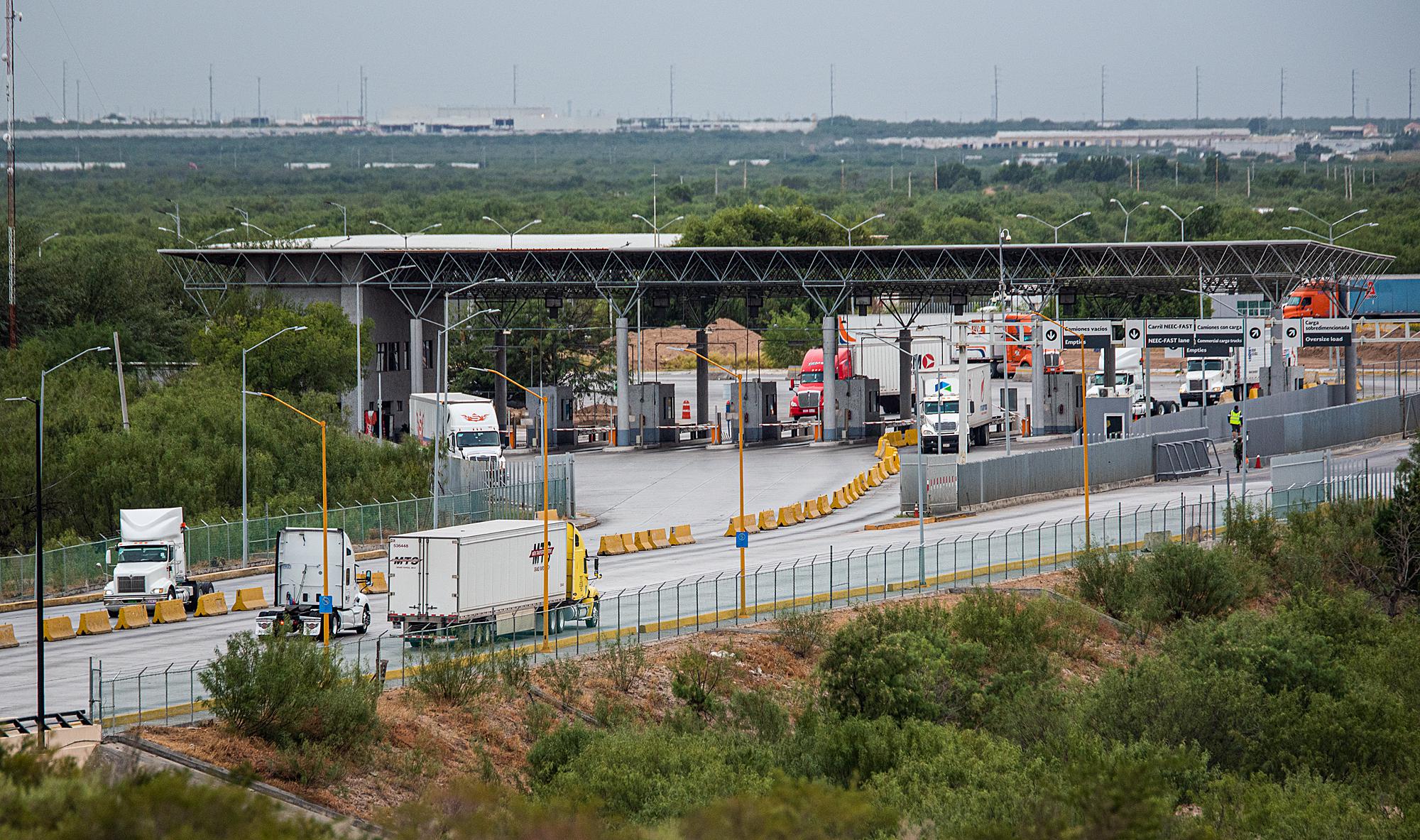
For most travelers, the border exists as a managed gateway. The Mexican government maintains the authority to regulate, limit, or restrict access at specific points based on security, public health, or infrastructure maintenance. However, these are localized events. A traveler attempting to enter Mexico will generally find that land ports (Puertos de Entrada) are functioning, provided the traveler meets the entry requirements of the Instituto Nacional de Migración (INM).
Essential Documentation for Entry
Entry into Mexico is not unconditional. Regardless of the border being "open," the burden of proof regarding legal status and purpose of travel lies with the individual. As of 2026, foreign nationals must present specific documentation to avoid denial of entry.
- Passport or Passport Card: For air travel, a valid passport is mandatory. For land crossings, a valid passport or a Trusted Traveler program card (such as SENTRI or NEXUS) is typically required. Ensure that your document has at least six months of validity remaining beyond your date of departure from Mexico.
- Forma Migratoria Múltiple (FMM): This is the official entry permit for tourists and business travelers. While digital versions are increasingly common, many land ports still facilitate the issuance of physical FMM cards. You are required to pay the associated fee unless your stay is short or you meet specific exemption criteria under current law.
- Proof of Financial Solvency: Immigration officials reserve the right to request proof that a visitor has sufficient funds to support their stay in Mexico.
- Special Permits: If you are traveling with a vehicle, you must obtain a Temporary Vehicle Importation Permit (TIP) if you intend to travel beyond the "Free Zone" (the area comprising the border states and specific tourist regions).
Navigating the Land Border Experience
Crossing the land border by car or on foot involves a distinct set of procedures compared to flying. The process is segmented into security checkpoints, immigration processing, and customs (Aduanas).
When you arrive at a Mexican port of entry, you will first encounter the immigration booth. The officer will verify your passport and issue your FMM. Once cleared by immigration, you proceed to the customs area. Here, you may be subject to a random inspection. Mexico utilizes a traffic-light system at many border crossings: a green light means you proceed without inspection, while a red light indicates that your vehicle or luggage will be searched.
It is critical to follow the instructions of border officials. Avoid attempting to cross with prohibited items, which include certain firearms, large quantities of medication without a prescription, or excessive amounts of currency (over $10,000 USD, which must be declared).
Comparison of Entry Requirements by Mode of Transport
| Mode of Entry | Primary Requirement | Common Considerations |
|---|---|---|
| Air | Valid Passport | FMM usually issued via airline/digital portal |
| Land (Private Vehicle) | Passport + TIP | Requires proof of vehicle ownership/insurance |
| Land (Pedestrian) | Passport / Border Card | Must visit INM office for FMM issuance |
| Sea (Private Vessel) | Passport + Permits | Requires maritime clearance and TIP |
Safety and Security Considerations
While the borders are open, the environment near border regions can be volatile. It is essential to consult official government travel advisories—such as those provided by your home country’s Department of State or Foreign Affairs department—before planning a trip.
"Closed" status is often a misnomer used to describe heightened security operations. In 2026, security agencies on both sides of the U.S.-Mexico border conduct frequent operations to mitigate illegal cross-border activity. This may lead to longer wait times at ports of entry, lane closures for construction or security sweeps, and temporary redirects of traffic. Travelers should plan for potential delays, especially during peak holiday periods or times of high regional tension.
Common Mistakes and How to Avoid Them
Many travelers assume that because the border is open, the process is informal. This misunderstanding leads to significant issues:
- Failing to Get the FMM Stamped: Even if you enter on foot for a quick shopping trip, if you travel beyond the immediate border zone, you must ensure your FMM is processed. Failure to do so can result in fines upon departure.
- Neglecting Mexican Auto Insurance: Your U.S. or Canadian auto insurance policy is generally not valid in Mexico. You must purchase a specific Mexican liability policy to satisfy local legal requirements. Driving without one is a serious offense.
- Overstaying the FMM: The FMM indicates the number of days you are legally allowed to stay (typically up to 180 days, though this is at the discretion of the officer). Exceeding this limit leads to fines and potential bans from re-entering the country.
- Assuming Digital Copies Suffice: While digital records are useful for backup, you should always carry original, physical documents. Relying on a phone screen can be problematic if your battery dies or if the official requires a physical document to stamp.
Regional Variations and Exceptions
It is important to note that the border experience can vary significantly by location. The crossing at San Ysidro, California, functions differently than the rural crossings in New Mexico or Texas. Some ports are dedicated exclusively to commercial traffic, while others are restricted to passenger vehicles. Always verify the specific hours of operation for the port you intend to use, as not all border crossings operate 24/7.
Frequently Asked Questions
Are there any current COVID-19 restrictions for entering Mexico? No. As of 2026, Mexico does not require proof of vaccination, negative test results, or health declarations for entry. Standard immigration laws remain the governing factor for your admission.
Can I cross the border with my pet? Yes, but you must meet the specific requirements set by SENASICA (the Mexican National Service for Health, Food Safety, and Food Quality). You generally need an official health certificate from your veterinarian and proof of current rabies vaccination.
What happens if I lose my FMM card while in Mexico? If you lose your FMM, you must go to an INM office to report the loss and obtain a replacement before you can leave the country. Without the FMM, you may be detained or fined at the point of departure.
Is it safe to drive across the border at night? Security experts generally advise against driving in remote border areas after dark. Traffic congestion at crossings is also often lower during early morning hours, which may be a more convenient time for travel.
Do I need a visa to enter Mexico? If you are a citizen of the U.S., Canada, or many European nations, you generally do not need a pre-approved visa for tourist stays of less than 180 days. You receive your permit (FMM) upon entry. Citizens of other nations should check the official Mexican embassy website for their specific visa requirements.
Final Recommendation for Travelers
If you are planning to cross the Mexican border in 2026, your primary task is preparation. Start by confirming the status of your specific port of entry via the official website of the U.S. Customs and Border Protection (CBP) and the Mexican INM. Ensure your passport is current, secure Mexican-compliant auto insurance if driving, and have your travel itinerary documented. Always prioritize crossing during daylight hours and remain aware of your surroundings, as the border remains a dynamic, high-traffic zone where policies can shift due to administrative or security exigencies.