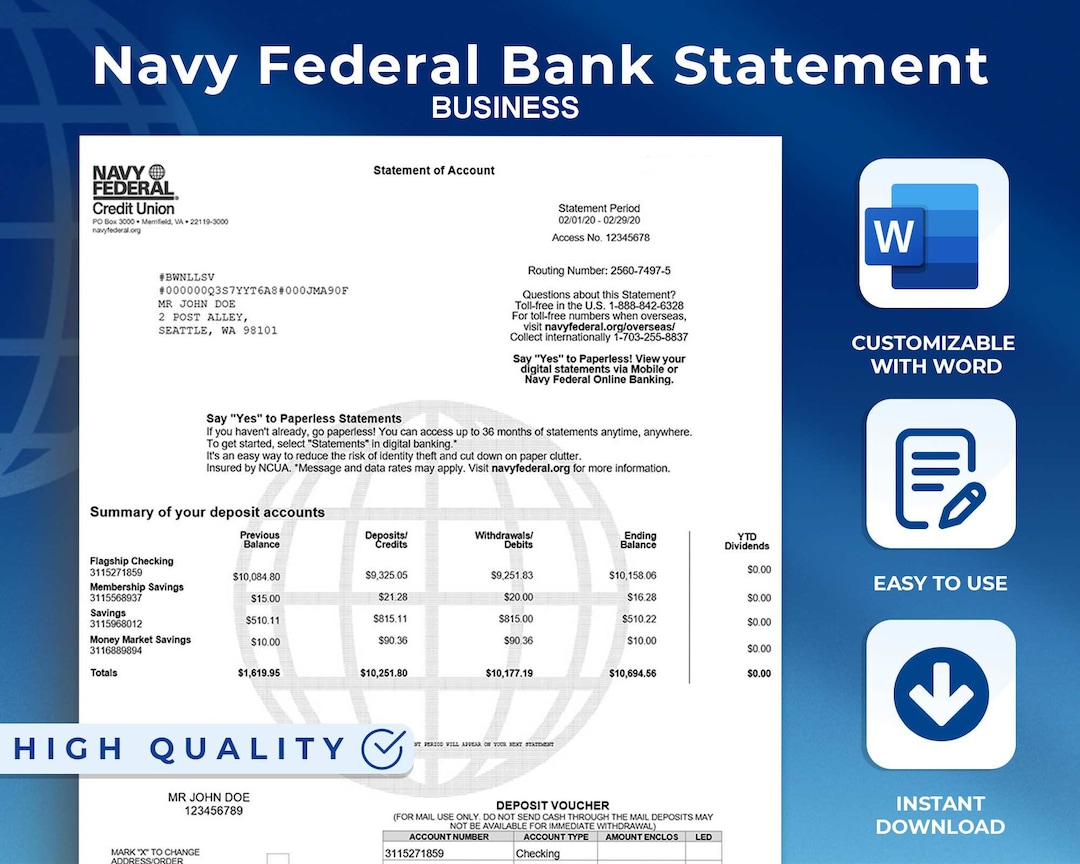
Navy Federal Credit Union does not offer internal small business grants to its members. While the credit union provides a comprehensive suite of financial products, including business checking accounts, lines of credit, and term loans, it does not maintain a program for the direct distribution of non-repayable capital or business grants.
Navigating the Landscape of Business Funding
For many business owners, particularly those within the military community, Navy Federal Credit Union is a trusted primary financial institution. It is common for entrepreneurs to explore whether their credit union offers grant programs, as they often seek non-dilutive capital to fuel growth, purchase equipment, or cover operational expenses. However, it is essential to distinguish between the various types of capital available.
Grants are essentially "gift" money provided by governments, foundations, or corporations that do not require repayment. In contrast, Navy Federal focuses on debt-based financing. By understanding the distinction, business owners can stop searching for nonexistent internal programs and instead focus their efforts on institutions and portals where such funding is actually available.
Understanding Navy Federal’s Role in Business Finance
Navy Federal Credit Union serves its business members by providing access to credit and liquid assets rather than philanthropic funding. Their business services are designed for established operations or those in the startup phase that have a clear path to repayment.
The credit union’s primary mechanisms for supporting business members include:
- Business Term Loans: These are structured for specific investments, such as purchasing machinery, commercial real estate, or vehicles. They offer fixed or variable interest rates and set repayment schedules.
- Business Lines of Credit: These provide flexible, revolving access to capital, allowing business owners to draw funds as needed for operational cash flow, inventory, or emergency expenses.
- Business Credit Cards: These facilitate daily business transactions and often help owners track expenses while building business credit.
- Commercial Real Estate Financing: Specialized loans for members looking to acquire or refinance commercial property.
Because these financial products are rooted in lending, they are subject to standard credit underwriting processes. Applicants must demonstrate financial stability, provide business plans, and often show historical revenue to qualify for these traditional credit facilities.
Why Banks and Credit Unions Rarely Issue "Grants"
From a structural and regulatory standpoint, credit unions are financial cooperatives owned by their members. Their primary fiduciary duty is to ensure the safety and soundness of the pooled member deposits. Providing "grants"—which by definition carry no expectation of a return on investment—is not a standard function of a credit union’s balance sheet.
When you encounter mentions of "grants" in relation to banks or credit unions, it often refers to the institution acting as a facilitator for government-backed programs or hosting corporate philanthropy initiatives that are distinct from their banking products. Navy Federal supports the military community through various charitable sponsorships, but these are typically directed toward non-profit organizations or veteran-focused social programs rather than individual business enterprise funding.
Where to Actually Find Business Grants
If your business is in need of capital and you have exhausted traditional lending options, or if you are specifically looking for non-repayable funds, you should look toward government entities and specialized private organizations.
The following sources are the primary hubs for legitimate business grant opportunities:
- Grants.gov: This is the centralized portal for all federal grant programs. While most of these are directed at non-profits, researchers, or specific high-tech innovation sectors (such as the Small Business Innovation Research program), it is the most reliable resource for government funding.
- Small Business Administration (SBA): The SBA does not offer direct grants for starting or expanding a business. However, they provide extensive counseling, mentorship, and loan guarantee programs that can make it easier to secure capital from other lenders.
- State and Local Economic Development Agencies: Many states and municipalities offer small business grants aimed at local job creation, downtown revitalization, or minority-owned business initiatives. These are often categorized under "Economic Development."
- Veteran-Focused Organizations: Since Navy Federal members often have military ties, organizations like the StreetShares Foundation or the Hivers & Strivers group may offer, or connect you with, capital programs tailored specifically to veteran entrepreneurs.
Comparison Table: Debt Financing vs. Grants
| Feature | Business Loan (e.g., Navy Federal) | Business Grant (Government/Private) |
|---|---|---|
| Repayment | Required with interest | Not required |
| Eligibility | Credit score, revenue, collateral | Industry, mission, location, status |
| Availability | Widely available for qualified applicants | Highly competitive, limited quantity |
| Process | Standardized underwriting | Application and evaluation period |
| Timeframe | Fast (days to weeks) | Slow (months, often cyclical) |
How to Prepare Your Business for Funding Applications
Whether you are applying for a standard business loan at Navy Federal or pursuing a highly competitive government grant, the preparation process is remarkably similar. Organizations that provide money—whether they expect it back or not—want to see that you have a viable, well-managed business.
- Formalize Your Business Structure: Ensure your business is registered, has a valid Tax ID (EIN), and operates under a formal legal structure (LLC, Corporation, etc.).
- Maintain Accurate Financial Records: You should have organized profit and loss statements, balance sheets, and tax returns for the previous two to three years. Lenders and grant committees look for evidence of financial discipline.
- Draft a Comprehensive Business Plan: Even if the funding source does not explicitly request one, having a business plan is crucial. It details your market analysis, your competitive advantage, and exactly how the funds will be utilized to achieve growth.
- Register with SAM.gov: If you intend to pursue any federal funding, you must have an active registration on the System for Award Management (SAM) website. This is mandatory for any entity seeking government contracts or grants.
- Build Your Credit Profile: For loans, your personal and business credit scores are paramount. For grants, your business reputation and compliance history matter. Pay off existing debt and minimize late payments to ensure you look like a low-risk candidate.
Common Pitfalls and Avoiding Scams
The search for business funding is unfortunately a magnet for fraudulent activity. Be highly cautious of any entity—online or otherwise—that promises "guaranteed" grants for a fee.
Red Flags to Watch For:
- Fees for Application: Legitimate government grant applications are almost always free. If a company asks for an "application fee" or an "administrative fee" to guarantee a grant, it is almost certainly a scam.
- Guaranteed Approval: No legitimate funding organization can guarantee you a grant before reviewing your comprehensive proposal.
- High-Pressure Tactics: Scammers often try to create a false sense of urgency, telling you that a grant window is closing within hours to force you into a quick, ill-advised financial commitment.
- Off-Platform Communication: Always conduct your business through verified, official websites (those ending in .gov, .org, or the official corporate domain of a known financial institution).
If you are a member of Navy Federal, your best path forward is to schedule a consultation with a business banking representative. They can review your specific financial situation and explain which products—such as a business line of credit—can help bridge your current funding gap.
Frequently Asked Questions
1. Can I use a Navy Federal business loan to start a business? Navy Federal business loans are generally geared toward established businesses. Startup financing is significantly more difficult to obtain through traditional credit unions, as startups often lack the historical revenue and collateral required for standard loan underwriting. You may need to explore SBA-guaranteed loans or alternative funding sources for early-stage ventures.
2. Where should I check for veteran-specific business grants? The Department of Veterans Affairs (VA) provides resources for veteran entrepreneurs, and they often maintain lists of private organizations, such as the Veteran Business Outreach Center (VBOC), that offer training and financial guidance. Start by visiting the official VA website to view their small business support directory.
3. Does the government offer grants for small businesses? Yes, but they are rarely for general business operating expenses. Most federal grants are for specific purposes, such as research and development, green energy innovation, or international trade expansion. If you are a general retailer or service provider, direct federal grants are extremely rare.
4. Is a business line of credit better than a grant? A line of credit offers flexibility and immediate access to capital, but it must be repaid with interest. A grant is free capital but is incredibly difficult to win and often comes with rigid reporting requirements regarding how the money is spent. For most businesses, a line of credit is a more realistic and reliable tool for ongoing cash flow management.
5. How do I improve my chances of getting a business loan at Navy Federal? Improve your chances by maintaining a clean business credit report, ensuring your tax filings are up to date, and having a clear, documented plan for how you will use the borrowed funds to increase your revenue. A high personal credit score is also a significant factor in the underwriting process for smaller business entities.
Recommended Next Actions
If you are currently looking for funding, your most immediate step should be to assess your financial needs objectively. Determine the exact amount of capital required and what it will be used for.
If you need liquidity to manage daily operations, contact a business banker at Navy Federal to inquire about a business line of credit. If you are looking for non-repayable capital for a specialized, innovative project, begin your research on Grants.gov or reach out to your local Small Business Development Center (SBDC). These organizations provide free, expert counseling to help you navigate the complex world of business funding and can point you toward the most appropriate resources for your specific industry.