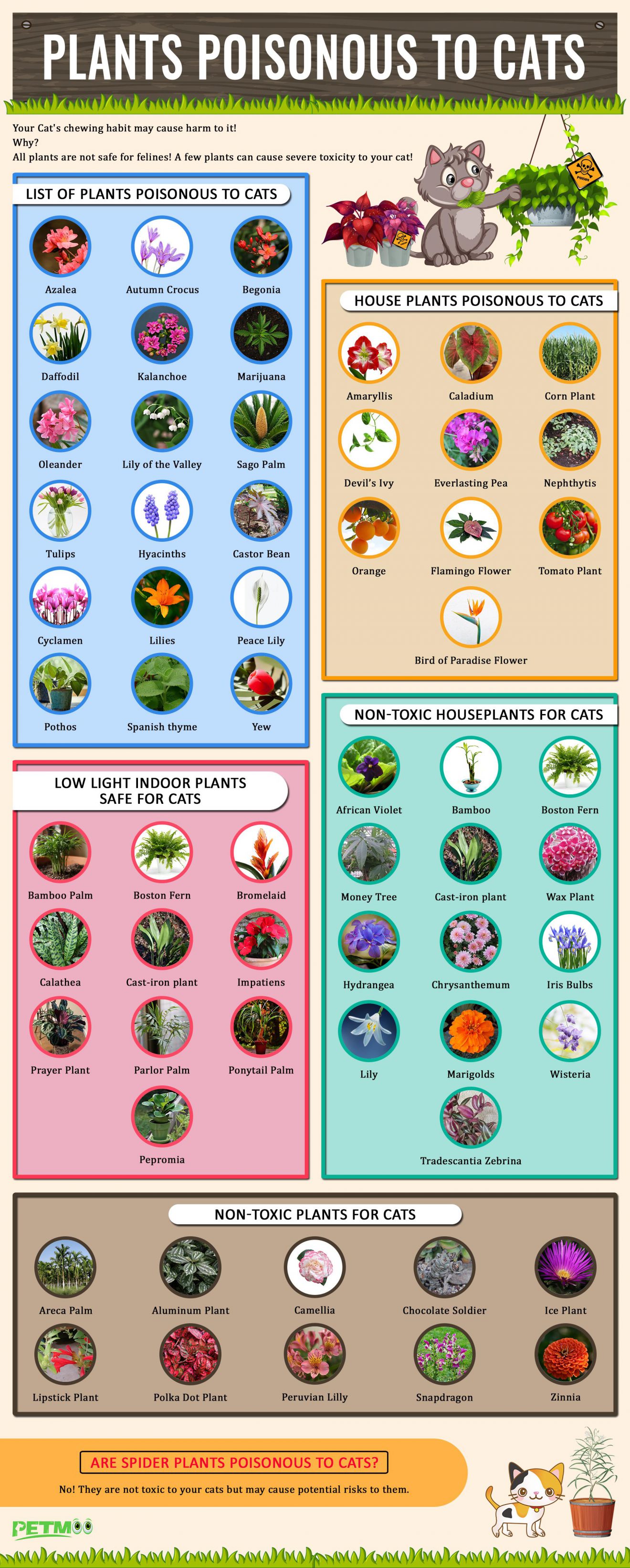
Nerve plants (Fittonia albivenis) are considered non-toxic to cats. According to the American Society for the Prevention of Cruelty to Animals (ASPCA), this popular houseplant does not contain harmful alkaloids, insoluble calcium oxalates, or glycosides that typically cause poisoning in felines. Consequently, if your cat nibbles on a nerve plant, they are unlikely to suffer from systemic toxicity, though minor gastrointestinal irritation may still occur.
Understanding the Safety Profile of Fittonia albivenis
When integrating houseplants into a home shared with curious felines, the primary concern for any pet owner is the biological potential for harm. The nerve plant, characterized by its striking, vein-patterned leaves and compact growth habit, is a favorite among indoor gardeners. Because it thrives in humid, shaded environments like terrariums or bathroom windowsills—spaces often accessible to cats—its safety status is a frequent inquiry.
The classification of "non-toxic" indicates that the plant is not known to cause life-threatening symptoms upon ingestion. Unlike lilies (Lilium or Hemerocallis species), which are nephrotoxic and can cause acute kidney failure in cats, or dieffenbachia, which contains needle-like raphides that cause intense oral pain, Fittonia lacks these potent chemical defense mechanisms. However, the designation of "non-toxic" should not be interpreted as "edible."
The Difference Between Toxic and Irritating
While nerve plants are not poisonous, plants are biologically complex. The act of a cat eating any houseplant—even a safe one—can result in physical distress. This is primarily due to the mechanical nature of the plant matter itself. The leaves are fibrous and possess a texture that the feline digestive system is not designed to process in large quantities.
If a cat consumes a significant portion of a nerve plant, the most common clinical response is a simple upset stomach. This may manifest as mild vomiting or diarrhea as the cat’s body attempts to expel the undigested cellulose. These symptoms are generally self-limiting and resolve once the plant material passes through the digestive tract.
Clinical Signs and Symptomatic Monitoring
Even though nerve plants are safe, every individual cat has a unique tolerance for foreign organic matter. Identifying when a "normal" reaction to plant consumption crosses the line into something requiring veterinary attention is a critical skill for pet owners.
Mild Symptoms to Observe
If your cat has ingested a small amount of Fittonia, you may notice:
- Occasional vomiting: Usually a single episode of clearing the stomach of plant fibers.
- Loose stools: Minor changes in fecal consistency that resolve within 24 hours.
- Oral discomfort: If the plant was recently sprayed with pesticides or fertilizers, the cat may drool or paw at its mouth.
When to Consult a Veterinarian
You should seek professional medical advice if symptoms persist beyond 24 hours or if you observe more severe clinical manifestations. These might include:
- Lethargy: If your cat appears unusually tired or unresponsive.
- Persistent vomiting: Inability to keep food or water down.
- Signs of dehydration: Sunken eyes, loss of skin elasticity, or dry gums.
- Respiratory distress: Difficulty breathing or unusual panting.
It is important to note that if your cat shows these severe symptoms, they may not be caused by the nerve plant itself. It is possible the cat has ingested an external agent, such as a systemic insecticide applied to the soil, a fertilizer, or a cleaning agent on the leaves. Always keep the original plant label and any associated chemical packaging to show your veterinarian.
Risk Factors: Beyond the Plant Itself
The plant Fittonia is not toxic, but the environment in which it is kept can introduce significant hazards. When assessing your home for pet safety, consider these external variables that often accompany indoor gardening.
Pesticides and Soil Additives
Many commercially available houseplants are treated with systemic insecticides to prevent infestations of spider mites or mealybugs during transit and nursery storage. These chemicals are absorbed into the plant's vascular system. While the plant may be non-toxic, the chemicals within the leaves can be highly toxic to a cat.
Always repot new plants using fresh, cat-safe organic potting soil and rinse the foliage gently with water to remove potential residues. Avoid using "leaf shine" products, which often contain synthetic oils or waxes that can cause digestive upset if ingested by a cat during grooming.
Fertilizers and Fungicides
Fertilizer spikes, granules, or liquid concentrates left in the proximity of a plant are a major risk. Cats are naturally inquisitive and may dig in the soil or chew on the plastic containers of fertilizer. Store all gardening supplies in a locked cabinet inaccessible to pets. If you use liquid fertilizers, ensure they are fully diluted according to instructions and that the soil surface is dry before letting your cat back into the area.
Managing the Interaction Between Cats and Nerve Plants
If you are determined to keep nerve plants in your home, you can implement several strategies to minimize the risk of ingestion and keep both your greenery and your cat healthy.
Environmental Placement
- Height Advantage: Place Fittonia on high shelves or in hanging planters that are structurally sound and inaccessible to your cat’s jumping reach.
- Enclosed Spaces: Utilize terrariums with secure, mesh-covered lids. This creates a miniature climate for the nerve plant while providing a physical barrier that prevents feline access.
- Deterrence: Some cats dislike the scent of citrus. Placing organic, cat-safe citrus peels near the base of the plant can act as a natural deterrent.
Meeting the Cat's Biological Needs
Cats often chew on plants because they have an instinctual desire for dietary fiber or because they are bored. By providing safe alternatives, you can redirect this behavior:
- Cat Grass: Grow wheatgrass or oat grass specifically for your cat. This satisfies their desire to graze on green matter and provides a healthier, softer alternative to the fibrous leaves of a nerve plant.
- Environmental Enrichment: Boredom is a primary driver of plant-chewing. Increase active play time with interactive toys to burn off excess energy and provide mental stimulation.
- Training: Use positive reinforcement to discourage the cat from interacting with your plant collection. Never use physical punishment; instead, use redirection or temporary removal of the plant.
Comparison of Plant Toxicity for Cat Owners
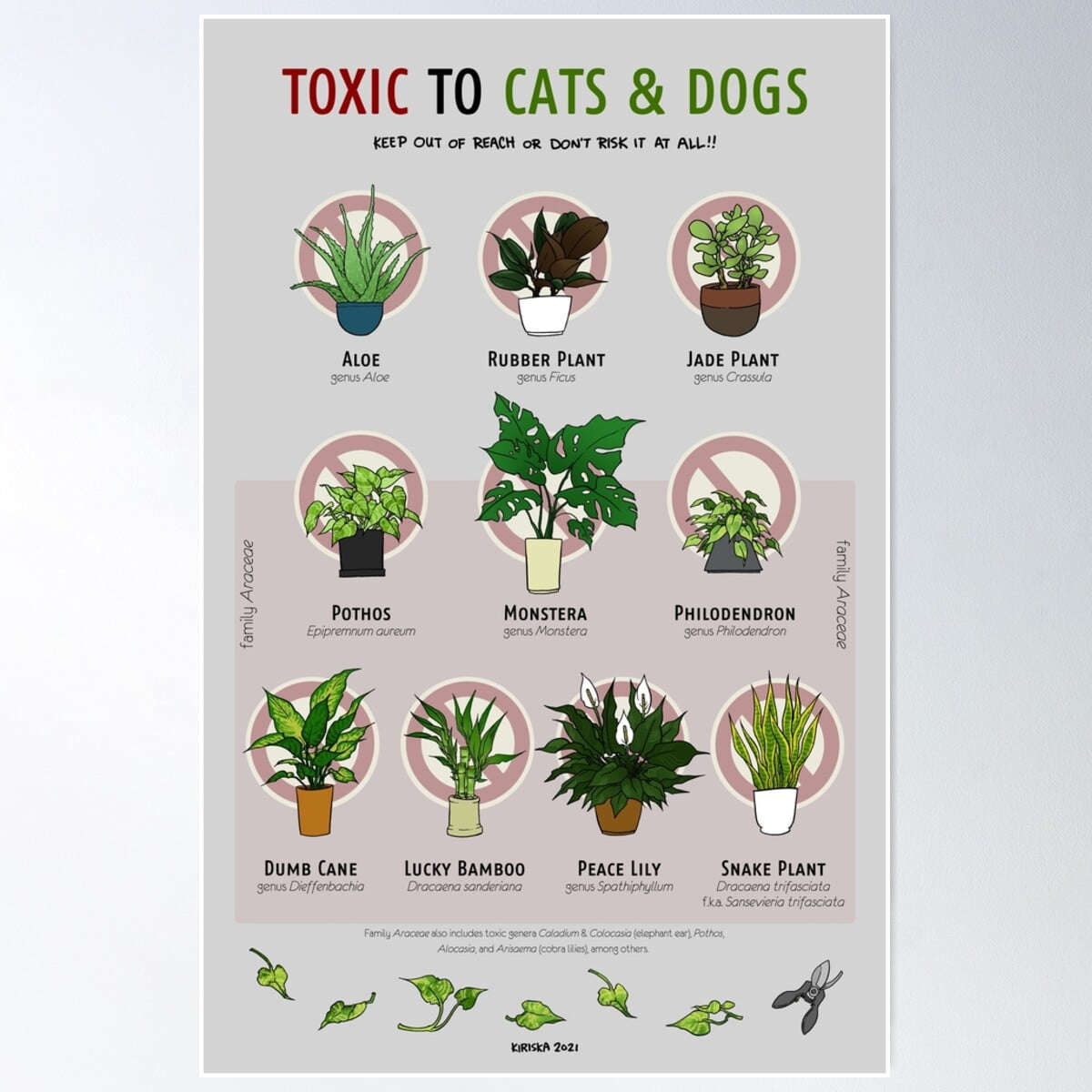
To help you manage your indoor garden, the following table compares common household plants and their safety levels for cats.
| Plant Name | Toxic to Cats? | Symptoms if Ingested |
|---|---|---|
| Nerve Plant (Fittonia) | No | Generally none; mild vomiting possible |
| Spider Plant (Chlorophytum comosum) | No | Mildly hallucinogenic effect (cats love it) |
| Easter Lily (Lilium longiflorum) | Yes | Acute kidney failure; potentially fatal |
| Pothos (Epipremnum aureum) | Yes | Oral irritation, burning, swelling, drooling |
| Snake Plant (Dracaena trifasciata) | Yes | Nausea, vomiting, diarrhea |
Note: Even "non-toxic" plants can cause physical blockage if consumed in large quantities. Always monitor your pet’s behavior.
Frequently Asked Questions
What should I do if my cat eats a piece of a nerve plant?
Remain calm. Because nerve plants are non-toxic, there is no need for immediate panic or induced vomiting. Monitor your cat for the next few hours for signs of distress. If they seem normal, provide fresh water and ensure they are eating their regular food. If they vomit repeatedly, consult your veterinarian.
Can nerve plant pollen harm my cat?
Nerve plants typically bloom with inconspicuous, spike-like flowers. Unlike the highly toxic pollen of lilies, which can cause kidney failure even in microscopic amounts, nerve plant pollen is not known to be toxic to cats. However, excessive inhalation of any pollen can trigger allergies in some cats, resulting in sneezing or nasal discharge.
Is the nerve plant safe for kittens?
Kittens are more vulnerable to gastrointestinal upset than adult cats because their digestive systems are still developing. While the plant is non-toxic, a kitten's smaller size means that even a small amount of plant material could cause a greater proportional reaction, such as a blockage or severe diarrhea. Keep plants out of reach of kittens until they are older and less prone to chewing on objects.
How can I make my nerve plant less attractive to my cat?
Cats are often attracted to the movement of leaves. If your nerve plant is in a breezy area, the shifting leaves may trigger a hunting instinct. Move the plant to a spot with still air. You can also use double-sided "sticky tape" designed for cats around the base of the pot to prevent the cat from digging in the soil, which is often more appealing to them than the plant itself.
Final Recommendations for Pet Owners
While the nerve plant (Fittonia albivenis) is a safe, non-toxic addition to a home with cats, the safety of your pet remains your responsibility. The best practice is to treat all houseplants as "forbidden" by design, utilizing elevation and secure placement to prevent ingestion entirely. By satisfying your cat's natural instincts through safe alternatives like cat grass and consistent playtime, you can enjoy your botanical hobby without compromising your feline companion's health. If you are ever in doubt regarding a plant's toxicity, always consult the ASPCA Animal Poison Control Center or your local veterinarian for the most current, verified data.