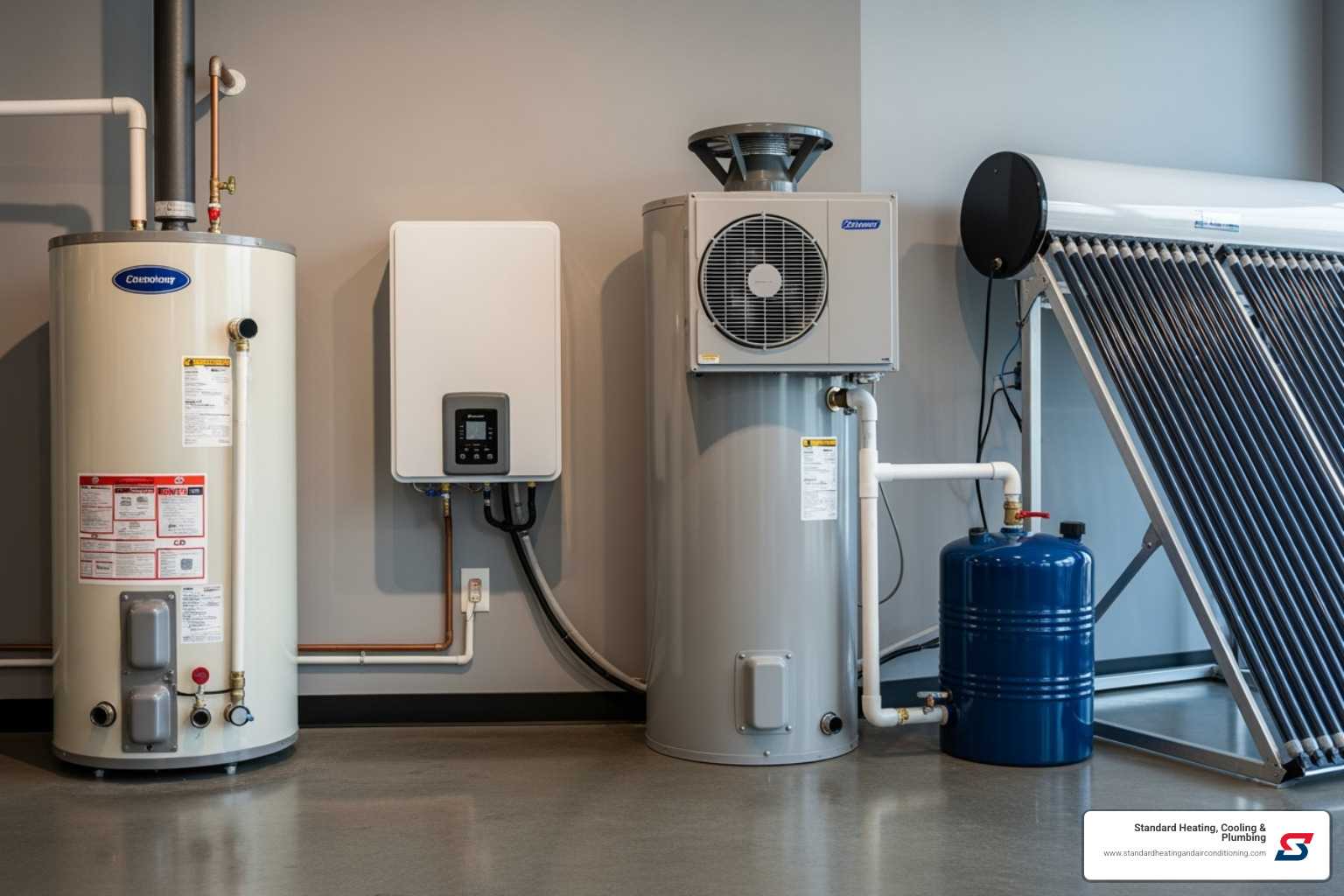
Modern water heaters are significantly more efficient than units manufactured even a decade ago, primarily due to updated federal efficiency standards, improved insulation materials, and the widespread adoption of heat pump technology. For homeowners and property managers in 2026, upgrading to a new system can lead to substantial reductions in energy consumption, lower monthly utility bills, and a reduced carbon footprint, provided the replacement matches the specific needs of the household.
Understanding Water Heater Efficiency Standards
The primary driver behind the increased efficiency of new water heaters is the tightening of regulations set by the U.S. Department of Energy (DOE). Since the implementation of the National Appliance Energy Conservation Act (NAECA) and subsequent updates, manufacturers have been forced to innovate to meet higher Uniform Energy Factor (UEF) ratings. The UEF is the current standard metric used to measure water heater performance, replacing the older Energy Factor (EF) rating.
A higher UEF indicates that a water heater is more efficient at converting energy—whether electricity, natural gas, or propane—into hot water. In 2026, a standard residential tank-style water heater on the market must meet much stricter heat loss requirements. Modern units feature thicker layers of foam insulation between the inner tank and the outer shell, which drastically reduces standby heat loss. Standby heat loss occurs when water in the tank cools down while not in use, forcing the unit to cycle on and reheat the water. By improving the "R-value" (thermal resistance) of the insulation, modern tanks maintain water temperature for longer periods without using additional energy.
The Shift to Heat Pump Technology
The most dramatic leap in efficiency for new water heaters is found in Heat Pump Water Heaters (HPWHs), also known as hybrid electric water heaters. While traditional electric resistance heaters use energy to generate heat directly, HPWHs function like a refrigerator in reverse. They extract ambient heat from the surrounding air and transfer it into the water tank.
Because a heat pump is merely moving existing heat rather than generating it from scratch, these units can achieve UEF ratings well above 3.0 or 4.0, whereas a traditional electric tank heater struggles to break 1.0. This means that a hybrid unit can be three to four times more efficient than a standard electric resistance tank. While these units are more expensive to purchase upfront, their operational efficiency often makes them the most cost-effective choice over the lifespan of the equipment, especially in regions with high electricity costs.
Evaluating Gas-Fired Efficiency
If your home relies on natural gas, you might wonder if new units are truly better than older atmospheric vent models. The answer is yes, but the improvements are categorized differently than in electric models. Newer gas water heaters, particularly high-efficiency condensing models, use advanced heat exchangers to extract more thermal energy from the combustion process before the exhaust gases are vented out of the home.
Standard atmospheric gas water heaters vent a significant amount of heat up the chimney, which is essentially wasted energy. Condensing water heaters recapture that heat. While they require different venting materials (usually PVC or CPVC instead of metal) and a condensate drain to handle the acidic water produced during the cooling of exhaust gases, the efficiency gain is undeniable. For households with high hot water demand, these units provide a reliable way to heat water without the energy waste inherent in older, traditional designs.
Factors Influencing Your Real-World Efficiency
While manufacturers provide UEF ratings, your actual efficiency will depend on how the unit is installed and maintained within your home. A highly efficient water heater will perform poorly if it is not sized correctly for the household's usage patterns.
1. The Importance of Sizing
A water heater that is too small for a large family will be constantly overworked, leading to premature wear and inconsistent water temperature. Conversely, a unit that is too large for a small household will waste energy heating a massive volume of water that rarely gets used. Using a "First Hour Rating" (FHR) calculation helps determine if a unit can provide enough hot water during peak usage times.
2. The Impact of Pipe Insulation
Even the most efficient water heater loses energy through the piping system. Modern installation standards strongly emphasize the use of pipe insulation on the first few feet of hot and cold water lines connected to the heater. This simple, inexpensive addition prevents heat from bleeding into the walls or surrounding air, keeping the water hot as it travels to the tap.
3. Maintenance and Sediment Buildup
Over time, minerals in the water (hard water) settle at the bottom of the tank. This sediment acts as an insulator between the heat source and the water. In a gas unit, the fire must heat the sediment layer first before it can effectively warm the water, which wastes energy and can cause "popping" or "banging" noises. Annual flushing of the tank is a critical maintenance task for maintaining factory-rated efficiency throughout the life of the unit.
Comparative Efficiency Overview
The following table compares the typical efficiency ranges of various water heater technologies available in 2026.
| Water Heater Type | Relative Efficiency | Heat Source | Primary Benefit |
|---|---|---|---|
| Electric Resistance | Low | Electricity | Low initial cost |
| Standard Gas | Moderate | Natural Gas/Propane | Fast recovery time |
| Condensing Gas | High | Natural Gas/Propane | High volume for large homes |
| Heat Pump (Hybrid) | Very High | Electricity/Ambient Air | Exceptional energy savings |
| Tankless (On-Demand) | High | Gas/Electric | No standby heat loss |
Addressing the Tankless Option
Tankless or "on-demand" water heaters are often perceived as the pinnacle of efficiency because they do not store water, eliminating standby energy loss. While this is true, they come with caveats. A tankless unit only heats water when a faucet is opened. This prevents the energy waste associated with keeping 50 gallons of water hot 24/7.
However, tankless units have a "flow rate" limit. If you are running multiple showers and a dishwasher simultaneously, a single tankless unit may struggle to keep up, resulting in lukewarm water. Furthermore, the burners or heating elements must fire up with high intensity to provide near-instant hot water, which creates a significant energy spike during that operation. For the average home, a modern, well-insulated tank or a heat pump model may often be more practical and consistent than a tankless unit, depending on regional water temperatures and peak usage demands.
Common Misconceptions
One common myth is that simply buying a "new" unit will automatically save money regardless of the type. If you replace an old, inefficient electric resistance heater with a new, cheap electric resistance heater, your savings will be negligible. The efficiency gains are tied to the technology inside the unit (the transition to heat pump or condensing mechanics), not merely the fact that the unit was manufactured in 2026.
Another misconception is that maintenance is optional for modern units. While newer units are designed to be more durable, the increased reliance on electronic sensors and smart features means that protecting the unit from power surges (via a surge protector) and regular flushing is more important than ever. Sensors can fail or drift over time, and if you have a heat pump model, cleaning the air filter is just as vital as cleaning a furnace filter to ensure proper airflow for the heat exchange process.
Making the Decision: Is it Time to Replace?
If your current water heater is more than 10 to 12 years old, it is likely nearing the end of its intended service life. Beyond efficiency, consider the risk of tank failure. A leaking tank can cause significant property damage. To decide if replacement is right for you, evaluate the following:
- Utility Bills: Are your monthly energy costs rising, even when your usage remains consistent?
- Performance: Does your water take longer to get hot, or do you run out of hot water faster than before?
- Maintenance History: Has the unit been flushed regularly, or is it filled with mineral buildup?
- Tax Incentives: Check local and federal incentives for 2026. Many jurisdictions offer tax credits for upgrading to high-efficiency Heat Pump or ENERGY STAR-certified models, which can significantly offset the initial purchase price.
If you decide to replace your unit, look for the EnergyGuide label on the product. This label provides an estimate of the annual energy consumption and operating cost, allowing you to compare models side-by-side based on your local utility rates.
Frequently Asked Questions
Do new electric water heaters save a lot of money?
Yes, specifically if you switch from a standard electric resistance tank to a heat pump model. While standard electric models have improved, they are limited by the laws of physics. Heat pump models use significantly less electricity to provide the same result, often paying for the price difference through energy savings within a few years.
Is gas or electric more efficient in 2026?
It depends on the specific technology. A heat pump (electric) is generally more energy-efficient than a standard gas heater. However, if you are looking at a condensing gas heater, it is highly efficient and may be preferable if your home is already equipped for gas and you have high hot water demand.
Do I need to upgrade my electrical panel for a new water heater?
If you are switching from a gas unit to an electric heat pump model, you may need a 240-volt circuit installed. Always consult with a licensed electrician to verify that your panel has the necessary capacity before purchasing a unit that requires a different power source than your current one.
Does a tankless heater save money for every household?
Not necessarily. While tankless heaters eliminate standby heat loss, they can be more expensive to install and may require gas line upgrades to ensure the unit receives enough fuel to meet peak demand. They are most efficient for small households or as point-of-use heaters in specific areas of the home.
How long does a modern high-efficiency heater last?
The lifespan remains similar to older units, typically 10–15 years. However, modern units with electronic controls may require more component-level repairs during their life compared to simpler, older models that used mechanical thermostats.
Final Recommendation
When considering if you should upgrade, prioritize the Heat Pump Water Heater if you have the space and the necessary electrical capacity. It represents the most significant efficiency jump available. If you are committed to gas, focus on condensing models to minimize waste. Regardless of the type you choose, ensure the unit is sized correctly for your household's peak water demand and commit to an annual maintenance schedule, including flushing the tank, to ensure that the efficiency you paid for is maintained over the long term.