Many common summer pet safety tips circulating online contain a mix of helpful advice and potentially dangerous misconceptions. Evaluating whether your current routine is truly safe requires looking past anecdotal claims to understand the physiological limits of your pet, the environmental conditions they face, and the established guidelines set by veterinary organizations. Assessing these tips requires critical scrutiny, as misinformation can lead to heat-related illnesses, hydration issues, or avoidable accidents during the hottest months of the year.
Understanding the Physiological Risks of Summer Heat
Before reviewing specific safety tips, you must understand why pets are uniquely vulnerable to summer weather. Unlike humans, dogs and cats have a limited ability to dissipate heat. While humans have sweat glands across their entire bodies to facilitate evaporative cooling, dogs primarily cool themselves through panting and, to a very minor degree, sweat glands located in their paw pads.
This biological limitation makes pets highly susceptible to heatstroke—a medical emergency characterized by a rapid rise in body temperature that can cause multi-organ failure. A common mistake pet owners make is assuming that because they feel comfortable in a given temperature, their pet does as well. However, the radiant heat from pavement, the lack of airflow in certain environments, and the insulating properties of a pet's fur coat can create a micro-climate that is significantly hotter for the animal than it is for the owner.
Evaluating Common "Safety" Tips
To determine if your current strategies are effective, compare them against the following common claims, which are often misunderstood or misinterpreted by pet owners.
The "Hot Pavement" Myth and Reality
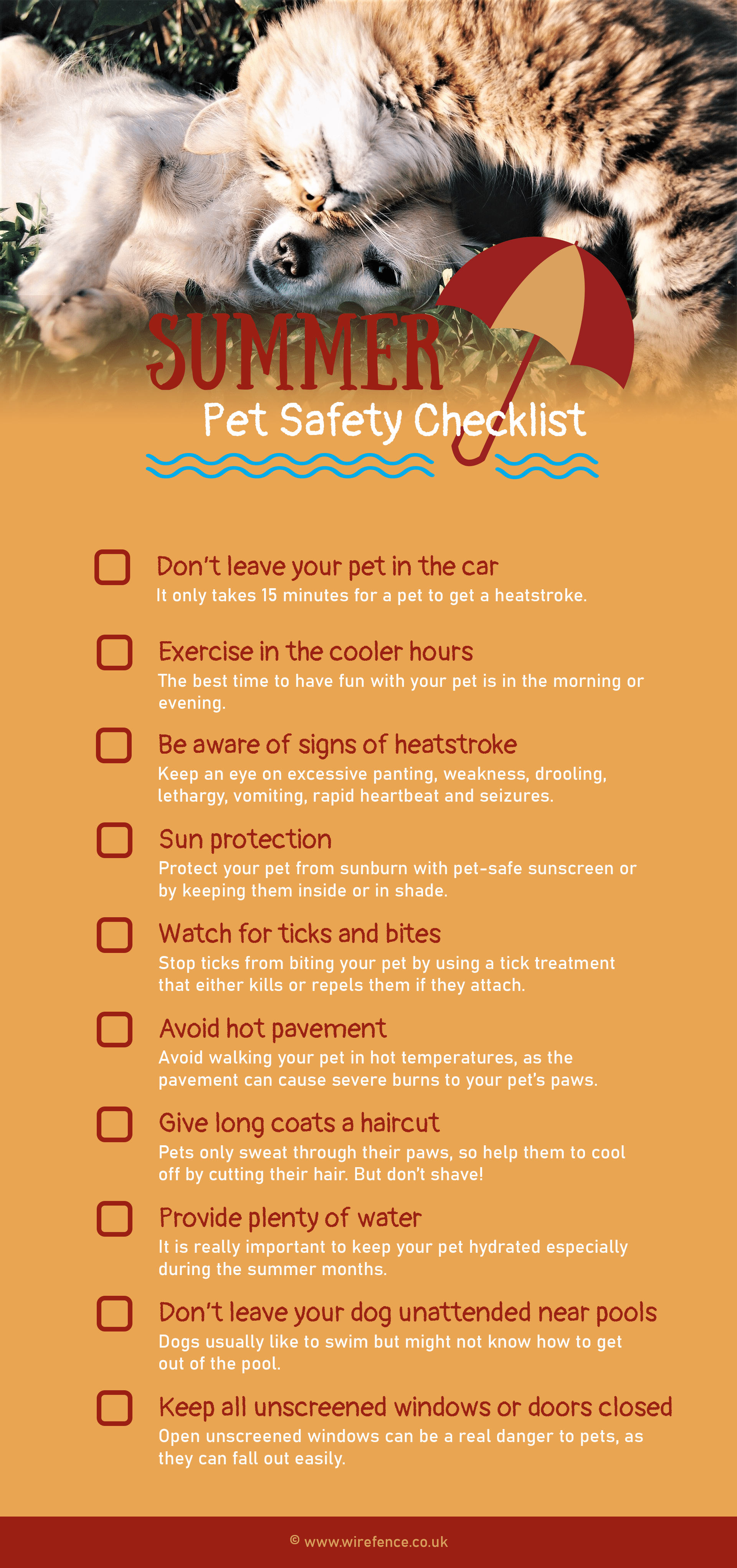
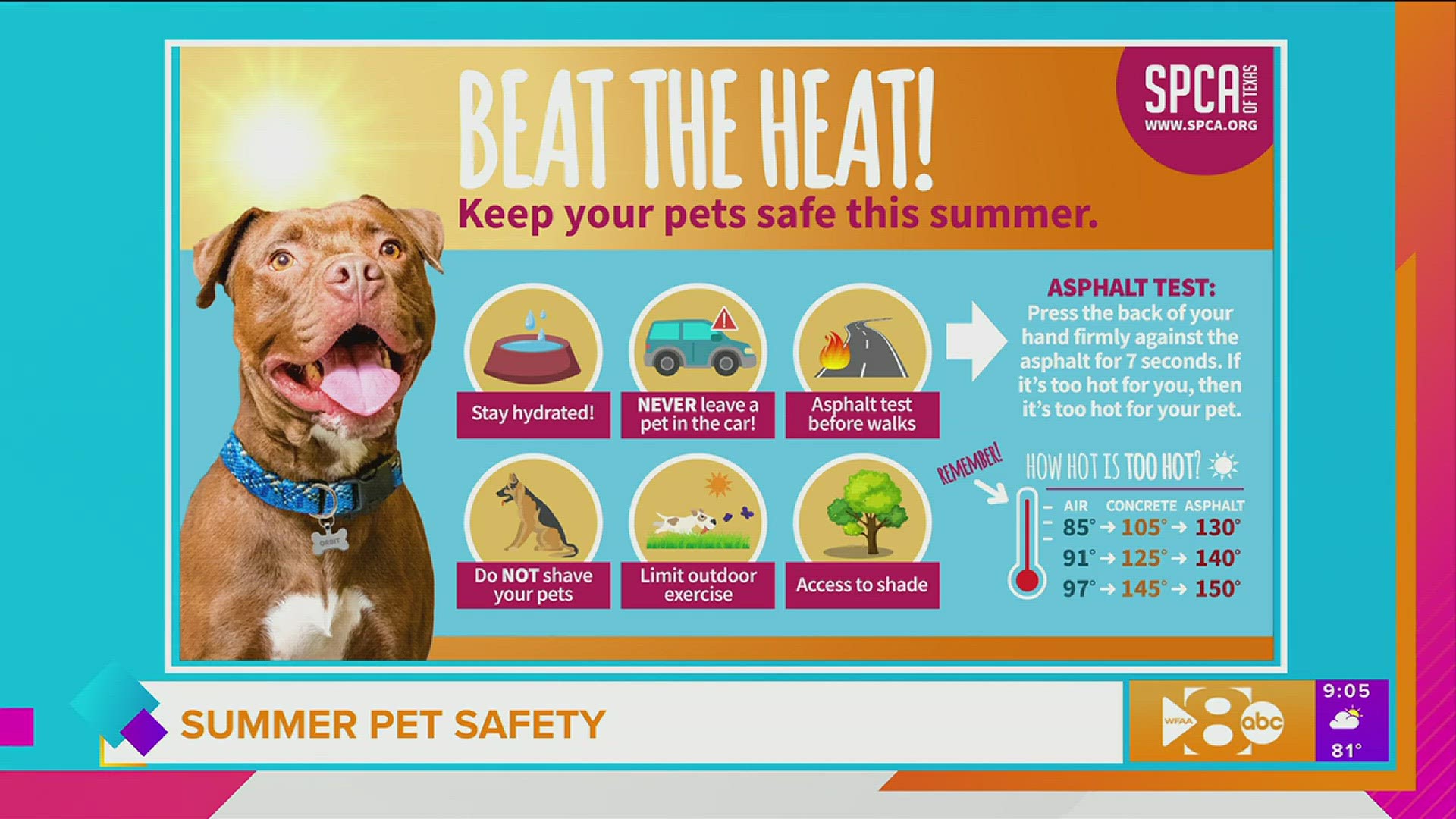
A frequently cited tip is the "seven-second rule," which suggests that if you can hold the back of your hand against the pavement for seven seconds without pain, it is safe for your dog to walk on. While this is a useful heuristic, it is not a scientific safety standard. Asphalt and concrete absorb solar radiation efficiently, reaching temperatures significantly higher than the ambient air temperature. On a day where the air temperature is 85°F (29°C), asphalt can reach 135°F (57°C). At this temperature, skin destruction can occur in less than a minute.
The Reality: The most accurate way to protect paw pads is to avoid walking on dark, heat-absorbing surfaces entirely during peak sun hours (typically 10:00 AM to 4:00 PM). If you must be outside, verify surface heat with a touch test, but prioritize walking on grass or shaded dirt paths.
Hydration: Is Water Always Enough?
Many owners believe that keeping a bowl of water out is sufficient for summer safety. While hydration is the cornerstone of thermal regulation, it is only part of the equation. If a pet is already experiencing the early stages of heat stress, their thirst mechanism may be impaired, or they may be too distressed to drink effectively.
The Reality: You should provide multiple sources of clean, cool water. If your pet is spending time outdoors, ensure at least one water source is kept in a fixed, shaded location. If you notice your pet is not drinking, or if they are panting excessively, they are already past the point where a water bowl can reverse the effects of the heat.
The "Shaving the Dog" Debate
A pervasive myth is that shaving a double-coated dog helps them stay cool. The reality is that double coats act as insulation against both cold and heat. The undercoat traps air, which provides a cooling barrier against the sun's direct radiation. Shaving a double-coated breed, such as a Golden Retriever or Husky, can actually remove this protective layer, increasing the risk of sunburn and overheating.
The Reality: Regular grooming to remove dead undercoat is significantly more effective at cooling your pet than shaving. The removal of the "shed" allows for better air circulation against the skin.
Comparative Analysis of Summer Safety Strategies
The following table categorizes common practices to help you distinguish between high-efficacy safety measures and those that provide a false sense of security.
| Strategy | Efficacy | Rationale |
|---|---|---|
| Early Morning/Late Evening Walks | High | Avoids peak solar radiation and prevents thermal burns on pads. |
| Shaving Double-Coated Breeds | Low/Harmful | Removes protective insulation; increases sunburn and heat absorption risk. |
| Cooling Vests/Mats | Moderate | Effective for short-term external cooling; does not replace the need for shade. |
| Leaving Windows "Crack" Open | None | Offers zero protection against heat buildup in a stationary vehicle. |
| Grooming Undercoat Removal | High | Improves thermal regulation by allowing air to reach the skin naturally. |
| Ice Water Consumption | Moderate | Generally safe for healthy pets; consult a vet if the pet has bloat risk factors. |
Recognizing the Signs of Overheating
A safe summer plan must include the ability to identify the physiological distress signals of heat exhaustion before they escalate into heatstroke. A common misconception is that a pet will act lethargic if they are too hot. In reality, signs are often more subtle and physiological.
Early Warning Signs
- Excessive Panting: While normal for dogs, a change in intensity or an inability to stop panting when resting is a red flag.
- Excessive Drooling: A change in the consistency of saliva (thick, sticky) indicates dehydration.
- Bright Red Gums: If your pet's gums appear much darker or redder than normal, their body is struggling to regulate its temperature.
Emergency Signs
- Vomiting or Diarrhea: This indicates systemic distress.
- Incoordination or Stumbling: Often referred to as "staggering," this is a sign of neurological impact from heat.
- Collapse or Unconsciousness: This is a life-threatening emergency requiring immediate veterinary intervention.
If you suspect your pet is experiencing heatstroke, move them to a cool, shaded area immediately. You can apply cool (not ice-cold) water to their paw pads and ears, but do not submerge them in freezing water, as this can cause shivering, which paradoxically increases body temperature. Transport them to a veterinary clinic immediately.
Vehicle Safety: A Non-Negotiable Rule
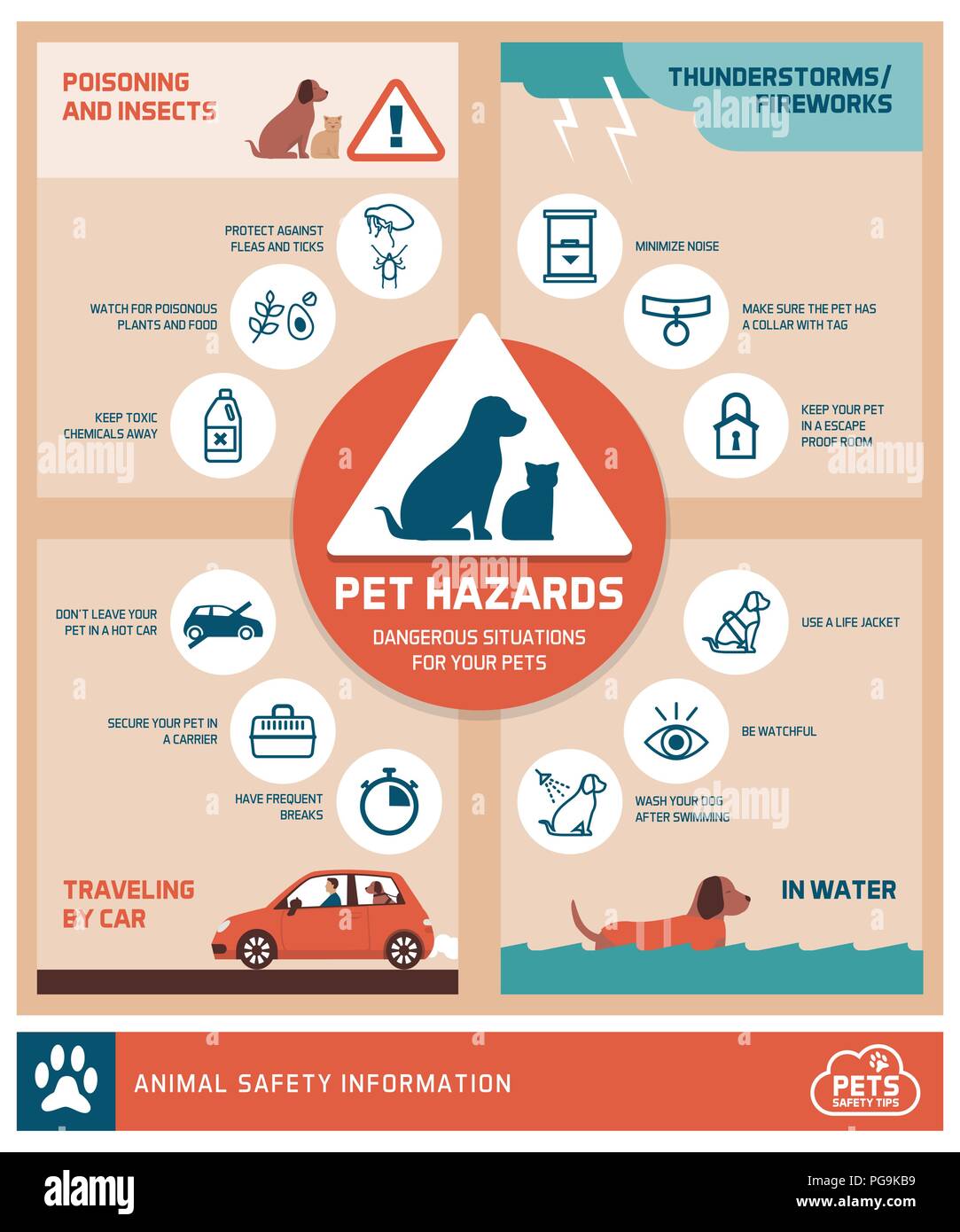
There is no "safe" amount of time to leave a pet in a parked car during the summer. Even with windows cracked or the vehicle parked in the shade, the internal temperature of a car can rise to lethal levels within minutes. This is due to the greenhouse effect, where sunlight passes through the windows and is trapped as heat.
The American Veterinary Medical Association (AVMA) emphasizes that stationary vehicles are essentially ovens. Even if the outside temperature is 70°F (21°C), the temperature inside a vehicle can reach 100°F (38°C) in as little as 20 minutes. There is no technical, mechanical, or behavior-based "tip" that makes leaving a pet in a car safe. The only safe strategy is to leave the pet at home or ensure they are never left unattended in a vehicle.
Creating a Sustainable Summer Safety Plan
To ensure your safety tips are actually protecting your pet, you must shift from reactive management to proactive environmental control.
- Schedule Adjustments: Monitor the local weather forecast. If the temperature is projected to exceed 80°F (27°C) with high humidity, restrict outdoor activity to the early morning or after sunset.
- Environment Audit: Examine your backyard. Does it have consistent, mobile shade? If your pet relies on a doghouse, ensure it is not a plastic structure that absorbs heat. A wooden or well-ventilated structure is safer.
- Hydration Stations: Use wide-bottomed, heavy bowls to prevent tipping. During the summer of 2026, many pet-safe electrolyte additives are available, but consult your veterinarian before adding anything to your pet's water to ensure it does not interfere with underlying health conditions.
- Paw Protection: If you must walk on concrete, treat it as a hazard. Consider using silicone paw wax or pet-specific booties if the surface is unavoidable, though avoidance remains the gold standard.
Frequently Asked Questions
Is it safe to give my pet ice cubes on a hot day?
Yes, for the vast majority of healthy pets, ice cubes are a safe way to encourage hydration and provide enrichment. The concern regarding ice cubes causing bloat (gastric dilatation-volvulus) is largely anecdotal and not supported by veterinary consensus. However, if your pet is a "gulper" or a breed predisposed to bloat, offer water at room temperature or slightly chilled instead.
Should I use sunscreen on my pet?
Yes, pets can get sunburned, particularly those with light-colored fur, thin hair, or pink skin. Use only products specifically formulated for animals, as human sunscreens often contain zinc oxide or salicylates, which are toxic if ingested by pets during grooming.
How do I know if my pet's breed is at higher risk?
Brachycephalic breeds (dogs and cats with flat faces like Pugs, Bulldogs, or Persians) are at a significantly higher risk for heatstroke. Their shortened airways make panting—their primary cooling mechanism—much less efficient. If you own a brachycephalic breed, your summer "safety" threshold should be much more conservative than the average owner's.
Are cooling vests actually effective?
Cooling vests that rely on evaporation or phase-change materials can be effective at keeping a pet's surface temperature lower. They are excellent for short-term use during moderate heat but should not be used as an excuse to keep a pet in high-heat environments or in direct sunlight for long periods.
What should I do if I see a pet locked in a hot car?
Check for the owner in nearby stores immediately. If the owner cannot be located, contact local animal control or law enforcement. Do not attempt to break into the vehicle unless you are fully aware of the "Good Samaritan" laws in your specific jurisdiction, as you may face legal liability for property damage.
Next Actions for Pet Owners
To verify your current summer routine, perform a "safety audit" this week. Assess the temperature of the ground where your pet spends time, re-evaluate your grooming schedule to ensure you are removing undercoat rather than shaving, and ensure that your emergency veterinary contact information is updated for the current year. If your current plans rely on any of the myths addressed—such as leaving a window cracked in a parked car or shaving a double-coated breed—discard these methods immediately in favor of evidence-backed alternatives.