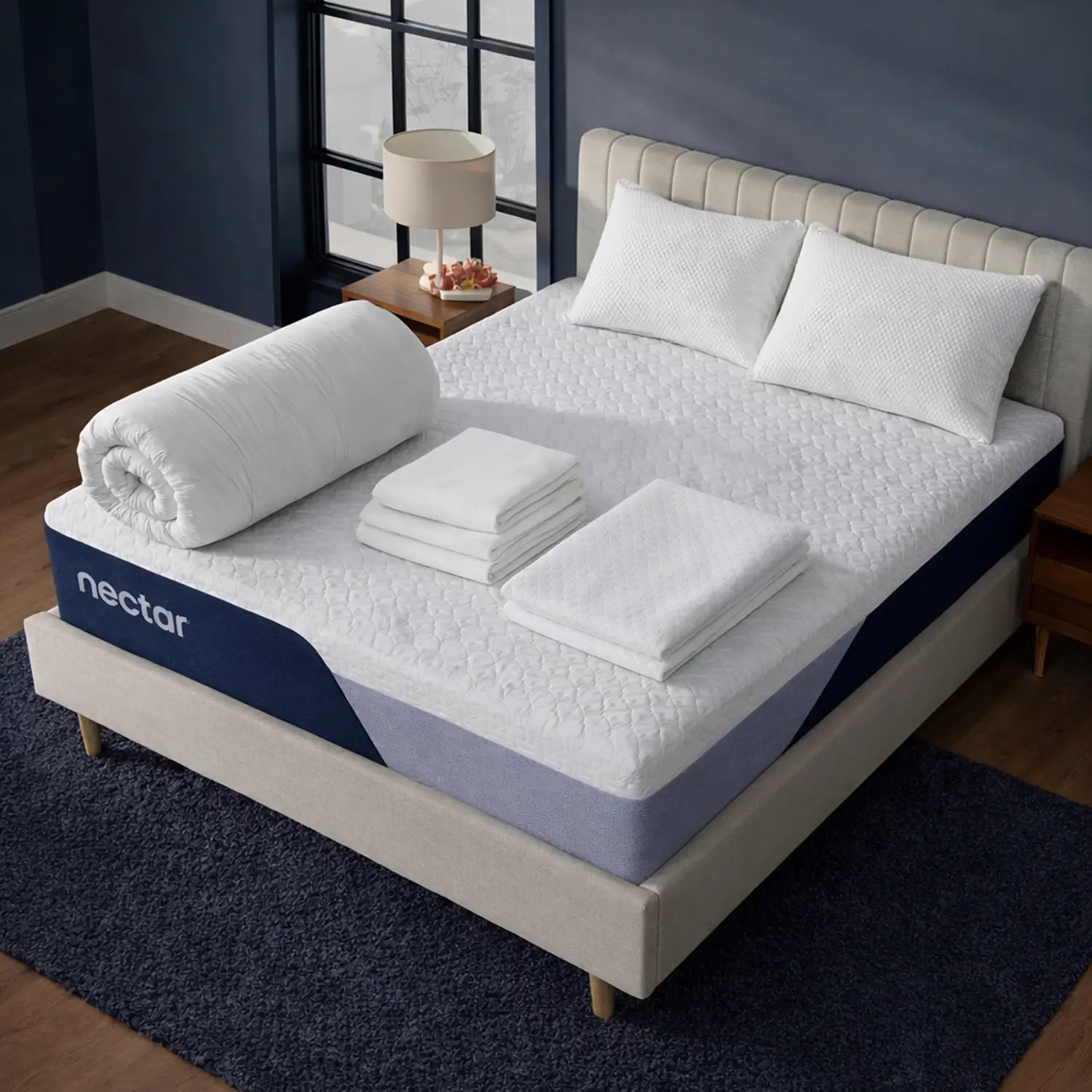
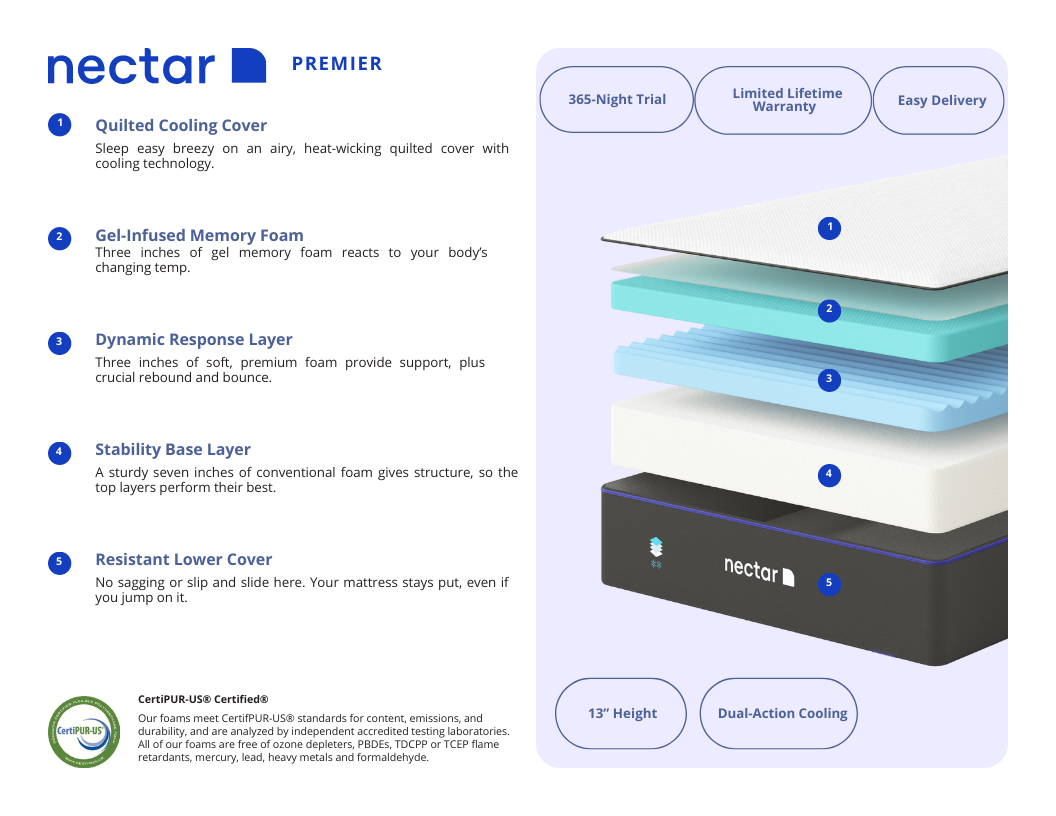
Nectar mattresses are manufactured using a fire-retardant sock made from a proprietary blend of chemical-free, glass-free materials. According to official disclosures, the company does not use fiberglass in the construction of its memory foam mattresses. Consumers looking for reassurance can verify this by checking the product’s law label or contacting the company’s support team directly for current safety certifications.
Understanding Fire Retardants in Modern Mattresses
The inquiry into whether a mattress contains fiberglass stems from a broader consumer movement toward chemical-free and non-toxic sleeping environments. To understand the safety profile of a Nectar mattress, it is helpful to understand the regulatory landscape governing the bedding industry.
In the United States, all mattresses must comply with federal safety regulations regarding flammability. Specifically, the Consumer Product Safety Commission (CPSC) enforces 16 CFR Part 1633, which requires mattresses to withstand a direct flame for a specified duration to prevent house fires from spreading rapidly. Historically, manufacturers achieved this by incorporating fiberglass or other glass-reinforced materials into the "sock" or inner lining of the mattress. Fiberglass is highly effective at resisting heat and fire; however, if the outer cover of a mattress is removed or damaged, the microscopic glass shards can leak into the room, causing skin, eye, and respiratory irritation, as well as complex, expensive damage to home heating and cooling systems.
Recognizing the risks associated with fiberglass, many modern mattress companies—including Nectar—have transitioned to alternative fire-barrier technologies. These alternatives usually rely on specialized woven fabrics rather than mineral-based glass fibers.
How Nectar Manages Flammability Standards
Nectar mattresses utilize a fire-retardant barrier designed to meet the strict requirements of 16 CFR Part 1633 without the inclusion of fiberglass. The company utilizes a proprietary blend of materials, often involving silica-based or rayon-based textiles, which are engineered to char rather than burn when exposed to high heat.
When you purchase a Nectar mattress, the "sock" is the layer located between the outer cover and the internal memory foam layers. This layer is designed to remain permanently intact. One of the most important consumer warnings regarding any modern mattress is to never remove the outer cover. Even if a mattress is labeled "fiberglass-free," the inner construction is not intended to be exposed to the elements of your bedroom. The cover serves as the primary containment layer.
Verifying Mattress Safety and Materials
If you are concerned about the specific materials inside your mattress, there are several ways to verify the contents beyond the marketing claims on a brand’s website.
- Check the Law Label: Every mattress sold in the United States must have a tag—often called a "law label"—permanently attached to the product. By law, these tags must list the materials used in the interior of the mattress. Look for terms like "glass fiber," "glass wool," or "fiberglass." If the label lists materials like "silica," "rayon," "polyester," or "modacrylic" without mention of glass, it is a strong indicator that the barrier is non-fiberglass.
- Review Third-Party Certifications: Many manufacturers participate in voluntary certification programs such as CertiPUR-US. While CertiPUR-US certification specifically monitors the emissions and chemical composition of the foam (ensuring it is made without ozone depleters, PBDEs, heavy metals, or prohibited phthalates), it is a reliable indicator of a brand’s commitment to safety standards. Nectar mattresses are generally CertiPUR-US certified.
- Manufacturer Communication: Because product manufacturing processes can evolve, contacting the brand's customer support team is an excellent way to get current data. In 2026, Nectar representatives have consistently maintained that their current product lines do not utilize fiberglass in their fire-retardant barriers.
Comparing Mattress Fire-Safety Materials
The following table summarizes the common types of fire-barrier materials used in the mattress industry to help consumers distinguish between traditional fiberglass methods and contemporary alternatives.
| Barrier Material | Common Usage | Safety Profile |
|---|---|---|
| Fiberglass | Budget/Legacy mattresses | Effective fire barrier but poses contamination risks if the cover is removed. |
| Silica-Infused Rayon | Premium memory foam | Naturally flame-resistant, avoids glass particles, widely used by leading bed-in-a-box brands. |
| Wool | Organic/Natural mattresses | Inherently flame-resistant, highly breathable, though more expensive to source and manufacture. |
| Modacrylic/Polyester Blends | General foam mattresses | Synthetic materials treated to be fire retardant, often chemically stable and fiber-leakage free. |
The Importance of Mattress Cover Integrity
A frequently overlooked aspect of mattress safety is the role of the outer cover. Even if a mattress is entirely free of glass fibers, it may contain other flame retardants or chemical treatments. The most critical safety guideline for any consumer is to treat the outer cover as a permanent part of the bed.
Many consumers who believe they have had a "fiberglass leak" have actually experienced "fiber shedding" from a low-quality synthetic cover or the improper washing of a mattress protector. If you have concerns about the surface of your mattress, avoid washing the actual mattress cover. Instead, invest in a high-quality, third-party mattress protector that is GREENGUARD Gold certified. A protector acts as a secondary barrier, ensuring that even if dust or microscopic fibers are produced by the mattress over time, they are contained within the protector rather than entering your room’s air.
Identifying Potential Risks and Allergies
While Nectar mattresses do not use fiberglass, some users may still have sensitivities to memory foam or the adhesives used to bond layers together. The chemical smell that accompanies a new mattress, often referred to as "off-gassing," is typically caused by Volatile Organic Compounds (VOCs).
CertiPUR-US standards ensure that the VOC emissions are within a safe range, but "safe" does not always mean "odor-free." If you are chemically sensitive, consider these steps:
- Off-Gassing Period: Allow the mattress to sit in a well-ventilated room, ideally with a window open or a fan running, for 24 to 48 hours before placing it on your bed frame.
- Vacuuming: Gently vacuum the surface of the mattress with an upholstery attachment before putting your sheets on. This removes any manufacturing dust or particulates that may have accumulated during the shipping process.
- Breathable Foundations: Ensure the mattress is placed on a ventilated slatted base. A solid foundation can trap moisture and increase the likelihood of odor buildup over time, whereas slatted bases allow the mattress to breathe.
Common Misconceptions About Mattress Safety
One of the most persistent myths is that "all memory foam mattresses contain fiberglass." This is incorrect. While fiberglass was a popular, cost-effective solution for fire regulation compliance between 2010 and 2020, many brands—including Nectar—have pivoted toward safer, non-glass alternatives as consumer awareness has grown.
Another common misconception is that a mattress made without fiberglass is entirely "natural." It is important to distinguish between "fiberglass-free" and "organic." A mattress can be free of glass fibers while still being made of synthetic polyurethane foam. If your primary goal is to avoid synthetic materials altogether, you would need to look specifically for organic latex or natural wool mattresses, which are distinct from the standard memory foam market.
FAQ: Addressing Common Concerns
1. Does Nectar use chemicals to make their mattresses fire-retardant? Nectar uses a fire-retardant sock that does not rely on hazardous chemicals like formaldehyde or restricted flame retardants. The materials are designed to be safe and comply with federal regulations without the use of fiberglass.
2. What should I do if I think my mattress cover is damaged? If you suspect your mattress cover has been torn or damaged, do not open the zipper or attempt to remove the cover. Contact the manufacturer immediately. If it is a Nectar mattress, reach out to their support team to discuss warranty options and safety concerns regarding the damaged barrier.
3. Is the "off-gassing" smell a sign of fiberglass? No, the chemical scent associated with a new mattress is common in all foam-based products and is not an indicator of fiberglass. It is the result of VOCs dissipating from the foam as it expands after being uncompressed from its shipping box.
4. How do I know if my specific model is fiberglass-free? While current Nectar mattresses are manufactured without fiberglass, you should always check the law tag on the specific unit you received. The tag will list the specific materials used in the inner construction. If you have an older mattress from many years ago, you may also check the manufacturer's archives or documentation from the time of purchase.
5. Can I use a mattress protector to prevent potential exposure? Yes. A high-quality, full-encasement mattress protector is an excellent way to ensure that your mattress remains clean and that you are not exposed to any particulates, regardless of the mattress’s composition.
Recommendations for the Conscious Consumer
For those looking to purchase a Nectar mattress in 2026, the absence of fiberglass is a verified feature of their current manufacturing process. However, safety is a multi-layered practice. By following these steps, you can ensure a healthy sleeping environment:
- Verify the Tag: Upon arrival, examine the law label to confirm the materials used in the internal barrier.
- Prioritize Ventilation: Always allow your new mattress to breathe for at least 24 hours in a ventilated space before use.
- Use a Protector: Invest in a high-quality, hypoallergenic mattress protector immediately. This acts as a physical barrier and keeps the factory-sealed cover intact.
- Avoid Tampering: Never attempt to remove or wash the mattress cover provided by the manufacturer. If you wish to wash the bed's exterior, use a secondary protector designed for regular laundering.
By focusing on these practical steps, you can enjoy the comfort and pressure-relief benefits of a Nectar memory foam mattress while maintaining a safe and clean bedroom environment.