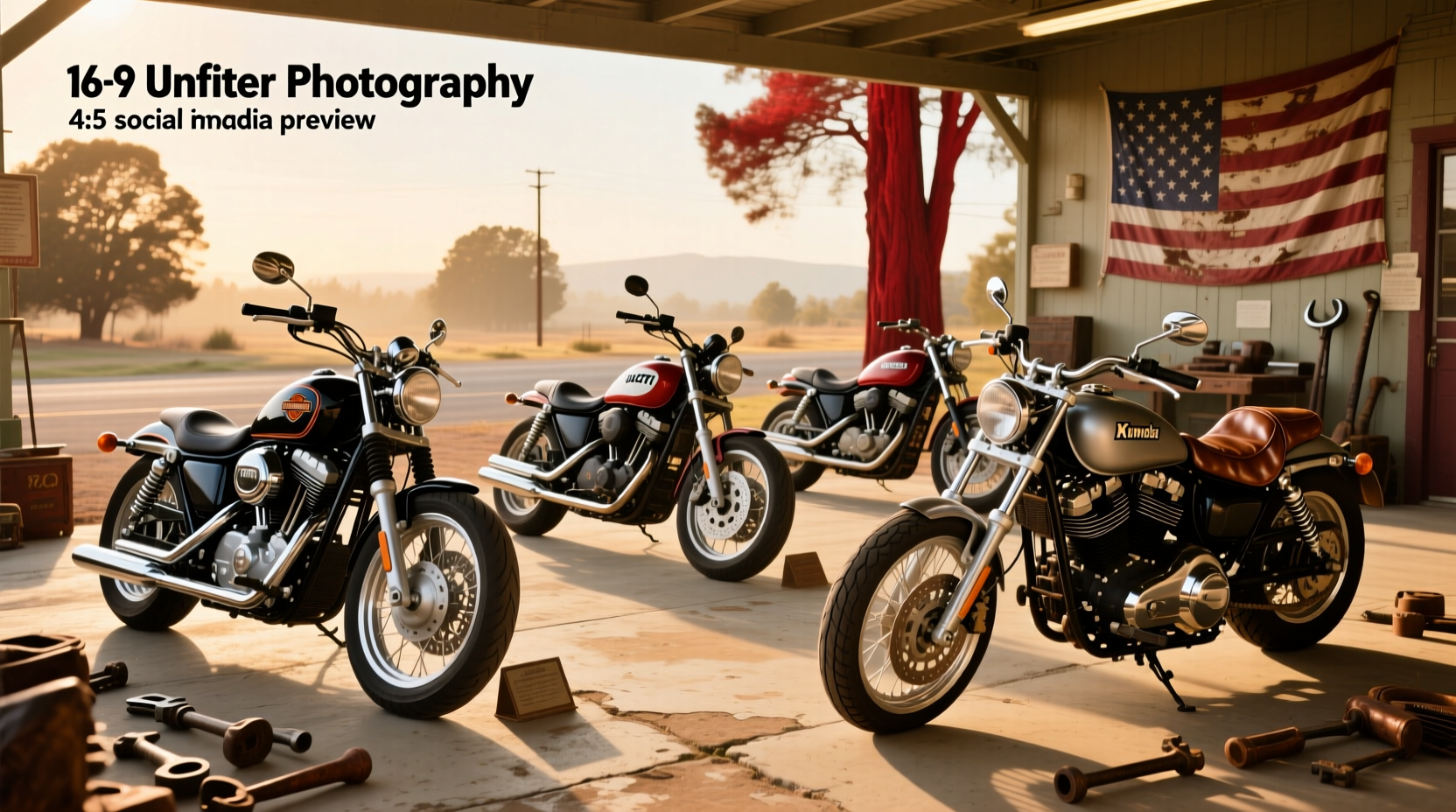
Technically and legally, motorcycles are generally not classified as automobiles. While both are motorized road vehicles, the term "automobile" typically refers to a passenger vehicle with at least four wheels, designed primarily for the transport of people. Motorcycles are categorized as distinct motor vehicles due to their two-wheeled architecture, unique handling dynamics, and specific regulatory standards.
Defining the Automobile: The Four-Wheel Standard
To understand why motorcycles and automobiles are distinct categories, one must first look at the legal and industrial definitions of an automobile. In most jurisdictions, an automobile—or "car"—is defined by its construction, which centers on a four-wheel chassis. This design dictates how the vehicle interacts with the road, how it provides safety for its occupants, and how it is evaluated by regulatory bodies.
The core distinction lies in the passenger enclosure. Automobiles are built with a structural frame that offers a degree of protection, often including passenger cabins with integrated safety systems like airbags, seatbelts, and crumple zones. This enclosure is designed to prioritize occupant protection in a variety of collision scenarios. Motorcycles, by contrast, lack an external protective shell, placing the rider in an exposed position. This fundamental difference in engineering philosophy is the primary reason why governmental agencies, such as the National Highway Traffic Safety Administration (NHTSA) in the United States, treat the two as separate vehicle classes.
The Legal Framework: Regulatory Distinctions
Laws across the world provide further evidence that motorcycles are not automobiles. When you examine the Vehicle Code of any state or national transportation authority, you will find specific, separate chapters for "Motorcycles" and "Passenger Vehicles."
Licensing and Certification
The most immediate experience of this distinction for an individual is the licensing process. In the vast majority of jurisdictions, holding a standard driver’s license does not legally authorize an individual to operate a motorcycle. A motorcycle endorsement or a dedicated motorcycle license requires a separate examination, covering handling, balance, and emergency braking techniques that are not applicable to the operation of an automobile.
Emissions and Safety Standards
Automobiles are subject to stringent regulations regarding emissions, crashworthiness, and passive safety systems. Manufacturers of automobiles must pass rigorous testing that is specifically tailored to four-wheeled passenger transport. Motorcycles, due to their power-to-weight ratios and design, are governed by different safety standards. For instance, the safety requirements for a motorcycle focus on visibility, lighting, and braking performance, rather than the structural integrity of an enclosed cabin.
Technical and Operational Differences
The differences between a motorcycle and an automobile extend far beyond their legal definitions; they represent entirely different methods of transport.
| Feature | Motorcycle | Automobile |
|---|---|---|
| Wheel Configuration | Typically two (occasionally three) | Four or more |
| Balance | Dynamic (rider input required) | Static (stable at rest) |
| Occupant Safety | PPE required (helmet, jacket) | Built-in (seatbelts, airbags) |
| Lane Usage | Can often share or split lanes | Fixed to a single lane |
| Control Interface | Hand and foot controls | Steering wheel and pedals |
Balance and Dynamics
A motorcycle requires constant input from the rider to remain upright and stable during low-speed maneuvers. This dynamic balancing act is a skill that must be learned and practiced. An automobile, however, provides static stability; it does not fall over when stationary and does not require the operator to manage the vehicle's center of gravity during normal operation. This creates a significant gap in the mental and physical demands placed on the operator.
Exposure and Protective Equipment
In an automobile, the primary safety features are engineered into the vehicle itself. The car provides a buffer between the occupant and the environment. Because a motorcycle lacks this buffer, the burden of safety shifts entirely to the rider. Protective equipment—such as DOT-approved helmets, abrasion-resistant clothing, and armored boots—serves as the motorcycle equivalent of an automobile’s safety cage. The absence of a frame and seatbelts in motorcycles is not a flaw; it is a design choice that defines the motorcycle’s functionality and purpose.
The Grey Area: Three-Wheeled Vehicles and Autocycles
Confusion often arises regarding three-wheeled vehicles. Certain vehicles, such as those that resemble small cars but have only three wheels, have introduced a legal "grey area."
In many regions, these are classified as "autocycles." An autocycle is typically defined as a three-wheeled vehicle that has steering and controls similar to an automobile (a steering wheel rather than handlebars) and may even include seatbelts and roll hoops. Because they blur the lines, legislatures have had to create specific statutes to decide whether these machines should be licensed as motorcycles or automobiles. If you are considering purchasing a vehicle that sits between these two categories, it is imperative to check your local Department of Motor Vehicles (DMV) or equivalent transport agency to determine how it is classified in your specific state or country, as this will dictate your insurance requirements and licensing needs.
Insurance and Financial Considerations
Because motorcycles and automobiles are treated as distinct entities by law, the insurance industry handles them with entirely different risk models. Automobile insurance focuses heavily on collision coverage for the vehicle structure and liability for passenger injury. Motorcycle insurance, conversely, places a higher emphasis on medical payments and bodily injury liability for the rider, reflecting the heightened risk of personal injury in a motorcycle accident.
When shopping for insurance, you cannot simply add a motorcycle to a standard automobile policy. While many insurers offer "bundled" discounts for covering both types of vehicles, they remain separate policy types with distinct premiums, deductibles, and coverage limits.
Common Misconceptions
A common source of error is the use of the term "motor vehicle." Legally, both cars and motorcycles are "motor vehicles." Because they are both motorized, people often use the word "automobile" as a synonym for any motor vehicle. This is technically incorrect. While all automobiles are motor vehicles, not all motor vehicles are automobiles. Distinguishing between these terms is essential when filling out accident reports, government forms, or reading legislation.
Another misconception is that motorcycles are exempt from traffic laws that apply to cars. While a motorcycle may be able to maneuver through spaces a car cannot, the rider is still subject to all traffic laws, including speed limits, stop signs, and lane markings.
Frequently Asked Questions
Can I ride a motorcycle with a standard car driver's license? In most regions, no. You typically need a specific motorcycle endorsement (often called an "M" class license) obtained through a written test and a skills evaluation.
Are electric motorcycles considered automobiles? No. An electric motorcycle is legally a motorcycle, regardless of its powertrain. The propulsion source—whether internal combustion or electric—does not change the vehicle's classification regarding its wheel count and frame structure.
Do motorcycles have to follow the same traffic laws as cars? Yes. Motorcycles are classified as vehicles on public roads and must adhere to all traffic laws, including signaling, speed limits, and yielding the right of way, just as automobiles must.
Why are insurance premiums for motorcycles sometimes higher than cars? Insurance premiums are based on risk. Because motorcyclists have a higher statistical probability of significant injury in the event of a collision compared to automobile occupants, the medical coverage portion of a motorcycle policy is often priced accordingly.
Are there vehicles that are technically both? No. Legislation is binary by design. A vehicle is either registered as a motorcycle, an autocycle, or a passenger automobile. You must consult your local vehicle registration guidelines to see how your specific model is titled.
Final Next Actions
If you are planning to transition between operating an automobile and a motorcycle, the most important next step is to research the specific licensing requirements in your jurisdiction. Do not assume that your current driving skills transfer directly. Enroll in a certified Motorcycle Safety Foundation (MSF) or equivalent rider education course. These courses provide the best introduction to the distinct handling dynamics of a motorcycle and often waive the practical portion of the state licensing exam. Always prioritize the acquisition of proper protective gear before your first ride, as this is the most effective way to manage the inherent differences between the safety environment of an automobile and the exposure of a motorcycle.