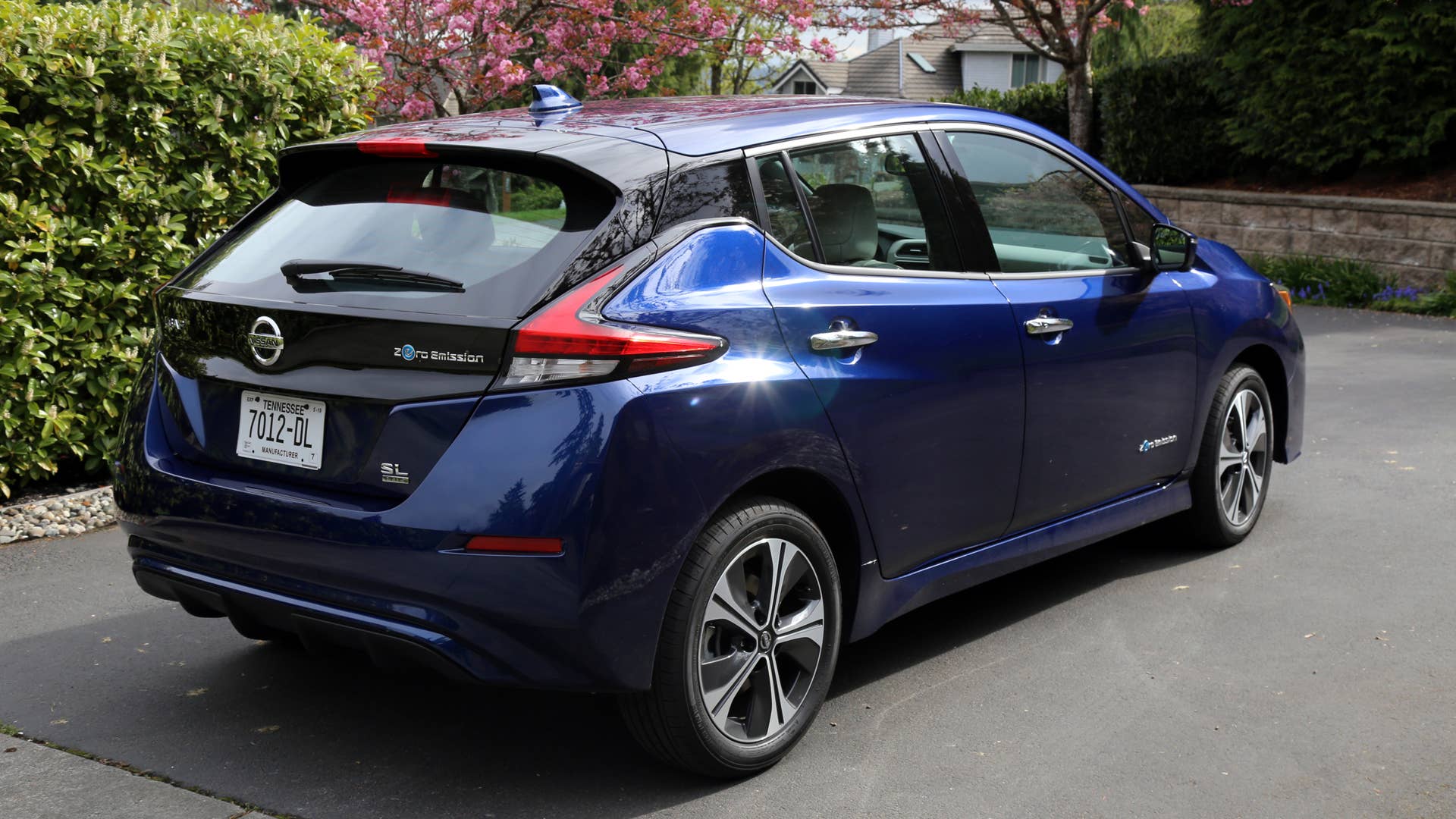
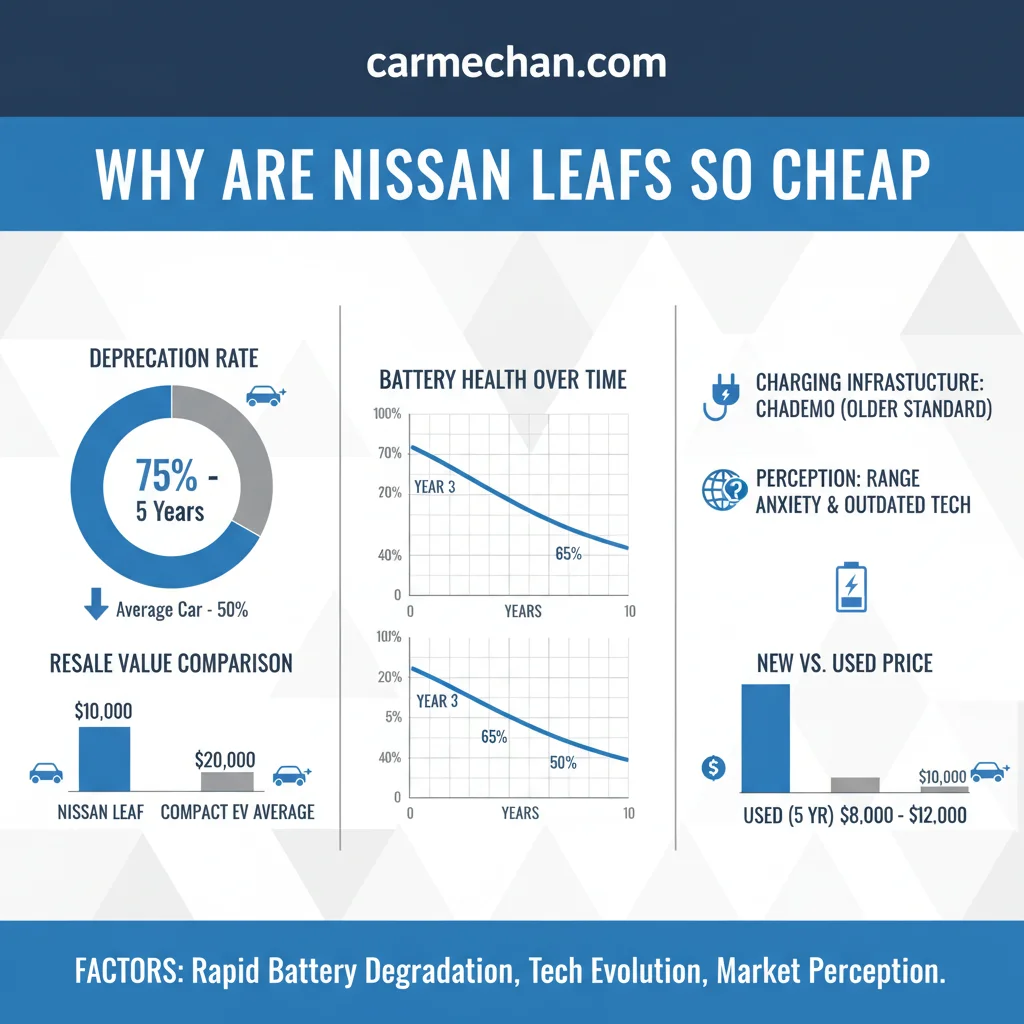
The Nissan Leaf is generally considered a reliable vehicle, particularly regarding its drivetrain and electric motor, which have fewer moving parts than internal combustion engines. However, long-term reliability is heavily dependent on battery health management, as early-generation models faced premature capacity loss due to thermal management limitations. With proper charging habits and adherence to maintenance schedules, the Leaf remains a dependable electric vehicle for urban and suburban commuting.
The Evolution of Nissan Leaf Battery Technology
Understanding the reliability of the Nissan Leaf requires a focus on its battery architecture. When the vehicle debuted in 2010, it utilized an air-cooled lithium-ion battery pack. Unlike modern electric vehicles (EVs) that employ sophisticated liquid cooling systems to regulate battery temperature, the early Leaf models relied on passive air cooling. This design choice led to well-documented "battery degradation" issues, particularly in climates with consistently high ambient temperatures.
In 2016, Nissan introduced the 30 kWh battery, which saw revisions to the chemistry and cell structure to improve longevity. By 2018, with the introduction of the second-generation Leaf (ZE1), Nissan maintained air cooling but significantly improved the battery management system (BMS) and thermal characteristics of the packs. Despite these improvements, the absence of active liquid cooling remains a unique characteristic that potential buyers must consider. Prospective owners looking for high-mileage reliability should prioritize models manufactured from 2018 onwards, as these packs demonstrate better thermal stability and slower capacity loss over time.
Mechanical and Electrical Systems Reliability
Beyond the battery, the Nissan Leaf is frequently lauded for the simplicity of its mechanical design. Because electric motors require far less maintenance than internal combustion engines—eliminating the need for oil changes, spark plugs, timing belts, and complex transmission fluid flushes—the overall service burden is significantly reduced.
The primary mechanical components that do require attention are the suspension, steering, and braking systems. Because the Leaf utilizes regenerative braking, the physical brake pads and rotors often last significantly longer than those on traditional gasoline vehicles. However, this feature can lead to "frozen" or seized brake calipers in regions where salt is used on roads, as the lack of regular mechanical braking prevents the calipers from cycling through their full range of motion. Owners are advised to perform periodic brake cleaning and lubrication to ensure the calipers remain free.
The onboard charger and the inverter are the two primary electrical components that carry risk in any high-voltage system. While these components are robust in the Leaf, they represent the most expensive non-battery electrical repairs. Documentation from long-term ownership surveys indicates that most electrical failures occur in the low-voltage auxiliary 12V battery, which powers the vehicle's "brain" and electronics.
Impact of Usage Patterns on Longevity
Reliability is not merely a static attribute of the car; it is a variable influenced by how the vehicle is treated. The "State of Health" (SoH) of a Nissan Leaf battery is directly correlated with three specific usage factors: depth of discharge, temperature, and charging speed.
- Depth of Discharge: Lithium-ion batteries generally prefer to operate in the "middle" of their capacity. Keeping the battery between 20% and 80% for daily usage significantly extends the cycle life compared to frequently charging to 100% or depleting the pack to near-zero.
- Thermal Exposure: Storing the vehicle in a garage during extreme heat or extreme cold helps preserve the electrolyte chemistry inside the cells. If a vehicle has spent its life in a desert climate, the battery degradation will likely be more pronounced than in a temperate region.
- Charging Velocity: Frequent use of CHAdeMO DC fast charging generates heat. While the Leaf is capable of fast charging, relying on this method for every charge can accelerate the degradation of the battery compared to using a Level 2 (240V) home charger, which operates at a lower power output and generates less thermal stress.
Comparative Reliability Metrics
To assess the reliability of the Nissan Leaf against market standards, it is helpful to categorize components by their failure frequency.
| Component Category | Reliability Status | Typical Maintenance/Issue |
|---|---|---|
| Electric Motor | Excellent | Rare failure; generally lasts the life of the car. |
| Transmission (Reduction Gear) | Excellent | Very simple; rarely requires service. |
| Battery Pack | Moderate | Capacity loss varies by year and climate. |
| 12V Auxiliary Battery | Average | Requires replacement every 3–5 years. |
| Suspension/Chassis | Good | Subject to typical road wear and alignment needs. |
| Regenerative Braking | Good | Saves pad life; watch for caliper seizure. |
Essential Maintenance and Troubleshooting
For an owner to ensure their Nissan Leaf remains reliable, a proactive maintenance schedule is required. Even in an EV, fluid levels matter. The cooling system for the inverter and the brake fluid must be flushed at the intervals specified in the owner's manual. Ignoring these fluids can lead to premature corrosion of internal components.
When troubleshooting, the most common symptom of a "reliability" issue is a reduction in available range. This is almost always a result of natural battery capacity degradation rather than a mechanical failure. Owners can use various OBD-II (On-Board Diagnostics) scanners paired with mobile applications like "LeafSpy" to monitor the exact health of their individual battery cells. This tool provides a granular look at the SoH percentage, which is the most accurate way to verify the condition of a used unit before purchase.
If the vehicle shows a "Service EV System" warning, it is often related to an electrical ground issue or a fault in the 12V charging circuit. Before assuming the high-voltage battery has failed, have the 12V battery tested; a weak 12V battery is a well-known "false flag" that can trigger a multitude of error codes across the car's diagnostic system.
Buying a Used Nissan Leaf: What to Look For
If you are in the market for a pre-owned Nissan Leaf, your assessment should follow a structured evaluation process. Begin by verifying the battery health through the dashboard "health bars." While this is a broad measurement, a missing bar is a clear indicator of significant degradation.
Ask the seller for a history of the vehicle’s location. A car that has lived its life in a moderate climate like the Pacific Northwest will statistically have a healthier battery than one from the American Southwest. Request a diagnostic printout from a service center or perform an OBD-II scan to confirm that no "recalibrations" have been attempted to mask battery issues. Finally, check the tires. The high torque of an electric motor can cause rapid tire wear; uneven tread wear is an indicator of poor alignment or a driver who frequently accelerated hard, which can indirectly stress the drivetrain.
FAQ: Frequently Asked Questions
1. Does the Nissan Leaf have a "battery warranty"? Yes, Nissan provides a limited warranty covering the lithium-ion battery against defects in materials or workmanship. In many markets, this includes a capacity guarantee that protects against loss of battery capacity beyond a certain threshold (often nine bars out of 12) for a specified period (typically 8 years/100,000 miles). Always check the specific warranty document for your vehicle's model year and region.
2. Is it expensive to replace a Nissan Leaf battery? Replacing a battery pack is the single most significant cost associated with Leaf ownership. While prices for refurbished or aftermarket packs have decreased over time, it remains a major investment. Many owners choose to source a used pack from a salvage vehicle or utilize professional battery repair services that replace individual modules rather than the entire unit to manage costs.
3. Does the lack of liquid cooling make the Leaf unreliable? It makes the battery more sensitive to extreme temperatures. It does not make the car "unreliable" in the traditional sense of leaving you stranded, but it does mean the vehicle will likely have a shorter lifespan for the original battery compared to competitors with active cooling. If you live in an area with extreme seasonal temperatures, you may experience "thermal throttling," where the car limits power or charging speed to protect the pack.
4. Can I use a regular wall outlet to charge my Leaf? Yes, using a standard Level 1 (120V) household outlet is possible, but it is extremely slow. It is suitable for overnight charging if your daily commute is short, but it is not recommended as your primary long-term charging solution. Most owners find that installing a Level 2 (240V) charging station at home is essential for maintaining a reliable daily experience.
5. How do I know if the battery is failing? The most reliable sign of battery decline is a consistent reduction in the "miles per charge" estimate under similar driving conditions. While cold weather will naturally reduce range, if you notice your range dropping significantly even in mild weather, it is time to check the battery health with a diagnostic tool.
Recommendation for Current Owners and Prospective Buyers
To maximize the reliability of your Nissan Leaf, treat the battery as the core of the vehicle's value. If you are an owner, adopt a charging habit that avoids the extremes of 0% and 100% whenever possible. If you are a prospective buyer, do not skip the diagnostic scan. The Nissan Leaf is a highly efficient, low-maintenance, and reliable machine for the majority of drivers, provided you align your expectations with the realities of its thermal management design. By prioritizing moderate charging habits and routine inspection of the 12V electrical system and suspension, you can expect many years of dependable service from your vehicle.