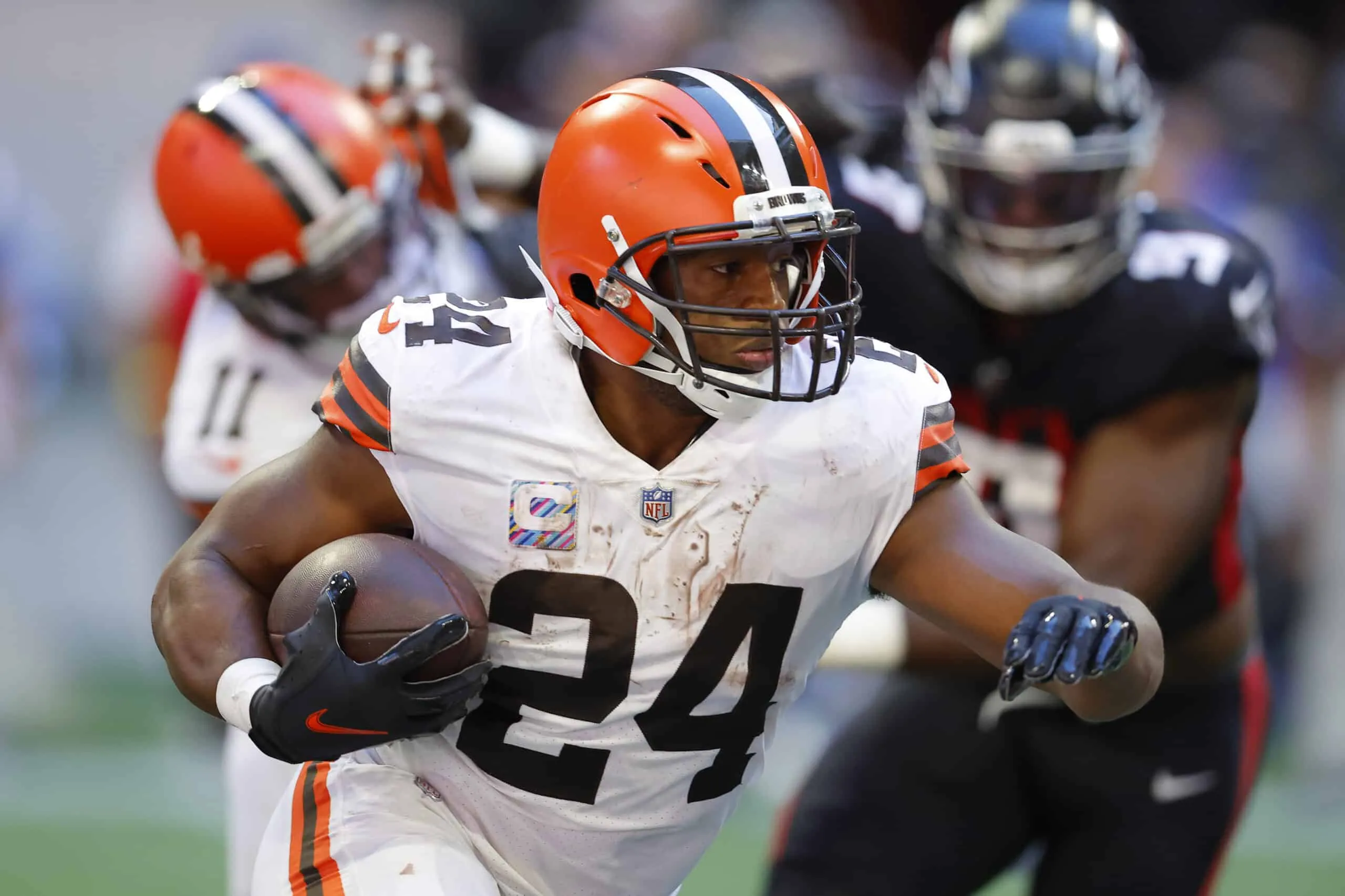
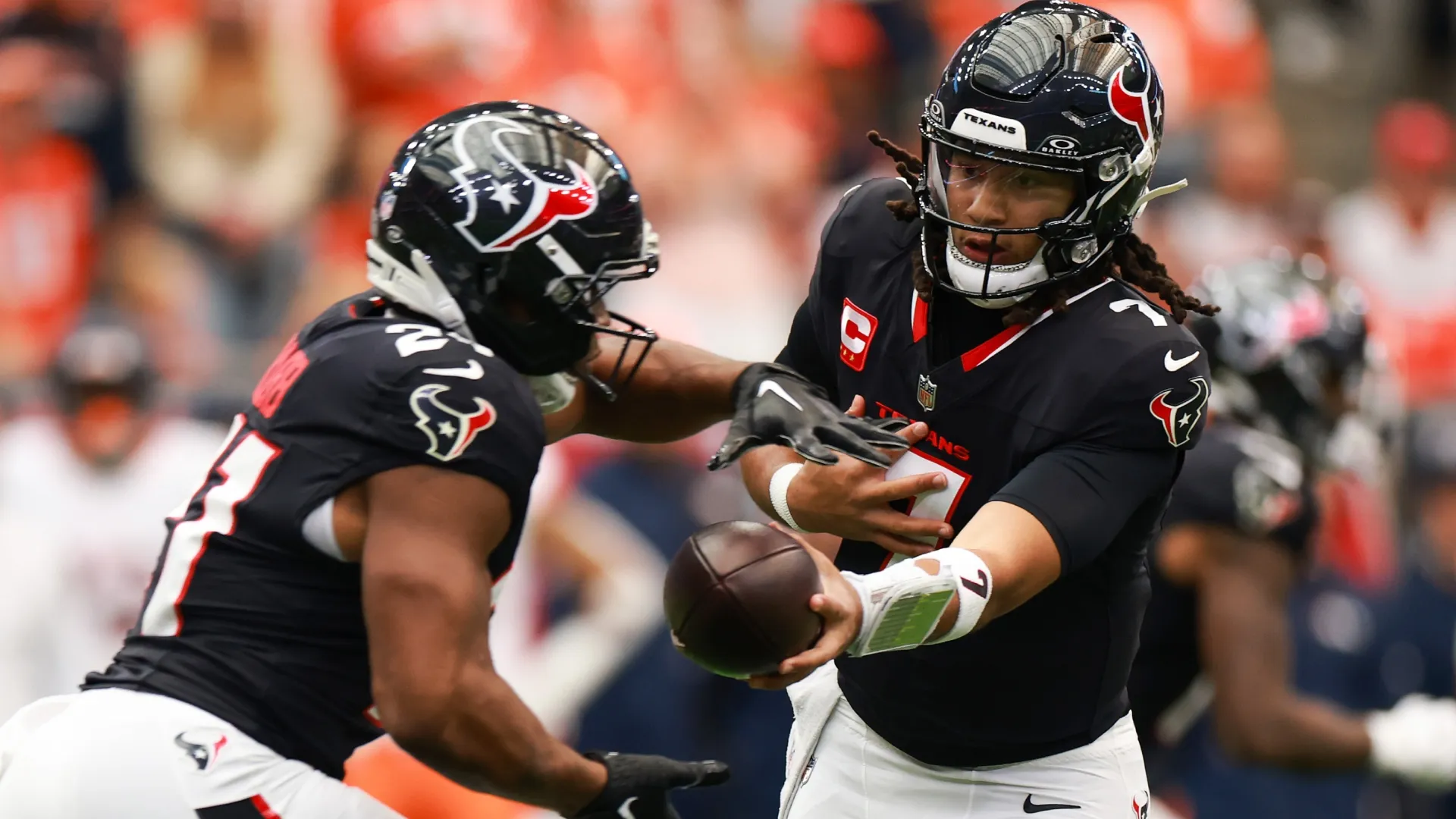
Nick Chubb and Bradley Chubb are first cousins. While they both achieved significant success at the highest level of professional football in the United States, they are distinct individuals who pursued different paths through the collegiate ranks and into the National Football League (NFL). Despite the commonality of their surname and their shared athletic prowess, they are not brothers, which is a frequent point of clarification for fans tracking their respective careers.
The Familial Connection Explained
The kinship between Nick Chubb and Bradley Chubb is often a source of curiosity for casual NFL observers. To clarify the lineage: Nick Chubb, the long-standing running back for the Cleveland Browns, and Bradley Chubb, the accomplished outside linebacker currently with the Miami Dolphins, share a grandfather. This biological link makes them first cousins.
Growing up in Georgia, both players were exposed to a culture of high-level athletics, but they developed their skills in different positions on opposite sides of the ball. The "Chubb" name became synonymous with defensive and offensive tenacity in the SEC, though they played for different universities—Nick at the University of Georgia and Bradley at North Carolina State University. Understanding their relationship requires looking at their individual development paths rather than a singular shared household.
Analyzing the Professional Trajectories
The paths taken by these two athletes highlight the diversity of talent within their family. Nick Chubb established himself as one of the most reliable and physically imposing running backs in the league. His playstyle is characterized by balance, vision, and an uncanny ability to gain yards after contact. Conversely, Bradley Chubb has spent his professional career operating as a pass-rushing specialist, requiring a completely different set of technical skills, such as edge-setting, shedding blocks, and quarterback pursuit.
Nick Chubb: The Powerhouse Running Back
Nick Chubb entered the NFL following a storied collegiate career at the University of Georgia. His professional longevity in the demanding role of a running back is a testament to his preparation and physical conditioning. Throughout his tenure in the NFL, Nick has maintained a reputation as a fundamental cornerstone of the Cleveland Browns' offense. His ability to anchor a run-heavy scheme has made him a focal point for opposing defensive coordinators who must game-plan specifically to neutralize his downhill running style.
Bradley Chubb: The Elite Edge Rusher
Bradley Chubb’s journey took him to North Carolina State, where he developed into one of the most feared defensive prospects in the country. His transition to the NFL as a high-draft-pick edge defender showcased his capacity to disrupt offenses. Whether playing in a 4-3 or 3-4 defensive front, Bradley’s primary objective has remained constant: pressuring the pocket and limiting the opponent’s ability to execute passing plays. His career has been marked by versatility, moving from the Denver Broncos to the Miami Dolphins, where he has continued to refine his pass-rushing techniques against elite offensive tackles.
Comparative Overview of NFL Careers
While both men play professional football, their impact on the game is measured by vastly different statistics. The following table provides a comparison of their developmental paths and roles.
| Feature | Nick Chubb | Bradley Chubb |
|---|---|---|
| Primary Position | Running Back | Outside Linebacker / DE |
| Collegiate Career | University of Georgia | North Carolina State |
| Key Skill Set | Power running, contact balance | Pass rushing, edge containment |
| Draft Status | Selected in 2018 NFL Draft | Selected in 2018 NFL Draft |
| Primary Focus | Offensive production / YAC | Defensive disruption / Sacks |
Shared Athletic DNA and Cultural Background
The common narrative surrounding "athletic families" often focuses on the competitive drive instilled in individuals from a young age. While Nick and Bradley were not raised in the same house, they shared the genetic and cultural environment of Georgia, a state deeply ingrained with a passion for football. This shared background contributed to the work ethic both men display on the field.
It is important to distinguish that their professional success is the result of independent development within their respective team structures. The NFL's scouting process is rigorous, and both players had to prove their value through their own performance, combine metrics, and individual character evaluations. Their shared status as cousins is a factual footnote rather than a catalyst for their professional success.
Common Misconceptions
A recurring question in sports media is whether the two are brothers. This misconception likely stems from the rare occurrence of two players with the same last name entering the league in the same year—both were drafted in the 2018 NFL Draft. When fans see the name "Chubb" on two different jerseys, the assumption of a sibling relationship is natural, as many famous brothers have played in the NFL simultaneously (such as the Mannings, the Watts, and the Kelces).
However, unlike those duos, Nick and Bradley have remained independent in their career arcs. They do not share a father, nor did they play for the same youth organizations. Clarifying this distinction helps sports analysts and fans appreciate the unique accomplishments of each player without conflating their career highlights or injuries.
Impact of the Name Recognition
Having a prominent last name in professional sports can sometimes lead to increased scrutiny. For Nick and Bradley, the shared name has likely created a unique dynamic where, whenever one has a high-performing game, the other is often mentioned in sports media broadcasts or social media commentary. This "Chubb" brand identity has served as a testament to their family’s success in breeding high-level collegiate and professional talent, even if they operate on opposite sides of the scrimmage line.
In 2026, both athletes are mature veterans. They have navigated the challenges of long-term professional play, including contract negotiations, injuries, and team transitions. Their ability to remain relevant in a league that prioritizes young, inexpensive talent is a hallmark of their dedication to their respective crafts.
FAQ: Common Questions Regarding the Chubb Family
Are Nick and Bradley Chubb brothers? No, they are first cousins. They share a grandfather but were raised in separate households and pursued their football careers independently.
Did Nick and Bradley Chubb play for the same college? No. Nick Chubb played for the University of Georgia, while Bradley Chubb played for North Carolina State University. Their paths only converged when they both entered the NFL in 2018.
How did the media confusion start regarding their relationship? The confusion is largely attributed to both players having the same last name and entering the NFL in the same draft class (2018). This created significant public curiosity, leading many to assume they were siblings.
Do they play on the same NFL team? No. Throughout their professional careers, they have played for different organizations. Nick Chubb has been a fixture for the Cleveland Browns, while Bradley Chubb has played for the Denver Broncos and the Miami Dolphins.
Does their relationship influence their play style? There is no evidence to suggest their relationship influences their playstyle. They play different positions—one on offense and one on defense—and were developed by different coaching staffs throughout their collegiate and professional careers.
Final Thoughts for Sports Enthusiasts
Understanding the relationship between Nick and Bradley Chubb provides context for their individual achievements. They represent the pinnacle of their respective positions through hard work, distinct training regimens, and independent professional paths. While their shared lineage is a point of trivia, their legacies in the NFL are built entirely upon their own merits, statistics, and contributions to their respective teams. For fans, recognizing them as cousins rather than brothers allows for a more accurate appreciation of their unique professional stories as they continue to impact the league in 2026.