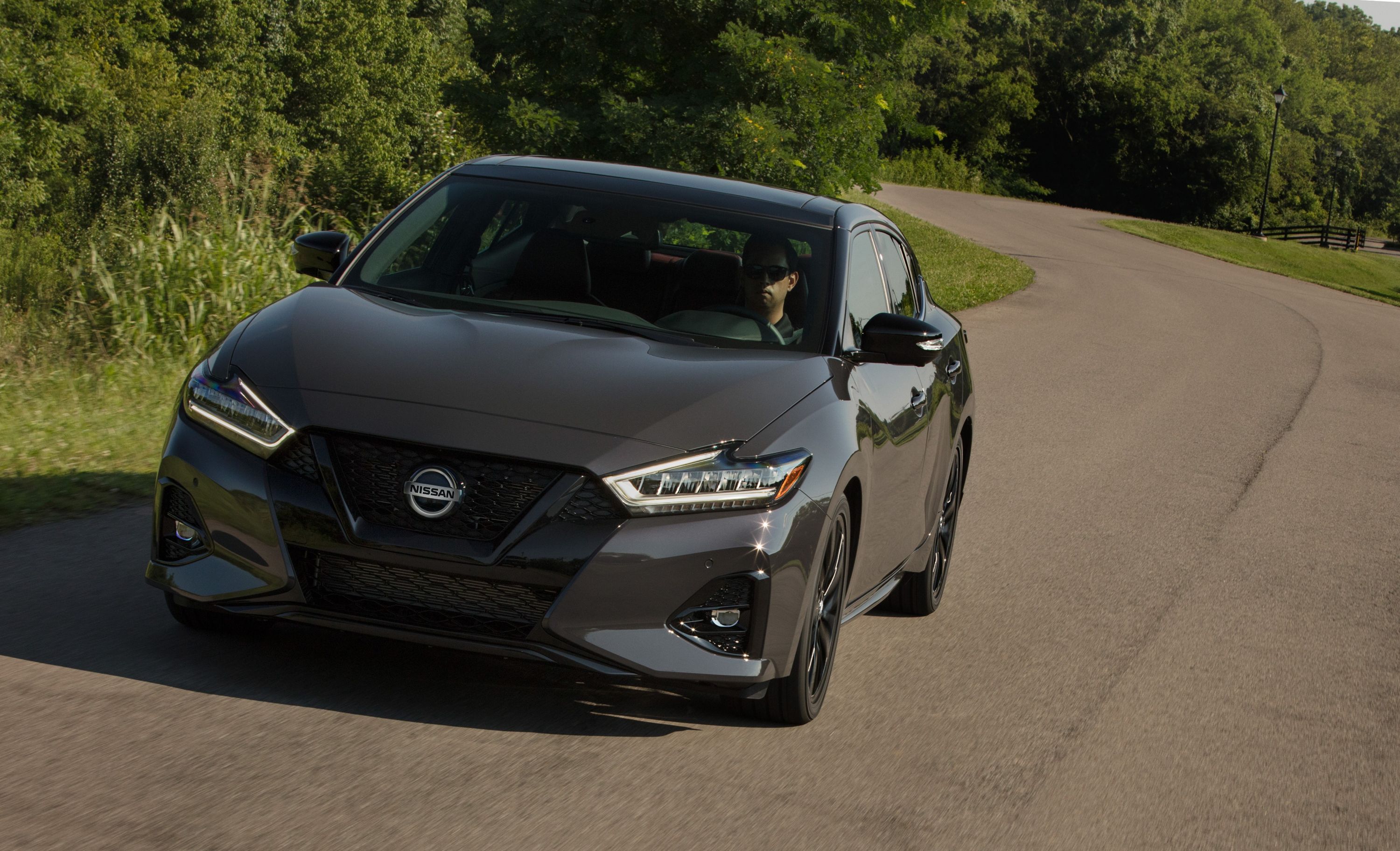
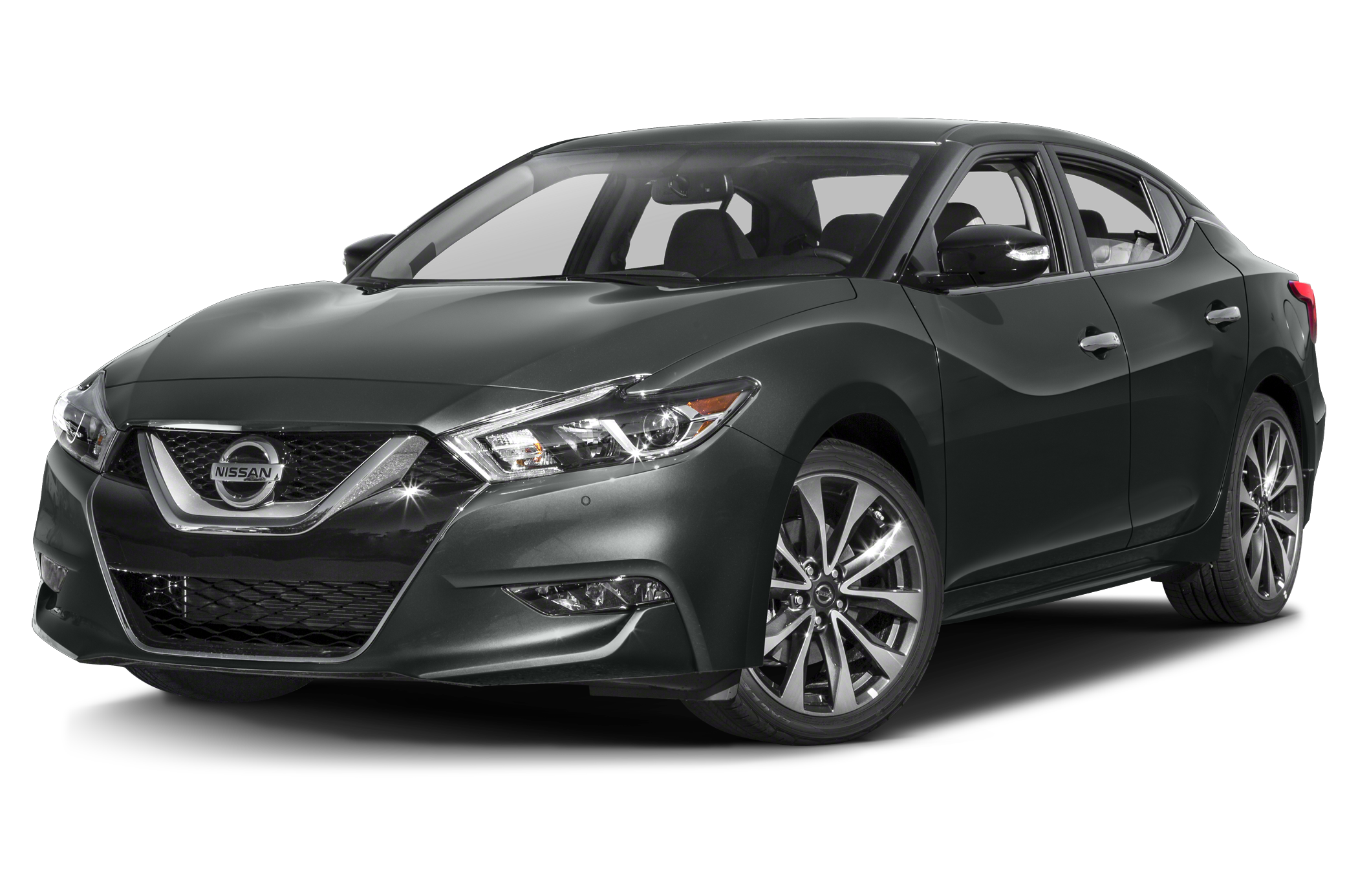
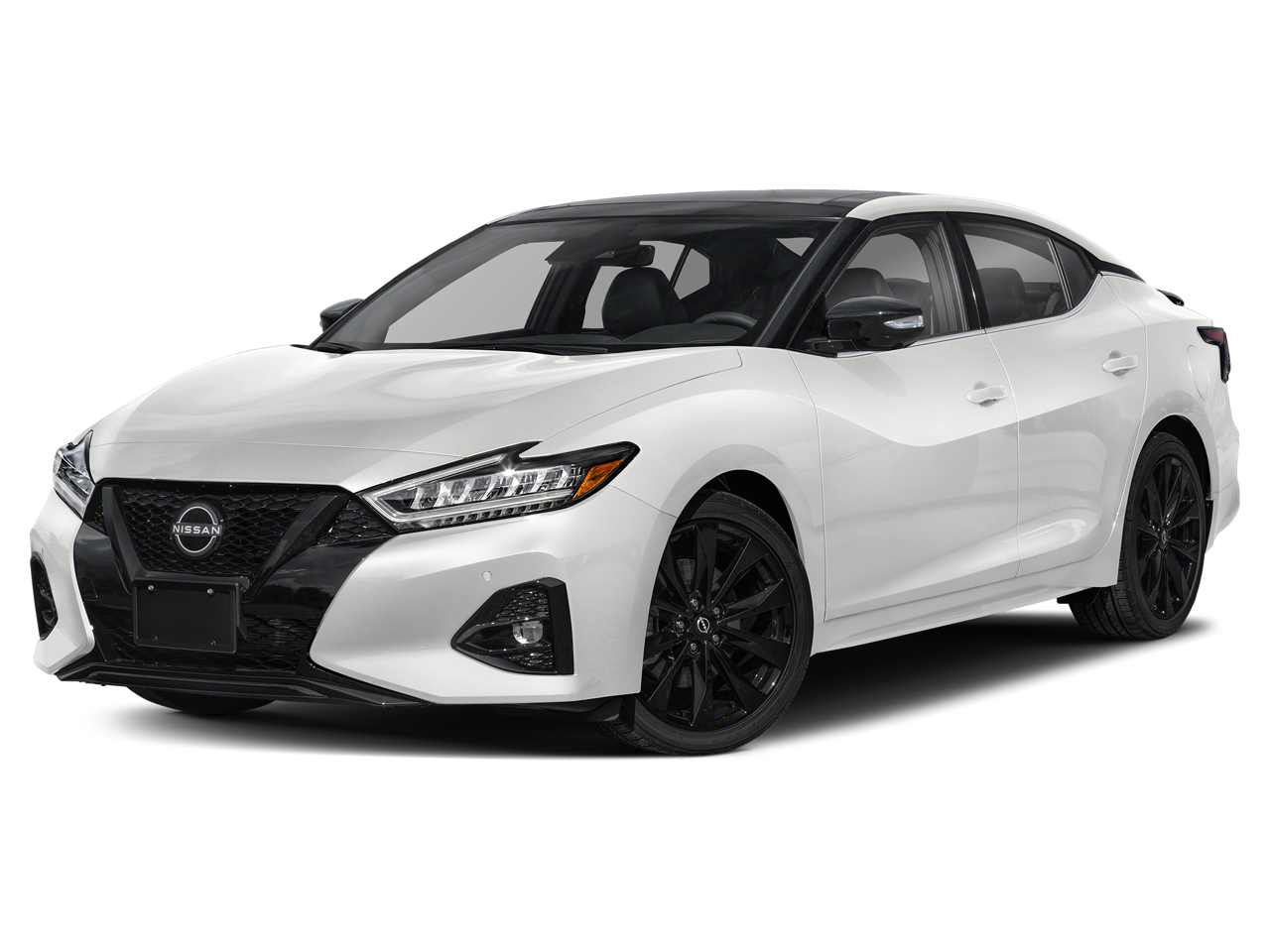
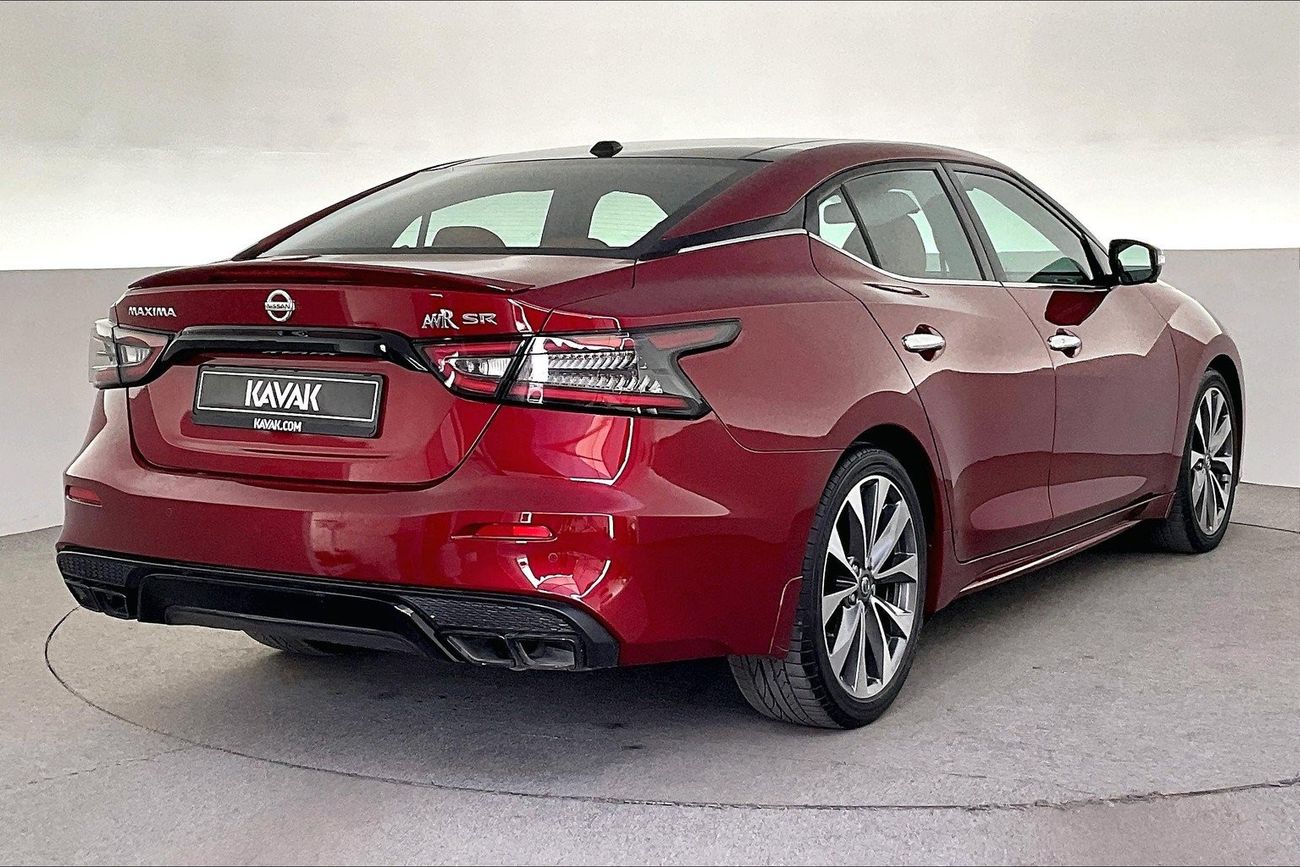
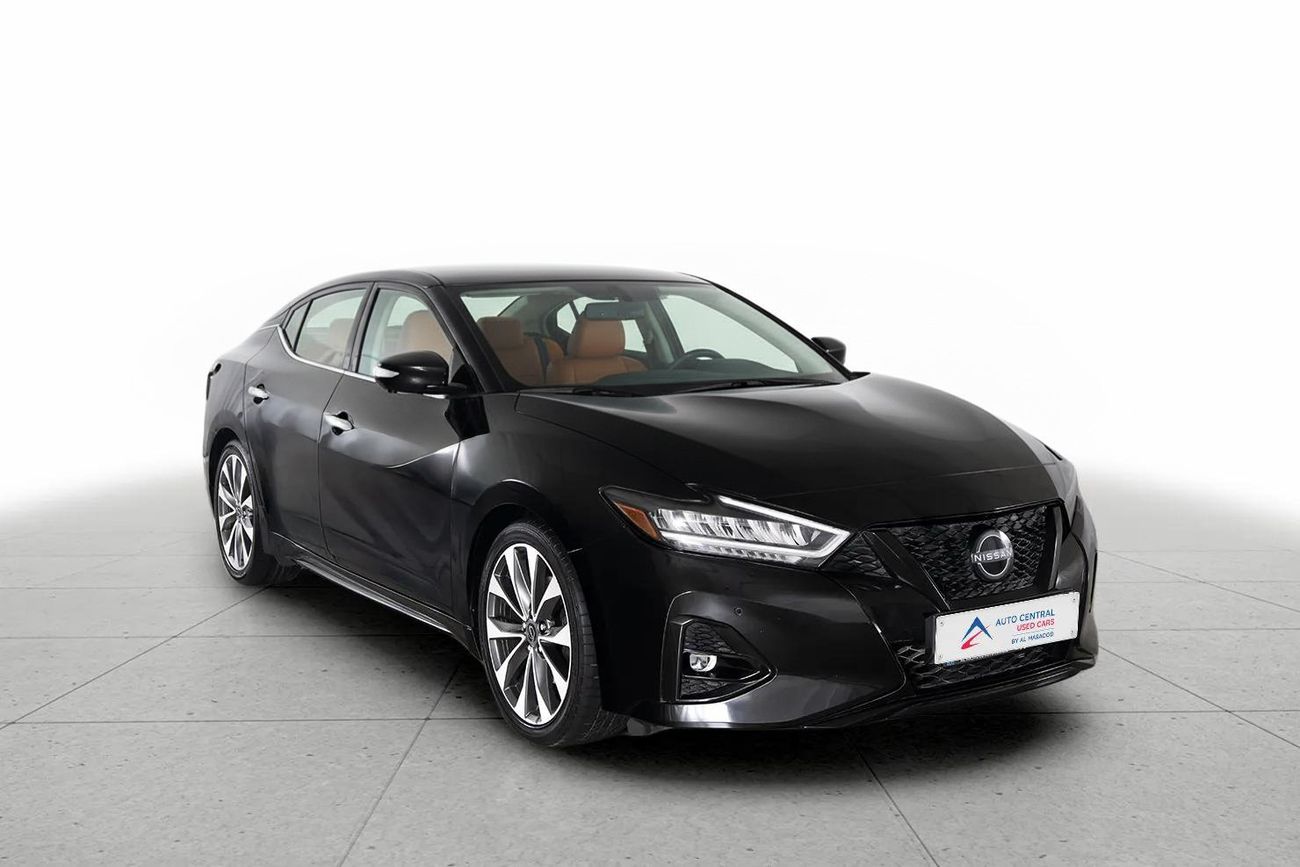
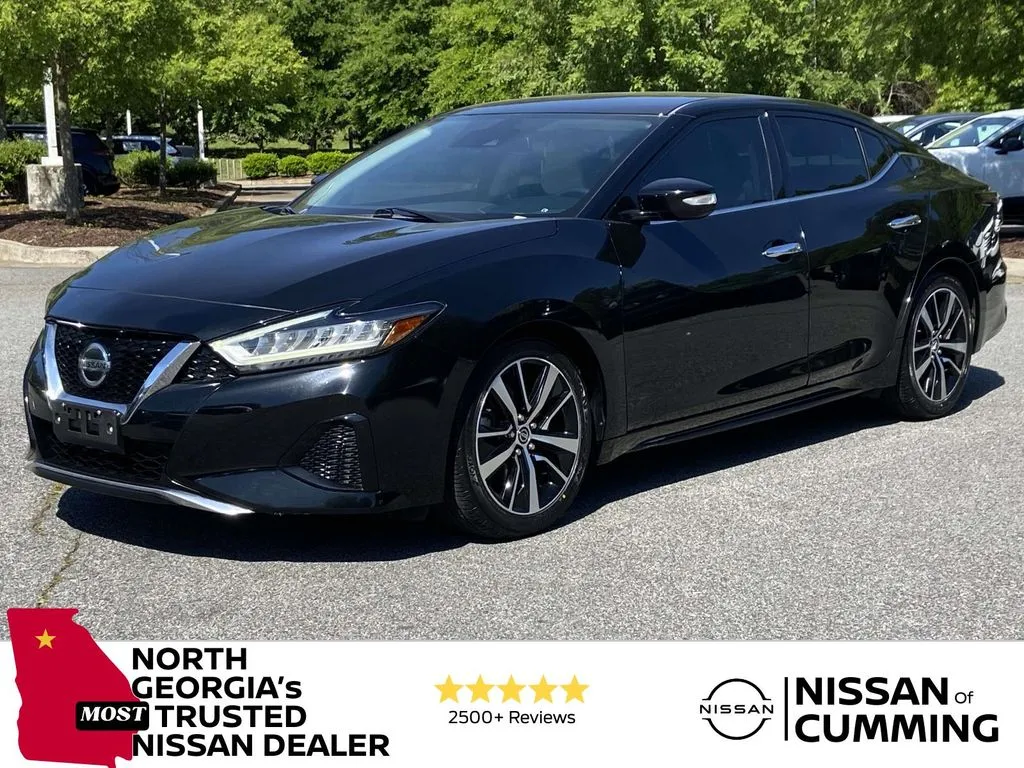
The Nissan Maxima has never been manufactured or sold with an all-wheel-drive (AWD) configuration throughout its extensive production history. Every generation of the Nissan Maxima, including the final models produced through the 2023 model year, utilizes a front-wheel-drive (FWD) platform. While the vehicle is marketed as a "four-door sports car," its engineering focus remains centered on FWD performance and efficiency rather than the traction-focused benefits of AWD systems.
Historical Context and Drivetrain Engineering
To understand why the Nissan Maxima lacks an all-wheel-drive system, one must look at the vehicle's architectural lineage. Throughout the 1980s, 1990s, 2000s, and the final iterations concluding in 2023, Nissan positioned the Maxima as its flagship front-wheel-drive sedan. The platform was designed to balance fuel economy, interior cabin space, and highway comfort, which is traditionally optimized through a front-wheel-drive layout.
The engine orientation in the Maxima has historically been transverse-mounted. This mechanical configuration—where the engine sits sideways across the engine bay—is the standard architecture for the majority of FWD vehicles. While some manufacturers have developed proprietary systems to route power from a transverse engine to the rear wheels via a driveshaft and a rear differential (creating AWD), Nissan chose not to engineer such a system for the Maxima chassis. This decision maintained the vehicle's identity as a sedan intended for asphalt highways rather than challenging off-road conditions or heavy snow environments where AWD is most beneficial.
Why Many Consumers Mistake the Maxima for AWD
The confusion regarding the Nissan Maxima's drivetrain is a common phenomenon in the automotive marketplace, often stemming from three primary factors: market competition, brand association, and aesthetic design.
- Market Competition: Consumers often compare the Maxima to vehicles like the Subaru Legacy, the Toyota Camry, or the Kia K5. Because many of these direct competitors—specifically the Subaru Legacy—are defined by their standard AWD systems, shoppers often assume that a "flagship" sedan from a major manufacturer like Nissan must inherently offer the same capability.
- Nissan’s Broader Lineup: Nissan offers a robust suite of Intelligent All-Wheel Drive systems in its crossover and SUV lineup, such as the Rogue, Murano, and Pathfinder. Because "Nissan AWD" is a common marketing term for the brand, there is a natural consumer assumption that the technology is available across the entire sedan fleet, including the Maxima.
- Performance Positioning: Nissan marketed the Maxima with high-horsepower V6 engines and performance-tuned suspensions. Buyers associate high-performance vehicles with the enhanced launch traction provided by AWD, assuming that a car described as a "four-door sports car" would require all-wheel power delivery to manage its output.
Technical Limitations of the Maxima Platform
The decision to forgo AWD in the Maxima was not merely a matter of omission, but one of automotive engineering priority. Adding an AWD system would have required significant structural changes to the floor pan, the fuel tank location, and the rear suspension geometry.
- Weight Distribution: Integrating a transfer case, a central driveshaft, and a rear differential adds substantial weight to a vehicle. This would have negatively impacted the fuel economy figures that Nissan prioritized for the Maxima’s consumer demographic.
- Interior Space: The Maxima is well-regarded for its spacious rear-passenger footwell and trunk capacity. Routing a driveshaft tunnel through the cabin would have necessitated a "hump" in the floor, reducing rear-seat comfort and creating a more cramped environment for middle-seat passengers.
- Cost Efficiency: Implementing a reliable AWD system increases the MSRP of a vehicle significantly. To keep the Maxima competitive within the mid-to-full-size sedan segment, Nissan focused on premium interior materials and V6 engine refinement rather than mechanical complexity like AWD.
Comparison of Drivetrain Capabilities
If you are evaluating the Maxima against other vehicles, it is helpful to understand how its FWD platform compares to AWD alternatives in real-world scenarios.
| Feature | Nissan Maxima (FWD) | Typical AWD Sedan |
|---|---|---|
| Primary Traction | Front wheels | All four wheels |
| Snow Performance | Requires dedicated winter tires | Better start-off, needs winter tires |
| Weight | Lighter; higher fuel efficiency | Heavier; reduced fuel efficiency |
| Maintenance | Lower complexity; less cost | Higher complexity; more components |
| Handling | Understeer-biased safety | Balanced; improved cornering grip |
The data table above illustrates that while AWD offers an advantage in inclement weather, it is not a "cure-all." The performance of any vehicle in winter conditions is dictated more by the quality of the tires (specifically winter-rated or all-weather tires) than by the drivetrain alone. An FWD Maxima equipped with high-quality winter tires will often outperform an AWD vehicle equipped with standard summer or worn-out all-season tires.
Practical Considerations for Cold-Weather Driving
For owners of a Nissan Maxima who reside in climates that experience heavy snowfall or icy conditions, the absence of AWD should not be considered a dealbreaker. Modern electronic safety features, such as Nissan’s Vehicle Dynamic Control (VDC) and Traction Control System (TCS), provide significant assistance in managing wheel slip.
To maximize the safety and utility of an FWD Maxima during winter:
- Invest in Winter Tires: This is the single most important action. Winter tires are composed of a softer rubber compound that remains pliable in freezing temperatures, providing superior grip on ice and packed snow.
- Manage Acceleration and Braking: Because the Maxima relies on the front wheels for both steering and propulsion, smooth inputs are essential. Avoid sudden throttle or brake application to prevent the front tires from breaking traction.
- Check Tire Pressure: Cold weather causes air pressure in tires to drop. Properly inflated tires are crucial for maintaining the intended contact patch with the road.
FAQ: Common Questions Regarding Maxima Drivetrain
Does the Nissan Maxima have any AWD trim levels? No. Throughout its entire production run, the Maxima was sold exclusively as a front-wheel-drive vehicle. No factory, port-installed, or dealer-installed AWD options were ever produced.
Is the Nissan Altima AWD better than the Maxima? The Nissan Altima offers an available Intelligent All-Wheel Drive system, which provides better traction in snow and rain than the Maxima. However, the Maxima is categorized as a higher-tier vehicle in terms of interior finish, engine output (V6 vs. the Altima's I4), and overall driving dynamics. Whether one is "better" depends on whether you prioritize AWD traction or the Maxima's performance and luxury features.
Can I convert my FWD Maxima to AWD? While theoretically possible through extreme custom fabrication, it is not practical or recommended. The costs to modify the chassis, exhaust, fuel system, and computer electronics would far exceed the value of the car. It is significantly safer and more cost-effective to purchase a vehicle that was engineered for AWD from the factory.
Will the FWD configuration in the Maxima prevent me from driving in snow? Not necessarily. Millions of FWD vehicles are driven safely in snowy regions every year. As long as you maintain appropriate speed, allow for greater following distances, and utilize proper winter-rated tires, the Maxima is capable of handling most winter road conditions.
Are there any performance benefits to the Maxima’s FWD setup? Yes. FWD vehicles typically have lower parasitic power loss than AWD vehicles because they don't have to turn the heavy driveshaft and rear differential. This usually results in slightly better acceleration for a given amount of horsepower and superior fuel efficiency on the highway compared to similar vehicles equipped with AWD.
Conclusion and Recommendations
The Nissan Maxima remains a dedicated front-wheel-drive vehicle, a fact that has remained consistent throughout its tenure. If your purchase decision hinges on the necessity of an all-wheel-drive system for extreme weather navigation, the Maxima will not meet that requirement. However, if your primary goal is a refined, powerful sedan experience, the Maxima offers a compelling balance of engine performance and comfort.
For current owners, prioritize the use of high-quality winter tires to bridge the performance gap between your vehicle and AWD alternatives. If you are currently shopping for a vehicle and have confirmed that AWD is a mandatory feature for your lifestyle, you should redirect your search toward the Nissan Altima or other competing models that offer factory-integrated all-wheel drive, rather than expecting future or existing Maxima models to include this capability. Always ensure that your driving habits are adjusted to match the limitations of your vehicle’s drivetrain to maintain optimal safety on the road.