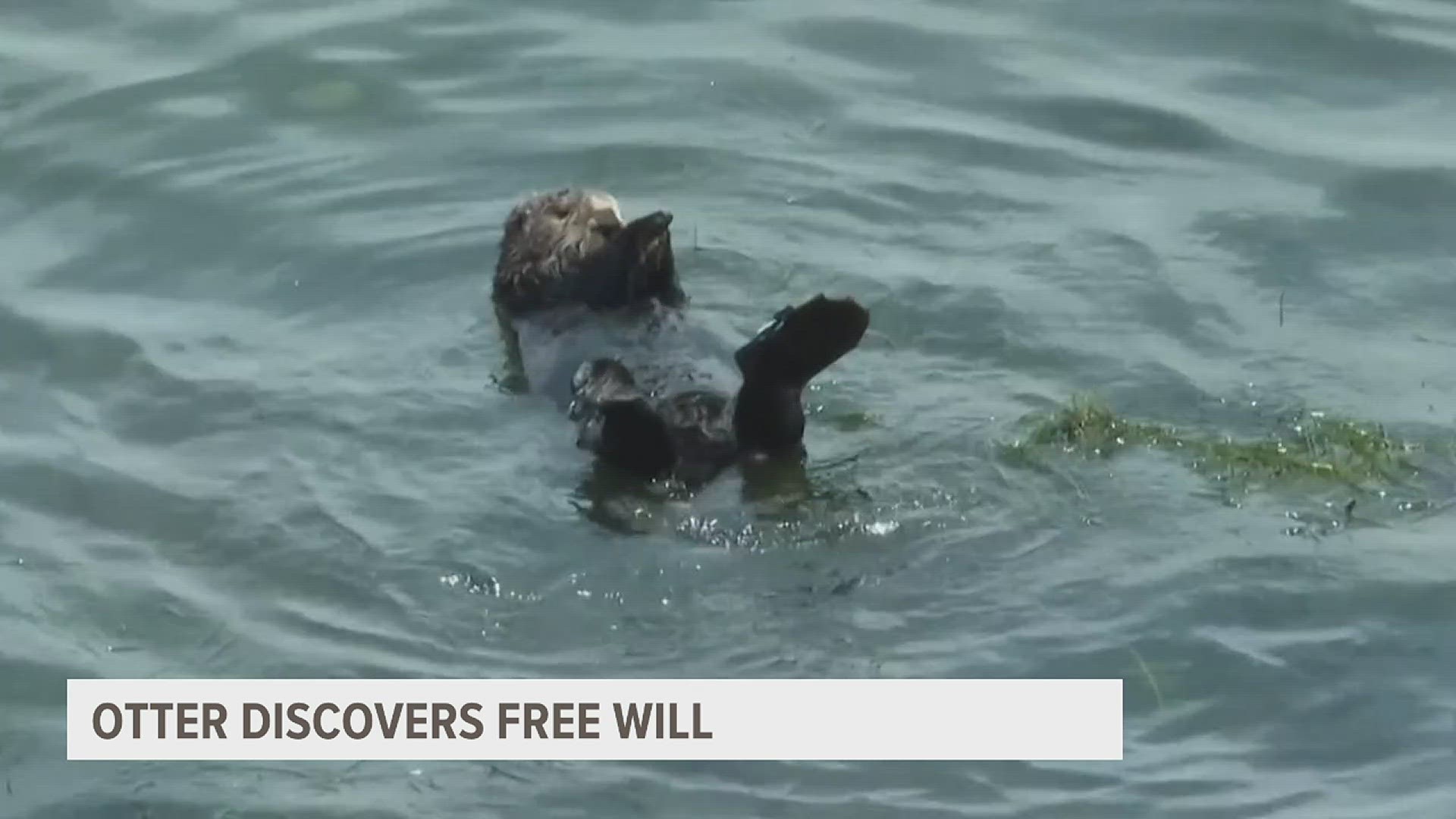
While otters are often perceived as playful, charismatic animals that spend much of their time sliding down riverbanks or floating in groups, they are wild predators with the capacity for aggression. Under most circumstances, otters are shy and will actively avoid human contact. However, they can become defensive or aggressive if they feel threatened, cornered, or if their young are nearby. As of 2026, wildlife biologists continue to emphasize that while unprovoked attacks are rare, they are not impossible, particularly when human-otter boundaries are breached.
The Nature of Otter Temperament
To understand why an otter might act aggressively, one must first recognize that otters are highly intelligent, semi-aquatic carnivores. Whether considering the North American River Otter (Lontra canadensis) or the smaller species found elsewhere, these animals are apex predators in their specific riverine or coastal ecosystems. Their behavior is governed by instincts related to hunting, territory defense, and parental care.
In the wild, an otter’s first instinct is typically flight rather than fight. They are agile swimmers and often retreat into the water at the first sign of human presence. However, their temperament changes significantly when they feel trapped. If a person inadvertently blocks an otter’s path to the water or encroaches upon a den site, the animal may interpret the proximity as an immediate threat. In these cases, otters have been known to growl, hiss, and even charge to defend their personal space.
Factors That Influence Aggression
It is essential to distinguish between natural defense mechanisms and true, premeditated aggression. Otters rarely, if ever, view humans as prey. When an incident occurs, it is almost exclusively a reaction to human activity rather than a predatory hunt.
Protective Motherhood
Female otters are fiercely protective of their pups. During the spring and early summer months, mothers are hyper-vigilant. If a hiker, swimmer, or pet owner gets too close to a nesting site or a litter of pups, the mother may launch a defensive maneuver. These are usually "warning charges"—the otter rushes toward the intruder to intimidate them before veering off. If the intruder does not retreat, the mother may escalate to physical biting or scratching.
Territorial Disputes
Otters are territorial animals. They mark their home ranges with spraint (droppings) and scent markers. While these territories are primarily managed to keep other otters away, a human lingering in a specific spot for an extended period—such as a photographer setting up a blind near a popular resting log—may inadvertently trigger a territorial response.
Habituation and Food Conditioning
The most dangerous situations often arise from human interference, specifically the act of feeding wildlife. When otters become accustomed to humans providing food, they lose their natural fear. A habituated otter may begin to associate human presence with a reward, leading to aggressive "begging" behaviors. This can include nipping at clothing, hands, or feet. Once an animal is food-conditioned, it is much more likely to lash out if the expected reward is not provided.
Comparing Species and Environments
Not all otters possess the same level of potential risk. The scale and environment of the encounter play significant roles in how an animal responds.
| Otter Type | Typical Size | Temperament | Human Interaction Risk |
|---|---|---|---|
| North American River Otter | Medium (10-30 lbs) | Skittish, cautious | Low (mostly defensive) |
| Giant Otter | Large (50-70 lbs) | Highly social/territorial | Moderate (if provoked) |
| Sea Otter | Medium-Large (30-90 lbs) | Curious/neutral | Low (rarely land-based) |
| Asian Small-Clawed Otter | Small (6-12 lbs) | Timid | Very Low |
Identifying Warning Signs
Before an otter turns to physical aggression, it will almost always communicate its discomfort. Understanding these signals is key to preventing an escalation.
- Vocalization: Otters are surprisingly vocal. A low, guttural growl or a sharp, repetitive huffing sound is a clear signal that the animal is agitated.
- Stiff Posture: If an otter stops its activity, turns to face you directly, and holds its body rigid, it is assessing you as a threat.
- Displaying Teeth: Baring teeth is a classic mammalian warning. If an otter opens its mouth wide while facing you, it is establishing a boundary.
- The Charge: If the otter lunges a short distance toward you and stops, it is a warning. This is the last step before a physical altercation.
If you encounter an otter displaying these behaviors, the best course of action is to back away slowly, keep your eyes on the animal without making direct, prolonged eye contact, and avoid turning your back until you are at a safe distance.
The Role of Pets in Encounters
A common thread in reports of human-otter conflicts is the presence of dogs. Otters often perceive dogs as terrestrial predators, similar to coyotes or wolves. If a dog is off-leash and approaches an otter—especially near a riverbank—the otter may stand its ground to protect itself. Because the dog is likely to bark or lunge in response, the interaction can quickly devolve into a fight.
Even if the otter initially retreats, the pursuit by a dog may force the otter to defend itself, which inevitably draws the owner into the conflict. Owners are often injured when they attempt to intervene and separate their pets from the defensive animal. Keeping dogs leashed in areas known for otter activity is the most effective way to avoid these high-risk encounters.
Legal and Ethical Considerations
As of 2026, many regions have strict regulations regarding human interaction with wildlife. Attempting to touch, harass, or capture an otter is not only dangerous but often illegal under local wildlife protection acts. These laws exist both for human safety and for the health of the otter, as human pathogens can be transferred to otters, and vice versa.
It is also important to consider that otters, like many wild animals, can carry diseases such as rabies or leptospirosis. While transmission to humans is rare, any bite or scratch from a wild otter should be treated as a medical emergency. You should clean the wound thoroughly and seek professional medical advice immediately. Do not assume the animal is healthy just because it looks small or "cute."
Recommendations for Safe Coexistence
The goal of wildlife observation should always be "leave no trace." If you enjoy wildlife photography or outdoor recreation near waterways, follow these guidelines:
- Maintain Distance: Keep at least 50 feet (15 meters) between you and any otter, even if the animal appears calm. Use binoculars or a telephoto lens to observe them from afar.
- Do Not Feed: Never provide food. It alters the animal’s natural hunting behaviors and creates dangerous expectations.
- Respect the Habitat: Stay on established paths. Avoid entering high-grass areas or brush near riverbanks where dens might be concealed.
- Manage Pets: Always keep dogs on a lead near water. If your dog begins to show intense interest in a specific area of the bank, redirect them immediately.
- Stay Aware of Surroundings: Otters are fast and can appear suddenly from underwater. Maintain situational awareness, particularly when entering or exiting the water.
Frequently Asked Questions
Are otters friendly enough to be handled?
No. Otters are wild animals with sharp teeth and strong jaws. They are not domesticated pets and do not have the temperament for handling. Attempts to handle them are likely to result in severe bites and scratches.
Why do some otters seem to follow humans?
This is usually a sign of food-conditioned behavior. The otter has learned that humans often have food. This is a negative development, as it increases the likelihood of aggression if the animal becomes frustrated or if it decides to "demand" food.
Can otters transmit diseases to humans?
Yes. Like many wild mammals, otters can carry various pathogens, including bacteria and viruses like rabies. Any physical contact that breaks the skin necessitates medical consultation to address the risk of infection.
What should I do if an otter charges at me?
Back away slowly and steadily. Do not run, as this may trigger a predatory chase instinct. Maintain a position where you can see the animal, and continue retreating until the otter stops its defensive display or returns to the water.
Are male otters more aggressive than females?
Both genders can be aggressive if threatened. However, females are generally more defensive during the breeding and pup-rearing seasons. Males may become more aggressive when competing for territory or mates, though this is rarely directed at humans unless they are caught in the middle of a conflict.
Final Guidance
Otters are a vital part of healthy river and coastal ecosystems. While they are not inherently aggressive toward humans, they are powerful, territorial, and protective animals. Most negative encounters are the direct result of human failure to maintain an appropriate distance or improper management of pets in the wild. By treating them with the respect due to any wild predator, you can enjoy observing them safely in their natural habitat without posing a risk to the animals or yourself.