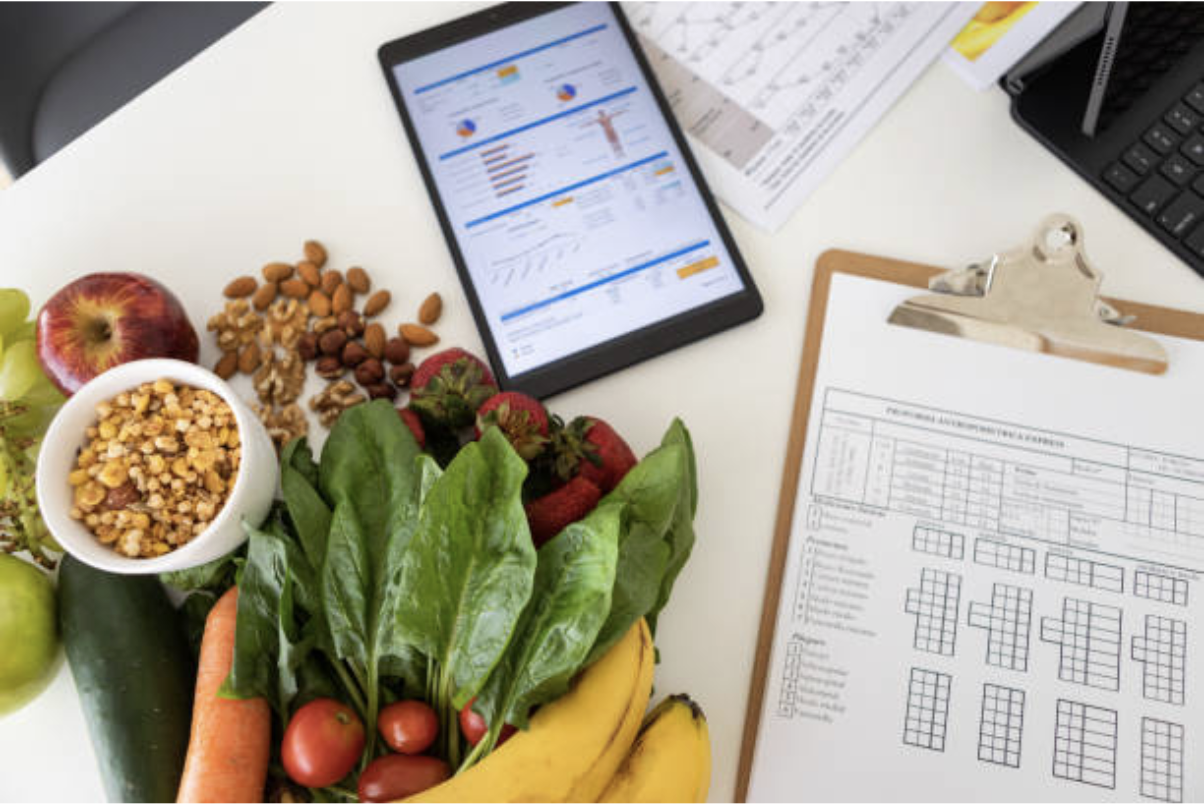
Online dietitian programs are effective for individuals seeking personalized nutritional guidance, provided they utilize credentialed professionals and adhere to evidence-based practices. These programs leverage telehealth platforms to bridge the gap between clinical dietetics and patient accessibility, offering measurable outcomes in weight management, blood glucose control, and behavioral change comparable to traditional in-person consultations.
Understanding the Landscape of Online Nutrition Care
The rise of digital health has fundamentally altered how patients access nutritional therapy. Historically, visiting a registered dietitian (RD) or registered dietitian nutritionist (RDN) required in-person office visits, often limited by geographic proximity and rigid scheduling. As of 2026, the digital shift has expanded access to specialized care, ranging from chronic disease management—such as diabetes or hypertension—to general wellness and performance nutrition.
Online dietitian programs function as a virtual extension of clinical practice. They generally involve an initial assessment, collaborative goal setting, and ongoing monitoring via secure, HIPAA-compliant (in the United States) messaging, video calls, and mobile apps. For these programs to be "effective," they must facilitate a sustained change in patient behavior rather than acting as a temporary fix. Clinical evidence suggests that the modality of the session—virtual versus in-person—is secondary to the quality of the therapeutic relationship and the personalization of the intervention.
Defining Efficacy in Nutritional Therapy
To determine if these programs work, one must define the metrics of success. Effectiveness in a clinical nutrition context is typically measured by:
- Clinical Biomarkers: Improvements in HbA1c levels, lipid profiles, blood pressure, or body mass index (BMI) for those under medical supervision.
- Adherence Rates: The ability of the patient to follow prescribed dietary changes over time.
- Behavioral Change: The adoption of sustainable habits rather than reliance on restrictive, short-term dieting.
- Patient Satisfaction: Accessibility, clarity of communication, and perceived value of the guidance provided.
Research indicates that asynchronous communication—using messaging platforms between live sessions—increases accountability. This constant connection, which is often easier to facilitate online than in a traditional office setting, is a significant driver of long-term success.
Prerequisites for Participation and Success
Before enrolling in an online dietitian program, users must ensure the service is appropriate for their needs. Not all online nutrition services are created equal, and distinctions between a "dietitian" and a "nutritionist" are critical.
The Credentialing Requirement
In the United States, the title "Registered Dietitian" (RD) or "Registered Dietitian Nutritionist" (RDN) is a legally protected designation. It requires a minimum of a bachelor’s degree (increasingly a master’s degree, depending on current credentialing standards), completion of a supervised practice program, and passing a national examination administered by the Commission on Dietetic Registration.
Conversely, the term "nutritionist" is often unregulated. In many jurisdictions, individuals may label themselves as nutritionists with minimal training. For medical conditions such as renal disease, eating disorders, or complex metabolic conditions, a client must ensure the provider is a state-licensed RD or RDN.
Technological and Personal Prerequisites
- Access to Technology: A stable internet connection and a device with a camera are mandatory for video consultations.
- Biometric Data Access: Most programs require access to recent blood work or diagnostic results from a primary care physician to ensure recommendations are safe and clinically sound.
- Readiness for Change: Nutritional therapy is a collaborative process. Effectiveness relies heavily on the client’s willingness to track intake, engage in self-reflection, and communicate openly with their provider.
Comparing Traditional and Online Delivery Models
The following table summarizes the operational differences between traditional office-based visits and digital, remote programs.
| Feature | Traditional In-Person | Online Dietitian Program |
|---|---|---|
| Accessibility | Limited by geography | High; global/regional reach |
| Scheduling | Rigid/Commute required | Flexible; often on-demand |
| Monitoring | Periodic (monthly/weekly) | Continuous (app-based logs) |
| Accountability | High (in-session) | High (constant digital touchpoints) |
| Medical Integration | Direct physical exam | Rely on third-party labs/data |
| Cost | Often billed via insurance | Variable; often direct-pay or insurance |
The Role of Behavioral Science in Digital Programs
The most effective online programs do not merely provide a meal plan; they incorporate behavioral health strategies. A static meal plan often fails because it does not account for the psychological triggers of eating. Modern programs utilize techniques such as motivational interviewing, cognitive behavioral therapy (CBT) principles, and habit-stacking.
By utilizing digital platforms, dietitians can prompt users at specific times—for instance, during high-risk hours for emotional eating—to provide real-time guidance. This "just-in-time" intervention, supported by notification systems and mood tracking, transforms the program from a passive information source into an active coaching experience.
Limitations and Potential Drawbacks
While digital programs offer clear benefits, they are not without limitations:
- Diagnostic Limitations: A dietitian cannot perform a physical assessment, such as checking for edema or muscle wasting, which might be crucial for specific clinical conditions.
- Privacy and Security: While many platforms are compliant with regional health privacy laws, users must vet the platform’s security protocols.
- Digital Fatigue: Continuous monitoring and app-based logging can lead to "tracking burnout," where the burden of data entry outweighs the clinical benefit.
- Insurance Variability: While many programs now work with major health insurers, coverage for remote nutrition counseling remains inconsistent compared to in-person clinical visits.
Common Mistakes to Avoid
When engaging with an online program, patients often commit errors that diminish effectiveness:
- Ignoring Medical History: Failing to disclose existing health conditions or medications can result in dietary advice that is contraindicated for the patient’s current state.
- Seeking "Quick Fixes": Programs marketed as "detoxes" or "rapid weight loss" protocols typically lack the sustainability of medical nutrition therapy.
- Poor Communication: Withholding information from the dietitian—such as skipped meals or binge episodes—prevents the practitioner from adjusting the strategy, rendering the program ineffective.
- Discontinuing Follow-up: Many clients stop engaging after the initial consultation. Nutritional change requires a longitudinal approach; the most significant outcomes are often observed after three to six months of consistent engagement.
How to Choose an Effective Program
If you are evaluating an online program, prioritize these verification steps:
- Verify Credentials: Search the provider’s name in the Commission on Dietetic Registration database or your state’s licensing board.
- Assess the Platform: Look for platforms that integrate with existing electronic health records (EHR) if you have complex medical needs.
- Review the Scope: Does the program provide a generic template, or is the plan developed after a thorough, personalized interview?
- Confirm Insurance/Pricing: Determine if the service provides "superbills"—documentation needed for insurance reimbursement—before paying out-of-pocket costs.
Frequently Asked Questions
Are online dietitian sessions covered by insurance?
Many insurance plans cover medical nutrition therapy (MNT) via telehealth if it is provided by a licensed registered dietitian and deemed medically necessary. Coverage varies significantly by plan and state. Always contact your insurance provider to confirm that your specific policy includes telehealth nutrition benefits and whether the provider is in-network.
Do I need a doctor's referral to see an online dietitian?
It depends. While many registered dietitians accept direct inquiries, some insurance companies require a formal referral from your primary care physician to cover the cost of the sessions. Additionally, if you are seeking help for a specific medical condition, a physician’s clearance is often required to ensure that nutritional changes do not interfere with other treatments.
How often should I meet with my dietitian?
The frequency depends on your goals. For chronic disease management, weekly or bi-weekly check-ins are common during the initial phase. For general wellness or weight management, monthly sessions may suffice. Consistency is more important than frequency; maintaining a long-term partnership with a provider typically yields the best outcomes.
Can an online dietitian diagnose a medical condition?
No. A registered dietitian cannot provide a medical diagnosis (e.g., diagnosing diabetes or celiac disease). They are experts in medical nutrition therapy, meaning they create and implement nutrition-based interventions for conditions that have already been diagnosed by a physician or other medical professional.
Is weight loss guaranteed with these programs?
No reputable, evidence-based dietitian will guarantee weight loss. Nutritional therapy is focused on metabolic health, habit formation, and sustainable lifestyle changes. If a program guarantees specific results, it is likely prioritizing marketing over clinical reality and should be approached with caution.
Final Recommendation: Integrating Digital Nutrition Care
The effectiveness of online dietitian programs depends on selecting a qualified professional and approaching the process as a long-term lifestyle adjustment rather than a temporary program. If you are ready to begin, start by identifying your primary health goal. Verify the credentials of the practitioner, check your insurance coverage for telehealth, and prioritize programs that emphasize behavioral science and personalized assessment over generic, one-size-fits-all meal plans. For optimal results, treat your digital sessions with the same importance as any other medical appointment, ensuring you arrive prepared with data and clear objectives.