Yes, parents are commonly named as beneficiaries of life insurance policies taken out on their children. When a parent or legal guardian purchases a policy for a child, they have the legal standing to designate themselves as the primary beneficiary. If the child were to pass away while the policy is in force, the death benefit would be payable directly to the named parent, providing financial support during a period of loss.
Understanding the Life Insurance Policy Structure for Children
When considering life insurance for a child—often referred to as a "juvenile life insurance policy"—it is essential to understand the underlying contractual structure. Unlike adult life insurance, which is frequently purchased to replace lost income, child life insurance is usually purchased for two primary purposes: to provide a death benefit in the event of a tragedy or to build cash value that the child can access in adulthood.
In most legal jurisdictions, an insurance policy is a contract between the policy owner and the insurance company. The "insured" is the person whose life is covered. In the context of a minor, the parent or grandparent typically serves as the policy owner, while the child is the insured. Because the owner controls the policy, they maintain the right to designate, change, or remove beneficiaries at their discretion throughout the life of the policy.
Legal Capacity and Ownership Requirements
The ability for a parent to be a beneficiary depends largely on who owns the policy. If you purchase a policy on your child, you are the owner. As the owner, you possess the "incidents of ownership," which include the right to name the beneficiary.
It is important to note that minors generally cannot enter into legally binding contracts in most regions. Therefore, an adult must initiate the application, sign the paperwork, and manage the premium payments. Once the child reaches the age of majority (usually 18 or 21, depending on the state or country), some policies allow for the ownership to be transferred to the child. If ownership is transferred, the child then becomes the owner and gains the right to name their own beneficiaries, which may or may not remain the parents.
Why Parents Designate Themselves as Beneficiaries
There are several practical and financial reasons why parents choose to name themselves as the beneficiaries of a child’s life insurance policy.
- Funeral and Burial Costs: The primary immediate impact of a child's passing is the sudden and significant financial burden of funeral, burial, or cremation expenses. A life insurance payout provides immediate liquidity to cover these costs without the need to dip into savings or incur debt.
- Loss of Income: While a child does not contribute to household income, a parent may need to take extended time off from work to grieve or manage family affairs. The death benefit provides a financial cushion that replaces lost wages during this period.
- Medical Expenses: In some cases, a child may accumulate significant medical bills before a death. While health insurance often covers the bulk of these, life insurance proceeds can assist in settling any remaining balances or non-covered costs associated with the child’s final care.
Distinguishing Between Owner, Insured, and Beneficiary
Confusion often arises regarding the specific roles involved in a life insurance contract. Clarifying these terms is critical for estate planning and policy management:
- Policy Owner: The person who pays the premiums and has the authority to change beneficiaries, take out loans against the cash value, or cancel the policy.
- Insured: The person whose death triggers the payment of the death benefit. In this context, it is the child.
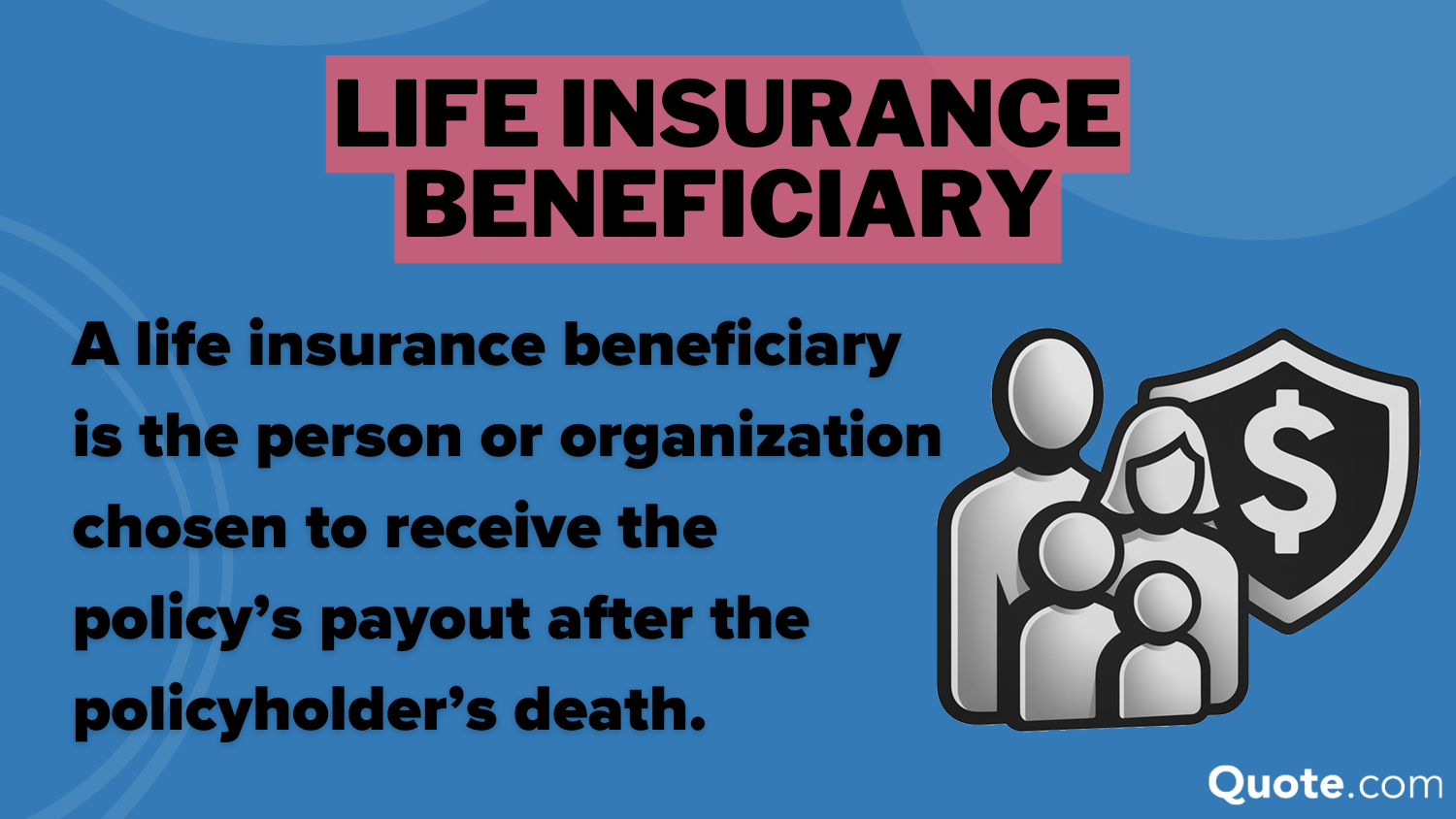
- Beneficiary: The individual or entity designated to receive the death benefit proceeds upon the death of the insured.
A parent can be all three (if they are the insured) or just the owner and the beneficiary. It is legally permissible for the parent to be the beneficiary of a policy where the child is the insured, provided there is an "insurable interest."
The Concept of Insurable Interest
Insurance companies require an "insurable interest" to issue a policy. This means the person applying for the policy must suffer a legitimate financial loss if the insured person dies. Parents almost universally have an insurable interest in their children, as they are responsible for their support, care, and the costs associated with their upbringing and potential final arrangements. This relationship establishes the legal grounds for parents to insure their children and name themselves as beneficiaries.
Comparison Table: Juvenile Life Insurance Features
| Feature | Whole Life (Juvenile) | Term Life (Juvenile) |
|---|---|---|
| Duration | Permanent (for life) | Fixed term (e.g., 10-20 years) |
| Cash Value | Builds value over time | None |
| Premiums | Generally level/fixed | Usually lower cost |
| Usage | Burial costs, savings, college fund | Temporary protection |
| Beneficiary | Controlled by owner | Controlled by owner |
When to Consider Changing the Beneficiary
As a child grows, the circumstances of the policy may change. When a child transitions to adulthood, they may eventually start their own family or acquire their own financial obligations. At this stage, the parent (as the policy owner) might decide to update the beneficiary designation.
Common scenarios for updating beneficiaries include:
- Marriage: If the child marries, the parent may choose to name the child’s spouse as a primary or secondary beneficiary to ensure their child’s household is protected.
- Estate Planning: A parent might transition the policy ownership to the child entirely as part of an estate planning strategy, allowing the child to manage their own beneficiary designations.
- Financial Independence: Once the child is financially independent, the need for the parent to receive a death benefit may decrease, prompting a shift in the policy's purpose toward legacy or cash-value accumulation for the child.
Potential Tax and Legal Considerations
While life insurance proceeds are generally income-tax-free for the beneficiary, there are nuances to consider. If the policy is structured such that the cash value grows significantly, and the policy is surrendered or borrowed against, there may be tax implications for the owner.
Furthermore, if the beneficiary is a minor at the time of the claim—which would occur if the parents were deceased and the child was named as a beneficiary on another policy—the payout might be tied up in court-supervised guardianships. By ensuring the parent is the beneficiary for a child’s policy, the funds are immediately available to the parent, avoiding the complications of minor-beneficiary trusts or guardianship requirements. Always consult with a tax professional or an estate attorney to discuss how policy ownership and beneficiary designations fit into a broader financial plan.
Frequently Asked Questions
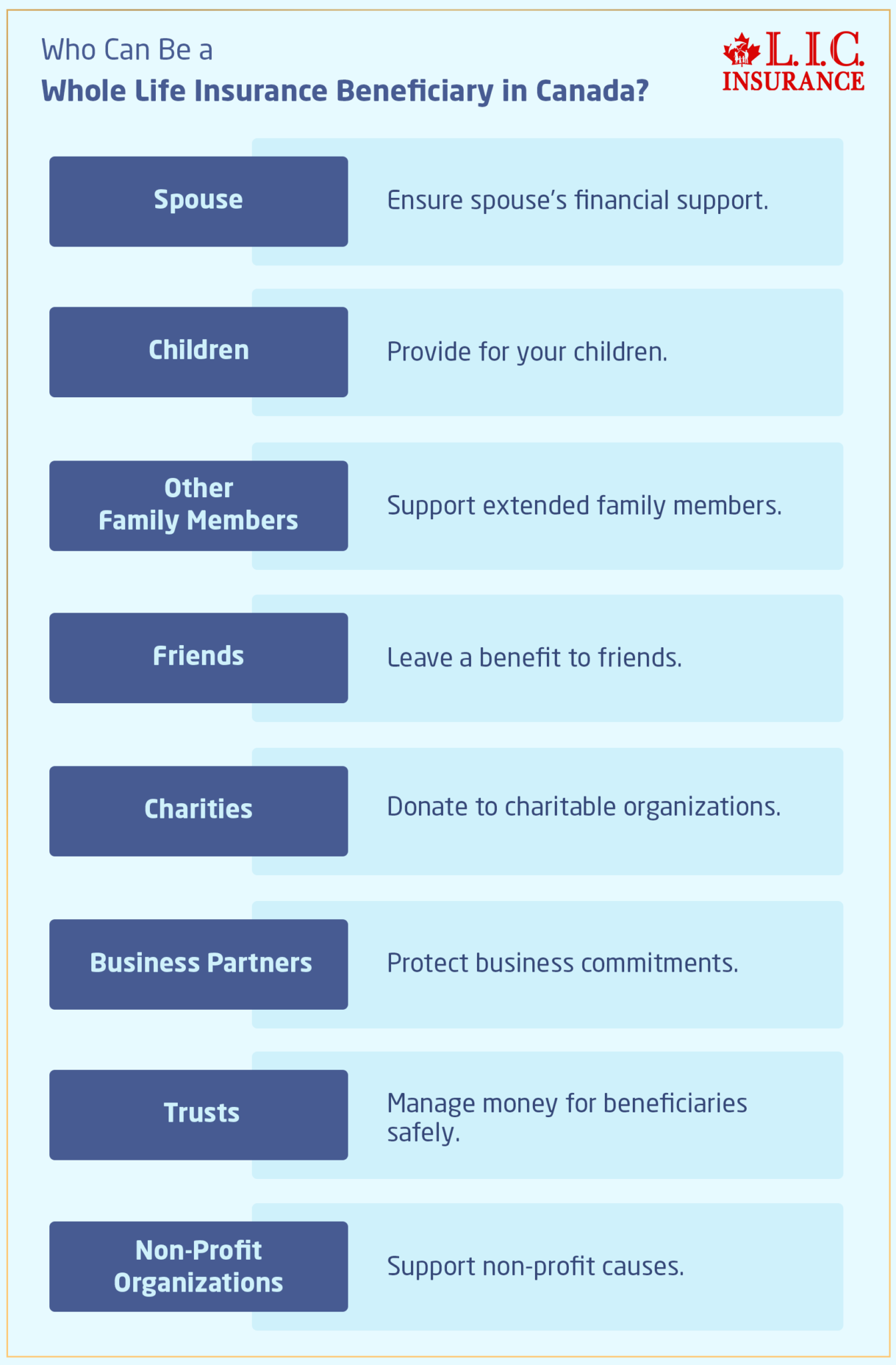
Can I name someone other than myself as the beneficiary for my child’s policy? Yes. As the owner of the policy, you have the right to name any individual, trust, or entity as the beneficiary. Many parents name a spouse, or in later years, the child themselves, as the beneficiary.
What happens if I, the policy owner, pass away before my child? If the policy owner dies, the policy becomes part of their estate. The successor owner designated in the policy (or the executor of the estate) will take over control. It is vital to name a contingent owner or a successor on the policy to avoid it being caught in probate.
Is there a limit to how much life insurance I can buy for my child? Yes. Insurance companies impose limits on the face amount of a child’s policy based on the parent's total coverage and the specific underwriting guidelines of the insurer. This is to prevent speculative insurance or "over-insuring," which goes against the requirement of insurable interest.
Does a child need to consent to being insured? Generally, no. Because the parent or legal guardian is the one acting as the owner and payer, they are the ones signing the contract. However, as the child grows, it is standard practice to discuss the existence of the policy with them, especially if it includes a cash-value component intended for their future use.
What happens to the policy if I stop paying premiums? Depending on the type of policy, if you stop paying premiums, the policy may lapse. If it is a whole life policy with sufficient accumulated cash value, it might be kept in force through "non-forfeiture" options, such as using the cash value to pay premiums or converting the policy to a smaller, paid-up amount.
Recommendation for Policy Management
To ensure your child's life insurance policy continues to serve its intended purpose, review your beneficiary designations at least every three to five years or after any significant life event, such as a marriage, divorce, or the birth of other children. Verify that your designated beneficiaries remain current and that you have a named successor owner for the policy in the event of your own unexpected death. Keeping the documentation for the policy in a secure, accessible location—and ensuring that your family is aware of its existence—is the most effective way to ensure the coverage remains a reliable financial tool.