Nurse practitioners (NPs) are advanced practice registered nurses, not physicians, and therefore do not hold the title of doctor in the clinical sense of a medical doctor (MD) or doctor of osteopathic medicine (DO). While some nurse practitioners hold a Doctor of Nursing Practice (DNP) degree—an academic doctoral degree—using the title "doctor" in a clinical setting is subject to strict professional regulations, state laws, and institutional policies designed to ensure patient clarity.
The Distinction Between Academic and Clinical Titles
To understand why this question arises, it is essential to distinguish between academic credentials and professional clinical titles. In the United States, a "doctor" is an individual who has earned a doctoral degree. This can include a Doctor of Philosophy (PhD), a Doctor of Education (EdD), or in the case of nursing, a Doctor of Nursing Practice (DNP).
When a nurse practitioner completes a DNP, they have technically earned the right to use the title "Dr." in academic, research, or social settings. However, the medical environment prioritizes the reduction of patient confusion. Because the public widely associates the term "doctor" with a licensed physician (MD or DO) responsible for medical diagnosis and treatment, many healthcare systems and state boards of nursing have implemented policies that discourage or prohibit NPs from using the "doctor" title in patient-facing interactions.
The Regulatory Landscape and State Laws
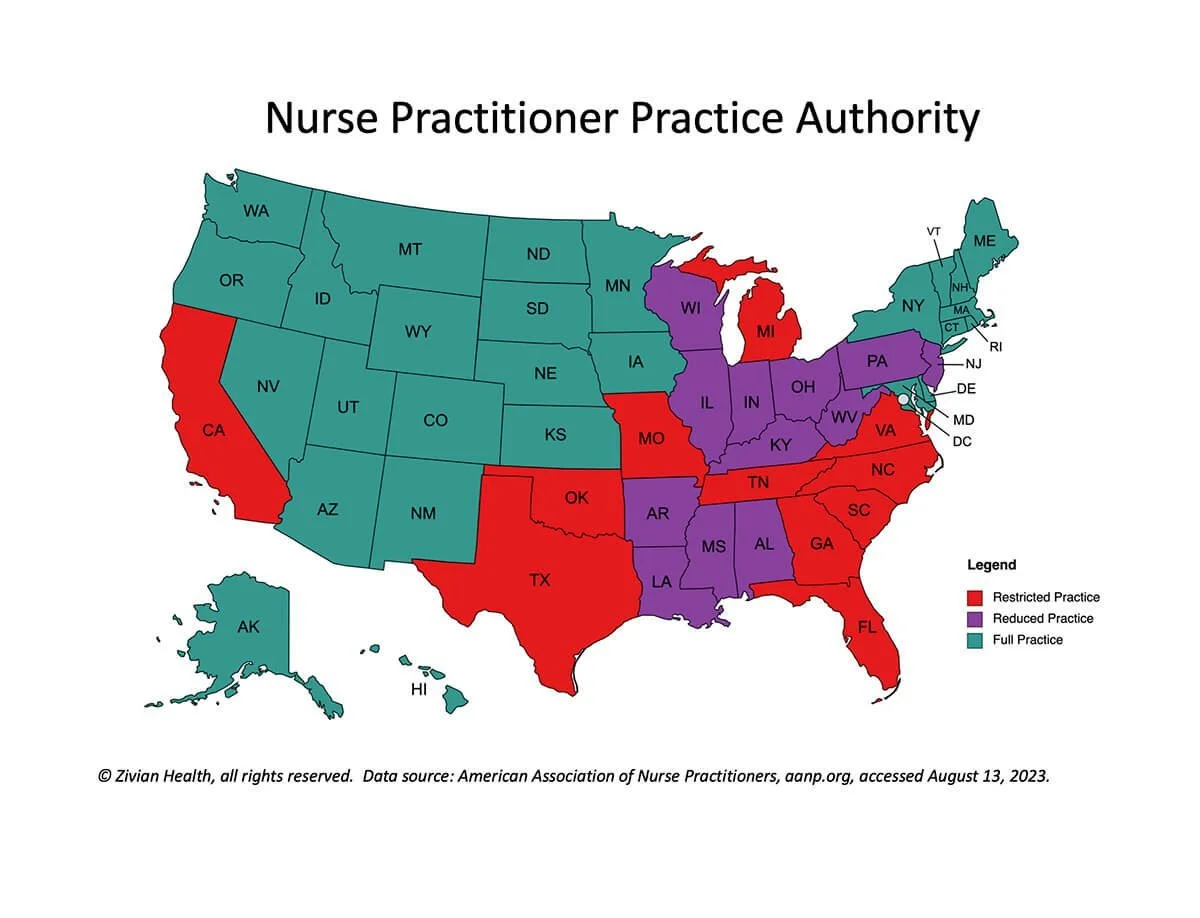
The use of titles in medicine is governed by state-specific scope-of-practice laws. In 2026, the regulatory climate remains focused on transparency. Many states have enacted legislation requiring healthcare professionals to clearly display their license type—such as Nurse Practitioner, Physician Assistant, or Physician—on their badges and in their documentation.
In several jurisdictions, the law explicitly states that if an individual uses the title "doctor" in a clinical setting, they must also clarify their credentials. For example, if a nurse practitioner with a DNP introduces themselves as "Dr. Smith," they are often legally obligated to follow that with a clarifying statement such as, "I am a nurse practitioner." Failure to provide this clarification can lead to disciplinary action by the state board of nursing or board of medicine, as it may be interpreted as misleading the patient regarding the practitioner's specific role and training level.
Comparative Overview of Healthcare Roles
Patients often confuse these roles because, in modern clinical settings, nurse practitioners, physician assistants, and physicians often perform overlapping tasks, such as ordering tests, prescribing medications, and diagnosing illnesses. The following table highlights the core differences in training and designation.
| Role | Degree Type | Primary Focus | Licensing Body |
|---|---|---|---|
| Physician (MD/DO) | Medical Doctorate | Comprehensive medical/surgical management | State Medical Board |
| Nurse Practitioner | MSN or DNP | Advanced nursing/holistic patient care | State Board of Nursing |
| Physician Assistant | Master’s Degree | Medical model, often under supervision | State Medical Board |
Why Clarity Matters for Patient Safety
The primary driver behind the restrictions on the "doctor" title is patient safety. In an emergency or complex medical situation, a patient must understand exactly whom they are speaking to. A physician is trained through a medical model that emphasizes a specific depth of physiological pathology and long-term residency training, while a nurse practitioner is trained through a nursing model that emphasizes preventative care, patient education, and holistic health management.
If a patient assumes a provider is an MD based solely on the title "doctor," they may have inaccurate expectations regarding the scope of care, the ability to perform certain surgical procedures, or the level of supervision required. Healthcare institutions prioritize "informed consent," which includes the patient's right to know the background and qualifications of every person involved in their care team.
Navigating Credentials in Clinical Settings
For those working in the healthcare industry, the best practice is to lean toward transparency. Regardless of the highest degree earned, clinicians are encouraged to use titles that accurately describe their clinical role.
- Badge Identification: Ensure that your clinical role (e.g., "Nurse Practitioner") is printed in a larger or more prominent font than any academic degree (e.g., "DNP").
- Standardized Introductions: Use the introduction, "Hello, I am [Name], your nurse practitioner." This immediately sets expectations and avoids ambiguity.
- Institutional Policy: Always check your hospital or clinic’s specific bylaws. Many healthcare systems have internal policies that are stricter than state law regarding how providers should represent themselves to patients.
- Documentation: When charting in an Electronic Health Record (EHR), always use your legal professional designation.
Frequently Asked Questions
Does having a DNP degree make someone a doctor? Yes, a DNP is a doctoral-level degree, which is the highest level of education in the nursing profession. However, in the context of healthcare delivery, it is an academic title rather than a license to practice medicine as a physician.
Can I call my nurse practitioner "doctor" if they have a DNP? While you are free to address them as you choose in a social setting, in a clinical environment, it is standard practice to refer to them by their professional role, such as "Nurse Practitioner" or simply by their name, to avoid confusion with the physician on your care team.
Do all nurse practitioners have doctoral degrees? No. Many nurse practitioners hold a Master of Science in Nursing (MSN). The DNP is an optional, though increasingly popular, terminal degree for nurse practitioners.
What is the difference between an NP and a physician in terms of authority? Physicians are trained in the medical model and hold an MD or DO degree, which requires medical school and residency. Nurse practitioners are trained in the nursing model, focusing on patient outcomes and health management, and hold nursing degrees. Both can prescribe medication and diagnose illness, but their paths to licensure differ significantly.
Is it illegal for an NP to call themselves a doctor? In some states, if the title is used in a clinical setting without the required disclosure of being a nurse practitioner, it can be considered a violation of state law or professional conduct rules. It is not necessarily a criminal offense in all cases, but it can lead to severe administrative penalties.
Next Steps for Patients and Providers
If you are a patient, do not hesitate to ask your provider about their credentials if you are uncertain about their role. A simple question such as, "Are you a physician or a nurse practitioner?" is always appropriate and helps ensure you understand the hierarchy of your care team.
If you are a healthcare provider holding a DNP, prioritize clarity in your patient interactions. Your authority and value as a clinician come from your training, experience, and the care you provide, rather than the title used. By proactively identifying as a nurse practitioner, you foster trust and ensure that the patient experience remains transparent and safe.