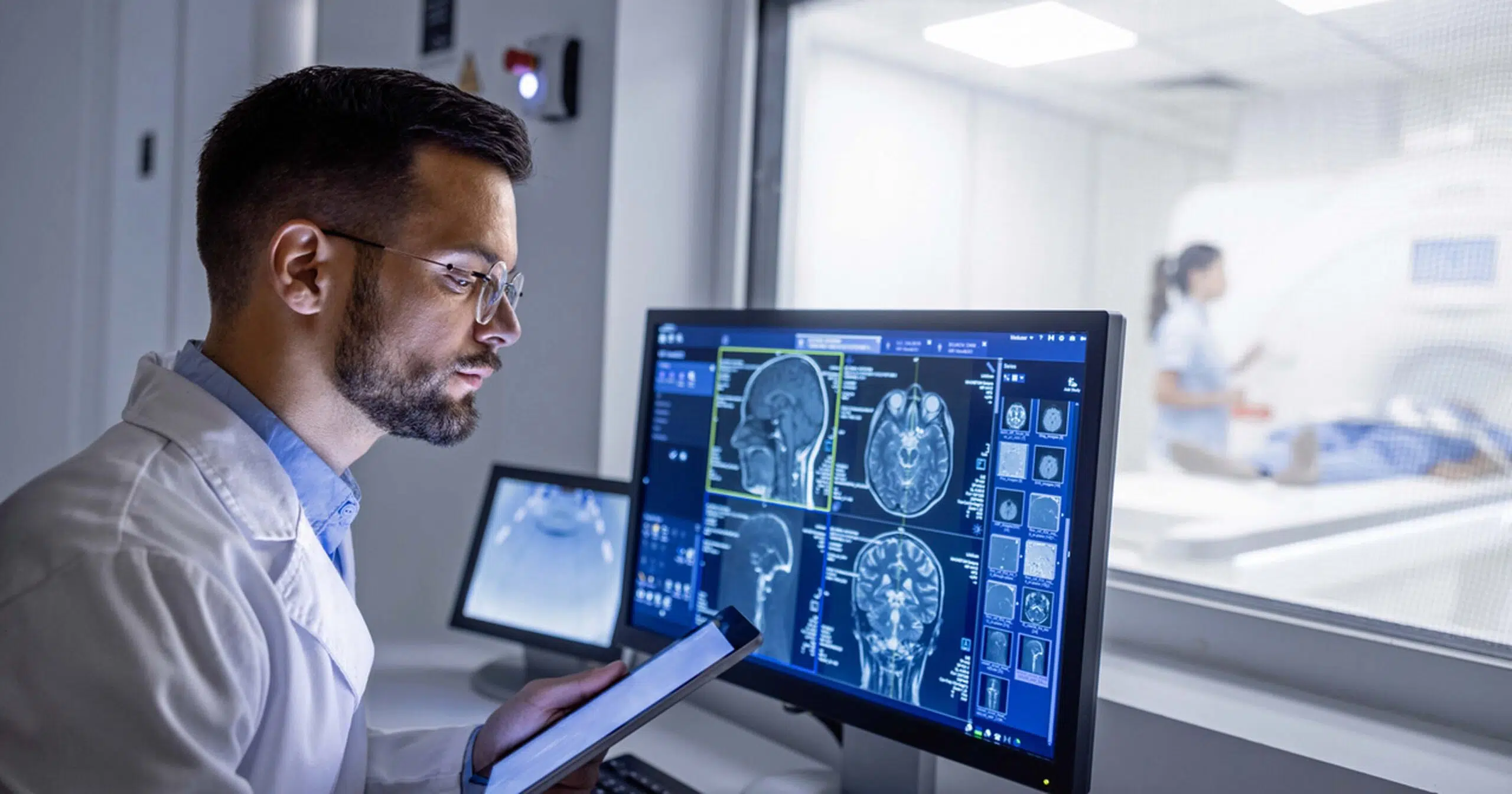
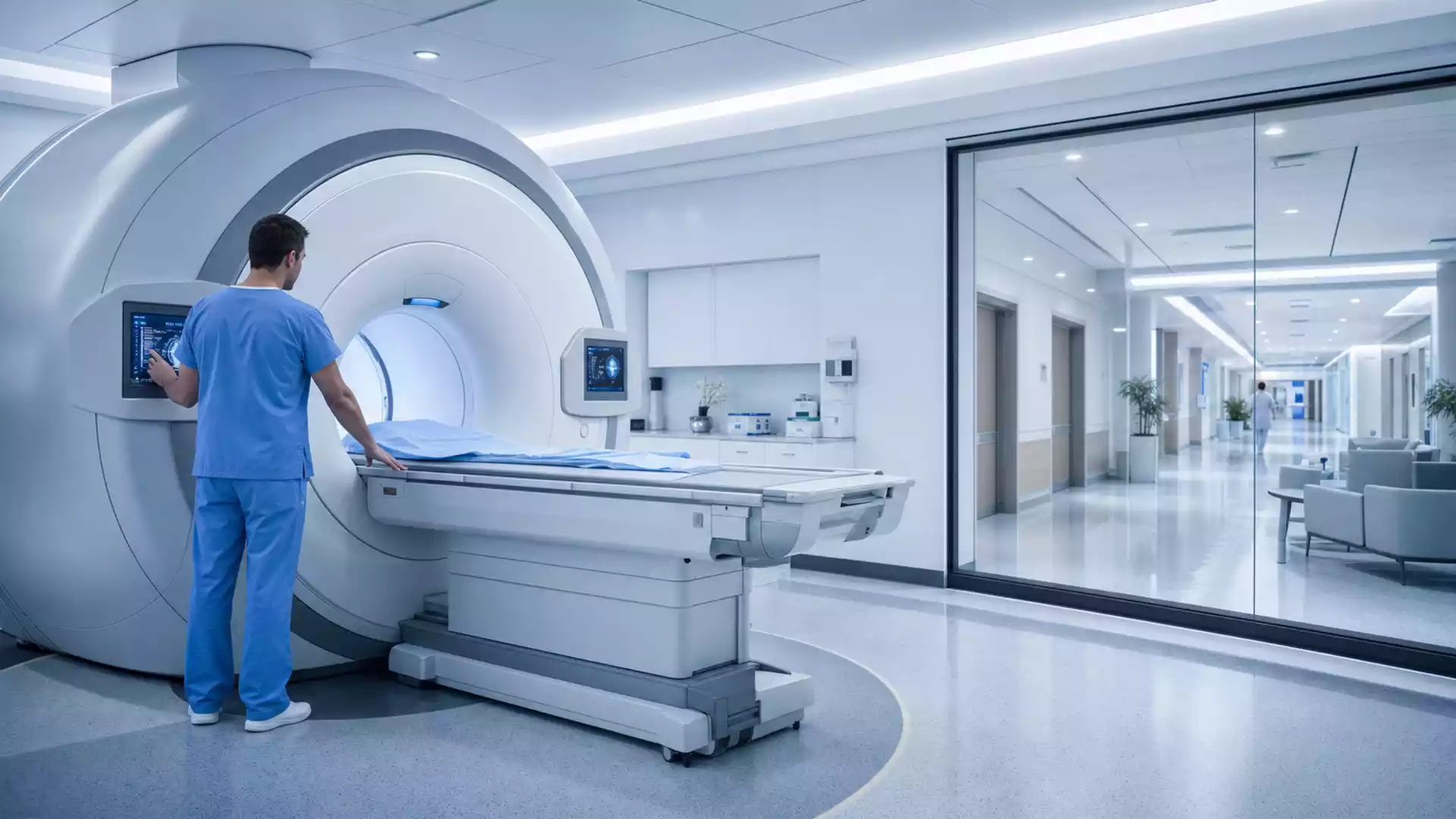
Magnetic Resonance Imaging (MRI) technicians, formally known as MRI technologists, remain in high demand throughout the healthcare sector as of 2026. This sustained requirement is driven by the aging global population, the increasing reliance on non-invasive diagnostic imaging for chronic condition management, and the rapid expansion of specialized outpatient diagnostic facilities that require skilled imaging professionals.
The demand for MRI technologists is not merely a transient trend; it is a structural necessity within modern medicine. As hospitals and independent clinics prioritize early detection and precise monitoring of neurological, orthopedic, and oncological conditions, the role of the MRI technologist has evolved from a niche position to a cornerstone of patient care. Understanding the market dynamics requires looking at how current labor shortages, demographic shifts, and technological advancements converge to create long-term stability for those entering the field.
Understanding the Role and Current Market Drivers
An MRI technologist is a specialized radiologic professional trained to operate complex magnetic resonance imaging equipment. Unlike X-rays or CT scans, which rely on ionizing radiation, MRI machines use strong magnetic fields and radio waves to generate detailed images of internal body structures. Because the equipment is sensitive and the safety protocols—such as ensuring no metallic objects enter the scanning environment—are stringent, the role requires a high degree of technical precision and patient safety awareness.
The primary drivers of demand for these professionals include:
- Diagnostic Precision: As medical treatment becomes increasingly personalized, the demand for high-resolution imaging to plan surgeries or monitor the progression of diseases like multiple sclerosis or cancer has intensified.
- Expansion of Outpatient Care: A significant shift in healthcare delivery has moved many diagnostic procedures out of large hospital systems and into smaller, specialized imaging centers. These centers often operate with extended hours, requiring a larger pool of licensed technologists.
- Technological Complexity: Newer, high-field strength MRI scanners (such as 3T and 7T systems) require operators with advanced knowledge of pulse sequences, coil selection, and image reconstruction parameters. This complexity limits the number of personnel who can operate the most advanced equipment, keeping the value of experienced technologists high.
Labor Market Dynamics in 2026
In 2026, the job market for MRI technologists is characterized by a "replacement and growth" model. Many professionals who entered the field during the early expansion of MRI technology in the 1990s and early 2000s are currently transitioning into retirement. This creates a dual pressure on the industry: the need to replace departing veterans while simultaneously filling new positions created by the opening of additional imaging clinics.
Geographic and Setting Variations
Demand is not uniform across all locations or clinical settings. Urban areas with multiple major healthcare systems often show high turnover and constant recruitment, whereas rural areas may experience fewer openings but offer significant incentives for relocation. The following table illustrates the typical demand landscape across various employment settings:
| Employment Setting | Demand Intensity | Key Drivers |
|---|---|---|
| Academic Medical Centers | High | Research, residency training, and complex specialty cases. |
| Private Imaging Centers | Very High | Efficiency, high patient volume, and extended business hours. |
| Community Hospitals | Moderate/Steady | Emergency department support and general inpatient imaging. |
| Mobile MRI Services | High | Serving rural areas and small clinics lacking permanent units. |
Educational and Certification Prerequisites
The high demand for MRI technologists does not translate to an accessible entry point; rather, it highlights the need for specialized training. Because the safety requirements are critical, institutions are reluctant to hire individuals without formal, accredited education and verified certification.
The Path to Certification
In most jurisdictions, the primary path to becoming a competitive candidate involves completing an accredited program in radiologic technology, followed by specialized training in MRI. The American Registry of Radiologic Technologists (ARRT) remains the gold standard for certification in the United States. Many employers explicitly list ARRT certification as a mandatory requirement in their job postings, effectively making it the "gatekeeper" for high-demand positions.
Continuing Education
Because the technology is subject to rapid software and hardware updates, "demand" also includes a preference for technologists who maintain ongoing competency. Professionals who specialize in cardiac MRI, functional MRI (fMRI), or pediatric imaging are often among the most sought-after employees, as these sub-specialties require training beyond the entry-level curriculum.
Economic and Lifestyle Factors of the Profession
The financial outlook for MRI technologists is generally favorable due to the persistent imbalance between the supply of certified professionals and the demand for imaging services. In 2026, compensation packages for experienced technologists often include sign-on bonuses, relocation assistance, and competitive hourly wages, particularly for roles that involve weekend or night shifts.
However, potential candidates must weigh these benefits against the realities of the job. MRI scanning environments are physically demanding. Technologists spend long periods standing, assisting patients with limited mobility onto the scanning table, and managing the high-stress environment of an active diagnostic department. Furthermore, the risk of "magnetic accidents"—where unauthorized metallic objects are pulled into the bore of the magnet—requires constant vigilance, which can lead to significant mental fatigue.
Potential Challenges and Stability
While the demand is high, the profession is not immune to potential disruptions. The two most significant factors to monitor are:
- AI-Driven Reconstruction: Software advances in AI-assisted image reconstruction can speed up scan times significantly. While this does not replace the human technologist, it may lead to a shift in how clinics calculate staffing ratios. As scans become faster, a single technologist may be able to manage a higher patient volume, which could eventually moderate the rate of hiring.
- Regulatory Changes: Licensing requirements are subject to state-level legislation. In some jurisdictions, the scope of practice for MRI technologists may be impacted by broader shifts in healthcare worker credentialing. Candidates should regularly consult their state’s medical board or professional association to ensure their certifications remain aligned with current legal mandates.
Frequently Asked Questions
Is a degree required to become an MRI technologist?
Yes, in most cases. While some legacy routes existed in the past, modern employers typically require an Associate’s or Bachelor’s degree from an accredited radiologic technology program. Many technologist programs are specifically designed to build on an existing foundation in radiography (X-ray), meaning many professionals earn an X-ray certification before bridging into MRI.
Can MRI technologists work remotely?
No, the role is inherently hands-on. Because the position requires physical patient positioning, the administration of contrast media, and the safe operation of a powerful magnet, the technologist must be physically present in the imaging suite. However, some advanced post-processing of images may occasionally be done in a centralized location, but this is an exception rather than the standard.
How does the demand for MRI technologists compare to other radiologic fields?
MRI remains one of the most stable and high-demand segments of the radiologic field. While CT and X-ray technologist roles are also in demand, the specialized nature of MRI and the increasing frequency with which it is ordered by specialists (such as neurologists and orthopedists) often result in faster job growth and higher salary tiers for MRI-specific roles.
What is the most important skill for an MRI technologist?
Patient communication is arguably the most vital skill. Many patients experience significant claustrophobia or anxiety inside the MRI bore. A technologist's ability to explain the process, monitor the patient via intercom, and ensure their physical comfort determines the quality of the image, as patient motion—caused by anxiety or discomfort—is the leading cause of "blurry" or non-diagnostic images.
Does the "demand" guarantee job security?
No industry offers absolute job security, but the demand for MRI technologists is insulated by the aging population. As individuals live longer, the frequency of necessary diagnostic imaging for age-related conditions is expected to increase throughout the next decade, suggesting that the current levels of demand are sustainable for the foreseeable future.
Next Actions for Aspiring Professionals
If you are considering a career as an MRI technologist, your first step should be to identify an accredited educational program in your state. Visit the website of the professional registry applicable to your region (such as the ARRT) to confirm which programs meet the criteria for national certification. Once enrolled, prioritize clinical rotations that provide exposure to a variety of MRI vendors (such as Siemens, GE, or Philips), as familiarity with different machine interfaces makes a candidate significantly more marketable upon graduation.
For currently licensed technologists looking to capitalize on this demand, focusing on cross-training in a sub-specialty—such as cardiac or neurovascular imaging—can increase your bargaining power and open doors to specialized medical centers that are often willing to pay a premium for niche expertise.