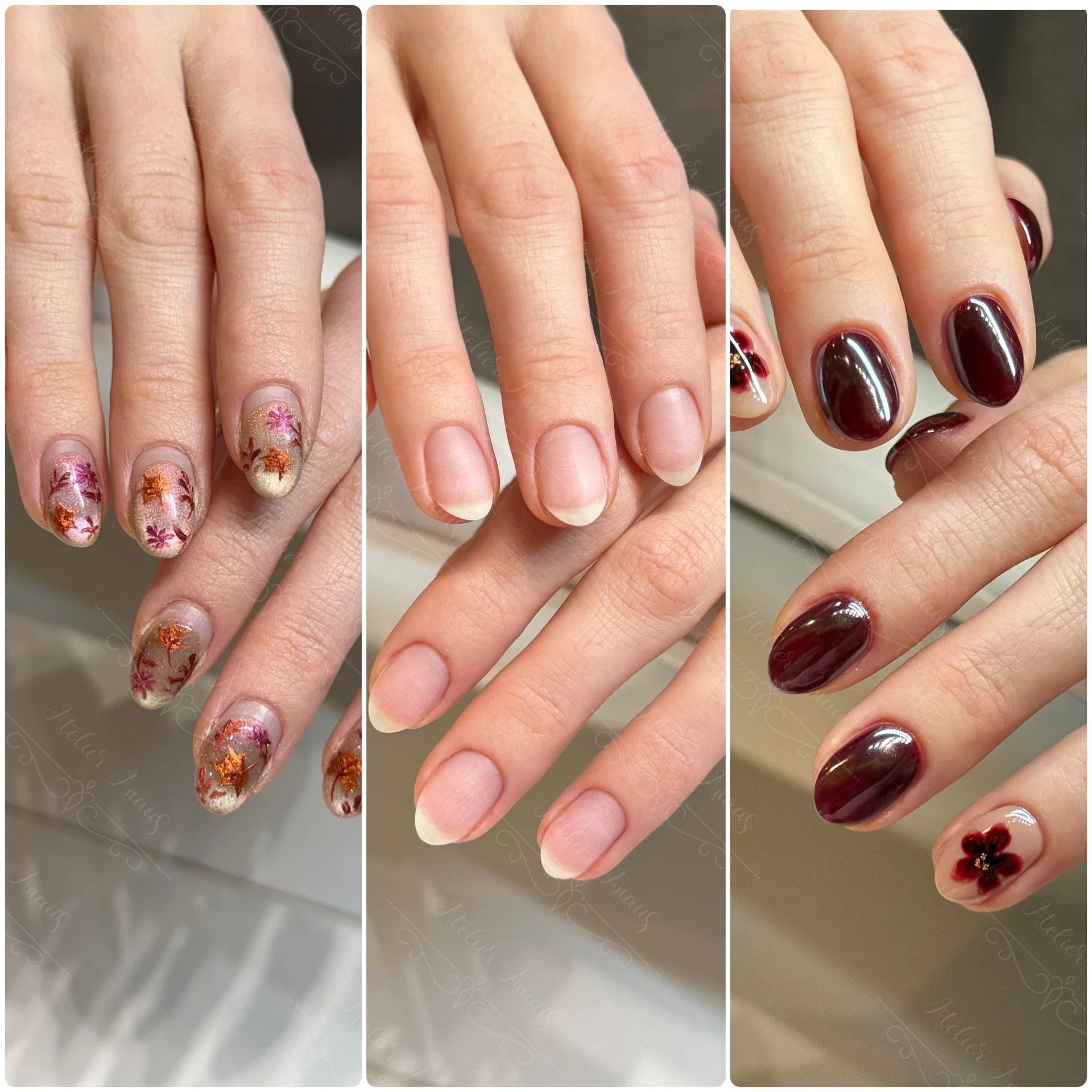
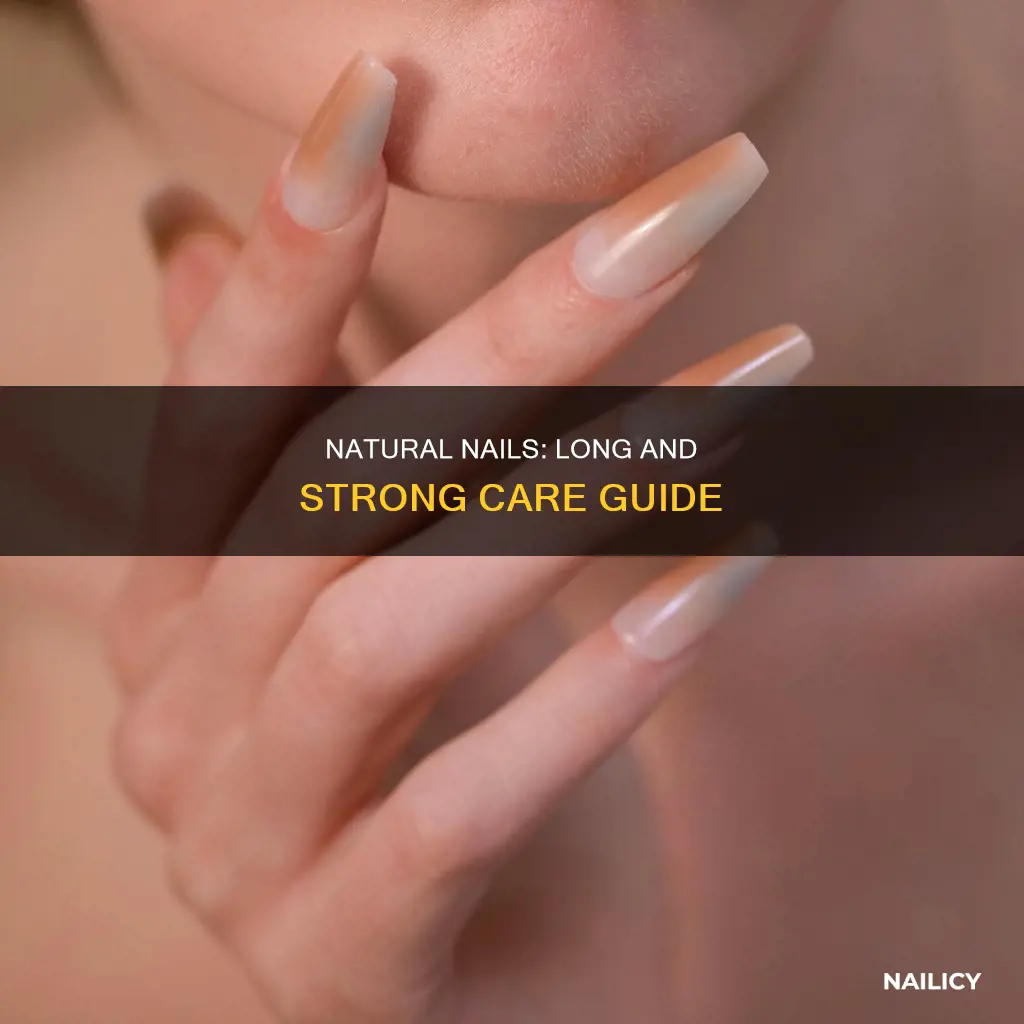
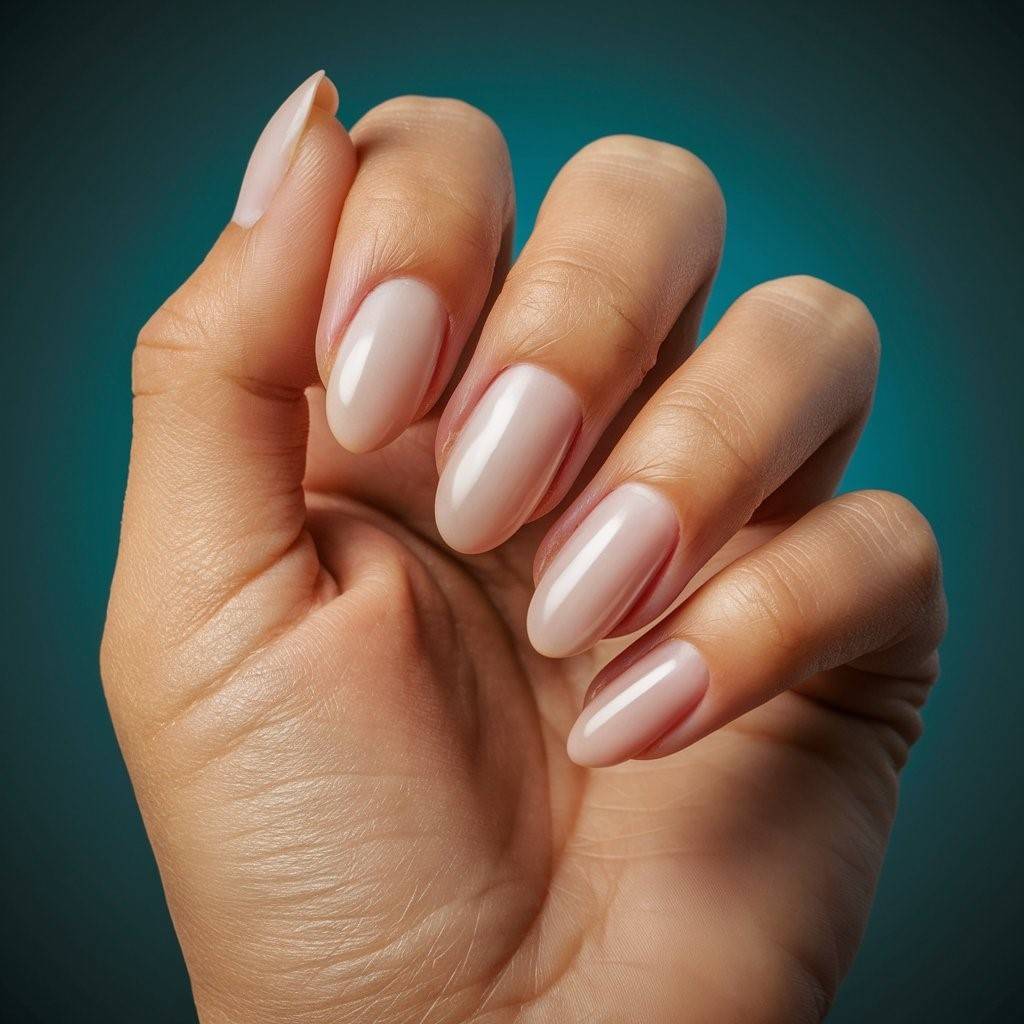
Whether natural, healthy nails are inherently "better" than enhanced alternatives is a subject of ongoing debate among dermatologists, nail technicians, and style-conscious consumers. The answer depends entirely on your definition of "better," which must balance structural biological integrity, long-term nail health, aesthetic preferences, and the practical requirements of your lifestyle. While natural nails represent the baseline for healthy tissue, the process of maintaining, enhancing, or covering them involves distinct trade-offs that every individual should weigh carefully.
Understanding the Biology of the Natural Nail
To determine if natural nails are objectively superior, one must first understand what they are: a complex structure composed primarily of alpha-keratin. The nail unit is a living, breathing component of the integumentary system. It consists of the nail plate, the nail bed, the matrix (where the nail is formed), the cuticle, and the nail folds.
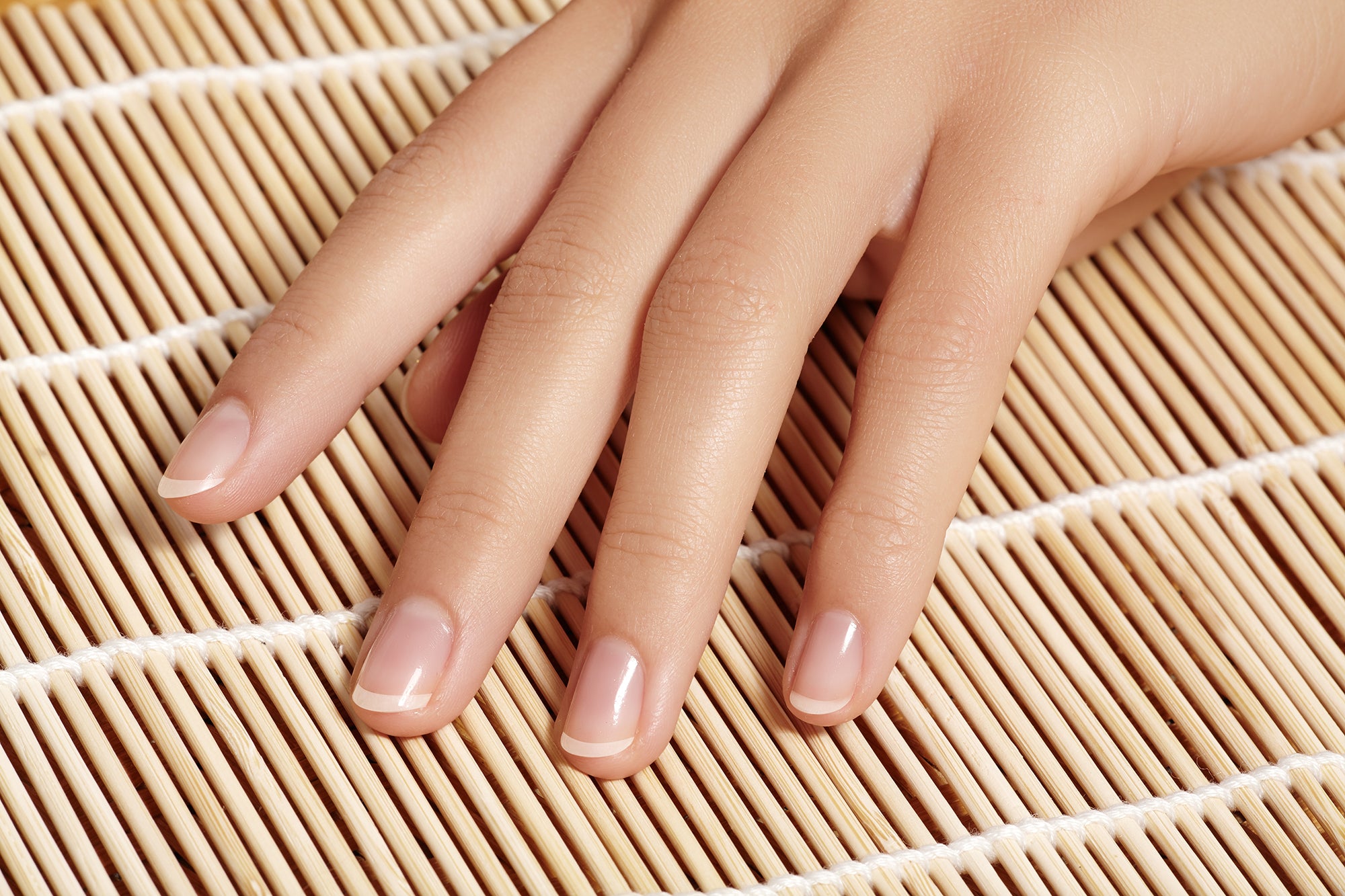
When we speak of "healthy" natural nails, we are generally describing a plate that is flexible yet strong, clear in color, and free of ridges, pits, or chronic separation from the nail bed (onycholysis). The natural nail is semi-permeable; it can absorb water and oils, which allows it to maintain flexibility. However, this same permeability means the nail plate can be damaged by harsh chemicals, over-exposure to water, or physical trauma.
The primary argument for the superiority of natural nails is biological maintenance. A natural nail allows for the continuous monitoring of systemic health, as changes in nail texture, color, or growth patterns can be indicators of underlying medical conditions, such as nutritional deficiencies, thyroid issues, or circulatory problems.
The Trade-offs of Enhancement: Gels, Acrylics, and Polishes
The alternative to the natural look is the use of chemical enhancements, including traditional lacquer, gel polish, builder gel, and acrylic extensions. Each of these methods changes the interaction between the nail plate and the external environment.
Gel and Acrylic Systems
Gel and acrylic enhancements function by creating a rigid barrier over the natural nail. While this provides significant protection against mechanical stress—preventing chipping and splitting for those with naturally brittle nails—it also introduces risks:
- Mechanical Damage: The process of removing gels or acrylics often involves filing or scraping the surface of the natural nail. If done improperly, this thins the nail plate, leading to increased sensitivity and weakness.
- Chemical Sensitization: Certain monomers and photo-initiators used in professional nail products can trigger allergic contact dermatitis in some individuals.
- Occlusion: These products seal the nail plate. While this prevents the nail from absorbing water, it also prevents the nail from "breathing," which, while a slight misnomer in biological terms, does mean the nail cannot exchange moisture or oils as naturally as bare nails.
The Protective Layer Argument
Conversely, for some people, natural nails are not actually "better" because their natural biology is inherently fragile. For individuals prone to longitudinal ridging, brittle nails (onychoschizia), or those who work in environments where their hands are frequently wet or exposed to physical impact, a protective layer of builder gel can act as an armor. In these specific cases, the enhancement actually preserves the nail by preventing the constant splitting and tearing that would otherwise occur.
Comparative Overview: Natural vs. Enhanced
| Feature | Natural Nails | Enhanced Nails (Gel/Acrylic) |
|---|---|---|
| Durability | Low to Moderate | High |
| Maintenance | Minimal (Files and Oils) | Frequent (Professional Fills) |
| Health Monitoring | Highly Transparent | Obscured by Product |
| Risk of Damage | Low (Internal/Dietary) | Moderate (Removal/Chemical) |
| Cost | Negligible | Recurring Investment |
| Flexibility | Naturally Adaptive | Rigid/Semi-Rigid |
Identifying Your Needs: When Natural Is Not Enough
To decide if you should stick to natural nails, evaluate your specific goals and habits. If your main goal is long-term, low-maintenance health, natural nails are the gold standard. They require only proper hydration (using cuticle oils containing jojoba or squalene) and consistent filing with a high-grit, gentle file rather than a metal clipper, which can cause micro-fractures in the keratin structure.
However, if your goal is aesthetic consistency or structural reinforcement, natural nails may fall short. For those with severely damaged or bitten nails (onychophagia), a temporary application of a protective enhancement can serve as a "reset" mechanism, preventing further damage while the nail bed heals underneath.
Common Misconceptions About Nail Health
One of the most persistent myths is that nails need "time to breathe" between gel manicures. In reality, the nail plate is dead keratin; it receives its nutrients from the blood supply in the nail matrix, not from the air. The reason nails seem "damaged" after removing a gel manicure is typically not because they couldn't breathe, but because the removal process—soaking in high-concentration acetone and improper mechanical scraping—has dehydrated and physically thinned the nail surface.
Another common error is the reliance on "nail hardeners" sold in retail stores. Many of these products contain high levels of formaldehyde or related resins. While they make the nail feel temporarily rigid, they can actually make the nail plate too brittle, causing it to snap under pressure rather than bending. When assessing whether natural nails are better, ensure you are not comparing them to "enhanced" nails that have been treated with harsh, dehydrating chemicals.
Practical Guidance: Maintaining Healthy Nails
Whether you choose to keep your nails natural or opt for enhancements, your approach to maintenance is the deciding factor in their longevity.
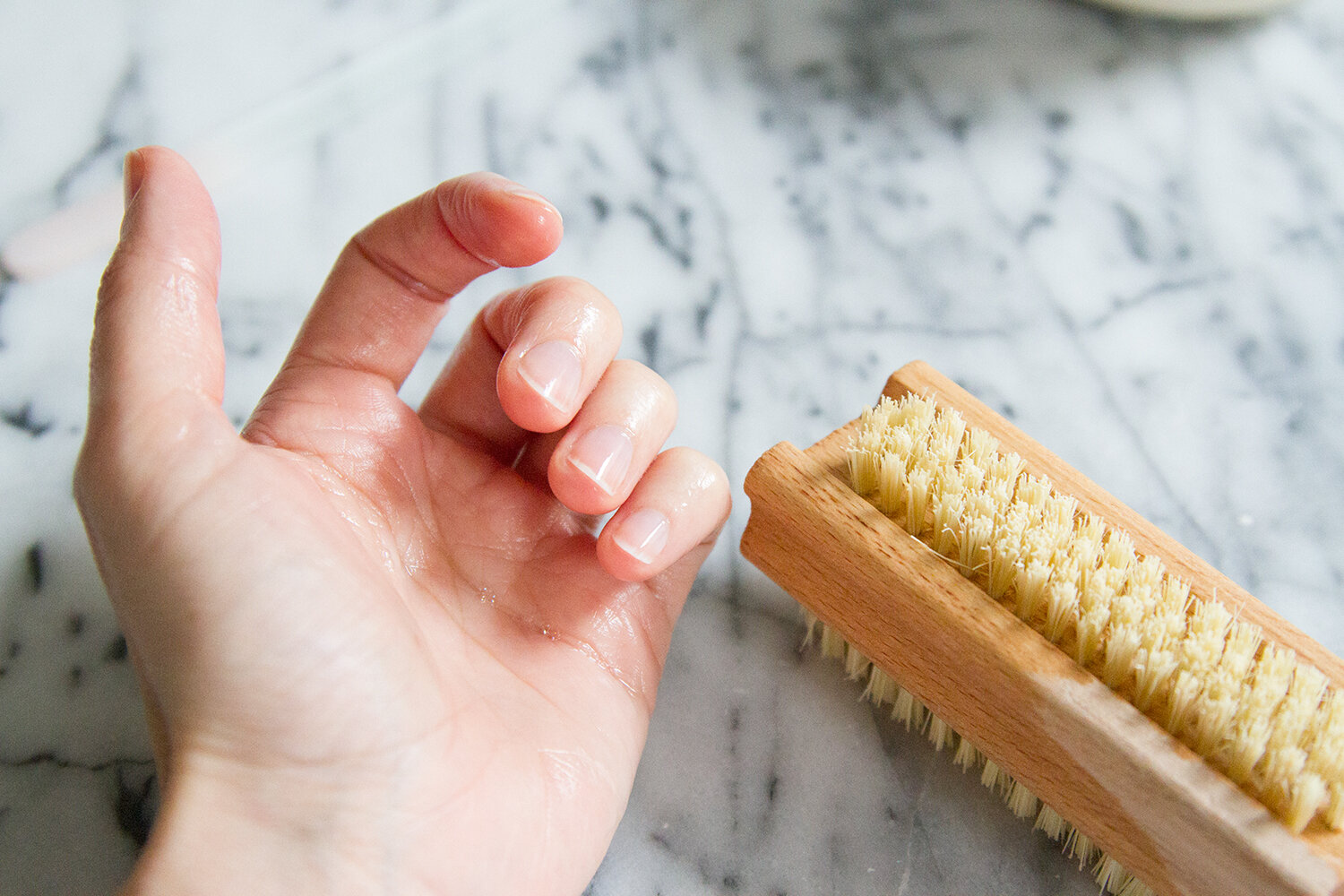
- Hydration is Critical: The most important factor in nail flexibility is moisture. Use high-quality, penetrating cuticle oils twice daily. This prevents the nail plate from becoming brittle and prone to peeling.
- Use Proper Tools: Avoid glass or metal files that are too coarse. Opt for a 240-grit or higher nail file. Always file in one direction rather than using a "sawing" motion, which frays the edges of the keratin layers.
- Manage External Exposure: If you work with chemicals or engage in frequent hand washing, wear gloves. Excessive water exposure causes the nail to expand and contract, which weakens the bond between the keratin cells.
- Removal Technique: If you choose enhancements, never peel or pop them off. This removes the top layers of your natural nail plate. Professional removal, involving gentle filing and controlled soaking, is the only way to minimize the impact on the natural nail.
Addressing Related Questions
Do nails really get thinner from gel polish? No, the gel itself does not thin the nail. The thinning occurs during the removal process when the surface is aggressively filed or when the product is forced off the nail plate before it is fully softened, taking layers of the natural nail with it.
Can diet make natural nails better? Yes. While topical products help with hydration, the structural integrity of the nail is determined by what happens at the matrix. Biotin, iron, and a balanced intake of protein are essential for strong nail production. If your nails are chronically weak, consider a blood panel to rule out systemic deficiencies before relying on external products.
Are "breathable" polishes a real health benefit? Most "breathable" polishes are marketing terms for formulas that are permeable to water vapor and air. While they are less occlusive than traditional polishes, they do not inherently "heal" the nail. They are a suitable choice for someone who wants to wear color while minimizing the total seal of the nail plate.
Is it better to have short or long nails for health? Shorter nails are almost always better for health. They are less prone to mechanical trauma, accidental breakage, and the accumulation of bacteria or fungi under the free edge. Long, natural nails require significant effort to keep from splitting and are more susceptible to physical stressors.
The Role of Professional Guidance
If you are struggling with chronic nail issues, such as discoloration, thick ridges, or persistent pain, the best course of action is to consult a board-certified dermatologist. Nail aesthetics often overlap with medical dermatology. Conditions like nail psoriasis or fungal infections (onychomycosis) can mimic common cosmetic problems. Assuming that a nail issue is merely cosmetic and covering it with a long-term enhancement can delay necessary medical treatment and worsen the underlying condition.
Next Steps for Your Nail Journey
If you are currently deciding between a transition to natural nails or continuing with enhancements, start with a "restoration period." Remove all current enhancements and leave your nails bare for four to six weeks. During this time, focus exclusively on hydration and gentle shaping. Observe how your nails react to your daily routine without the protection of a product. If you find your nails are splitting or breaking despite consistent oiling, you may be someone who benefits from a thin, protective layer of builder gel or a high-quality strengthener. If, however, your nails remain flexible and strong, you have confirmed that your natural biology is sufficient for your needs. The choice is not a binary one; it is a dynamic process of adjusting your routine to match the current condition and requirements of your nail unit.